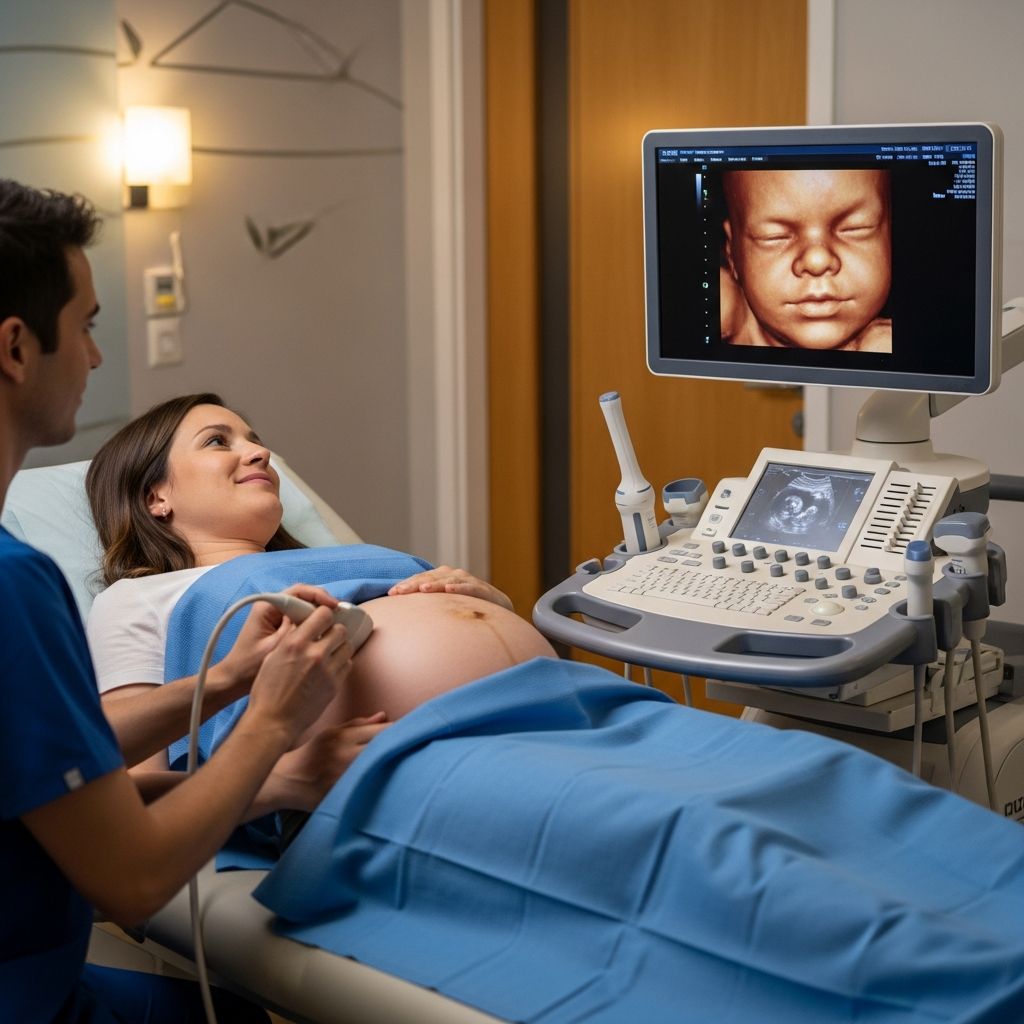
Cesarean sections, often called C-sections, represent a vital medical intervention that safely brings millions of babies into the world each year. While vaginal births dominate cultural narratives, C-sections deserve equal celebration for the courage they demand from parents. This article dives into the lived experiences of those who’ve undergone the procedure, highlighting both unexpected challenges and profound joys.
Understanding the Cesarean Procedure
A C-section involves surgically delivering a baby through an incision in the abdomen and uterus. It’s typically recommended for emergencies like fetal distress or when vaginal birth poses risks, such as breech positioning. Planned C-sections occur for repeats or medical reasons. The surgery lasts about 45-60 minutes, with the baby often emerging in under 10 minutes under spinal or epidural anesthesia, allowing parents to remain awake.
Preparation includes IV fluids, monitors, and a catheter. In the operating room, a screen shields the incision site. Parents hear their baby’s first cry, followed by skin-to-skin contact if possible. Recovery begins immediately, with monitoring for blood pressure and bleeding.
Unexpected Sensations During Surgery
Many describe the procedure as surreal. The spinal block numbs from the chest down, but sensations persist. “You’ll feel pressure and tugging as surgeons work—no pain, but more than expected,” shares one mother. Shaking from anesthesia, chills from sterile drapes, and nausea from medications surprise newcomers.
- Shaking: Adrenaline and anesthesia cause tremors lasting minutes to hours.
- Tugging: Internal manipulations feel like firm pulls.
- Temperature shifts: Operating rooms are cold; warm blankets help.
- Nausea: Common; anti-nausea meds are standard.
Personal accounts vary: “The speed shocked me—from ‘surgery’ to baby in under 10 minutes,” recalls Sarah. Others note differences between epidural and spinal blocks, with spinals acting faster but sometimes causing headaches.
The Emotional Landscape of C-Section Birth
Emotions swirl intensely. Joy at meeting the baby mixes with disappointment over unmet vaginal birth expectations. “Mixed feelings: sad for normal birth, happy to meet my baby soon,” says one participant in a qualitative study. Guilt arises, especially after prolonged labor: “26 hours of labor, then guilt over needing a C-section,” Natalie shares.
Some find empowerment: “I made an informed choice with options given,” Brittney notes. Staff attitudes impact mood—nonchalant doctors amid parental meltdowns heighten distress. Positive surprises include immediate bonding: babies staying close post-surgery.
Navigating Immediate Post-Op Recovery
Hospital recovery spans 2-4 days. Numbness fades over 8-12 hours, delaying mobility. First steps feel wobbly; nurses assist from bed to bathroom. Pain meds manage incision soreness, but coughing or laughing stings.
| Recovery Milestone | Timeline | Common Experiences |
|---|---|---|
| Regain sensation | 8-12 hours | Tingling, heaviness in legs |
| First walk | 12-24 hours | Shakiness, abdominal tightness |
| Discharge | 2-4 days | Short walks encouraged |
| Drive/lift >10 lbs | 2 weeks | Gradual increase |
Post-delivery bleeding mimics heavy periods, lasting 4-6 weeks as the uterus involutes. Cramps, stronger than menstrual, signal shrinkage.
Long-Term Healing and Home Challenges
Full recovery takes 4-6 weeks or longer, exceeding vaginal births generally. Incisions heal quickly externally, but internal tissues tug during movement. Lifting older children or stairs triggers bleeding or pain for months.
Daily life strains: no driving, limited lifting, constant newborn care. Breastfeeding while medicated challenges bonding; strong painkillers impair holding. Short walks accelerate healing, but twisting aggravates soreness. Complications like headaches from spinal leaks or seizures warrant vigilance.
- Monitor incision for infection: redness, pus, fever.
- Manage gas pain: walk, use stool softeners.
- Rest strategically: nap when baby naps.
Repeat C-Sections: Lessons Learned
Second-timers often cope better. “Healing faster, husband cut the cord,” Kristina reports. Scheduled C-sections allow walking into the OR, feeling oddly routine. Post-op contractions intensify, but familiarity eases anxiety.
Yet pain persists: “Rougher after the second,” Megan adds. Preparation—knowing sensations, advocating for skin-to-skin—transforms experiences.
Mental Health After Cesarean Delivery
Postpartum mood disorders affect C-section parents at similar rates to vaginal births, though surgery stress may contribute. Baby blues involve tearfulness; PPD brings persistent sadness, anxiety. “I felt like a failure, crying in the shower,” one mom shares.
Seeking help early is crucial. Talk to providers about overwhelming worry or bonding difficulties. Support networks and therapy aid recovery.
Tips for Thriving Post C-Section
Empowerment starts with knowledge.
- Prepare mentally: Discuss fears with your care team; tour the OR if possible.
- Pack smart: Loose clothes, belly binder, high-waisted underwear.
- Enlist help: Stock meals, arrange childcare for siblings.
- Prioritize bonding: Request immediate skin-to-skin.
- Move gently: Walk daily; avoid stairs initially.
- Track symptoms: Report fever, heavy bleeding, severe pain.
Scar massage after 6 weeks minimizes adhesions. Nutrition rich in protein, vitamin C supports tissue repair.
Debunking C-Section Myths
| Myth | Reality |
|---|---|
| “C-sections are easier.” | Recovery is longer, more painful typically. |
| “No real bonding.” | Skin-to-skin possible immediately. |
| “Just major abdominal surgery.” | Yes, but outcomes excellent with care. |
| “Vaginal birth superior.” | Both valid; healthy baby paramount. |
Frequently Asked Questions (FAQs)
What does a C-section feel like?
You’ll feel pressure and tugging, no pain due to anesthesia. Shaking and nausea are common.
How long is C-section recovery?
4-6 weeks for full activity; hospital stay 2-4 days.
Can I breastfeed after C-section?
Yes, often within hours; meds may need adjustment.
Is repeat C-section safer?
Scheduled ones allow better planning, faster healing for some.
What if labor fails—emergency C-section?
Quick procedure prioritizes safety; debrief afterward.
Celebrating C-Section Journeys
C-section parents embody resilience. From operating table chills to first home walks, their stories affirm: birth paths differ, but love unites. Share your experience—every voice strengthens the community.
References
- Parents Share Their Reactions to Having a C-section — Lamaze International. 2023-05-15. https://lamaze.org/Giving-Birth-with-Confidence/GBWC-Post/parents-share-their-reactions-to-having-a-c-section
- Mom to mom: Here’s what my C-section experience was like — Novant Health. 2024-02-20. https://www.novanthealth.org/healthy-headlines/mom-to-mom-heres-what-my-c-section-experience-was-like
- Women’s Experience of Cesarean Section: A Qualitative Study — Cyprus Journal of Medical Sciences. 2019-12-01. https://cyprusjmedsci.com/pdf/a6c507d0-c298-4e01-9874-771986926d20/articles/cjms.2019.661/cjms-4-183-En.pdf
- 13 Things No One Tells You About C-Sections — The Bump. 2023-11-10. https://www.thebump.com/a/the-truth-about-c-section-delivery-and-recovery