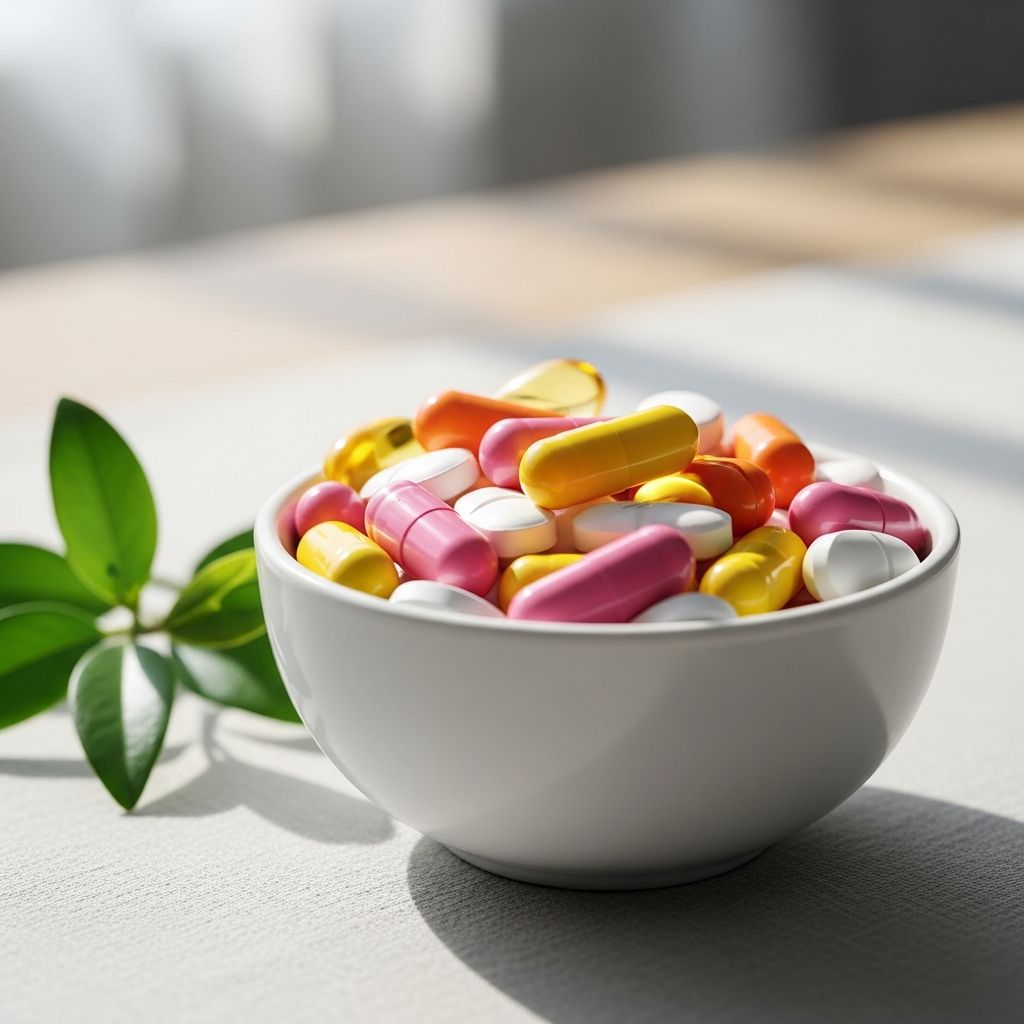
Prenatal vitamins, formulated to meet the intense nutritional demands of pregnancy, pack higher doses of key nutrients like folic acid, iron, and calcium compared to standard multivitamins. While designed for expectant mothers, many women wonder if these supplements can enhance health at other life stages. Research shows potential advantages for non-pregnant individuals, especially those with specific deficiencies or reproductive goals, but they’re not a one-size-fits-all solution.
Why Prenatal Formulas Stand Out Nutritionally
Standard multivitamins target general adult needs, but prenatals prioritize pregnancy-specific requirements. For instance, they often deliver 600-800 mcg of folic acid daily—double the 400 mcg in regular multis—to support rapid cell division and prevent birth defects if conception occurs unexpectedly. Iron levels hit 27 mg per serving, addressing the blood loss from menstruation that affects up to 10-20% of women with heavy flows.
Other standouts include 150 mcg iodine for thyroid function, DHA omega-3s for brain health, and choline for cellular support. These elevated profiles stem from guidelines by bodies like the American College of Obstetricians and Gynecologists (ACOG), which recommend them preconception to build nutrient stores.
Key Advantages for Everyday Women’s Health
Beyond baby-making, prenatals may fill common gaps in women’s diets. Here’s a breakdown of evidence-based perks:
- Boosted Energy and Reduced Fatigue: The 27 mg iron combats anemia from menstrual cycles, where women lose 30-80 mL blood monthly. Paired with B12, it enhances oxygen transport, with many reporting vitality gains in weeks.
- Stronger Hair, Skin, and Nails: Biotin, zinc, and folate fuel keratin production and collagen synthesis. Anecdotal and preliminary data link prenatals to thicker hair and glowing skin, thanks to these cell-repair nutrients.
- Hormone and Cycle Balance: Iodine supports thyroid hormones regulating ovulation and metabolism, while B vitamins aid estrogen processing. Women with irregular cycles or perimenopause symptoms may notice steadier moods and flows.
- Immune and Bone Support: Higher vitamin D and calcium (up to 1,000 mg) fortify bones, crucial for those with limited dairy intake. This duo also bolsters immunity via better cell function.
Prenatal vs. Standard Multivitamins: Side-by-Side
Not all supplements are equal. Use this table to compare typical daily values for non-pregnant women (based on U.S. RDA):
| Nutrient | Prenatal Average | Standard Multi | Non-Pregnant Benefit |
|---|---|---|---|
| Folate | 600-800 mcg | 400 mcg | Cell repair, energy metabolism |
| Iron | 27 mg | 8-18 mg | Anemia prevention, fatigue relief |
| Iodine | 150 mcg | Often absent | Thyroid health, hormone balance |
| Calcium + Vit D | 1,000 mg + 600 IU | 500 mg + 400 IU | Bone strength, immunity |
| DHA | 200 mg | Rarely included | Brain function, mood support |
This comparison highlights why prenatals edge out regulars for women facing higher demands, like athletes or vegans.
Ideal Scenarios for Non-Pregnant Use
Prenatals shine in targeted situations:
- Preconception Planning: Starting 1-3 months early builds folate reserves, slashing neural tube defect risks by 50-70% per CDC-backed studies.
- Heavy Periods or Anemia: If blood tests show low ferritin, the iron dose matches therapeutic levels without separate pills.
- Lactation Support: Nutrient needs remain elevated postpartum; continuing prenatals aids milk quality and maternal recovery.
- Restricted Diets: Vegans benefit from B12, iron, and DHA often lacking in plant-based eating.
- Beauty and Wellness Goals: For lustrous hair or sustained energy amid stress, the nutrient synergy outperforms basic multis.
Potential Downsides and Safety Considerations
They’re generally safe, but caveats apply. Excess iron can cause constipation or nausea, especially if stores are adequate—monitor via bloodwork. High vitamin A (retinol form) risks toxicity, though most prenatals use safer beta-carotene. Mayo Clinic advises against routine use without need, as a balanced diet suffices for most.
Interactions loom with conditions like hemochromatosis (iron overload) or thyroid issues. Always consult a doctor, particularly if on medications, to tailor intake. Over-supplementation won’t amplify benefits and may strain kidneys or liver long-term.
Alternatives Tailored to Non-Pregnant Needs
If prenatals feel overkill:
- Women’s Multis: Iron-boosted for menstruation without pregnancy extras.
- B-Complex: Folate and B vitamins for energy sans iron.
- Targeted Singles: Iron for anemia, DHA for mood, choline add-ons for brain health.
- Food-First Approach: Leafy greens for folate, shellfish for iodine, fatty fish for DHA.
Test nutrient levels first—personalized plans beat guesswork.
Frequently Asked Questions
Are prenatal vitamins safe if I’m not trying to conceive?
Yes, for most healthy adults, but confirm with a healthcare provider to rule out excesses like iron buildup. They’re nutrient-dense but not essential without deficiencies.
Will prenatals improve my hair and skin?
Possibly, via biotin, zinc, and folate supporting growth and repair. Results vary; combine with diet for best outcomes.
How long before pregnancy should I start?
At least one month, ideally three, to stockpile folate and iron for early embryonic needs.
Can men or non-menstruating people benefit?
Less so, unless deficient in iron or folate. Standard multis suit general use better.
What if my prenatal lacks DHA or choline?
Supplement separately after doctor approval—aim for 200 mg DHA and 450 mg choline daily from food or pills.
Expert Takeaways for Smart Supplementation
Prenatals offer a nutrient powerhouse for women with gaps in iron, folate, or reproductive health support. They’re not magic pills—prioritize whole foods, get tested, and seek professional guidance. When matched to needs, they can elevate energy, beauty, and readiness for life’s next chapter. Track how you feel after 4-6 weeks and adjust accordingly.
References
- Benefits of taking prenatal vitamins while not pregnant — Medical News Today. 2023-10-15. https://www.medicalnewstoday.com/articles/benefits-of-prenatal-vitamins-while-not-pregnant
- Benefits of Prenatal Vitamins While Not Pregnant — Pink Stork. 2024-05-20. https://pinkstork.com/blogs/blog/benefits-of-prenatal-vitamins-while-not-pregnant
- Benefits of Prenatal Vitamins While Not Pregnant — PreMom. 2024-02-10. https://premom.com/benefits-prenatal-vitamins-not-pregnant/
- Are There Benefits To Taking Prenatal Vitamins When Not Pregnant — Country Life Vitamins. 2023-11-08. https://countrylifevitamins.com/blogs/blog/benefits-prenatal-vitamins-not-pregnant
- Should You Take Prenatal Vitamins If You’re Not Pregnant? — Banner Health. 2024-01-22. https://www.bannerhealth.com/healthcareblog/advise-me/should-you-take-prenatal-vitamins-if-youre-not-pregnant
- Prenatal vitamins: OK for women who aren’t pregnant? — Mayo Clinic. 2023-06-12. https://www.mayoclinic.org/healthy-lifestyle/nutrition-and-healthy-eating/expert-answers/prenatal-vitamins/faq-20057922