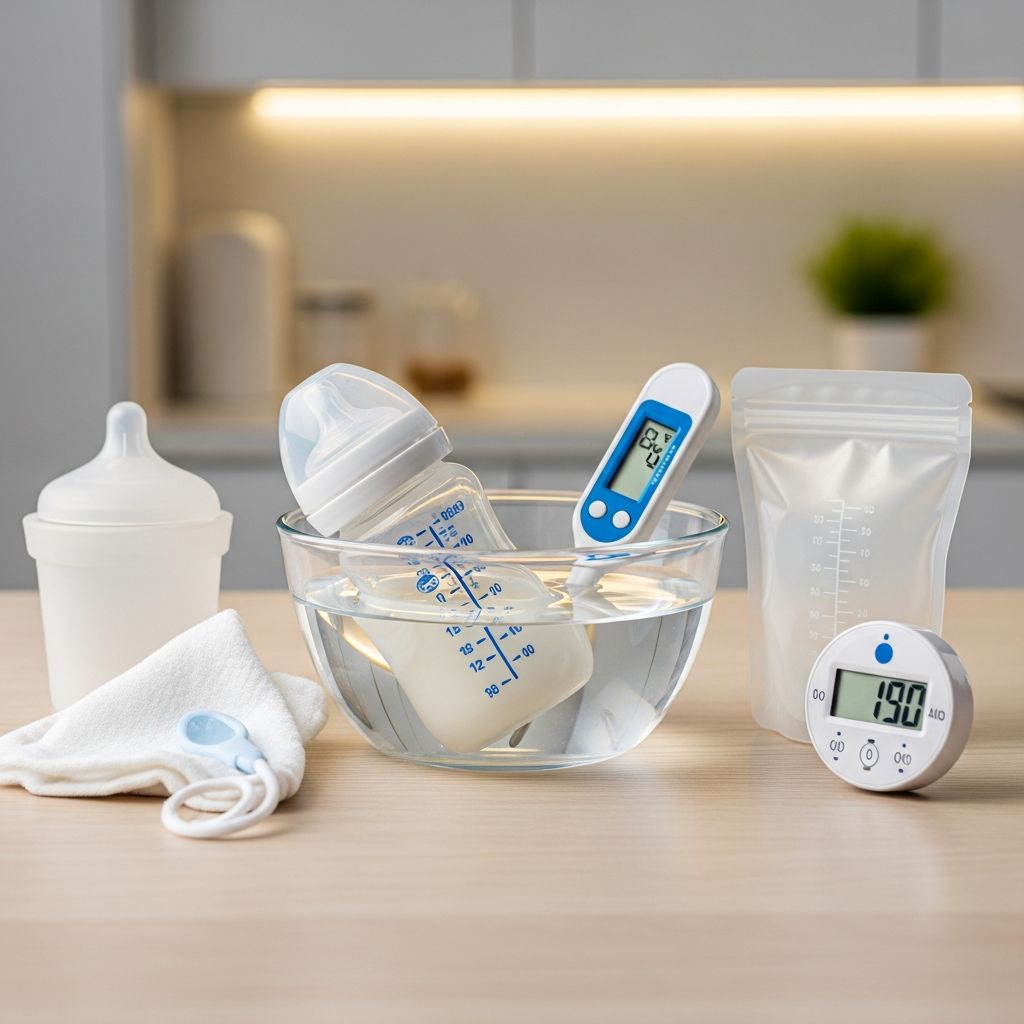
Breastfeeding offers unparalleled benefits for both mother and baby, providing ideal nutrition while fostering a deep emotional bond. This guide draws from authoritative health resources to equip new mothers with practical strategies for initiating and sustaining successful nursing. Whether you’re preparing for your baby’s arrival or navigating early challenges, these insights promote confidence and comfort throughout your journey.
Why Breastfeeding Matters: Health Advantages for Mom and Baby
Breast milk is uniquely tailored to an infant’s needs, containing antibodies that bolster immunity and reduce infection risks. For mothers, nursing aids postpartum recovery by helping the uterus contract and potentially lowering risks of certain cancers. Exclusive breastfeeding for the first six months supports optimal growth without additional foods or liquids.
- Infant benefits: Enhanced brain development, fewer digestive issues, and stronger protection against illnesses like ear infections and allergies.
- Maternal benefits: Faster weight loss post-delivery, emotional well-being through oxytocin release, and cost-effective nutrition.
- Long-term gains: Reduced obesity and diabetes risks for both.
Preparing Your Body Before Birth
Antenatal preparation sets the foundation for smooth breastfeeding. Starting at 37 weeks, practice hand-expressing colostrum—the nutrient-rich first milk—to familiarize yourself with the process and store it for immediate newborn feeding if needed. This technique can stimulate early milk production and ease the transition post-delivery.
To hand-express: Wash hands, position yourself comfortably, and gently massage breasts toward the nipple. Form a C-shape with thumb and fingers, press back toward ribs, then squeeze rhythmically without pulling the nipple. Collect droplets in a clean container; even small amounts suffice for a newborn.
Initiating Breastfeeding Right After Delivery
The golden hour post-birth is critical. Place your baby skin-to-skin immediately—bare chest to bare chest, covered with a blanket—to encourage instinctive rooting and latching. This contact regulates the baby’s temperature, heart rate, and breathing while triggering milk release hormones.
Allow your baby to self-attach: Face down on your chest, they may nuzzle, crawl, and latch within the first hour, even after a C-section. If uninterested initially, stroke their cheek against your breast to stimulate search reflexes. Aim for the first feed within 60 minutes to establish supply-demand dynamics.
Mastering the Latch: Key to Pain-Free Feeding
A deep, effective latch prevents soreness and ensures adequate milk transfer. Signs of a good latch include wide mouth coverage of the areola (more below the nipple), chin touching breast, relaxed hands, and rhythmic swallowing sounds.
- Position baby’s nose opposite your nipple.
- Wait for a wide gape (like yawning).
- Swiftly draw baby in chin-first for a large mouthful.
- Listen for ‘pah’ pauses indicating swallows; no clicking or smacking.
If latch issues persist, break suction by inserting a finger into the mouth corner and reposition. Persistent pain warrants lactation support.
Discovering Comfortable Nursing Positions
Experiment with holds to suit your body and baby’s age. Support reduces strain during frequent sessions—newborns feed 8-12 times daily.
| Position | Description | Best For |
|---|---|---|
| Laid-Back | Recline with pillows; baby prone on chest, self-leads to breast. | Early days, sleepy babies, gravity aid. |
| Cross-Cradle | Baby tummy-to-tummy on lap pillow; supporting hand at neck base. | Precise latch control, preterm infants. |
| Football/Clutch | Baby tucked under arm on side pillow, legs extended away. | C-section recovery, twins, large breasts. |
| Side-Lying | Both on sides, baby facing breast; pillow support behind. | Night feeds, restful positioning. |
Always align baby’s ear-shoulder-hip in a straight line; use pillows for elevation.
Recognizing and Responding to Hunger Signals
Feed on cue, not schedule, to build supply. Early signs: rooting (head turns, mouth opens to touch), hand-to-mouth sucking, lip smacking. Late cues like crying mean distress—calm first with skin-to-skin or cuddles.
Effective feeds end with contentment: baby releases independently, appears drowsy, hands open. Burp midway by holding upright or over shoulder, then offer second breast.
Managing Milk Supply and Engorgement
Colostrum transitions to mature milk around day 3-5; breasts may feel full or warm. Frequent nursing (every 1-3 hours) prevents engorgement. If breasts harden, apply warm compresses pre-feed, hand-express to soften areola, and nurse/pump post-feed. Cold packs soothe inflammation between sessions.
- Increase supply: Nurse/pump 8-12x/24hrs, ensure good latch, stay hydrated (extra 500ml fluids daily), eat nutrient-dense foods.
- Signs of adequacy: 6+ wet diapers/day by day 5, steady weight gain, contentment post-feed.
Overcoming Common Breastfeeding Hurdles
Sore nipples often stem from shallow latch—air-dry after feeds, apply lanolin cream. Clogged ducts? Massage during warm showers, vary positions. Mastitis requires prompt medical attention: fever, red hot spots signal infection.
Night feeds maintain supply; side-lying eases fatigue. Cluster feeding (frequent short sessions) is normal growth spurt behavior—endures 24-48 hours.
Nutrition and Self-Care for Nursing Moms
Breastfeeding burns 300-500 extra calories daily; prioritize balanced intake: oats, nuts, leafy greens for galactagogues. Drink to thirst, avoiding caffeine excess. Rest when baby rests; accept help for chores.
Exclusive breastfeeding delays menses, providing natural contraception (LAM method: 98% effective if periods absent, baby <6 months, fully breastfed).
Building a Support Network
Partner involvement—fetching water, burping—frees you to focus. Join groups or consult IBCLCs for personalized help. Hospitals often provide initial guidance; follow-up crucial.
Frequently Asked Questions (FAQs)
What if my baby won’t latch in the first hour?
Persist with skin-to-skin; hand-express colostrum onto nipple or finger-feed. Seek nurse/lactation aid promptly.
How often should I feed in the first week?
On demand, potentially hourly initially, tapering to 8-12 feeds/24hrs. Watch cues over clock.
Is it normal for breasts to leak?
Yes, let-down reflex causes this; use breast pads. Indicates supply response.
Can I drink alcohol while breastfeeding?
Wait 2-3 hours post-consumption per drink; pump/dump if concerned, but feeding safe after wait.
What if I’m returning to work?
Pump routinely to maintain supply; store milk properly (fridge 4 days, freezer 6 months).
References
- Breastfeeding Guide: How to Get Off to a Great Start — Brigham and Women’s Hospital. 2023. https://www.brighamandwomens.org/assets/bwh/obgyn/pdfs/breastfeeding-guide.pdf
- The Basics of Breastfeeding: A Guide for New Moms — Capital Area Pediatrics. 2024-05-15. https://www.capitalareapediatrics.com/blog/what-are-the-basics-of-breastfeeding-a-guide-for-parents
- Getting Started with Breastfeeding — Breastfeeding Network. 2023-08-10. https://www.breastfeedingnetwork.org.uk/breastfeeding-information/getting-started-with-breastfeeding/
- A Guide to Breastfeeding — WIC California. 2022. https://myfamily.wic.ca.gov/Content/Documents/NutritionHealth/Infants/Guide-to-Breastfeeding.pdf
- Breastfeeding 101: Tips for New Moms — Mayo Clinic Health System. 2024-03-20. https://www.mayoclinichealthsystem.org/hometown-health/speaking-of-health/breastfeeding-101-tips-for-new-moms
- Breastfeeding: How To Start, Concerns & Tips — Cleveland Clinic. 2025-01-12. https://my.clevelandclinic.org/health/articles/5182-breastfeeding