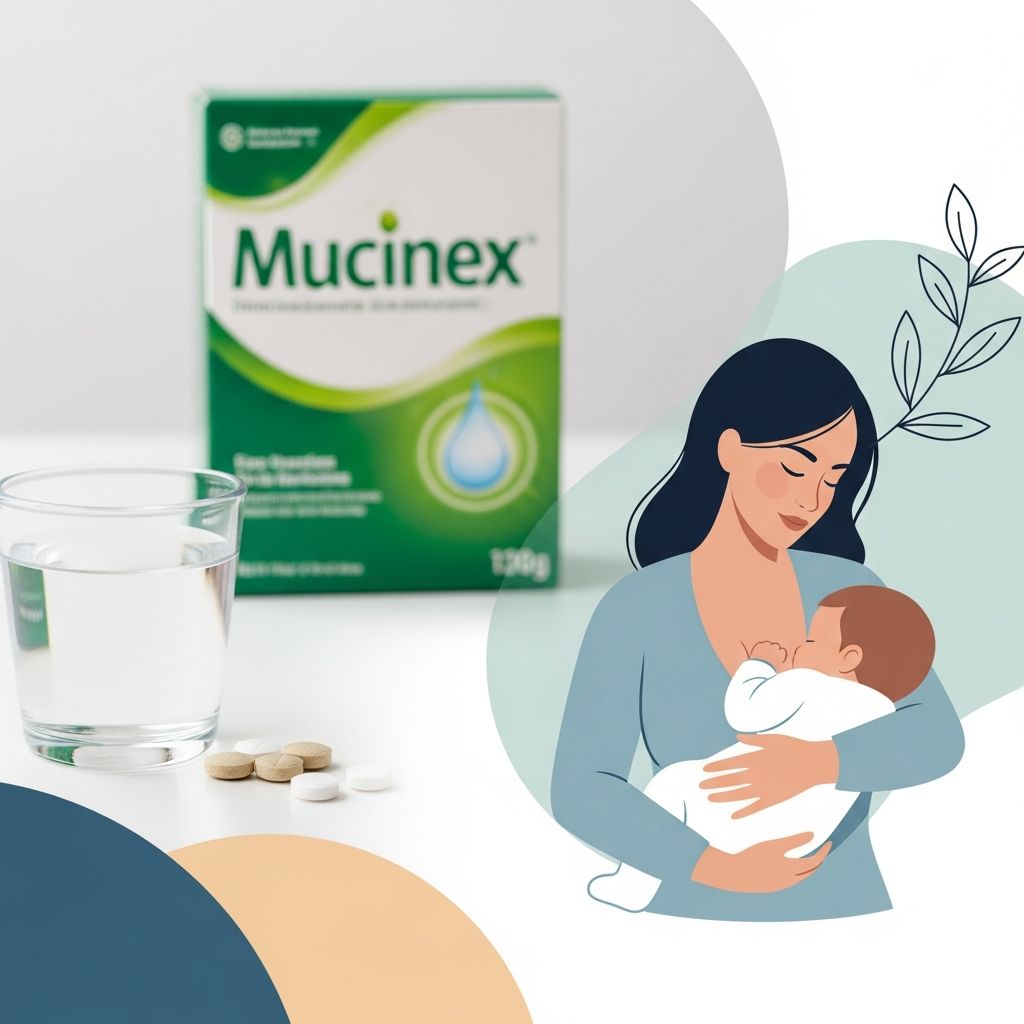
Understanding Mucinex Ingredients and Breastfeeding Safety
When nursing mothers develop respiratory symptoms like congestion or a persistent cough, managing discomfort while maintaining breastfeeding becomes a priority. Mucinex stands as one of the most commonly considered over-the-counter options, yet not all formulations carry the same safety profile for breastfeeding dyads. The key to making informed decisions lies in understanding which specific ingredients pass into breast milk and what effects they may produce in nursing infants.
The base ingredient in standard Mucinex formulations is guaifenesin, an expectorant designed to thin mucus secretions and promote productive coughing. Unlike some medications, guaifenesin exhibits minimal transfer into breast milk due to its chemical properties and the way the body processes and eliminates it. Multiple authoritative medical sources confirm that guaifenesin does not pose significant risks to nursing infants when mothers use standard formulations as directed.
The Core Active Ingredient: What You Should Know About Guaifenesin
Guaifenesin represents the primary active component in basic Mucinex products and serves as an expectorant rather than a decongestant. This distinction matters significantly for breastfeeding safety. The medication works by increasing fluid secretions in the respiratory tract, making it easier to cough up mucus and clear airways. Because it functions locally in the respiratory system and is rapidly processed by the body, very little active ingredient reaches breast milk.
Research and clinical experience suggest that guaifenesin demonstrates a favorable safety profile during lactation. The amount transferred to nursing infants, when it occurs at all, remains negligible compared to the maternal dose. Healthcare providers generally categorize guaifenesin as compatible with breastfeeding, particularly when used for short-term symptom management rather than extended periods.
However, it’s worth noting that some babies may experience mild digestive effects. Occasionally, nursing infants whose mothers take guaifenesin report gas, fussiness, or slight digestive upset. These reactions typically resolve quickly and do not indicate toxicity or serious concern. Monitoring your baby for behavioral or feeding changes provides an additional safety measure when taking any medication during lactation.
Combination Formulas: When Mucinex Becomes More Complex
The safety profile changes considerably when manufacturers add additional active ingredients to guaifenesin. Mucinex produces several combination products that target different symptom clusters, and nursing mothers must distinguish between them carefully.
Mucinex DM and Dextromethorphan
Mucinex DM combines guaifenesin with dextromethorphan (DM), a cough suppressant that works through central nervous system mechanisms rather than local respiratory effects. Unlike pseudoephedrine-based decongestants, dextromethorphan transfers into breast milk in very small quantities—typically less than 0.07% of the maternal dose. This low transfer rate means that standard doses of Mucinex DM remain relatively safe for most nursing dyads.
That said, high doses or prolonged use of dextromethorphan warrants caution. Some sensitive infants may experience mild alterations in alertness or behavior with consistent exposure to this cough suppressant. If your baby seems unusually sleepy, difficult to rouse for feedings, or demonstrates changes in activity level after you begin taking Mucinex DM, consult your pediatrician promptly. For most situations involving occasional use of standard-strength formulations, dextromethorphan poses minimal risk to healthy, full-term infants.
Mucinex D and Pseudoephedrine: The Decongestant Concern
Mucinex D pairs guaifenesin with pseudoephedrine, a nasal decongestant that operates through sympathomimetic mechanisms. This combination creates an important safety distinction from basic Mucinex or Mucinex DM products. Pseudoephedrine—also sold as the standalone product Sudafed—produces documented effects on milk supply in breastfeeding mothers.
Even a single dose of pseudoephedrine can measurably reduce milk production in susceptible nursing mothers. When mothers continue using pseudoephedrine-containing products over multiple days, the cumulative effect on milk supply may become substantial. This concern intensifies for mothers working to establish their milk supply in the early postpartum period or those already managing low production challenges.
Beyond milk supply effects, pseudoephedrine can transfer into breast milk and cause irritability or sleep disturbances in some infants. The stimulant properties of decongestants make them less than ideal for nursing dyads, particularly when safer alternatives exist for managing congestion.
Impact on Milk Production and Supply
One of the most significant concerns for nursing mothers taking any medication involves potential effects on milk volume and supply. Understanding which Mucinex formulations affect lactation helps mothers make protective decisions for their breastfeeding relationship.
The basic ingredient guaifenesin carries no known impact on milk supply. This expectorant does not interfere with hormonal mechanisms governing lactation or reduce the rate at which breasts produce milk. Mothers managing occasional respiratory symptoms with standard Mucinex need not worry about supply consequences from the primary active ingredient.
However, combination products containing decongestants—particularly pseudoephedrine and phenylephrine—directly interfere with milk production mechanisms. These sympathomimetic agents constrict blood vessels and reduce fluid secretions throughout the body, including mammary tissue. Even brief use can trigger measurable supply reduction. For mothers with established, robust milk supplies who take pseudoephedrine for one to two days only, the effect may prove temporary and reversible. For mothers in early postpartum stages or already experiencing supply challenges, even minimal exposure to decongestants represents unnecessary risk.
Effects on Nursing Infants: What Parents Should Monitor
When mothers take standard Mucinex formulations containing only guaifenesin, the direct risk to healthy, full-term infants remains low. The minimal amount of guaifenesin reaching breast milk, combined with its mechanism of action, suggests that typical doses pose no toxicity risk to nursing babies.
Premature infants, medically fragile babies, or newborns in the first weeks of life represent a different consideration. These vulnerable populations may process medications less efficiently due to immature liver and kidney function. Mothers nursing babies in higher-risk categories should consult pediatricians before taking any cold or cough medication.
Specific effects to monitor in any nursing infant whose mother takes Mucinex include:
- Unusual sleeping patterns—either excessive sleepiness or difficulty settling to sleep
- Changes in feeding behavior, appetite, or nursing frequency
- Digestive symptoms such as gas, bloating, fussiness, or increased spitting up
- Behavioral changes including irritability or unusual letharness
If mothers observe any of these changes after beginning Mucinex, they should contact their pediatrician for guidance. In most cases, these changes prove temporary and resolve once medication use stops. However, monitoring provides important reassurance and allows healthcare providers to rule out other causes.
Optimal Timing and Administration Strategies
For nursing mothers whose healthcare providers determine that Mucinex use is appropriate, several practical strategies minimize infant exposure to medication through breast milk.
Timing relative to nursing: Taking Mucinex immediately after nursing provides maximum time for the body to metabolize and eliminate the medication before the next feeding session. This timing strategy reduces the concentration of any active ingredient present in milk during subsequent feedings.
Formulation selection: Choosing regular-strength, single-ingredient Mucinex containing only guaifenesin keeps maternal medication burden minimal. The fewer active ingredients a mother introduces into her system, the lower the potential for indirect effects on milk or infant exposure.
Duration of use: Limiting Mucinex use to one to three days aligns with typical cold symptom timelines. Most respiratory infections produce maximum symptoms in the initial days, making extended medication use unnecessary. Restricting use to this short window minimizes cumulative effects on milk supply or infant exposure.
Formulation type: Standard immediate-release tablets or capsules clear the body more completely between doses compared to time-release or extended-release formulations. Extended-release products remain in the system longer, potentially increasing breast milk concentration during multiple feeding sessions.
Practical Considerations for Nursing Mothers With Illness
Managing illness while breastfeeding creates competing health priorities. Mothers need symptom relief to recover effectively, yet they also want to protect their nursing relationship and infant health. This practical tension is very real.
Before reaching for any medication, consider non-pharmacological approaches. Saline nasal drops or sprays effectively relieve congestion without any medication concerns. Humidified air, adequate hydration, rest, and honey (in infants over one year) can provide meaningful symptom relief. Many mild to moderate cold symptoms improve substantially without pharmaceutical intervention, particularly with supportive care measures.
When symptoms prove severe enough to warrant medication, consulting healthcare providers—whether physicians, pediatricians, or lactation specialists—provides personalized guidance specific to individual circumstances. Mothers need not suffer through serious illness in pursuit of medication-free breastfeeding. Rather, they deserve evidence-based recommendations allowing them to recover while continuing their nursing relationship safely.
Reading Labels and Identifying Safe Formulations
Pharmaceutical companies market numerous Mucinex variations, each with different ingredient combinations and target symptoms. Nursing mothers must develop label-reading skills to identify formulations compatible with breastfeeding.
Look for products labeled simply as “Mucinex” or “Guaifenesin” without additional descriptors like “D,” “DM,” “Fast-Max,” or “Complete.” These additional letters and words indicate combination products containing supplementary active ingredients beyond basic guaifenesin.
Examine the “Active Ingredients” section carefully. If the product lists only guaifenesin, it represents a safer choice for nursing mothers. If it includes pseudoephedrine, phenylephrine, dextromethorphan, diphenhydramine, or other ingredients, that product carries different considerations that require healthcare provider consultation before use.
Also check for alcohol content. Some liquid formulations contain significant alcohol percentages. While the amount transferred to breast milk through alcohol-containing medications proves minimal, nursing mothers may prefer alcohol-free options when available.
When to Consult Healthcare Providers
Several situations warrant professional medical guidance before using Mucinex during breastfeeding:
- If you’re nursing a newborn in the first six weeks of life
- If your baby was born prematurely or has medical complexity
- If you’re currently managing low milk supply or working to establish robust production
- If you’re considering Mucinex products beyond basic single-ingredient formulations
- If you’ve already taken a Mucinex product and now have concerns about your infant
- If your symptoms persist beyond three to five days despite supportive care
Lactation consultants, particularly those connected to specialized breastfeeding centers, can review your specific situation and recommend personalized strategies for managing illness while maintaining your nursing relationship.
Frequently Asked Questions About Mucinex and Breastfeeding
Q: Is regular Mucinex safe to take while breastfeeding?
A: Yes, standard Mucinex containing only guaifenesin is generally considered safe for breastfeeding mothers and their infants. The active ingredient transfers minimally into breast milk and poses no known harm to healthy, full-term babies when used for short periods.
Q: Can Mucinex reduce my milk supply?
A: Basic Mucinex with guaifenesin alone does not affect milk supply. However, Mucinex D and similar products containing pseudoephedrine or other decongestants can measurably reduce milk production, even with single doses.
Q: What should I do if I accidentally took Mucinex D while breastfeeding?
A: Do not panic. Stop taking the product and monitor your baby for any behavioral or feeding changes. Contact your pediatrician or lactation consultant for guidance specific to your situation. The amount transferred to breast milk through occasional use typically poses minimal actual risk.
Q: How long should I wait after taking Mucinex before nursing my baby?
A: While guaifenesin transfers minimally to breast milk regardless of timing, taking Mucinex immediately after nursing provides extra reassurance by allowing maximum time for metabolism before the next feeding.
Q: Can I take Mucinex while nursing a newborn?
A: Basic Mucinex containing only guaifenesin is likely safe for healthy, full-term newborns, but always consult your pediatrician before using any cold medication during the first six weeks postpartum, as newborns require special consideration.
Q: What’s the difference between Mucinex, Mucinex D, and Mucinex DM?
A: Standard Mucinex contains only guaifenesin (an expectorant). Mucinex D adds pseudoephedrine (a decongestant that may reduce milk supply). Mucinex DM adds dextromethorphan (a cough suppressant that transfers minimally to breast milk).
Q: Are there safer alternatives to Mucinex for managing cough symptoms while breastfeeding?
A: Yes. Saline nasal solutions, humidified air, adequate hydration, rest, and honey (for infants over one year) can provide meaningful symptom relief without medication concerns. Discuss additional options with your healthcare provider.
References
- Can You Take Mucinex While Breastfeeding? | What Nursing Moms Should Know — Pennsylvania Pediatric Society. 2024. https://pakpeds.com/breastfeeding-support/what-medicine-can-i-take-when-breastfeeding/can-you-take-mucinex-while-breasfeeding/
- What OTC Cold Medicines Are Safe When Breastfeeding? — Vanderbilt University Medical Center Poison Control. 2024-05-03. https://www.vumc.org/poison-control/node/923
- Guaifenesin — MotherToBaby. https://mothertobaby.org/fact-sheets/guaifenesin/
- What Medications Are Safe While Breastfeeding? — Cleveland Clinic. https://health.clevelandclinic.org/breastfeeding-safe-medications
- Cough & Cold Medications While Breastfeeding — InfantRisk Center. https://infantrisk.com/content/cough-cold-medications-while-breastfeeding
- Cough and Cold Remedies and Breastfeeding — The Breastfeeding Network. https://www.breastfeedingnetwork.org.uk/factsheet/cold-remedies/
- Guaifenesin – Drugs and Lactation Database (LactMed) — National Center for Biotechnology Information, U.S. National Library of Medicine. https://www.ncbi.nlm.nih.gov/books/NBK501455/