Endometriosis is a chronic condition where tissue resembling the uterine lining develops outside the uterus, often leading to significant pain and other disruptions, particularly in adolescents who begin experiencing symptoms around the onset of menstruation.
Recognizing the Hidden Pain: Key Indicators in Children
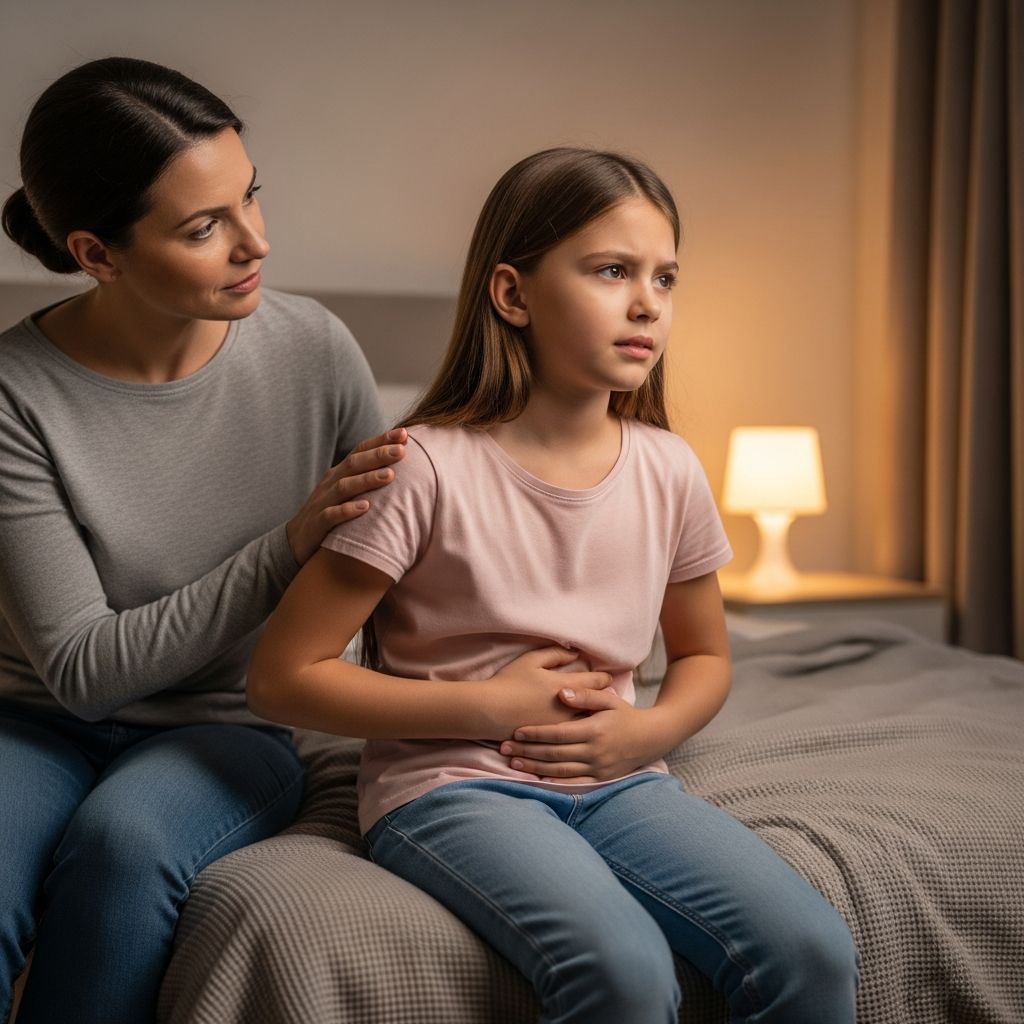
Parents often dismiss intense menstrual discomfort as a normal part of growing up, but endometriosis manifests through persistent and debilitating symptoms that interfere with daily life. The hallmark sign is severe pelvic pain during periods, described as far beyond typical cramps, which may radiate to the lower back or legs and persist even between cycles.
Young girls might report nausea, vomiting, or bowel issues like diarrhea, constipation, or painful defecation during menstruation. Urinary difficulties, heavy bleeding with large clots, and fatigue are also common, potentially causing missed school days and reduced participation in activities.
- Intense cramping that doesn’t ease with over-the-counter remedies and worsens over time.
- Chronic pelvic discomfort, not limited to menstrual weeks.
- Gastrointestinal disturbances synced with cycles, including bloating or blood in stool.
- Excessive menstrual flow requiring frequent changes or causing anemia.
These signs can start as early as age 8 or with the first period, affecting up to 38% of cases before age 15, yet diagnosis often lags by 4-10 years due to normalization of symptoms.
Unraveling the Mystery: What Triggers Endometriosis?
The precise origins of endometriosis remain elusive, but several theories explain its occurrence in youth. One leading idea involves retrograde menstruation, where menstrual blood flows backward through fallopian tubes, implanting endometrial-like cells on pelvic surfaces.
Genetic predisposition plays a role, as it runs in families, alongside hormonal influences like estrogen that fuel tissue growth. Embryonic cell transformation during puberty or peritoneal cell changes may also contribute, with early menstruation or short cycles heightening risk.
| Risk Factor | Description | Impact on Youth |
|---|---|---|
| Family History | Close relatives with condition | Increases likelihood significantly |
| Early Menarche | Periods starting before age 11 | Prolongs exposure to estrogen |
| Heavy Cycles | Long or profuse bleeding | Promotes retrograde flow |
| Reproductive Anomalies | Structural uterus issues | Facilitates tissue displacement |
Unlike adults, adolescent cases often present with clear lesions visible during surgery, differing from subtler adult forms.
Navigating Diagnosis: Overcoming Common Hurdles
Securing a diagnosis for endometriosis in children is challenging, with averages exceeding nine years from symptom onset. Teens endure repeated dismissals, attributing pain to ‘teen cramps,’ delaying intervention.
Initial steps involve a detailed history and pelvic exam, though discomfort may limit this in youth. Imaging like ultrasound detects cysts but misses superficial growths. Laparoscopy, a minimally invasive surgery, provides definitive visualization and biopsy, essential since up to 75% of chronic pelvic pain laparoscopies in adolescents reveal endometriosis.
Parents should track symptoms in a journal, noting pain intensity, cycle details, and impacts on school or sports to advocate effectively.
Tailored Treatment Approaches for Adolescents
Treatment prioritizes symptom relief and preserving fertility, customized to severity and age. Hormonal therapies suppress cycles, shrinking lesions: combined oral contraceptives, progestins, or GnRH agonists reduce estrogen-driven growth.
Pain management includes NSAIDs, though stronger options or neuromodulators may be needed. Multidisciplinary care—gynecologists, pain specialists, physical therapists—addresses holistic needs, with pelvic floor therapy easing muscle tension.
- Medical Options: Birth control pills for cycle regulation; IUDs for localized hormone delivery.
- Surgical Interventions: Laparoscopy to excise lesions, preventing progression.
- Lifestyle Supports: Heat therapy, exercise, diet rich in anti-inflammatories like omega-3s.
Early action mitigates risks like adhesions or endometriomas, crucial for future reproductive health.
Long-Term Outlook: Fertility and Beyond
Untreated endometriosis heightens infertility risks via scarring blocking tubes or ovaries, though adolescent intervention improves prognosis. Up to 30-50% of affected adults face conception challenges, underscoring timely care.
Chronic pain can erode mental health, leading to anxiety or depression; counseling supports emotional resilience. Most symptoms ease post-menopause with estrogen decline, but vigilant management sustains quality of life.
Empowering Parents: Steps to Support Your Child
Validate your child’s pain—don’t minimize it. Consult pediatric gynecologists experienced in adolescent endometriosis. Schools may offer accommodations like flexible attendance during cycles.
Build a support network via groups like Endometriosis Foundation, fostering community. Encourage open talks about symptoms to destigmatize menstrual health.
Frequently Asked Questions (FAQs)
Can young girls really have endometriosis?
Yes, symptoms can emerge as early as age 8, coinciding with menarche, affecting millions worldwide.
How do I know if it’s more than normal cramps?
If pain disrupts school, sleep, or activities and resists standard remedies, seek specialist evaluation.
Will endometriosis prevent my daughter from having children?
Not necessarily; early treatment significantly boosts fertility chances by preventing complications.
What lifestyle changes help manage symptoms?
Regular exercise, anti-inflammatory diets, stress reduction, and adequate sleep complement medical care.
Is surgery always required for diagnosis?
Laparoscopy is gold standard for confirmation, but trials of medication may precede it.
Building Resilience: Emotional and Daily Coping Strategies
Beyond physical relief, emotional support is vital. Teens with endometriosis often feel isolated; family education dispels myths. Mindfulness apps or yoga alleviate pain perception. Nutritionists recommend low-estrogen diets, avoiding processed foods.
Track progress with apps logging cycles and pain, empowering teens in doctor visits. Advocate for comprehensive school health programs addressing menstrual disorders.
Advances in Research and Future Hope
Ongoing studies explore non-hormonal therapies and biomarkers for earlier detection. Gene therapies targeting root causes hold promise, potentially revolutionizing care for young patients.
Parents play a pivotal role in pushing for research funding and awareness, ensuring the next generation faces shorter diagnostic odysseys.
References
- Endometriosis in Teens — Children’s Mercy. 2023. https://www.childrensmercy.org/departments-and-clinics/gynecology/endometriosis-in-teens/
- Endometriosis in Teens and Adolescents: More Than Just Cramps — Nationwide Children’s Hospital. 2018-03-01. https://www.nationwidechildrens.org/family-resources-education/700childrens/2018/03/endometriosis-in-teens-and-adolescents
- Endometriosis (for Teens) — Nemours KidsHealth. Accessed 2026. https://kidshealth.org/en/teens/endometriosis.html
- Adolescent Endometriosis — Children’s Health. Accessed 2026. https://www.childrens.com/specialties-services/conditions/endometriosis
- Endometriosis – Symptoms and Causes — Mayo Clinic. 2023-11-03. https://www.mayoclinic.org/diseases-conditions/endometriosis/symptoms-causes/syc-20354656
- Endometriosis: Causes, Symptoms, Diagnosis & Treatment — Cleveland Clinic. 2023-08-29. https://my.clevelandclinic.org/health/diseases/10857-endometriosis