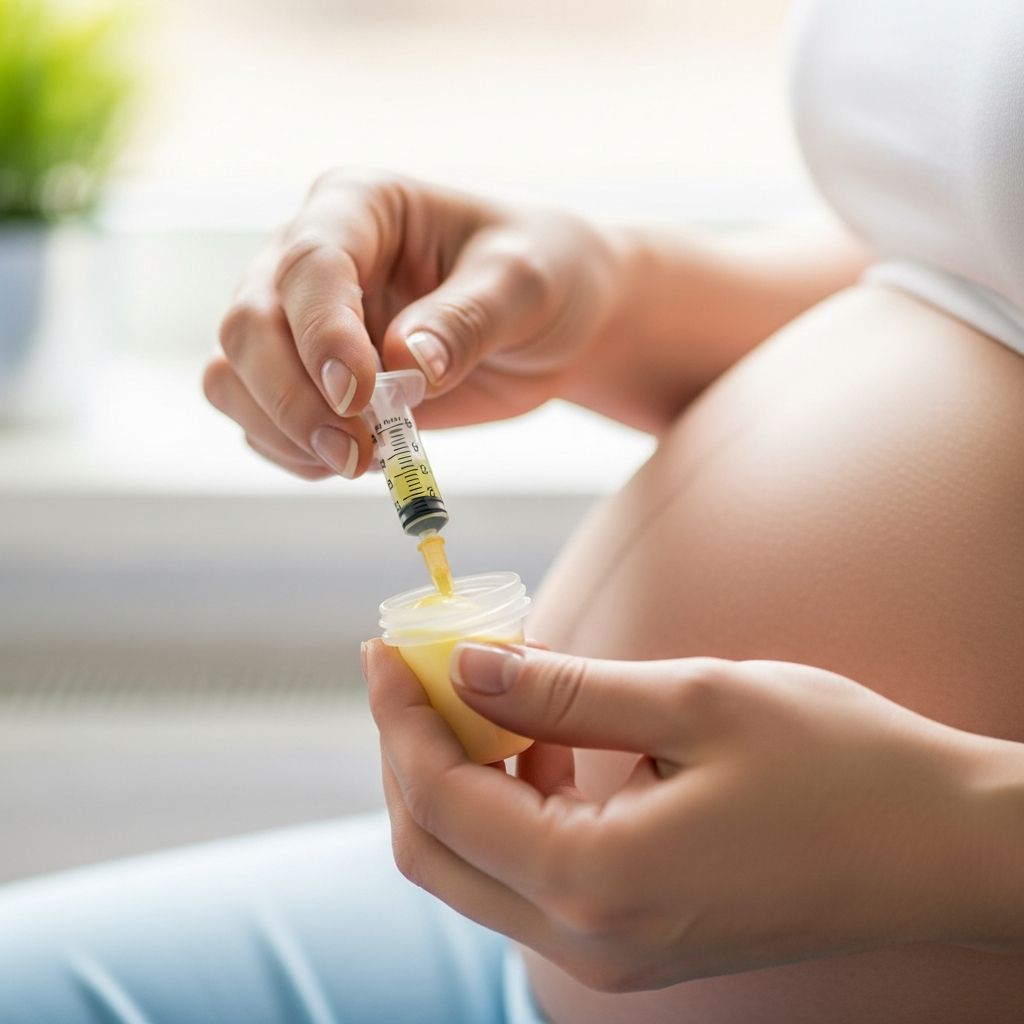
Teen pregnancy remains a significant challenge, but informed choices can dramatically reduce risks. Abstinence offers 100% protection, while consistent contraceptive use provides highly effective alternatives for those who are sexually active.
Understanding the Stakes: Why Prevention Matters
Unplanned pregnancies during adolescence can disrupt education, career goals, and overall well-being. According to health authorities, effective strategies focus on delaying sexual activity, promoting contraceptive use, and addressing social factors like early marriage. Teens who prioritize prevention maintain better opportunities for personal growth and stability.
Key risks include health complications for young mothers, interrupted schooling, and economic hardships. Prevention empowers teens to control their futures, fostering responsibility and health.
Abstinence: The Surefire Choice
**Abstinence** from sexual intercourse eliminates pregnancy risk entirely and safeguards against sexually transmitted infections (STIs). This approach aligns with values emphasizing self-control and focuses on emotional maturity before physical intimacy.
- Builds strong decision-making skills for lifelong benefits.
- Allows focus on studies, hobbies, and friendships without added pressures.
- Supported by programs teaching personal development and goal-setting.
School-based initiatives promoting abstinence have shown success in delaying sexual debut, leading to lower pregnancy rates. Parents play a crucial role by openly discussing values and expectations early.
Contraceptive Options: Reliable Protection for Active Teens
For sexually active teens, selecting the right birth control is vital. Combining methods, like hormonal options with condoms, maximizes effectiveness against pregnancy and STIs.
Hormonal Methods
These prevent ovulation and are over 90% effective with typical use.
| Method | Effectiveness | Pros | Cons |
|---|---|---|---|
| Pills | 91-99% | Regulates periods; easy to start/stop | Daily adherence required |
| Patch or Ring | 91-99% | Weekly/monthly application | Skin irritation possible |
| Injection (Depo-Provera) | 96% | Every 3 months; lighter periods | Potential weight gain |
| IUD (Hormonal or Copper) | 99+% | Long-lasting (3-12 years) | Requires insertion by doctor |
IUDs and implants are long-acting reversible contraceptives (LARCs), ideal for teens forgetting daily routines. The copper IUD suits those avoiding hormones.
Barrier Methods
**Condoms** are unique, blocking pregnancy (87% typical use) and STIs, including HIV. Proper use—checking expiration, correct fit, and every time—is essential.
- Spermicides and diaphragms add layers but are less reliable alone.
- Always pair barriers with hormones for dual protection.
Education Programs: Building Knowledge and Skills
Comprehensive sexual health education equips teens with facts on contraception, consent, and relationships. School and community programs reduce pregnancies by improving knowledge and attitudes.
- **Peer-Led Sessions:** Effective in boosting contraceptive use and delaying sex.
- **Skill-Building Workshops:** Teach negotiation and refusal skills.
- **Abstinence-Focused Classes:** Successfully lower rates without promoting activity.
Evidence shows teacher-delivered programs emphasizing delay and condoms yield positive outcomes. Community efforts like Teen Outreach Program combine service with education, cutting pregnancy risks.
Parental and Community Support: Key Pillars
Parents should initiate age-appropriate talks on sex, love, and consequences. Clear values and ongoing dialogue prevent risky behaviors.
- Discuss boundaries and family expectations firmly.
- Encourage doctor visits for confidential advice.
- Monitor media influences promoting unrealistic views.
Communities amplify impact through outreach, free clinics, and youth development[10]. Programs counter child marriage and provide accessible services, especially in underserved areas.
Navigating Challenges: Access and Consistent Use
Barriers like stigma or misinformation hinder prevention. Teens need confidential healthcare; pediatricians can prescribe methods and educate.
Counseling interventions improve uptake and adherence. Dual-method use (e.g., condom + pill) is recommended, as only 9% of active teens currently do so.
Success Stories: Proven Programs Worldwide
Initiatives like the National Campaign have slashed U.S. rates via advocacy and access. Holistic approaches addressing risky behaviors yield lasting results[10].
Frequently Asked Questions (FAQs)
Is abstinence really the best option for teens?
Yes, it guarantees no pregnancy or STI risk, allowing focus on personal goals.
What’s the most effective birth control for teens?
LARCs like IUDs and implants exceed 99% effectiveness and require minimal maintenance.
Do condoms protect against everything?
They reduce STI and pregnancy risks significantly but pair with other methods for best results.
How can parents talk to teens about sex?
Start early, be honest, share values, and listen without judgment.
Are education programs actually effective?
Yes, peer-led and skill-based ones reduce pregnancies and improve behaviors.
Steps to Take Today
Commit to informed choices: abstain if possible, use protection consistently, seek education, and involve trusted adults. Healthier futures start with proactive steps.
References
- Strategies for Prevention and Overall Well-Being — Office of Population Affairs, HHS. 2023. https://opa.hhs.gov/adolescent-health/adolescent-sexual-and-reproductive-health/strategies-prevention-and-overall-well
- Interventions to prevent unintended pregnancies among adolescents — PMC/NCBI. 2023-10-12. https://pmc.ncbi.nlm.nih.gov/articles/PMC10585784/
- The Role of Education in Preventing Teenage Pregnancy — HealthCore Clinic. 2023-05-11. https://healthcoreclinic.org/2023/05/11/the-role-of-education-in-preventing-teenage-pregnancy
- What Can We Do to Prevent Teenage Pregnancy? — Lone Star College. 2023. https://www.lonestar.edu/18156.htm
- Birth Control Options for Teens: AAP Policy Explained — American Academy of Pediatrics. 2023. https://www.healthychildren.org/English/ages-stages/teen/dating-sex/Pages/Birth-Control-for-Sexually-Active-Teens.aspx
- Family planning/contraception methods — World Health Organization. 2024-04-01. https://www.who.int/news-room/fact-sheets/detail/family-planning-contraception
- Pregnancy Prevention in Adolescents — American Academy of Family Physicians. 2004-10-15. https://www.aafp.org/pubs/afp/issues/2004/1015/p1517.html