Blisters are a common skin problem for teens, especially if you play sports, wear new shoes, or spend a lot of time being active. Understanding why they happen and how to care for them helps you heal faster and avoid infections.
What Exactly Is a Blister?
A blister is a small pocket of fluid that forms under the top layer of your skin after it has been irritated or damaged. The clear or slightly yellowish liquid inside is usually a type of body fluid that cushions and protects the injured area while it repairs itself.
Blisters commonly appear on the feet and hands because those areas deal with a lot of friction from walking, running, sports equipment, and everyday activities. They can feel sore, tender, or even burning, especially when you put pressure on them or keep irritating the same spot.
Different Types of Blisters You Might See
Not all blisters look or behave the same way. Knowing the differences can help you decide what kind of care you need and whether you should get medical help.
- Friction blisters: Caused by repeated rubbing, usually from shoes or sports gear.
- Burn blisters: Form after heat damage from hot objects, steam, or sunburn.
- Cold or frost blisters: Can appear after exposure to very cold temperatures.
- Allergy or reaction blisters: Happen when your skin reacts to a product, plant, or chemical.
- Infection-related blisters: Caused by certain germs, such as those that lead to cold sores or other skin infections.
Why Teens Get So Many Blisters
Blisters are especially common for teens because many everyday habits and activities create the perfect conditions for them. Recognizing these triggers can help you make simple changes to protect your skin.
- New or tight shoes: Rigid, stiff, or poorly fitting shoes rub against your feet as you walk or run.
- Sports and workouts: Long practices, sprints, and quick direction changes put extra pressure on your feet and hands.
- Sweaty skin: Moist skin is more likely to rub and break down, especially in socks and shoes.
- Tools and equipment: Using racquets, bats, oars, or weights without protective gloves can irritate your hands.
- Heat and sun: Hot surfaces, sunburn, or steam can damage the top layer of your skin and cause fluid-filled bubbles.
- Certain skin conditions or infections: Some illnesses or germs can cause clusters of blisters on the skin or lips.
Friction Blisters: The Classic Shoe Problem
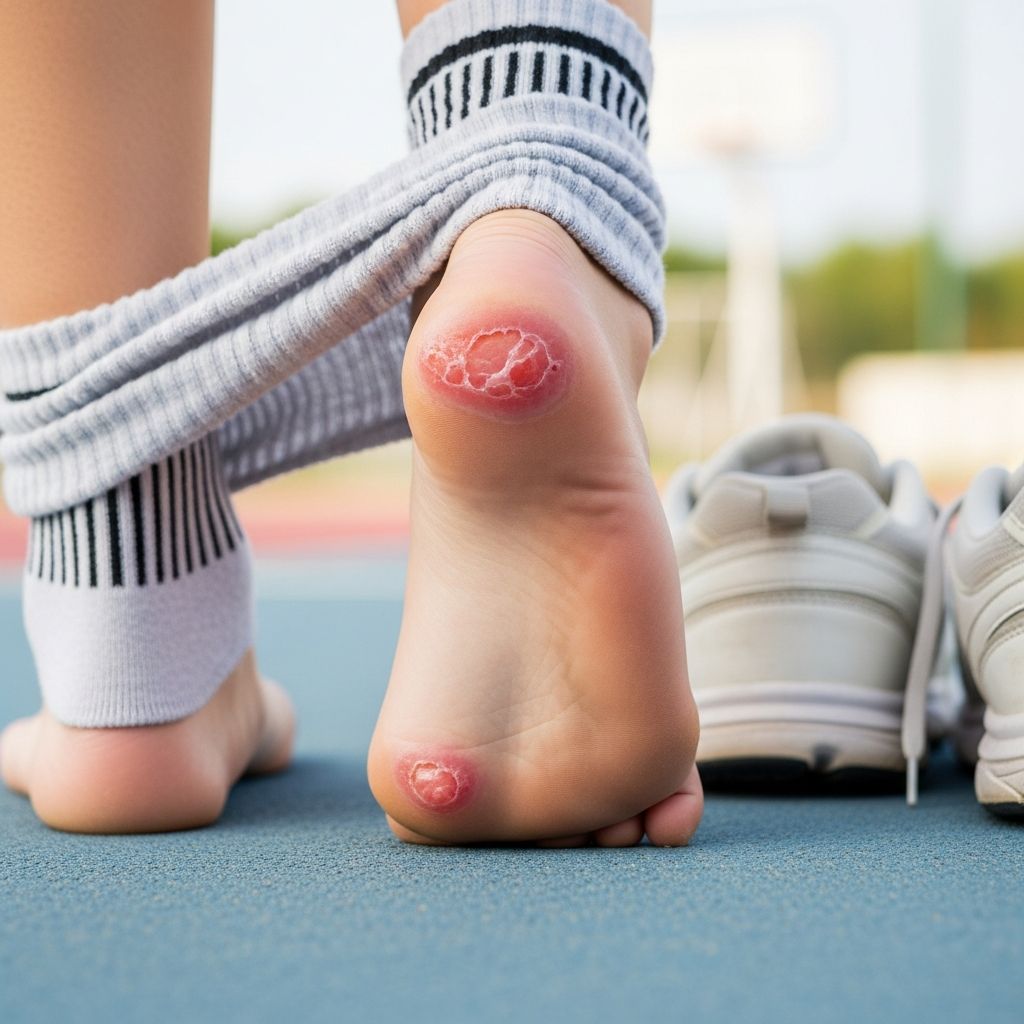
Friction blisters are the type most teens see on their heels, toes, and the sides of their feet after walking or running in shoes that rub. The repeated sliding of your skin against a shoe or sock irritates the outer layers of your skin, and fluid collects underneath as a protective cushion.
Early signs are redness, warmth, and tenderness before the actual bubble forms. If you catch it early, reducing friction and protecting the area may stop a full blister from developing.
Blisters from Burns and Heat
When your skin is exposed to a strong heat source, such as hot metal, boiling water, or intense sunlight, the upper layers of skin can get damaged. In many mild burns, your body responds by forming a blister over the burned area to protect the deeper tissue underneath.
These blisters may appear quickly after the burn or form over the next day. Burn blisters can be especially painful and fragile, so they need gentle care and often more caution than a friction blister.
Less Common Causes: Allergies and Infections
Sometimes blisters are a sign of something more than rubbing or heat. Contact with certain plants, chemicals in products, or metals in jewelry can trigger an allergic reaction, leaving your skin red, itchy, and blistered in the areas that touched the irritant.
Infections from bacteria, viruses, or other germs can also cause blisters, often along with other symptoms like fever, crusting, or spreading sores. These blisters should not be ignored, and a health professional is usually needed to figure out the cause and best treatment.
Blister Symptoms You Should Watch
Most blisters are easy to spot once the bubble appears, but paying attention to early warning signs helps you prevent larger, more painful ones. Common symptoms include tenderness, a burning feeling, redness, and swelling in a small area.
Once the blister forms, it typically looks like a round or oval bump filled with clear fluid. If the fluid turns cloudy, yellow-green, or the skin around it becomes very red or warm, that can signal an infection and should be checked by a medical professional.
Should You Pop a Blister?
Most of the time, it is safer to leave a blister intact because the overlying skin acts like a natural bandage and helps prevent germs from entering. When the skin stays unbroken, the risk of infection stays lower and healing is usually faster and less complicated.
There are some situations where a health professional may decide to drain a very large or painful blister in a clean, controlled way. Doing it yourself at home, especially without proper tools or knowledge, increases the chance of infection and may make the area more tender.
Safe Home Care for Simple Blisters
Most small friction blisters can be cared for at home with simple steps that focus on protection, cleanliness, and comfort. The main goals are to prevent the blister from tearing, avoid infection, and let the skin repair itself naturally.
- Gently wash the area with mild soap and water to remove sweat and dirt.
- Pat the skin dry with a clean towel rather than rubbing.
- Cover the blister with a soft bandage or blister-specific pad that cushions the spot.
- Avoid the activity or shoes that caused the blister until it feels better.
- Do not peel off the top layer of blister skin, even if it looks loose, unless a medical professional tells you to.
How to Protect a Broken Blister
Sometimes a blister breaks on its own during activity, even when you try to protect it. When that happens, the newly exposed skin underneath is delicate and sensitive, so keeping it clean and covered is very important.
- Carefully rinse the area with lukewarm water and gentle soap.
- Let any remaining clear fluid drain, but do not pull off the loose flap of skin unless it is dirty or heavily torn.
- Apply a thin layer of clean, over-the-counter antibiotic ointment if recommended by a health professional.
- Cover with a sterile, non-stick bandage and change it at least once a day or whenever it gets wet or dirty.
Warning Signs: When to See a Doctor
While many blisters are harmless, certain changes can signal a problem that needs medical attention. Paying attention to these signs protects your health and reduces the chance of serious complications.
| Warning sign | Why it matters |
|---|---|
| Increasing redness or warmth around the blister | Could indicate developing infection in the surrounding skin. |
| Yellow, green, or foul-smelling fluid | Suggests pus and a higher chance of bacterial infection. |
| Spreading streaks of redness | May mean the infection is moving beyond the blister area. |
| Fever or feeling very unwell | Shows your body is reacting to a more serious problem. |
| Blisters that keep coming back for no clear reason | Can be a sign of an underlying skin condition or illness. |
If you notice any of these warning signs, or if a blister is very large, extremely painful, on your face or genitals, or caused by a serious burn, contact a health professional as soon as possible.
Smart Prevention: How to Stop Blisters Before They Start
Preventing blisters is often easier than dealing with them once they are painful. Small changes to your shoes, socks, and habits can dramatically reduce how often you get them, especially on your feet and hands.
- Choose better shoes: Look for pairs that fit comfortably, with enough room for your toes and no hard seams rubbing your skin.
- Break in new footwear: Wear new shoes for short periods at first rather than jumping into a full day of walking or practice.
- Pick the right socks: Cushioned, moisture-wicking socks help reduce friction and keep your feet drier.
- Use protective padding: blister pads, moleskin, or gel cushions can shield areas you know are problem spots.
- Keep skin dry: Change out of sweaty socks or gloves when you can, and use foot powder if needed.
- Wear gloves or grips: Use protective gloves when rowing, lifting weights, gardening, or using tools.
Staying Active Without Ruining Your Skin
You do not have to give up sports or favorite activities just because you tend to get blisters. Planning ahead and listening to your body can help you stay in the game while keeping your skin intact.
- Check your feet and hands before and after practices to spot red or irritated areas early.
- Use padding on hot spots before long runs, hikes, or games instead of waiting for a blister to form.
- Rotate shoes if possible so that pressure points change between practices.
- Let your coach or athletic trainer know if blisters are a regular problem so they can suggest gear adjustments.
Myths and Facts About Blisters
There are many myths about how to treat blisters, and some of them can actually slow healing or increase your risk of infection. Knowing what is true and what is not helps you make better choices.
- Myth: You must pop every blister so it heals.
Fact: Leaving the skin intact usually protects the area better and reduces infection risk. - Myth: Blister fluid is always full of germs.
Fact: In a clean, simple blister, the fluid mainly cushions and protects; it is not automatically infected. - Myth: Rubbing alcohol directly on a blister is the best way to dry it out.
Fact: Harsh products can irritate the skin more and delay healing. - Myth: Only athletes get blisters.
Fact: Anyone can get them from everyday shoes, chores, or accidental burns.
How Long Do Blisters Take to Heal?
Healing time depends on how big the blister is, where it is located, and whether it stays protected. Many small friction blisters start to feel better within a few days, and the skin often looks much closer to normal after about one to two weeks.
Blisters from burns or certain infections may need more time and careful monitoring. Protecting the area, avoiding further rubbing, and following any advice from your health professional helps your skin repair itself as smoothly as possible.
Frequently Asked Questions About Blisters
Can a blister leave a scar?
Most small, simple blisters that heal without infection do not leave a noticeable scar. However, deeper burns or infected blisters can sometimes lead to changes in skin color or texture that may take longer to fade.
Is it okay to keep exercising with a blister?
Light activity may be fine if the blister is small, protected, and not very painful. If the blister hurts with each step or movement, or if the bandage keeps rubbing off, it is usually better to rest or modify the activity until it improves.
What should I do if my blister keeps coming back in the same place?
Repeated blisters in one spot usually mean ongoing friction or pressure from your shoes, socks, or equipment. Adjusting the fit, adding padding, or switching to different gear can help; if the problem continues, talk with a health professional for more specific advice.
Are there any creams that make blisters heal faster?
For many simple blisters, gentle cleansing and a protective bandage are enough. Some over-the-counter products that create a cushioned, moist environment under a dressing may improve comfort and support normal healing, but harsh or heavily scented creams can irritate sensitive skin.
Can blisters spread to other people?
Friction and burn blisters do not spread from person to person, because they are caused by physical irritation or damage. Blisters related to infections or certain viruses, however, may be contagious, so do not share towels, lip products, or personal items if you have this type of blister.
Key Takeaways for Teens
Blisters are a normal part of active life, but they do not have to slow you down if you understand how to prevent and care for them. Protecting your skin, choosing better gear, and paying attention to early signs go a long way toward keeping your feet and hands comfortable.
When a blister does appear, gentle cleaning, smart bandaging, and avoiding unnecessary popping usually provide the safest path to healing. If you ever feel unsure or notice signs of infection, contacting a trusted health professional is the best next step.