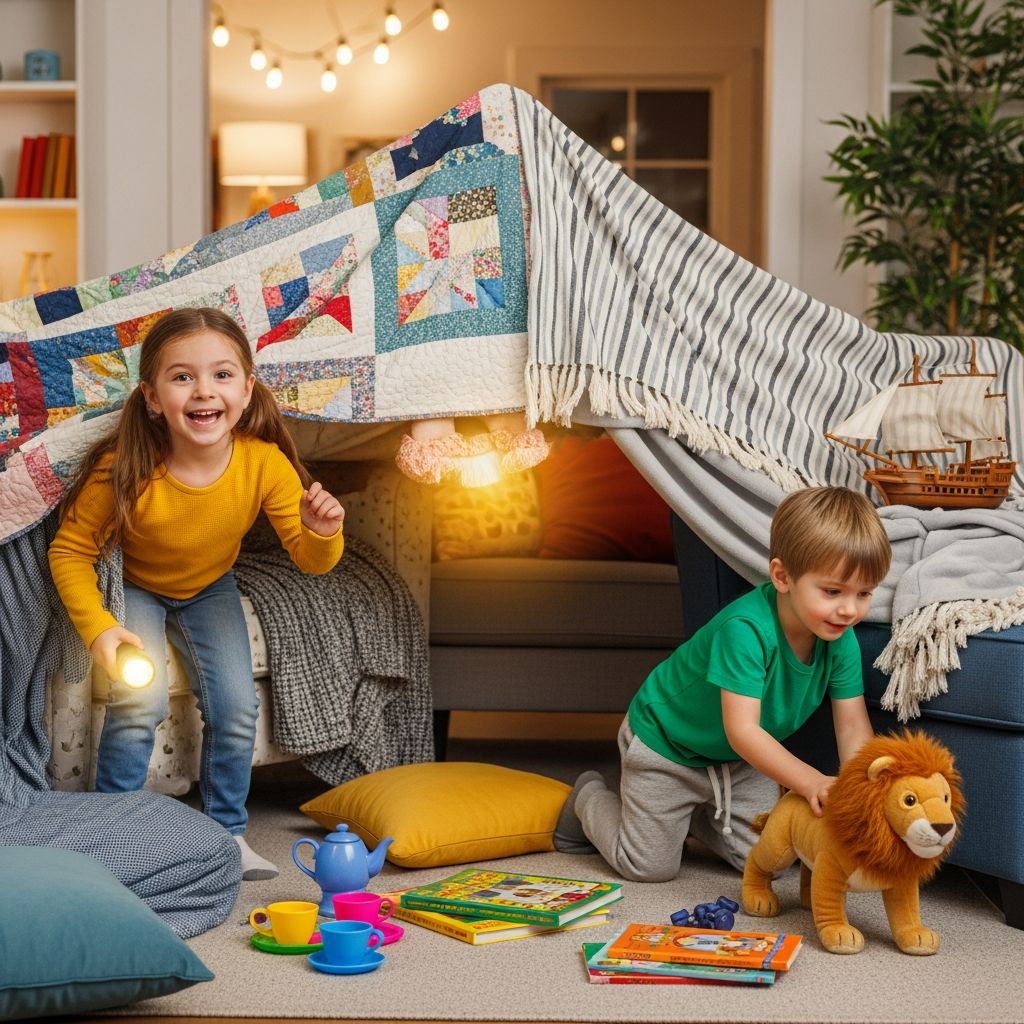
Every household has blankets, making them the ultimate versatile toy for children’s play. These soft, portable items can turn ordinary moments into extraordinary adventures, fostering physical development, sensory exploration, and imaginative thinking. Whether you’re dealing with restless toddlers or energetic school-age kids, blanket-based activities require minimal setup and cleanup while delivering maximum engagement. Parents and caregivers can join in, creating cherished bonding experiences that promote laughter, learning, and skill-building without screens or expensive gadgets.
Why Blankets Are Perfect for Child Development
Blankets engage multiple senses and movement patterns essential for growth. Rolling inside one provides **deep pressure input**, which occupational therapists recommend for calming the nervous system and improving body awareness, known as proprioception. Pulling or swinging on blankets builds upper body strength and coordination, while hiding games enhance object permanence understanding, a key cognitive milestone around 8-12 months. These activities also encourage language development through descriptive words like ‘up,’ ‘down,’ ‘fast,’ and ‘whoosh.’ Studies from child development experts highlight how such unstructured play supports gross motor skills like crawling, balancing, and jumping.
Indoor blanket play is ideal for bad weather or small spaces, burning energy while teaching turn-taking and cooperation. Safety is straightforward: use soft, clean blankets on flat surfaces, supervise closely, and avoid small objects that could pose choking hazards.
Energetic Movement Games to Burn Off Energy
Active games get kids moving, improving strength and balance. Start slow to match your child’s energy and build up for longer play sessions.
- Magic Carpet Voyage: Lay a large blanket flat. Have your child sit or lie down in the center. Gently pull the corners to glide them across smooth floors, narrating the journey with sounds like ‘zoom’ or ‘bump.’ Switch roles so kids pull toys or siblings, developing pulling strength and spatial awareness.
- Parachute Waves: Hold blanket edges with your child (or siblings). Lift high and low, creating waves. Add lightweight toys like balls or stuffed animals in the middle—shake to keep them afloat or let them ‘fall’ out. This cooperative game hones teamwork and timing.
- Blanket Swing Hammock: Needs two adults. Place child in the blanket’s center, lift corners to form a sling just off the ground, and gently rock side-to-side. Sing rhymes or count swings to integrate language. Builds trust and vestibular (balance) input.
Sensory Wrapping and Rolling Adventures
Sensory play calms and regulates emotions. These cozy activities mimic swaddling, providing comforting pressure.
- Cozy Burrito Roll: Spread blanket flat. Child lies near one edge (head out). Roll tightly like a burrito, adding pretend ‘toppings’ like scarves for fun. Let them wiggle free, timing for challenges. Excellent for core strength and self-regulation.
- Cocoon Transformation: Wrap child loosely, pretending they’re a caterpillar becoming a butterfly. Flap ‘wings’ to emerge. Encourages imaginative role-play and body control.
- Pillowed Burrito Nest: After rolling, stack pillows on top for extra weight. Press gently for deep pressure therapy, ideal for sensory-seeking kids.
Imaginative Hide-and-Seek Variations
Peekaboo evolves into complex pretend play, sparking creativity.
- Ghostly Chase: Drape blanket over your head as a ‘friendly ghost.’ Chase giggling kids, then ‘catch’ by billowing the blanket over them for hugs. Kids take turns being the ghost.
- Invisible Cloak Trick: Throw blanket over head to ‘disappear.’ Pop out with silly faces or dances. Discuss how it ‘sometimes works,’ teaching persistence.
- Object Surprise: Hide toys under the blanket. Lift corners for reveals, guessing what’s underneath. Builds anticipation and vocabulary.
Building and Balance Challenges
Constructing with blankets teaches engineering basics and spatial skills.
- Cozy Den Kingdom: Drape over chairs, tables, or couches. Crawl inside for storytelling or picnics. Vary sizes for solo or group play, fostering independence.
- Spiral Balance Walk: Step into blanket center, twist to spiral it around you. Walk the ‘beam’ edge for balance practice.
- Caterpillar Crawl: Kneel on blanket, grab corners, and crawl forward, bunching it like a caterpillar.
Age-Specific Adaptations
Tailor games to developmental stages for optimal engagement.
| Age Group | Recommended Games | Skills Targeted |
|---|---|---|
| 0-12 months | Peekaboo, Gentle Ride-Along, Simple Rolls | Object permanence, Sitting balance, Sensory calming |
| 1-3 years | Burrito Rolls, Parachute Waves, Small Dens | Gross motor strength, Cooperation, Imagination |
| 4-6 years | Ghost Chase, Magic Carpet Races, Large Forts | Teamwork, Endurance, Pretend play |
| 7+ years | Parachute Challenges, Caterpillar Races, Story Dens | Strategy, Leadership, Creative storytelling |
Safety Guidelines and Pro Tips
Always prioritize safety: Choose machine-washable, non-slip blankets. Avoid faces being covered fully to prevent overheating. Limit rolls to supervised short sessions. Pro tips: Theme games (e.g., ocean waves for parachute), incorporate music, or combine with toys for variety. These activities double as cleaning hacks—use for dusting floors during pulls.
Benefits Backed by Experts
Physical therapists endorse blanket play for vestibular and proprioceptive development, crucial for focus and emotional regulation. Pediatric resources note how such games enhance family connections and reduce screen time.
Frequently Asked Questions
What if my child is scared of being rolled up?
Start with toys or loose wraps, gradually involving them. Make it giggly with sounds and faces.
Can these work for kids with sensory needs?
Yes, adjustable pressure helps regulate; consult therapists for customizations.
How often should we play these games?
Daily 15-30 minute sessions, adapting to energy levels.
Are blankets better than other props?
Highly accessible, multifunctional, and safe for all ages.
These ideas prove that simplicity sparks the best play. Experiment, adapt, and watch your child’s joy unfold—one blanket at a time.
References
- Fun Blanket Games For Toddlers — Sherwood Community Services. Accessed 2026. https://www.sherwoodcs.org/post/fun-blanket-games-for-toddlers
- Ways to play with a blanket — MonkiBox. Accessed 2026. https://monkibox.com/blogs/community/ways-to-play-with-a-blanket
- Fun blanket games for kids | Learn skills for your brain and body — YouTube (Tackerz TV). Accessed 2026. https://www.youtube.com/watch?v=8gLOkOQQ5EU
- 4 Blanket Games To Play That Burn Off Energy & Encourage Gross Motor Skills — Hands On As We Grow. Accessed 2026. https://handsonaswegrow.com/4-gross-motor-blanket-games/
- Calming Sensory Blanket Activity — The OT Toolbox. Accessed 2026. https://www.theottoolbox.com/proprioception-and-vestibular-winter/