During the COVID-19 pandemic, physical distancing measures inadvertently severed one of the most cherished family ties: the bond between grandparents and grandchildren. This separation not only deprived children of vital emotional support but also plunged many older adults into profound loneliness and mental health challenges. Studies reveal that grandparents who ceased regular childcare roles reported significantly higher rates of depressive symptoms and diminished life satisfaction.
The Emotional Toll on Older Generations
Grandparents often serve as pillars of stability, offering wisdom, affection, and hands-on care that enrich family life. When lockdowns halted visits and childcare arrangements, the void was palpable. Research from University College London (UCL) analyzed data from 2,468 grandparents over 50 in England, finding that 10% completely stopped caring for grandchildren in the pandemic’s early months, while 22% reduced involvement. Those who stopped entirely were 34.3% more likely to exhibit high depressive symptoms by late 2020, compared to 26% of those who maintained contact.
This mental health decline persisted even after accounting for pre-existing conditions, socioeconomic factors, and loneliness. Lead researcher Dr. Giorgio Di Gessa noted that the inability to engage physically led to frustration and distress, stripping grandparents of a sense of purpose and emotional gratification derived from nurturing roles. Grandchild care fosters feelings of usefulness, strengthens intergenerational attachments, and buffers against isolation—benefits abruptly lost amid quarantines.
Children’s Hidden Grief and Trauma
Children, too, bore the brunt of these separations. The American Psychological Association (APA) describes a ‘hidden pandemic’ where over 1.5 million children lost primary caregivers, many enduring traumatic goodbyes like watching parents on ventilators or grandparents dying alone in hospitals. Julian Ford, PhD, from the University of Connecticut, labels this ‘complicated grief,’ exacerbated by isolation that severed support networks including extended family and teachers.
Broader estimates from NPR-cited research indicate nearly 8 million children under 18 lost a parent or primary caregiver by mid-2022, rising to 10.5 million when including secondary caregivers like grandparents. This orphaning crisis heightens risks of depression, anxiety, trauma, suicide, and exploitation. For surviving families, the absence of grandparents compounded stress, as kids missed out on the comforting presence of elders during a time of widespread fear.
Disrupted Family Roles and Daily Realities
Pre-pandemic, grandparents frequently stepped in as caregivers, especially for working parents. In the U.S. and U.K., millions provided regular childcare, blending love with practical help. COVID-19 upended this: schools closed, parents juggled remote work, yet health guidelines kept elders at bay. A Walden University dissertation on grandparenting experiences highlighted how quarantines worsened isolation for those already geographically distant, such as retirees in age-segregated communities.
Physical health risks were real—older adults faced higher mortality from the virus—but emotional costs mounted. Declines in physical activity, surges in anxiety, and fractured routines plagued seniors. Custodial grandparents, raising grandchildren full-time, grappled with job losses and compounded vulnerabilities, as noted in PubMed research. Families adapted unevenly: some thrived via video calls, others felt emotional disconnects without hugs or shared meals.
Quantifying the Separation’s Impact
| Group | Pre-Pandemic Engagement | Pandemic Change | Mental Health Outcome |
|---|---|---|---|
| Grandparents (England, n=2,468) | Regular childcare | 10% stopped, 22% reduced | 34.3% high depression (stopped) vs. 26% (continued) |
| Children Globally | Family support networks | 1.5M lost caregivers | Increased complicated grief, trauma |
| Children (Intl, to 2022) | Stable caregivers | 8M lost primary, 10.5M incl. secondary | Risk of mental health crises, abuse |
This table summarizes key statistics, underscoring the scale of disruption across demographics.
Geographic and Technological Barriers
Not all families lived nearby; many grandparents resided states or countries away, a trend amplified by post-retirement relocations. Video platforms like Zoom bridged some gaps, enabling virtual storytimes and games. Yet, 12.5% of grandparents in one study reported emotional voids without tactile affection, like cuddles or high-fives. Tech-savvy elders adapted, but others struggled with interfaces, widening divides.
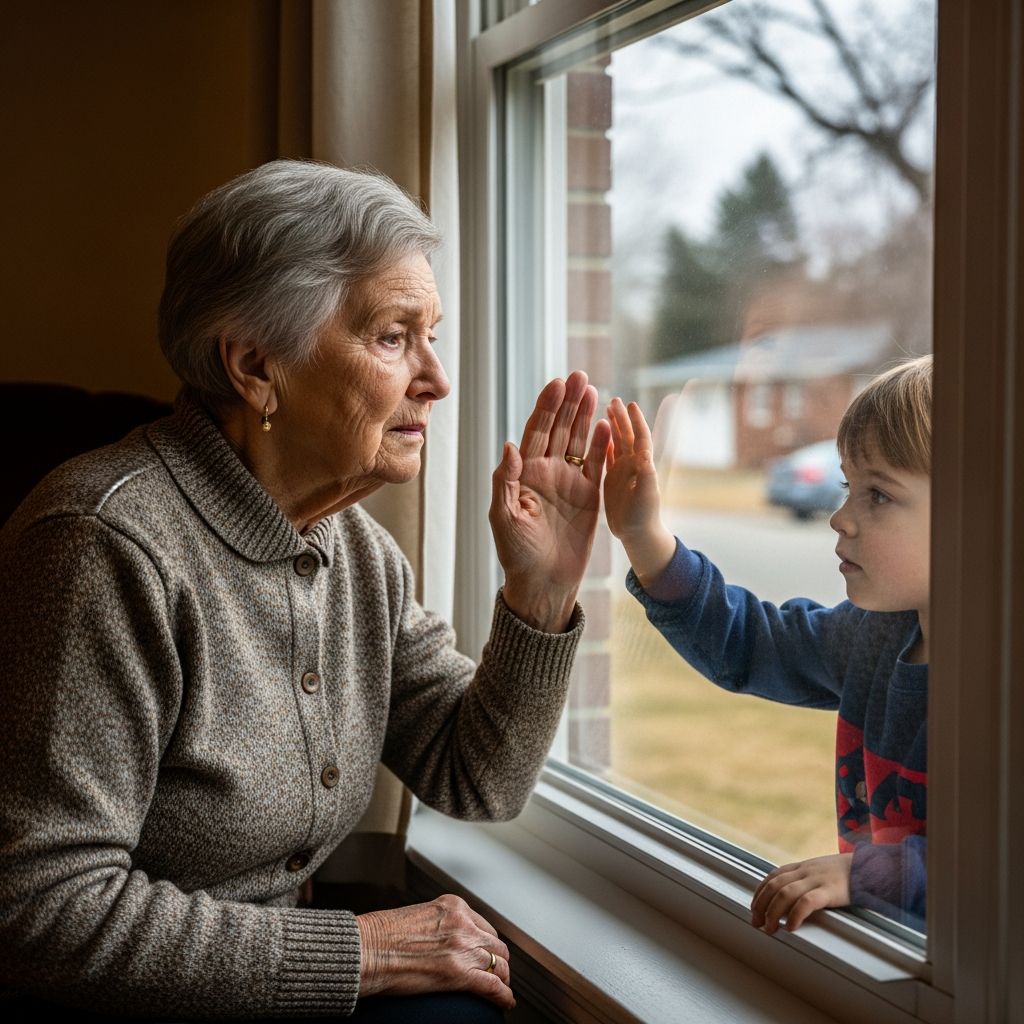
For distant families, the pandemic intensified pre-existing strains. Reduced family interactions led to developmental setbacks for children and unmet Erikson-stage needs for grandparents, potentially tipping toward despair over life reflection. Positive adaptations emerged: scheduled calls, care packages, and window visits became lifelines.
Long-Term Mental Health Consequences
The ripple effects endure. Grandparents who lost caregiving roles faced sustained lower life satisfaction and quality of life. Children navigating grief without communal mourning rituals risk prolonged trauma. Broader societal shifts, like increased remote work, offer opportunities for reconnection but demand intentional effort.
- Increased Loneliness: Older adults reported higher isolation, mirroring global trends in depression spikes.
- Family Strain: Parents shouldered more without grandparent backup, heightening burnout.
- Intergenerational Loss: Missed milestones like first steps or school events left lasting voids.
Strategies for Rebuilding Connections
As restrictions lifted, families prioritized safe reunions. Hybrid models emerged: outdoor playdates, masked visits, and vaccinated gatherings. Experts recommend:
- Regular virtual check-ins to sustain emotional ties.
- Shared activities like online gaming or mailed craft kits.
- Therapy for grief processing, especially ‘complicated’ cases.
- Community programs pairing seniors with families safely.
Governments and organizations can support via grandparent-friendly tech training and mental health resources tailored to pandemic losses.
Lessons for Future Crises
The pandemic exposed vulnerabilities in multigenerational support systems. Policymakers should integrate family roles into emergency planning, ensuring virtual alternatives and mental health safeguards. Families learned resilience: prioritizing bonds fosters healing.
Today, many grandparents resume roles with renewed appreciation, while children cherish delayed hugs. These experiences underscore family ties’ resilience amid adversity.
Frequently Asked Questions
Did the pandemic increase depression among grandparents?
Yes, those who stopped grandchild care saw 34.3% high depressive symptoms vs. 26% who continued, per UCL study.
How many children lost grandparents or caregivers to COVID-19?
Nearly 8 million lost primary caregivers; 10.5 million including secondary like grandparents.
What caused emotional disconnects for families?
Lack of physical affection and isolation led to marked emotional gaps, especially for distant relatives.
Can video calls fully replace in-person grandparenting?
They help but often fall short without touch; hybrid approaches work best.
What support exists for affected grandparents?
Seek therapy, community groups, and family reconnection plans; research urges targeted interventions.
References
- Grandparents who stopped caring for grandchildren during the pandemic had worse mental health — UCL News. 2022-10-04. https://www.ucl.ac.uk/news/2022/oct/grandparents-who-stopped-caring-grandchildren-during-pandemic-had-worse-mental-health
- A hidden pandemic of COVID-19 — American Psychological Association (APA). 2021-11. https://www.apa.org/monitor/2021/11/news-hidden-pandemic
- Experiences of Grandparenting During COVID-19 — Walden University ScholarWorks. 2023. https://scholarworks.waldenu.edu/cgi/viewcontent.cgi?article=19136&context=dissertations
- Nearly 8 million kids lost a parent or primary caregiver to the pandemic — Mental Health Media Project / NPR. 2022-09-06. https://mmhpi.org/topics/in-the-news/nearly-8-million-kids-lost-a-parent-or-primary-caregiver-to-the-pandemic/
- Intergenerational connections: Skipped generation family contact — Wiley Online Library. 2024. https://onlinelibrary.wiley.com/doi/10.1111/pere.12549