Why Toys Matter for 2-Year-Old Girls
At two years old, children are rapidly developing their physical, cognitive, and emotional skills. Toys play a crucial role in supporting this growth by providing opportunities for exploration, creativity, and learning through play. The right toys can help build fine and gross motor skills, encourage language development, and foster social-emotional growth.
Key Developmental Areas Supported by Toys
- Fine Motor Skills: Toys that require grasping, stacking, or manipulating small objects help strengthen hand muscles and coordination.
- Gross Motor Skills: Active toys like tunnels, balls, and ride-ons promote movement and physical development.
- Cognitive Skills: Puzzles, sorting games, and shape-matching toys stimulate problem-solving and critical thinking.
- Language and Social Skills: Pretend play sets, books, and interactive games encourage communication and social interaction.
Choosing the Right Toys: What to Look For
When selecting toys for a 2-year-old girl, consider safety, durability, and age-appropriateness. Opt for toys made from non-toxic materials with no small parts that could pose a choking hazard. Choose items that match your child’s interests and developmental stage, and look for toys that encourage open-ended play and creativity.
Top Toy Categories for 2-Year-Old Girls
Montessori-Inspired Toys
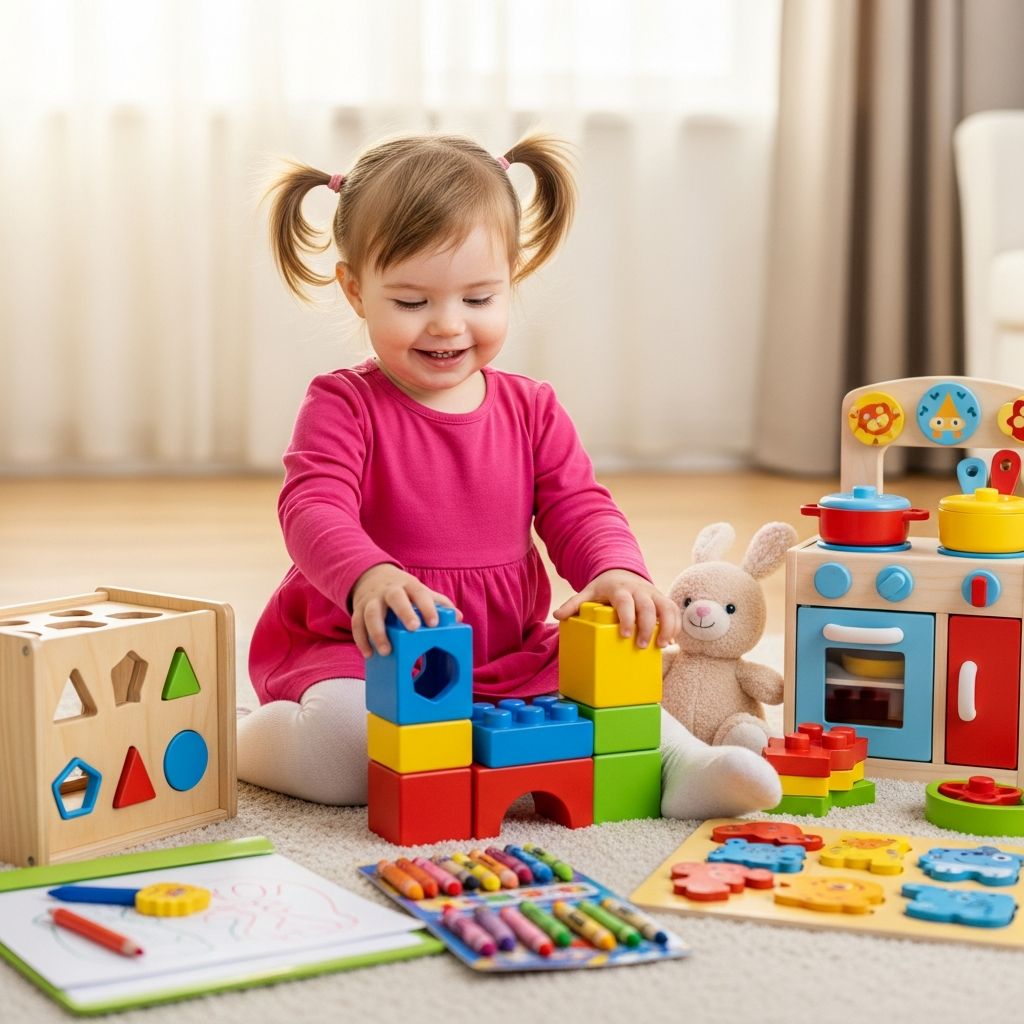
Montessori toys are designed to promote independent learning and skill development. Popular options include busy boards, shape sorters, and stacking sets. These toys help children practice fine motor skills, problem-solving, and hand-eye coordination.
- Busy boards with zippers, buttons, and latches
- Wooden shape sorters and puzzles
- Stacking rings and nesting cups
Sensory Play Toys
Sensory toys stimulate a child’s senses and encourage exploration. Sensory bins, textured balls, and play dough are excellent choices for tactile learning and imaginative play.
- Sensory bins filled with rice, beans, or water beads
- Textured balls and sensory blocks
- Play dough and modeling clay sets
Imaginative Play Sets
Imaginative play sets, such as play kitchens, dollhouses, and dress-up kits, allow children to explore roles, practice social skills, and use their creativity.
- Play kitchens with pretend food and utensils
- Dollhouses and animal figurines
- Dress-up clothes and accessories
Building and Construction Toys
Building toys like blocks, stacking spools, and magnetic tiles help develop spatial awareness, creativity, and problem-solving skills.
- Wooden blocks and stacking spools
- Magnetic tiles and building sets
- Counting caterpillars and peg boards
Books and Learning Toys
Books and learning toys support language development, early literacy, and cognitive skills. Look for sturdy board books, alphabet puzzles, and interactive learning sets.
- Board books with bright pictures and simple stories
- Alphabet and number puzzles
- Interactive learning toys with sounds and lights
Expert Tips for Maximizing Playtime
- Rotate toys regularly to keep playtime fresh and engaging.
- Join in play to model language and social skills.
- Choose toys that encourage open-ended play rather than passive entertainment.
- Ensure toys are stored safely and are easy for your child to access.
Toy Comparison Table
| Toy Type | Skills Developed | Example Toys |
|---|---|---|
| Montessori | Fine motor, problem-solving | Busy board, shape sorter |
| Sensory | Tactile, imaginative | Sensory bin, play dough |
| Imaginative | Social, language | Play kitchen, dollhouse |
| Building | Spatial, creativity | Wooden blocks, magnetic tiles |
| Learning | Language, cognitive | Board books, alphabet puzzle |
Frequently Asked Questions
What are the safest toys for 2-year-old girls?
Toys made from non-toxic materials, with no small parts or sharp edges, are safest for 2-year-olds. Always check for age recommendations and safety certifications.
How can I encourage my child to play independently?
Provide open-ended toys that allow for creative play, such as blocks, sensory bins, and pretend play sets. Rotate toys regularly to maintain interest.
Are Montessori toys worth the investment?
Montessori toys are designed to support developmental milestones and often last longer than other toys. They can be a valuable investment for long-term learning and skill-building.
How do I choose toys that match my child’s interests?
Observe your child’s preferences and introduce toys that align with their current interests, such as animals, vehicles, or pretend play. Let them explore and choose what they enjoy most.
Can toys help with language development?
Yes, books, interactive learning toys, and pretend play sets encourage language development by introducing new words and concepts through play.