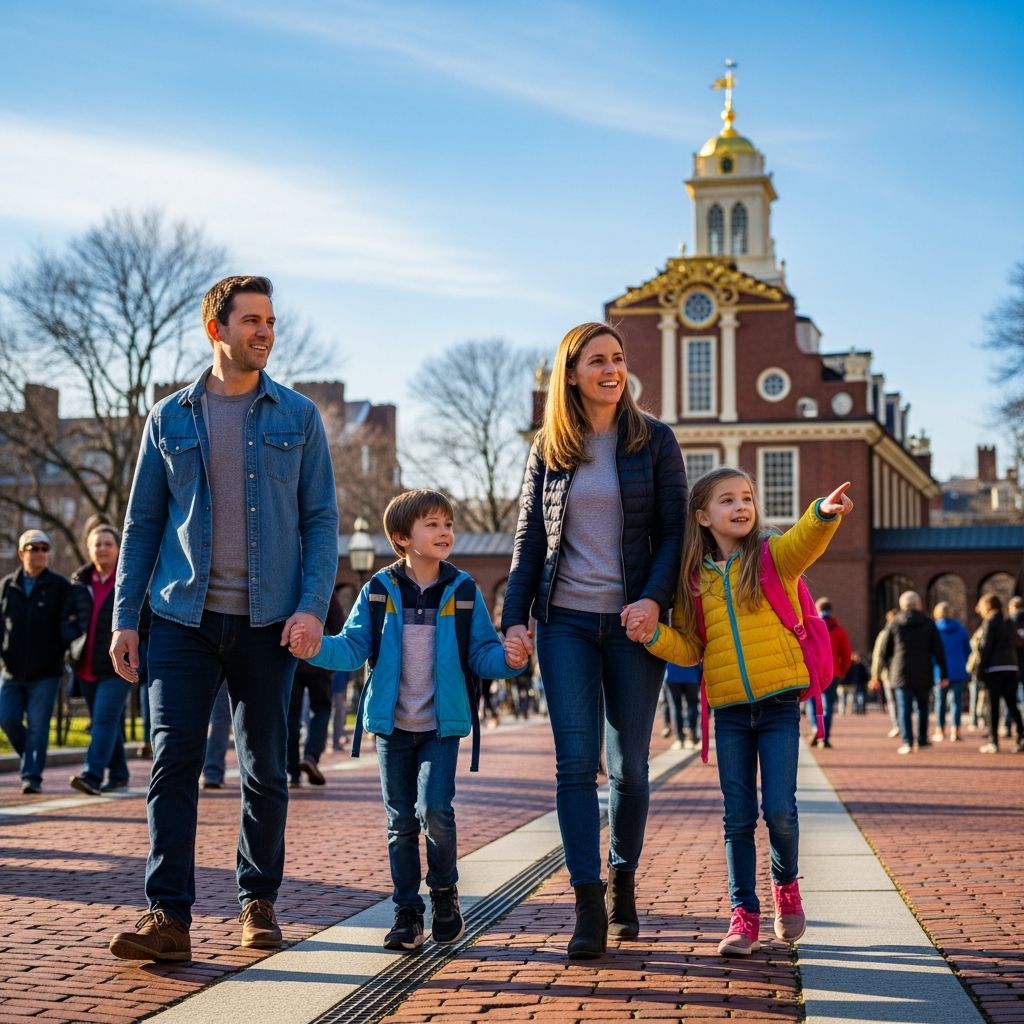
Boston is one of the best cities in the United States for families, blending walkable historic streets, waterfront parks, world-class museums, and easy access to beaches and forests. This guide gathers dozens of memorable experiences so you can build a Boston childhood full of discovery, play, and shared stories.
Use these ideas as a bucket list to explore over many weekends, school vacations, and lazy summer days. You do not need to do everything; pick what fits your kids’ ages, interests, and energy levels.
1. Classic Boston Moments Every Kid Should Experience
These are the big, iconic experiences that shape how many children remember Boston when they look back as adults.
- Cheer at a ball game – Even if your child is not sports-obsessed, the atmosphere of a professional baseball game is part of Boston’s cultural DNA. Major League Baseball games offer not just sports, but music, crowd traditions, and chances to learn basic scorekeeping and statistics, which can support kids’ numeracy and pattern recognition.
- Walk a piece of American history – Guided or self-guided walks along Boston’s historic landmarks help kids connect names from textbooks to real buildings and streets. Research on museum and heritage visits shows that such real-world encounters strengthen historical thinking and long-term memory in children.
- Ride a boat in Boston Harbor – Whether you choose a harbor cruise, a ferry, or a whale-watch trip, seeing the city from the water helps kids understand Boston’s maritime roots and geography.
- Stand under towering skyscrapers downtown – A simple stroll among glass-and-steel towers lets kids notice the contrast between historic brick buildings and modern architecture, prompting questions about how cities grow and change over time.
2. Hands-On Museums for Curious Kids
Boston is famous for its museums, many of which have extensive family programs and interactive exhibits designed specifically for children.
2.1 Play, Build, and Imagine
At dedicated children’s museums and family programs, learning looks and feels like play. Exhibits are designed to support exploration, problem-solving, and collaboration.
- Interactive children’s museum – Climbing structures, pretend play areas, water tables, and maker spaces invite kids to experiment physically and socially. Early childhood education research consistently shows that play-based environments promote language development, self-regulation, and spatial skills.
- Art-making at a major art museum – The Museum of Fine Arts Boston, for example, offers drop-in family art-making, gallery explorations, and story hours that help kids connect artwork to their own lives. Museum programs that mix hands-on creative activities with looking at art encourage flexible thinking and visual literacy.
- Contemporary art that sparks questions – Institutions focused on modern and contemporary art often feature bold installations, multimedia works, and unusual materials. These can be excellent conversation starters about emotions, technology, and how artists respond to current events.
2.2 Science and Nature Under One Roof
Science museums and aquariums transform big ideas into experiences kids can touch, see, and hear.
- Hands-on science museum – Live demonstrations, giant engineering exhibits, and interactive labs help kids explore physics, engineering, and biology through trial and error. The Boston Museum of Science, for example, offers show-style presentations and hands-on discovery areas that align with STEM education standards.
- Planetarium or space exhibit – Immersive dome shows and space galleries introduce astronomy in a way that feels like an adventure rather than a lecture, supporting curiosity about planets, stars, and space exploration.
- World-class aquarium visit – Watching sea turtles glide, penguins dive, and sharks circle towering tanks is unforgettable. The New England Aquarium highlights global marine conservation and showcases habitats from coral reefs to cold-water ecosystems, giving children a vivid sense of biodiversity and the importance of ocean stewardship.
| Museum Type | Best For | Skills Kids Practice |
|---|---|---|
| Children’s museum | Ages 0–10 | Social play, motor skills, creativity |
| Science museum | Ages 5–15 | Inquiry, experimentation, STEM concepts |
| Art museum | Ages 6–18 | Observation, empathy, visual literacy |
| Aquarium | All ages | Ecology, conservation, classification |
3. History Brought to Life
Boston is often called the “cradle of liberty” for its role in the American Revolution. You do not need a long lecture to help kids grasp this; instead, sprinkle short, high-impact experiences into your outings.
- Follow a historic walking route – Short sections of Boston’s famous historic trails, with stops at old meeting houses and state buildings, make abstract concepts like “colonies” and “revolution” more concrete.
- Step inside preserved homes – Visiting historic houses, such as the home of a Revolutionary War hero, helps kids imagine daily life in another era: cooking without electricity, traveling without cars, and learning without modern schools.
- Old ships and naval history – Climbing aboard a preserved warship and touring the accompanying museum introduces kids to maritime technology, life at sea, and early U.S. history. The USS Constitution, for example, is the world’s oldest commissioned warship still afloat and offers hands-on exhibits designed for families.
- Interactive reenactment-style attractions – Participatory exhibits that let kids toss “tea” into the harbor, join mock debates, or handle replica artifacts turn history into a story they remember rather than a list of dates.
4. Outdoor Adventures in the City
One of Boston’s greatest strengths is the amount of green and blue space woven into the urban fabric. Many parks are reachable on foot or via public transit, making them easy half-day outings.
4.1 Parks, Playgrounds, and Urban Nature
- Historic downtown parks – Central green spaces provide room to run, playgrounds, and seasonal splash pads or skating rinks. Spending time in urban parks has been linked with improved mental health and physical activity in children, particularly when parks offer varied play opportunities.
- Botanical-style public gardens – Ponds, ornamental plantings, and iconic statues make these gardens ideal for short strolls, picnics, and gentle boat rides. Many families make seasonal traditions like visiting for spring blossoms or autumn foliage.
- Riverfront paths and playgrounds – The Charles River Esplanade, for example, includes multiple playgrounds, bike paths, and views of rowing crews and sailboats. Waterfront trails give kids a safe place to scooter or bike while adults enjoy views of the skyline and neighboring Cambridge.
- Harborwalk and waterfront plazas – Boardwalk-style paths connect plazas, public art, and green spaces along the harbor. Kids can spot ferries, watch street performers in nice weather, and burn off energy between museum visits.
4.2 Beach and Harbor Fun
- City beaches and harbor islands – Sandy beaches within or near city limits offer classic summer fun: sandcastles, wading, and beach games. Harbor islands, accessible by seasonal boat service, feel like mini-adventures with trails, forts, and picnic spots.
- Castle-like fort parks – Some waterfront parks feature historic forts or batteries alongside playgrounds and walking paths, giving kids a blend of imagination play and local history.
- Sunset walks by the water – Evening strolls along the harbor or riverbank are low-effort, high-reward outings, especially for younger children who tire easily of structured activities.
5. Animal Encounters and Green Escapes
If your kids are animal lovers or need a break from city streets, Boston offers plenty of ways to get closer to wildlife and nature.
- Urban zoo adventures – The Franklin Park Zoo in Boston, for example, features animals from around the world and emphasizes conservation education, helping children understand endangered species and habitat protection.
- Suburban or coastal zoos and sanctuaries – A short drive can bring you to additional wildlife parks or bird sanctuaries, where kids can learn to use binoculars, spot migratory birds, and identify local plants.
- Arboreta and large park systems – Designed park systems and arboreta provide wide trails, specimen trees, and room for nature play. Access to green space has been associated with better physical activity levels and reduced stress in children, making it a valuable part of any family routine.
- Farm visits – Nearby working farms often offer pick-your-own fruit, barnyard animals, and hayrides. These experiences help urban and suburban children understand where food comes from and introduce basic agriculture and ecology concepts.
6. Arts, Culture, and Local Flavor
Kids do not need to be “into art” to enjoy Boston’s arts and culture scene. Many programs are built specifically for families and first-time visitors.
- Family concerts and performances – Symphonies, theater companies, and cultural organizations regularly offer child-friendly performances. The City of Boston’s cultural initiatives, such as free family days, help make these experiences more accessible to local students and their caregivers.
- Story hours in inspiring spaces – Public libraries and museums frequently host story times, often surrounded by art or historic architecture. Listening to stories in such settings strengthens children’s literacy while also exposing them to civic spaces and shared community resources.
- Street festivals and markets – Seasonal markets, neighborhood festivals, and open studios add music, food, and art booths to the streets. These are excellent places to introduce kids to local artisans, global cuisines, and community traditions.
- Neighborhood food adventures – Exploring areas known for particular cuisines (Italian, Asian, Caribbean, and more) lets kids try new flavors and see how culture and food work together. City-based food diversity can support openness and cultural understanding in children.
7. Easy Day Trips and Weekend Getaways
One of Boston’s greatest strengths for families is how quickly you can reach a totally different environment: sandy beaches, rocky coastline, mountain foothills, or classic New England towns.
- Coastal towns and beaches – Nearby seaside communities offer boardwalks, lighthouses, and tide pools where kids can search for crabs, shells, and seaweed. Tide-pooling has been shown to support observational skills and early ecological understanding.
- Historic villages – Short drives bring you to villages with preserved greens, old meeting houses, and small local museums. These make excellent low-pressure introductions to history for younger children.
- Forest hikes and state parks – Trails in Massachusetts state parks range from stroller-friendly loops to more challenging climbs for teens. Outdoor physical activity in natural settings is linked with better attention, mood, and physical health in children.
- Seasonal farm and orchard trips – Apple picking in fall, berry picking in early summer, or maple sugaring in late winter create strong family traditions. Many farms add mazes, play areas, and seasonal events like pumpkin patches or holiday light displays.
8. Practical Tips for Stress-Free Exploring
With kids, how you structure the day can matter as much as what you do. A few simple strategies can turn almost any Boston outing into a success.
- Plan one “anchor” activity per outing – Choose a single main attraction (museum, zoo, boat ride) and then add flexible extras like playground stops or ice cream. This prevents over-scheduling and leaves room for kids’ discoveries.
- Mix active and quiet stops – Alternate high-energy activities (playgrounds, climbing exhibits) with calm ones (bookstores, gardens) to help kids regulate their energy and avoid meltdowns.
- Use public transit as part of the fun – Riding the subway, commuter rail, or ferries can be an adventure in itself. Transit systems provide real-world lessons in maps, navigation, and city design.
- Pack simple “reset” tools – Snacks, a small notebook and crayons, and a light layer for changing weather can rescue an outing. Many Boston-area museums and attractions offer family rest areas, nursing rooms, and lockers—check their websites in advance.
- Take advantage of free and reduced-cost programs – City initiatives like Boston Family Days provide free monthly access for Boston students and their families to leading museums and cultural venues, easing cost barriers and enabling repeat visits that deepen learning.
Frequently Asked Questions (FAQs)
Q: What are the best first-time activities in Boston with younger kids (under 8)?
A: For younger children, start with an interactive children’s museum, a visit to the aquarium, a playground in one of the central parks, and a short harbor or river walk. These combine movement, animals, and hands-on play—key ingredients for early childhood engagement.
Q: Is Boston walkable with kids, or should we rent a car?
A: Many of the main attractions—museums, historic sites, central parks, and the waterfront—are reachable on foot or via public transit. Families often find they can avoid renting a car for city-only trips and use a car or commuter rail only for farther day trips.
Q: How many activities should we plan for one day?
A: For most families, one major attraction plus one or two simple add-ons (like a playground and a short walk) is ideal. Overloading the schedule can lead to stress and cranky kids, especially with younger children or during hot or very cold weather.
Q: Are Boston’s museums and cultural sites affordable for local families?
A: Costs vary, but many institutions offer free or reduced admission days, library passes, and city-supported programs. Boston Family Days, for instance, provides free access for Boston students (K–12 and Pre-K) and two guests on designated Sundays at numerous museums and cultural venues.
Q: What is a good season to visit Boston with kids?
A: Spring and fall offer comfortable temperatures for walking and outdoor play, plus seasonal events and foliage. Summer adds beaches, splash parks, and evening festivals, while winter brings skating rinks, indoor museum days, and holiday lights. Each season offers distinct family-friendly activities.
References
- 42 Unmissable Things To Do in Boston with Kids — Bridges & Balloons. 2024-06-10. https://bridgesandballoons.com/things-to-do-in-boston-with-kids/
- Boston Family Days — City of Boston, Arts and Culture Department. 2024-02-01. https://www.boston.gov/departments/arts-and-culture/boston-family-days
- Boston | Mommy Poppins – Things to Do with Kids — Mommy Poppins. 2025-01-01. https://mommypoppins.com/boston
- The 10 Best Things to Do in Boston with Kids (2025) — Tripadvisor. 2025-01-05. https://www.tripadvisor.com/Attractions-g60745-Activities-zft11306-Boston_Massachusetts.html
- Community Kangaroo | Find Things to Do With Kids | Boston Area — Community Kangaroo. 2024-09-01. https://communitykangaroo.com
- Boston Children’s Museum — Boston Children’s Museum. 2024-05-15. https://bostonchildrensmuseum.org
- Kids and Family Programs — Museum of Fine Arts, Boston. 2024-03-20. https://www.mfa.org/programs/kids-and-family-programs