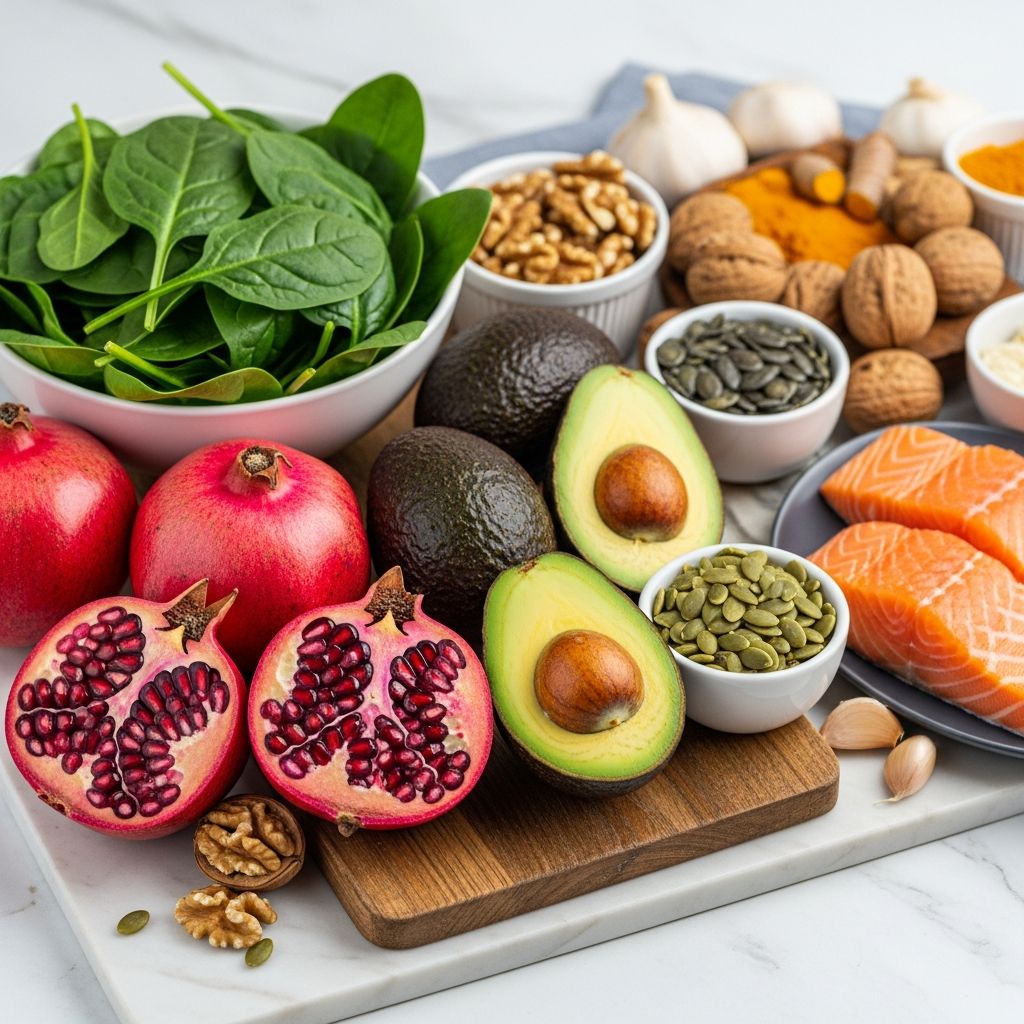
Male fertility hinges on sperm count, motility, and morphology, all of which can be influenced by diet. Nutrient-dense foods supply essential vitamins, minerals, and antioxidants that protect sperm from damage and promote production. Research from fertility clinics and studies highlights specific items that improve these parameters, offering a natural path to better reproductive health.
Essential Nutrients for Optimal Sperm Production
Sperm health relies on key nutrients like **zinc**, **omega-3 fatty acids**, **folate**, **vitamin C**, and **selenium**. Zinc supports testosterone and semen volume; omega-3s enhance membrane fluidity for better motility; folate aids DNA synthesis; vitamin C combats oxidative stress; and selenium protects sperm tails. Deficiencies in these can lower count and quality, but targeted food intake addresses this effectively.
- Zinc: Critical for sperm formation, found in shellfish and seeds.
- Omega-3s: Improve motility, sourced from fish and nuts.
- Folate: Prevents chromosomal abnormalities in sperm.
- Antioxidants: Shield against free radicals that impair fertility.
Top Seafood Choices for Zinc and Omega-3 Boost
Seafood stands out for its high zinc and omega-3 content, directly linked to higher sperm counts and motility. Oysters top the list with exceptional zinc levels, stimulating semen production. Fatty fish like salmon, mackerel, sardines, and tuna provide omega-3s that enhance sperm cell structure and movement.
Incorporate these twice weekly: grill salmon with herbs or eat oysters raw. Studies show men consuming omega-3-rich fish see motility improvements within months.
| Seafood | Key Nutrient | Benefit |
|---|---|---|
| Oysters | Zinc | Increases semen volume and motility |
| Salmon | Omega-3s | Boosts sperm fluidity |
| Sardines | Selenium | Supports sperm development |
Nuts and Seeds: Powerhouses of Healthy Fats
Walnuts, pumpkin seeds, and chia seeds deliver omega-3s, zinc, and antioxidants. A study found men eating 42g of walnuts daily for three months had higher sperm concentration and vitality. Pumpkin seeds’ zinc aids testosterone, while chia offers plant-based omega-3s for vegans.
Snack on a handful daily or add to salads. These improve morphology and protect against oxidative damage.
- Walnuts: Enhance motility and shape.
- Pumpkin seeds: Testosterone support.
- Chia/flax: Vegetarian omega-3 alternative.
Leafy Greens and Vegetables for Folate Protection
Spinach, kale, and broccoli are folate-rich, essential for DNA integrity in sperm. Low folate correlates with poor concentration; higher intake via greens raises it. These also provide vitamin C and K, reducing DNA fragmentation.
Aim for daily servings in smoothies or sautés. Research links leafy greens to better motility in clinic patients. Tomatoes add lycopene, an antioxidant improving quality.
Fruits Packed with Antioxidants and Vitamins
Bananas offer bromelain, vitamins A/B6/C, and potassium for testosterone and motility. Citrus, strawberries, and amla (Indian gooseberry) supply vitamin C, protecting sperm and boosting count. Pomegranates and berries combat oxidative stress.
Daily fruit intake correlates with higher concentrations. Blend bananas with berries for a fertility smoothie.
Proteins from Meat and Eggs for Hormone Balance
Lean beef, lamb, and eggs provide zinc, protein, and CoQ10 for energy and motility. Eggs also offer selenium. Moderate red meat supports without excess fat risks.
CoQ10 in meats enhances concentration, per fertility research.
Garlic and Exotic Additions for Extra Edge
Garlic’s allicin boosts blood flow to genitals and shields sperm. Maca root, from Peru, increased count and motility in trials. Fenugreek may regulate hormones.
Use garlic in meals; consult doctors for supplements.
Lifestyle Synergies: Beyond Just Food
Diet pairs with exercise, weight loss, and avoiding processed foods/alcohol for amplified effects. One case saw 20-pound loss and routine boosting fertility. Fruits/veggies over soy/ trans fats yield best results.
Potential Foods to Limit
- Processed meats, sodas: Lower count.
- Excess soy: May disrupt hormones.
- High-sugar snacks: Increase oxidative stress.
Frequently Asked Questions
How quickly do these foods improve sperm count?
Sperm cycle is 74 days; improvements seen in 3 months with consistent intake.
Can vegetarians boost sperm health?
Yes, via walnuts, seeds, greens, bananas, and fortified foods for zinc/omega-3s.
Are supplements better than food?
Whole foods provide synergistic nutrients; supplements aid if deficient, per doctor advice.
Does age affect dietary impact?
Yes, older men benefit more from antioxidants due to higher oxidative damage[10].
What if diet doesn’t help?
Consult specialists; combine with testing/lifestyle changes[10].
References
- Foods to Increase Sperm Count & Improve Male Fertility — RMA Network. 2023. https://rmanetwork.com/blog/male-fertility-diet-foods-increase-sperm-count/
- Six super foods to naturally increase sperm count — HSFC. 2024. https://hsfc.org.uk/news/3-super-foods-increase-sperm-count
- Foods That Increase Sperm Count and Sperm Quality — Bahceci. 2023. https://bahceci.com/en/blog/foods-that-increase-sperm-count/
- 6 foods that boost fertility — UCLA Health. 2023. https://www.uclahealth.org/news/article/6-foods-boost-fertility
- 10 Foods For Sperm Health — Needed. 2024. https://thisisneeded.com/blogs/fertility/how-to-support-sperm-health-through-nutrition