Why Children Hit: The Emotional Roots
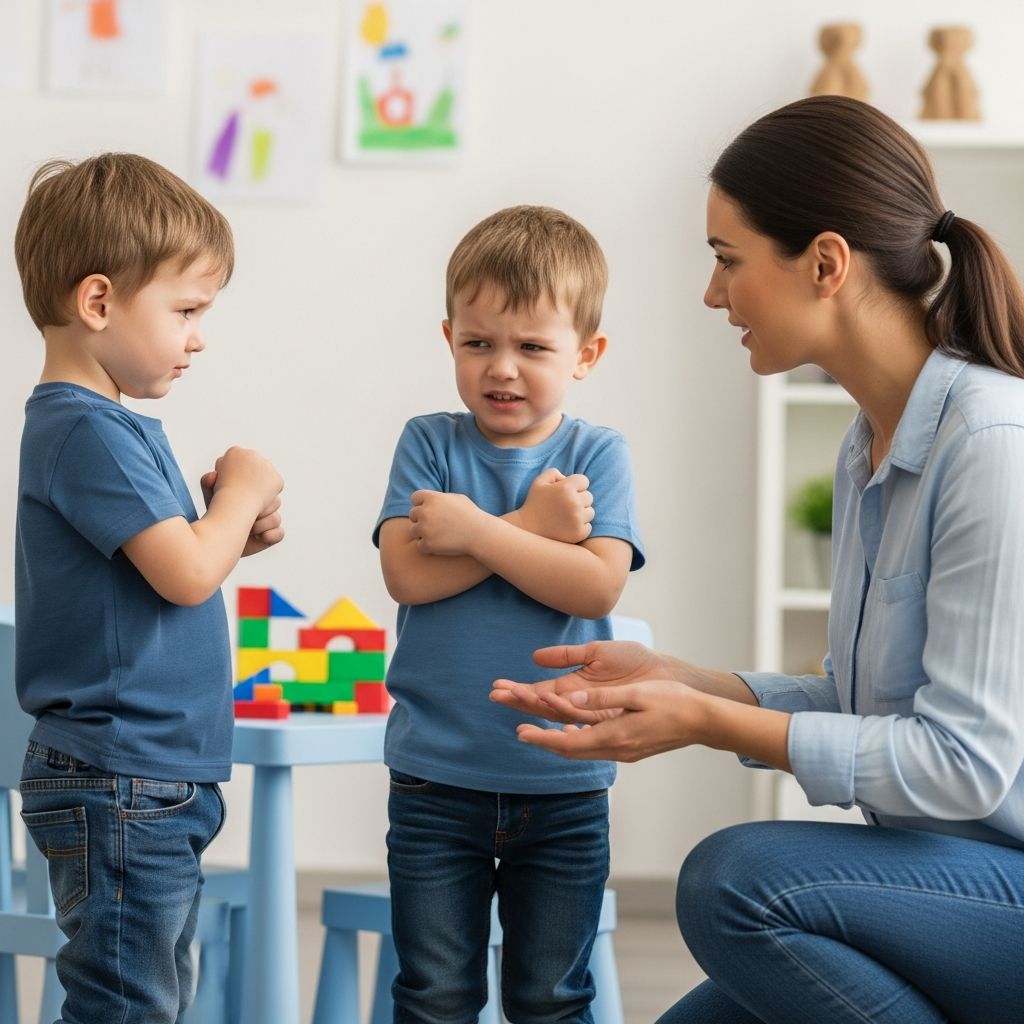
Aggressive behaviors like hitting are common among preschoolers and often stem from overwhelming emotions, frustration, or a lack of communication skills. Young children may not yet have the vocabulary or self-control to express their needs or feelings in socially acceptable ways. Instead, they resort to physical actions as a way to communicate distress, assert boundaries, or seek attention. Understanding these underlying causes is the first step toward effective intervention.
Responding with Calm and Confidence
When a child hits, it’s crucial for parents to remain calm and avoid reacting with anger or punishment. A composed response models emotional regulation and reassures the child that their feelings are valid, even if their actions are not acceptable. Use clear, simple language to set boundaries, such as “Hitting hurts. I won’t let you hurt me or others.”. This approach helps children learn that their emotions are heard, but their actions have limits.
Physical Safety and Gentle Intervention
- Protect yourself and your child by calmly blocking or gently holding them if they attempt to hit, ensuring both parties remain safe.
- Use a gentle, supportive hold rather than a punitive one, focusing on safety rather than control.
- Stay calm and soothing in your tone, letting the child know they are safe and that their feelings are understood.
Physical intervention should never be aggressive or punitive. The goal is to create a safe environment where the child can express their emotions without causing harm.
Teaching Emotional Expression
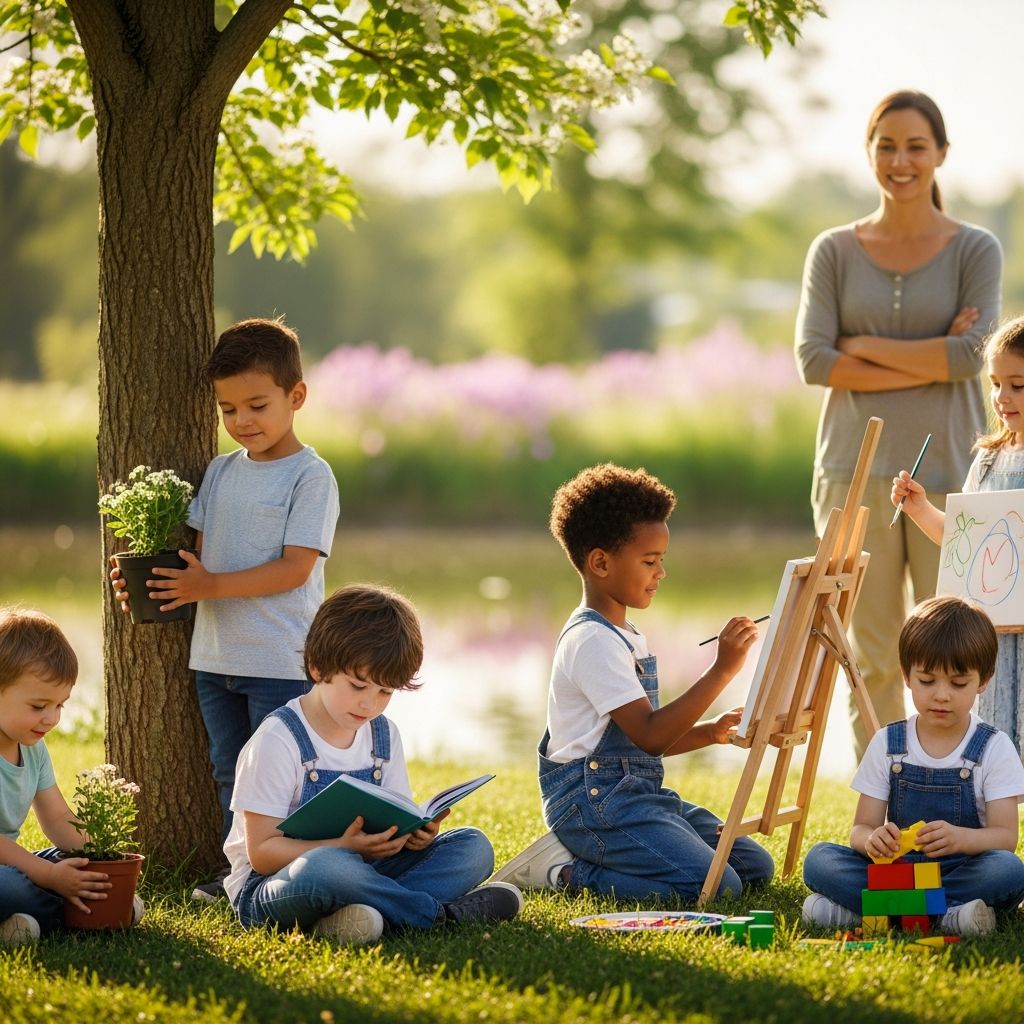
Help children develop alternative ways to express their feelings. Encourage them to use words, gestures, or creative outlets like drawing or play to communicate their needs. For example, suggest phrases like “I’m mad!” or “I want that!” to help them articulate their emotions. Modeling these expressions yourself can reinforce the lesson.
Building Connection Through Play
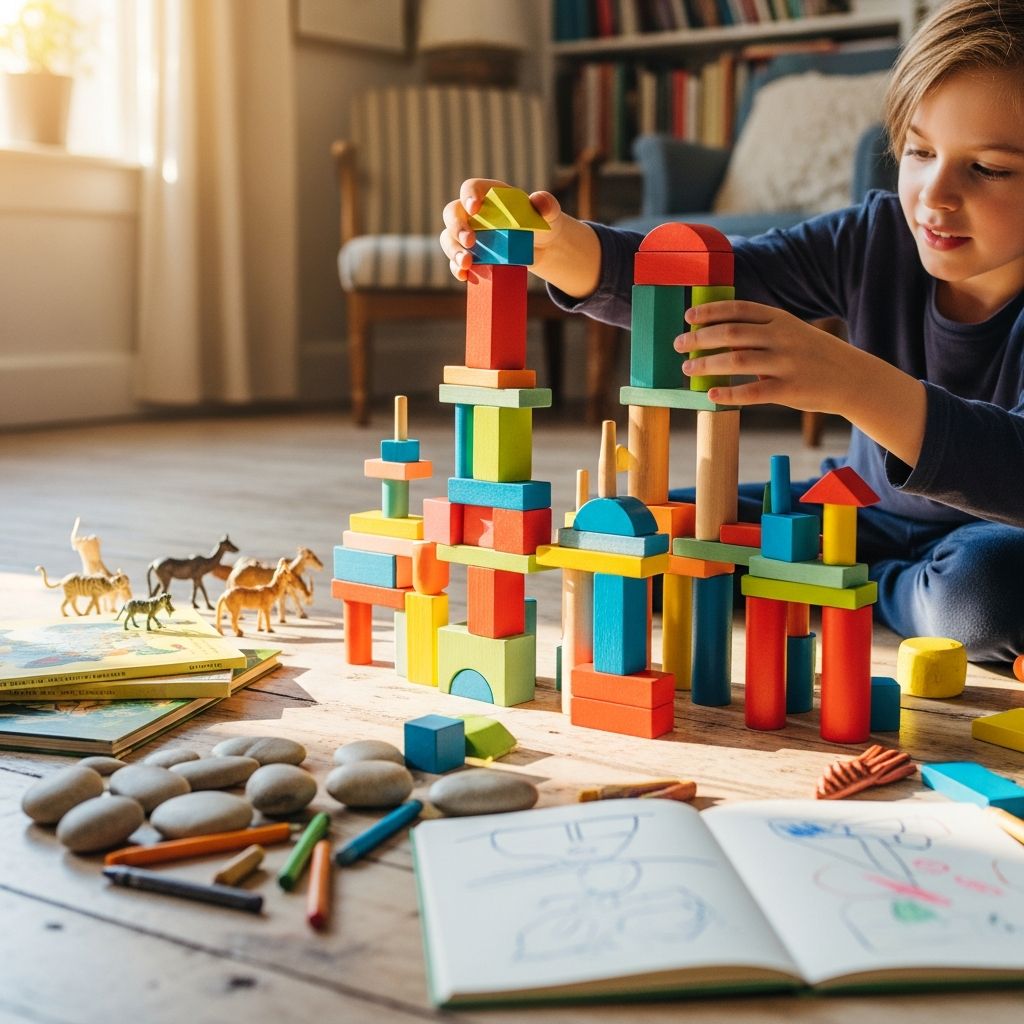
Play is a powerful tool for helping children process emotions and practice new behaviors. Engage in playful activities that allow your child to safely explore feelings of anger or frustration, such as role-playing or “mad games” where hitting is part of a pretend scenario. These activities help discharge tension and build emotional resilience in a supportive environment.
Consistency and Positive Reinforcement
Consistently reinforce positive behaviors and set clear expectations. Praise your child when they use words instead of hitting, and gently redirect them when they struggle. Positive reinforcement helps children internalize healthy habits and feel confident in their ability to manage emotions.
When to Seek Additional Support
If aggressive behaviors persist or escalate, consider consulting a pediatrician, child psychologist, or parenting coach. Persistent aggression may indicate underlying issues such as developmental delays, trauma, or unmet emotional needs. Early intervention can provide valuable support for both child and parent.
FAQs
Why does my child hit when they’re upset?
Children often hit because they lack the skills to express complex emotions verbally. Hitting is a way to communicate frustration, anger, or a need for attention.
How can I stop my child from hitting without punishment?
Respond calmly, set clear boundaries, and help your child find alternative ways to express their feelings. Use gentle physical intervention only to ensure safety, not as punishment.
Is it normal for preschoolers to hit?
Yes, hitting is common among preschoolers as they learn to manage emotions and social interactions. Most children outgrow this behavior with guidance and support.
What should I do if my child hits another child?
Intervene calmly, ensure everyone is safe, and help your child understand the impact of their actions. Encourage them to apologize and practice empathy.
How can I help my child manage anger?
Teach emotional vocabulary, model healthy coping strategies, and provide opportunities for play and creative expression. Consistent support and positive reinforcement are key.
Summary Table: Strategies for Managing Aggression
| Strategy | Description | Benefit |
|---|---|---|
| Stay Calm | Respond without anger or punishment | Models emotional regulation |
| Set Clear Boundaries | Use simple language to explain limits | Teaches acceptable behavior |
| Gentle Physical Intervention | Protect safety without aggression | Ensures safety, reduces fear |
| Encourage Emotional Expression | Teach words and gestures for feelings | Builds communication skills |
| Playful Activities | Role-play and “mad games” | Discharges tension, builds resilience |
By understanding the emotional roots of aggression and responding with empathy, safety, and consistency, parents can help their children develop healthier ways to manage emotions and build strong, positive relationships.