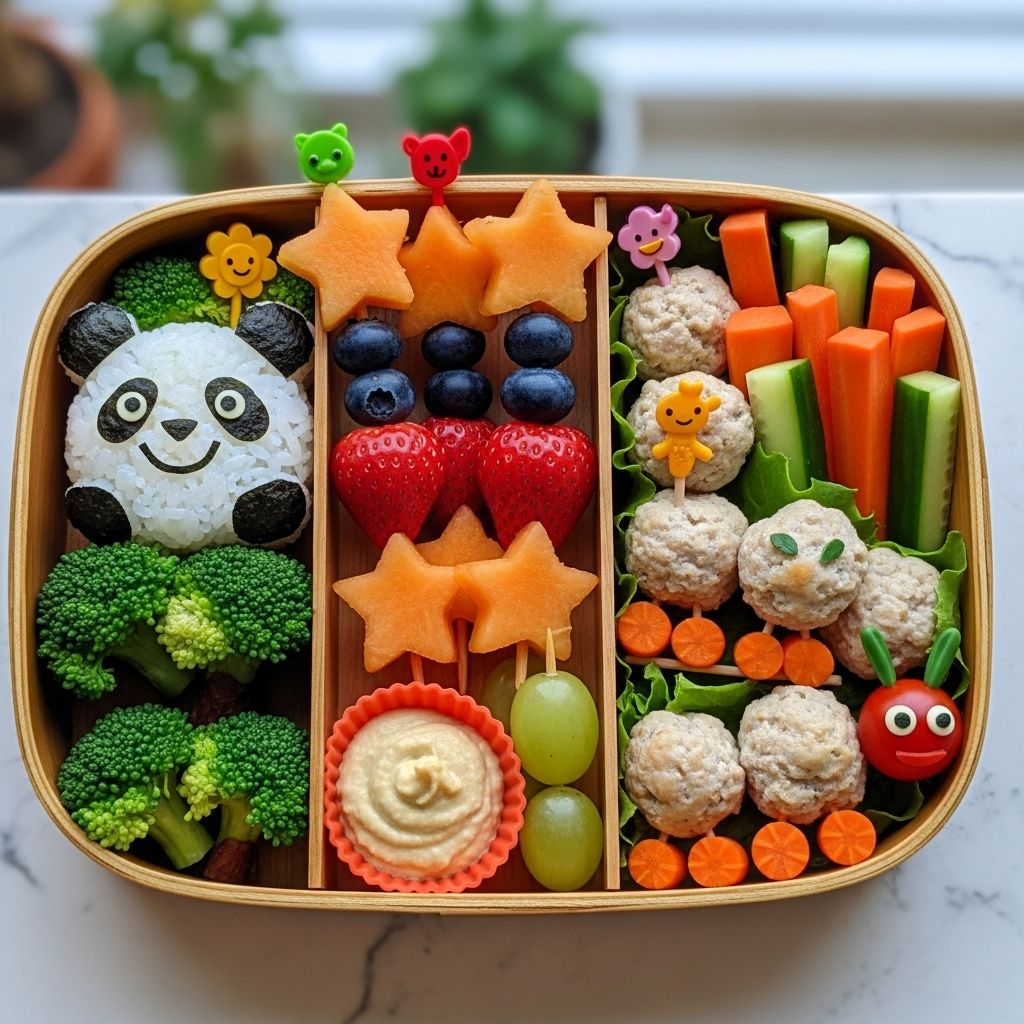
Establishing the right dinner time for children plays a crucial role in their overall well-being, influencing sleep patterns, family dynamics, and nutritional habits. Research indicates that meals before 6:15 p.m. allow parents more evening quality time with kids, including extended reading and play sessions. This guide delves into age-specific recommendations, practical strategies, and scientific backing to help parents create balanced routines.
Why Dinner Timing Matters for Young Ones
The timing of dinner affects digestion, hunger cues, and bedtime readiness. For toddlers and preschoolers, spacing meals every 2-3 hours supports steady energy levels without overfilling the stomach before sleep. Early dinners promote better nutrient absorption and prevent nighttime disruptions, as heavy meals close to bed can lead to discomfort.
Family dinners timed thoughtfully also strengthen bonds. Studies show earlier meals correlate with 27% more reading time and 18% longer play sessions in the evening, fostering cognitive and emotional growth. Consistent schedules teach children self-regulation around food, reducing battles over snacks or portions.
Age-Appropriate Dinner Schedules
Dinner times vary by developmental stage. Infants starting solids around 6 months benefit from table inclusion, even if brief, to model behaviors. Older kids need routines aligned with naps, school, and activities.
| Age Group | Recommended Dinner Time | Meal Duration | Key Considerations |
|---|---|---|---|
| Infants (6-12 months) | 5:30-6:00 p.m. | 10-15 minutes | High chair at table; focus on family modeling. |
| Toddlers (1-3 years) | 5:30-6:00 p.m. | 10-15 minutes | Every 2-3 hours from last snack; water only between. |
| Preschoolers (3-5 years) | 5:45-6:15 p.m. | 15-20 minutes | Balance with afternoon snack at 3 p.m. |
| School-age (6+ years) | 6:00-6:30 p.m. | 20-30 minutes | Align with homework/activities; include preferred foods. |
These timelines draw from pediatric guidelines emphasizing short, distraction-free sessions. Adjust based on wake-up times, like breakfast at 7 a.m. leading to dinner around 6 p.m.
Building a Predictable Daily Eating Routine
A structured day prevents constant hunger complaints. Sample for toddlers: breakfast at 7 a.m., snack at 9:30 a.m., lunch at noon, snack at 3 p.m., dinner at 6 p.m. This 2-3 hour cadence ensures kids arrive hungry but not ravenous.
- Offer balanced plates: Include 4-5 food groups at dinner for sustained energy.
- Hydration rules: Water between meals; milk at table only to avoid filling up prematurely.
- Snack management: End snacks 2+ hours before dinner to build appetite.
- Family seating: Everyone at the table, no screens, to promote social skills.
Trust kids’ fullness cues—short meals lasting as long as attention spans work best.
Strategies to Keep Kids Seated and Engaged
Young children fidget, but expectations from infancy help. Start at 6 months with high chairs pulled to the table. Toddlers need just 10-15 minutes; let them leave when done to avoid resistance.
Practical tips include:
- Pre-meal warnings: 5-minute heads-up eases transitions.
- Physical outlet: Ensure daytime play to burn energy.
- Familiar foods: One liked item boosts willingness.
- Distraction-free: Face family, chat to build connections.
For hungrier kids, serve appetizers like fruit early. Consistency builds habits without force.
Health Benefits of Early Family Dinners
Earlier dinners unlock evenings for bonding. Data from 41,000 U.S. families reveals pre-6:15 p.m. meals yield 14% more parent-child time overall. This supports mental health, language development, and reduced teen risks.
Nutritionally, routines spaced 2.5-4 hours aid digestion and sleep. CDC endorses 3 meals plus 2-3 snacks daily for 6-24 month-olds, with family involvement modeling healthy choices.
Common Mealtime Challenges and Fixes
Grazing or refusal stems from poor timing. Counter with firm schedules and boredom busters like activities between eats.
| Challenge | Solution | Expected Outcome |
|---|---|---|
| Not hungry at dinner | Space snacks 2-3 hours prior | Increased appetite |
| Won’t sit still | 10-15 min rule; play beforehand | Better compliance |
| Picky eating | Include one favorite; model eating | More tries |
| Late family schedule | Shift to 6 p.m. for more evening time | Enhanced bonding |
Adapting for Busy Family Lifestyles
Work or activities may push dinners later, but prioritize pre-6:15 p.m. when possible for gains in family time. Prep meals ahead or serve components flexibly. For restaurants, set short sits with positives reinforced.
Track your routine for a week, tweaking for consistency. Apps or charts help visualize hunger windows.
Frequently Asked Questions
What if my child skips dinner due to a late snack?
Adjust snacks to end 2+ hours before; offer water only after.
How long should preschoolers stay at the table?
10-20 minutes max, or until full—short sessions build positive associations.
Does early dinner improve sleep?
Yes, lighter stomachs aid rest; pair with wind-down routines.
Can teens benefit from early dinners?
Absolutely—more evening interaction links to better outcomes.
What if family schedules clash?
Aim for consistency 5 nights/week; quality over perfection.
References
- Healthy Eating Schedule: Toddler and Preschooler Meals — Strong4Life. Accessed 2026. https://www.strong4life.com/en/feeding-and-nutrition/mealtimes/healthy-eating-schedule-toddlers-and-preschoolers
- When should my kid be sitting at the dinner table? — Huckleberry. 2026-01-02. https://huckleberrycare.com/blog/when-should-my-kid-be-sitting-at-the-dinner-table
- When Is Dinner? — Institute for Family Studies. Accessed 2026. https://ifstudies.org/blog/when-is-dinner
- Tips for Mealtime Routines | Infant and Toddler Nutrition — CDC. Accessed 2026. https://www.cdc.gov/infant-toddler-nutrition/mealtime/index.html
- The Eating Routine that Will End Your Food Struggles — Kids Eat in Color. Accessed 2026. https://kidseatincolor.com/the-eating-routine-that-will-end-your-food-struggles/