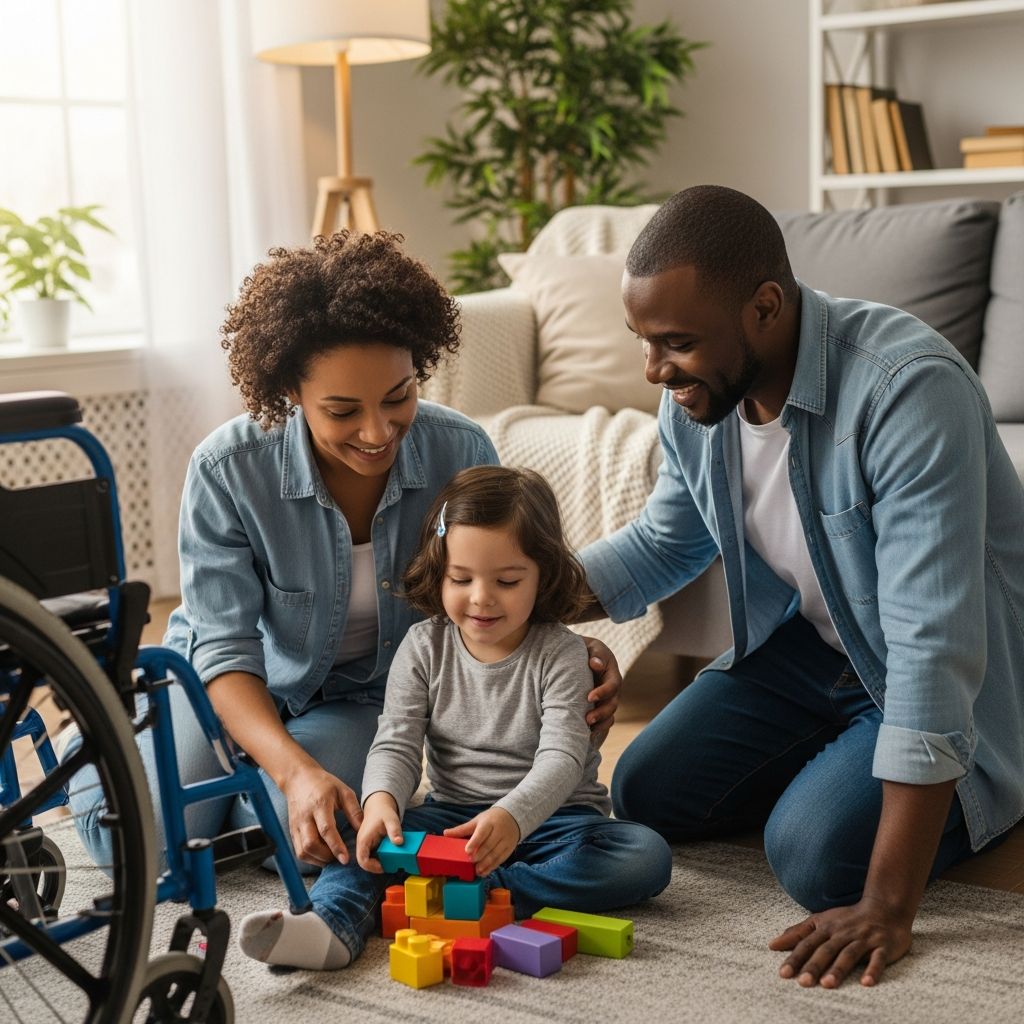
Non-custodial parents often face the challenge of maintaining meaningful connections with their children after separation. Prioritizing fun activities over everyday responsibilities can create imbalanced relationships, undermining long-term child development. Research shows that consistent involvement, including nurturing and structure, leads to stronger father-child bonds and better outcomes.
Understanding Imbalanced Parenting Dynamics
In separated families, the parent with less daily custody time might default to entertaining their kids with outings, gifts, or leniency to compete with the primary caregiver’s routine. This ‘fun-only’ approach, sometimes called the Disneyland phenomenon, risks portraying the parent as a perpetual playmate rather than a reliable figure. Studies indicate that children thrive when fathers provide both play and guidance, mirroring positive models from their own upbringing.
Quality interactions matter more than quantity. Fathers who engage in active play while responding to emotional cues build secure attachments, helping children explore confidently and manage stress. Without boundaries, however, fun-focused time fails to teach essential life skills, potentially leading to entitlement or confusion about authority.
Long-Term Effects on Children’s Growth
Children in divorced homes benefit immensely from involved fathers, regardless of living arrangements. Early paternal engagement at age 1 predicts stronger relationships reported by children at age 9, mediated through consistent involvement. Secure bonds reduce risks of anxiety, depression, and behavioral issues, fostering resilience and self-esteem.
For daughters, a father’s affirming presence shapes self-worth and healthy boundaries, lowering depression rates and promoting emotional regulation. Sons gain models for masculinity and stress management from positive father-son ties.[10] Conversely, strained dynamics from inconsistent parenting can perpetuate cycles of emotional distance or poor communication.
| Parenting Style | Child Outcomes | Supporting Research |
|---|---|---|
| Fun-Only Focus | Short-term excitement; long-term entitlement, rule confusion | Intergenerational patterns |
| Balanced Involvement | Secure attachment, resilience, better mental health | Age 1 involvement predicts age 9 bonds |
| Structured Nurturing | Improved self-esteem, emotional regulation | Father-daughter bonds |
Building a Balanced Relationship Foundation
To avoid the fun-only trap, non-custodial parents should emulate comprehensive caregiving. This includes physical affection, responsive listening, and age-appropriate challenges alongside play. Fathers modeled by involved grandfathers tend to replicate these behaviors, breaking negative cycles.
- Schedule regular, routine visits like homework help or meals to normalize structure.
- Align on discipline with the co-parent to present united rules.
- Incorporate emotional check-ins during fun outings to deepen connections.
- Demonstrate accountability by following through on promises.
Attachment theory highlights fathers as ‘play-mates’ who encourage exploration while serving as safe havens. Physical contact and cue responsiveness build trust, distinct yet complementary to maternal bonds.
Practical Strategies for Consistent Engagement
Start with clear communication between co-parents. Discuss household rules, consequences, and expectations to avoid ‘good cop, bad cop’ scenarios. Non-custodial parents can contribute to daily life via video calls for bedtime stories or shared online calendars for events.
Focus visits on meaningful activities:
- Outdoor adventures that teach perseverance, like hiking with goal-setting.
- Cooking together to blend fun with responsibility.
- Board games emphasizing strategy and fair play.
- Quiet talks about school or feelings to nurture emotional intelligence.
Research supports behavioral parent training for fathers, improving communication and reducing child oppositional behaviors. Even non-resident fathers can foster bonds through quality time, independent of hours spent.
Navigating Challenges in Co-Parenting
Conflicts arise when one parent undermines the other’s authority. Resist the urge to override rules for popularity; instead, reinforce them to model respect. If tensions escalate, neutral mediators like family therapists can help.
Mental health plays a role—depressed or stressed fathers may withdraw or overindulge, amplifying risks. Prioritize self-care to remain present and effective. Sons from strained father-son ties often carry unprocessed anger, affecting their own relationships; open dialogues can heal these.
Role Modeling Across Generations
Fathers’ relationships with their own dads influence parenting styles. Positive grandfather involvement predicts better paternal engagement, fully mediating multi-generational bonds. Men with affectionate father models communicate warmth more readily, easing positive bonds with kids.
Breaking poor patterns requires intentionality. Interventions help fathers overcome inadequate models, halting uninvolved cycles. Daughters internalize paternal affirmation for future partnerships; sons learn masculinity through observed behaviors.
Frequently Asked Questions
What if my child prefers fun time over rules?
Gradually introduce structure during enjoyable activities. Explain rules as part of love, using consistent, calm enforcement. Research shows early involvement builds acceptance over time.
How do daughters benefit differently from involved dads?
Strong father-daughter ties boost self-esteem, reduce depression, and aid identity formation, especially post-puberty.
Can non-resident dads build secure attachments?
Yes, through responsive play, affection, and reliability. Quality trumps quantity for resilience and mental health.
What about sons and fatherly discipline?
Balanced guidance reduces aggression and anxiety, providing stress-coping models.[10]
How to co-parent discipline effectively?
Align rules via shared agreements. Parent training enhances outcomes for all.
Empowering Lasting Family Connections
Transitioning from fun-only to fully involved parenting requires commitment but yields profound rewards. Children gain secure foundations, parents forge enduring ties, and families model healthy dynamics. Leverage research-backed approaches: prioritize early, consistent engagement mirroring positive intergenerational patterns.
Co-parents united in purpose create stability amid change. Celebrate progress, seek support, and remember—your role shapes their world.
References
- Father Involvement and Father-Child Relationship Quality — PMC/NCBI. 2019-03-01. https://pmc.ncbi.nlm.nih.gov/articles/PMC6415916/
- The Psychology Behind Strained Father Son Relationships — PsychAlive. 2023-01-15. https://www.psychalive.org/psychology-behind-strained-father-son-relationships/
- Father-Daughter Bonds: How Our Dads Shape Our Lives — Nola Family. 2024-05-20. https://nolafamily.com/father-daughter-bonds-how-our-dads-shape-our-lives/
- Father-child relationship — EBSCO Research Starters. 2022-11-10. https://www.ebsco.com/research-starters/health-and-medicine/father-child-relationship
- How the Father-Child Relationship Shapes a Young Person’s Life — The Wave Clinic. 2023-08-05. https://thewaveclinic.com/blog/attachment-theory-how-father-child-relationship-shapes-life/
- Understanding the Vital Role That Fathers, & Father Figures, Play — Child Psychotherapy. 2021-06-12. https://childpsychotherapy.org.uk/resources-families/understanding-childhood/fathers-understanding-vital-role-fathers-father-figures
- A Father’s Impact on Child Development — Children’s Bureau. 2024-02-14. https://www.allforkids.org/news/blog/a-fathers-impact-on-child-development/