From birth to six months, babies experience rapid growth in motor skills, sensory processing, and social awareness. Simple play activities using household items can significantly aid this development by strengthening muscles, encouraging exploration, and fostering strong parent-child bonds. These interactions not only support physical milestones like head control and rolling but also stimulate cognitive and emotional growth, as emphasized by child development experts.
Understanding Early Development Milestones
During the first six months, infants progress from reflexive movements to purposeful actions. Newborns focus on tracking objects with their eyes and lifting their heads briefly during tummy time. By three months, many babies grasp toys, coo responsively, and push up on their arms. Between four to six months, rolling over, reaching for objects, and sitting with support become common achievements. These milestones form the foundation for crawling and walking, making consistent play crucial.
Physical activity through play strengthens neck and core muscles needed for head control and later mobility. Sensory experiences help babies differentiate sounds, textures, and visuals, while social play builds attachment and communication skills. Parents play a central role, as babies are most engaged by familiar faces and voices.
Essential Daily Routines for Newborns (0-3 Months)
For the earliest stages, focus on gentle, low-stimulation activities that promote body awareness and basic motor control. These routines integrate easily into feeding and diapering times.
- Gentle Leg Cycling: Lay your baby on their back and softly bicycle their legs. This builds abdominal strength, introduces alternating movements essential for future crawling, and aids digestion. Perform for 1-2 minutes, several times daily.
- Face Tracking Games: Position yourself 8-12 inches from your baby’s face—their clear vision range—and slowly move your head side to side. Encourage them to follow with their eyes and head, enhancing neck muscles and visual tracking.
- Soft Vocal Imitation: Mirror your baby’s coos, gurgles, and facial expressions. This validates their communication attempts, models turn-taking, and strengthens emotional bonds.
Incorporate these during alert periods, watching for cues like wide eyes or smiles indicating engagement. Aim for short sessions to avoid overstimulation.
Sensory Exploration Activities (0-3 Months)
Sensory play awakens babies’ developing senses, helping them process the world. Use safe, high-contrast items for visual stimulation and varied textures for touch.
| Activity | Sensory Focus | Benefits | How to Do It |
|---|---|---|---|
| Mirror Gazing | Visual/Social | Self-awareness, neck strength | Prop a safe mirror during tummy time or hold baby before one. |
| Texture Touches | Tactile | Hand-eye coordination | Gently stroke with soft fabrics, feathers, or your fingers. |
| Rhythmic Sounds | Auditory | Sound localization | Shake soft rattles or sing lullabies with varying pitches. |
These activities should last 3-5 minutes, repeated 4-6 times daily. Always supervise closely to ensure safety.
Building Strength with Tummy Time Variations (3-6 Months)
Tummy time remains vital, progressing from brief sessions to longer ones as babies gain strength. By 3-6 months, introduce props to make it engaging.
- Prop-Assisted Lifts: Place rolled towels under arms during tummy time to encourage higher head lifts and chest raises, targeting upper body muscles.
- Toy Dangling: Suspend bright, lightweight toys above using a play gym frame. Babies reach and bat, practicing grasping and rolling.
- Ball Balancing: Securely hold baby on a large exercise ball, gently rocking. This develops balance, core stability, and vestibular sense.
Work up to 20-30 minutes total daily, split into sessions. Praise efforts to motivate persistence.
Motor Skill Boosters for Emerging Movements (3-6 Months)
As babies roll and reach more intentionally, activities that challenge controlled motions accelerate progress.
- Reach and Roll Incentives: Place enticing toys slightly out of reach during back or tummy play. This prompts rolling from back to tummy and vice versa.
- Hand-to-Mouth Play: Offer safe, textured rings or soft toys. Babies explore by mouthing and transferring between hands, refining fine motor control.
- Bouncing on Lap: Support baby upright on your lap, gently bouncing to music. Strengthens legs for future standing.
Monitor for fatigue; stop if baby fusses. Consistency yields noticeable improvements in weeks.
Music and Movement Integration
Rhythm captivates young infants, combining auditory stimulation with physical activity. Sing action songs like “Wheels on the Bus” while moving baby’s limbs in sync. Shake homemade shakers (sealed bottles with rice) near them, encouraging head turns toward sounds. Dance holds—swaying baby to soft music—provide vestibular input and comfort, mimicking womb sensations. These sessions, 5-10 minutes, enhance motor planning and joy in movement.
Safe Outdoor and Nature Play
Fresh air amplifies play benefits. Lay baby on a blanket for gentle wind and leaf-rustle exposure, or carry in a sling for nature sounds. Describe sights like trees or birds to build language associations. Supervise rigorously; avoid direct sun or insects.
Parent-Baby Bonding Through Play
Beyond skills, play nurtures attachment. Respond promptly to cues, use exaggerated expressions, and maintain eye contact. Wearing baby in carriers allows hands-free bonding while freeing yours for chores. Daily skin-to-skin during play boosts oxytocin, supporting emotional regulation.
Frequently Asked Questions (FAQs)
What if my baby dislikes tummy time?
Start with 1-2 minutes on your chest, gradually transitioning to a mat. Make it fun with faces or toys. Most babies warm up with consistency.
How often should I do these activities?
Integrate 20-60 minutes total daily play, spread across wake windows. Follow baby’s lead to prevent overwhelm.
Are household items safe for play?
Yes, if clean, smooth, and supervised. Avoid small parts, strings, or choking hazards.
When should I worry about milestones?
Consult a pediatrician if no head control by 3 months or rolling by 6 months. Early intervention helps.
Can play help with sleep?
Yes, active play tires babies appropriately, improving sleep quality when timed before naps.
Creating a Play-Friendly Environment
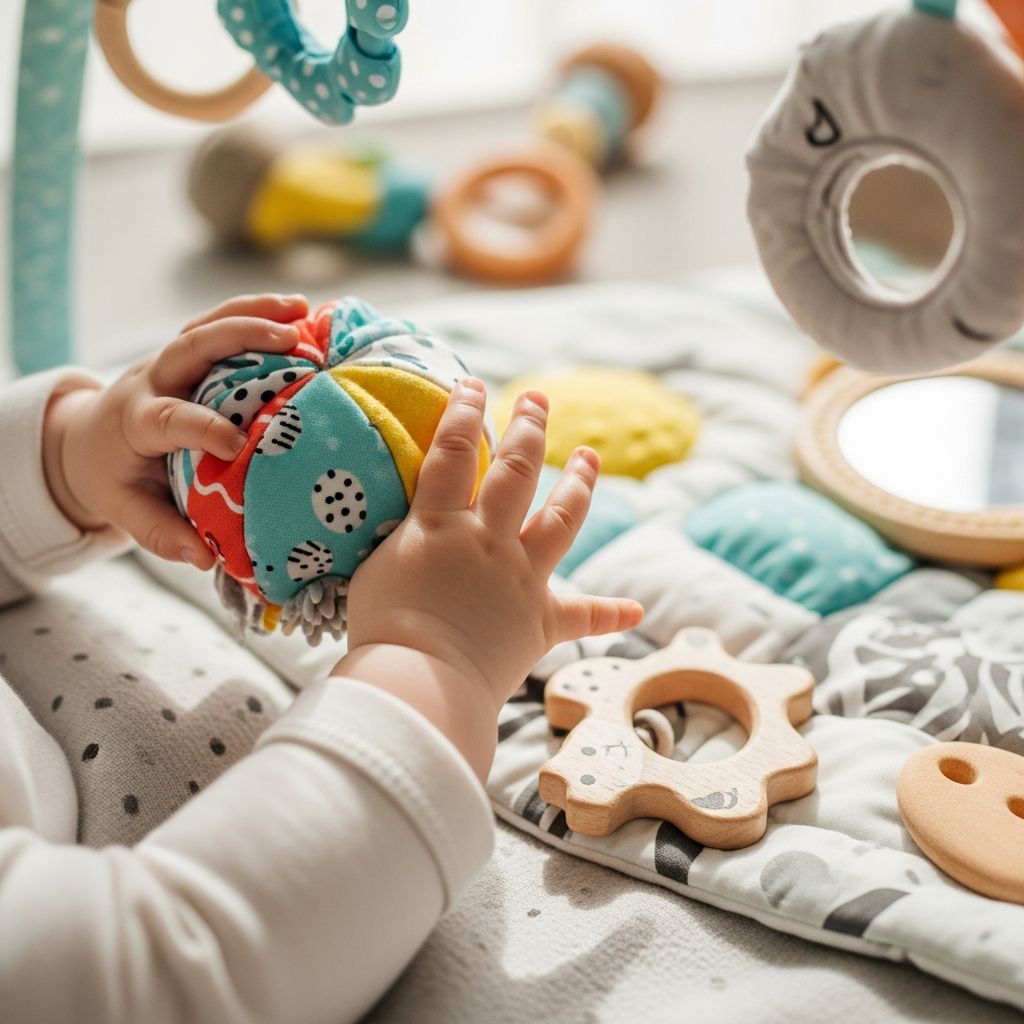
Designate a safe mat area with high-contrast toys, mirrors, and mobiles. Rotate items weekly to maintain novelty. Ensure soft flooring and nearby supervision. Track progress in a journal to celebrate gains and share with doctors.
These activities, drawn from evidence-based guidelines, empower parents to actively support their baby’s first milestones. Regular engagement not only accelerates development but creates joyful memories.
References
- Play ideas for baby physical activity | Raising Children Network — Raising Children Network. 2023-10-01. https://raisingchildren.net.au/babies/play-learning/play-baby-development/movement-play-babies
- 20 Ways to Play with a 0-3 Month Old — Nurtured Noggins. 2022-05-15. https://nurturednoggins.com/20-ways-to-play-with-a-0-3-month-old/
- Activities for Babies (0-18 Months) — Taking Cara Babies. 2024-08-20. https://www.takingcarababies.com/blogs/development/activities-for-babies-0-18-months
- Baby Games – Pathways.org — Pathways.org. 2023-11-10. https://pathways.org/play
- CDC’s Developmental Milestones | Learn the Signs. Act Early. — Centers for Disease Control and Prevention (CDC). 2025-01-15. https://www.cdc.gov/act-early/milestones/index.html
- Toys and Play: Birth to 12 Months — Seattle Children’s Hospital. 2024-03-05. https://www.seattlechildrens.org/health-safety/parenting/toys-and-play-birth-to-12-months/