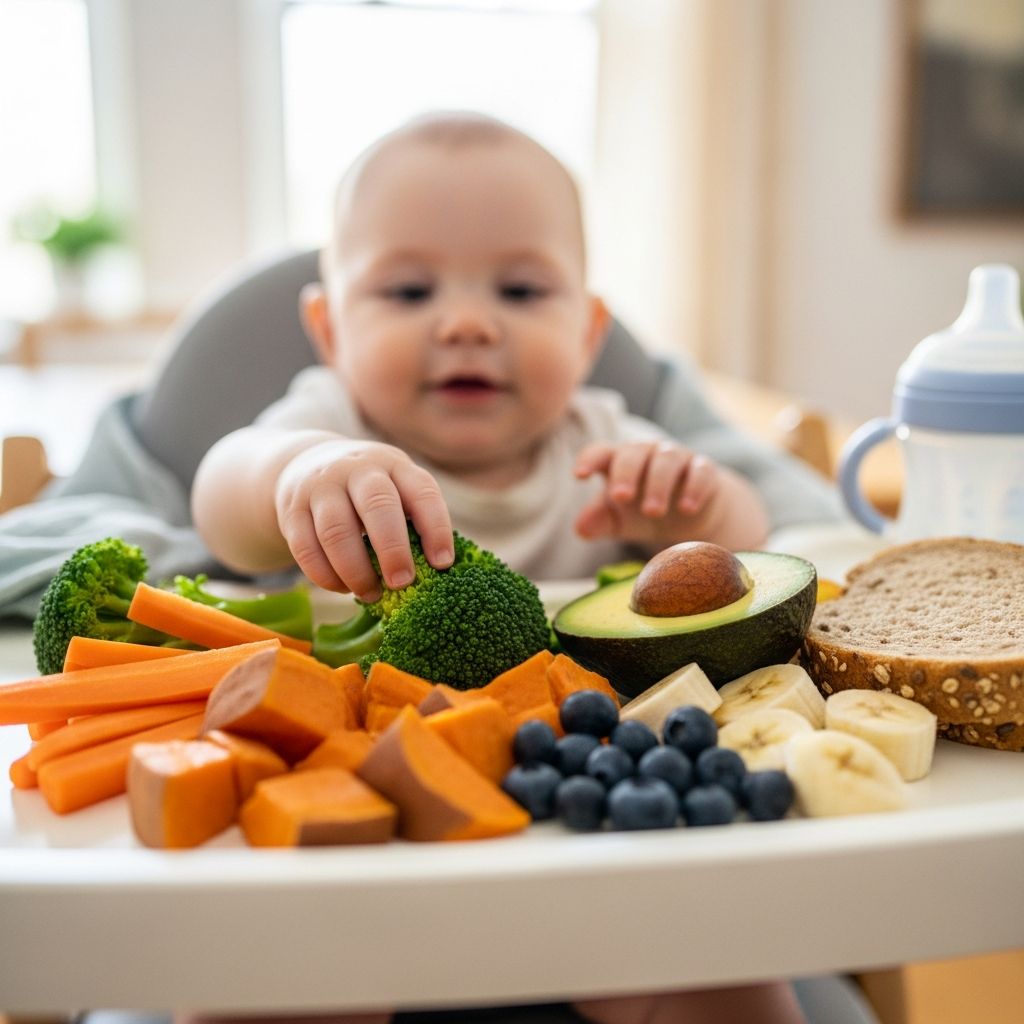
Baby-led weaning (BLW) is an approach to starting solids that lets your baby feed themselves from the beginning instead of relying on spoon-fed purées. It focuses on family meals, real food, and following your baby’s cues. This guide walks through what to serve, how to prepare it safely, and how to feel more confident during those messy, exciting first meals.
Understanding Baby-Led Weaning
At its core, baby-led weaning means offering soft, appropriately shaped pieces of food that your baby can pick up and bring to their mouth independently. You decide what is served and how it is prepared, but your baby decides what and how much to eat. This approach can encourage self-regulation, fine motor skills, and early exposure to family foods.
BLW does not have to be all-or-nothing. Many families combine self-feeding with occasional spoon-feeding, especially for foods like yogurt, oatmeal, or mashed potatoes. The goal is not perfection, but to create relaxed, responsive mealtimes that work for your baby and your household.
When Is Baby Ready to Start?
Age alone is not enough to determine readiness. Many babies are ready to explore solids somewhere around 6 months, but it is more important to look for developmental signs than to focus on the calendar. Rushing solids before your baby is prepared can increase frustration for everyone.
- Baby sits with minimal support and holds their head steady.
- Baby shows interest in food by watching you eat, reaching for food, or opening their mouth when food is offered.
- Baby can bring objects to their mouth and move them around with their tongue.
- The tongue-thrust reflex (pushing food out automatically) is diminishing.
If one or more of these skills is not yet in place, it is wise to wait a little longer. Milk or formula still provides most of your baby’s nutrition early on, so there is no need to rush. The first few weeks of BLW are more about exploration than volume eaten.
Key Principles for BLW Food Choices
Successful baby-led weaning starts with understanding what makes a food safe and manageable for small hands and mouths. Think about three main factors: texture, shape, and nutrition. Getting these right reduces stress and makes mealtimes more enjoyable.
- Texture: Food should be soft enough to mash between your fingers or with your baby’s gums.
- Shape: In the early months, offer large, graspable pieces about the size of an adult finger.
- Nutrition: Prioritize iron-rich foods, healthy fats, and nutrient-dense fruits and vegetables.
As your baby’s skills develop, you can gradually move from long strips to smaller bite-sized pieces. Always supervise closely, offer food when your baby is alert and upright, and keep mealtimes calm and unhurried.
Best First Foods for Baby-Led Weaning
When you first start BLW, it helps to rotate through a variety of food groups. This gives your baby practice with different textures and flavors and supports a balanced diet over time. Below are some popular first foods and how to offer them safely.
Vegetables
Soft, cooked vegetables are an ideal starting point. They are naturally colorful, mild-tasting, and easy to shape into baby-friendly pieces. Choose vegetables that become very tender when steamed or roasted.
- Steamed carrot sticks cut into thick batons.
- Roasted sweet potato wedges with the skin removed if very tough.
- Steamed broccoli florets with a long “handle” stem for gripping.
- Soft zucchini or yellow squash spears.
- Strips of roasted bell pepper with skin loosened or peeled if needed.
Cook vegetables until they are easily squashed between your fingers. Avoid raw or very crunchy vegetables at first, such as raw carrots, raw apple slices, or raw celery, which can be choking hazards for young babies.
Fruits
Fruit adds natural sweetness and hydration, making it very appealing to babies. Soft, ripe fruits are generally easier to handle and safer from the start. Some firmer fruits can be gently cooked to soften them.
- Very ripe avocado slices or large wedges.
- Ripe banana split lengthwise into thick strips.
- Soft pear or peach slices, either very ripe or lightly poached.
- Seedless watermelon sticks with the rind removed.
- Berries like raspberries or halved blueberries once pincer grasp improves.
Skip small, round fruits in their whole form (such as whole grapes or whole blueberries) until your child is older; always slice grapes lengthwise into quarters and cut larger berries as needed. Remove pits, seeds, and tough skins before serving.
Protein-Rich Foods
Iron and protein are important nutrients for babies starting around 6 months, especially for breastfed infants. Including iron-rich foods a few times per day can help meet growing needs. Many protein sources can be adapted for BLW with simple adjustments.
- Soft strips of slow-cooked or shredded meat (chicken, turkey, beef, lamb).
- Salmon or other low-mercury fish, flaked carefully to remove bones.
- Omelet strips or scrambled eggs cooked until set.
- Beans or lentils mashed and shaped into patties or mixed into soft dishes.
- Tofu cut into thick sticks, lightly pan-seared or baked to give a firmer grip.
Meat can be surprisingly manageable for babies when cooked until very tender and served in large, easy-to-hold pieces. Avoid processed meats that are high in salt or additives, such as hot dogs, deli meats, and bacon, especially early on.
Whole Grains and Starches
Starchy foods provide energy for busy, growing babies. Combined with fats and proteins, they help round out meals and keep your little one satisfied. Many grain-based foods can be prepared in a way that supports self-feeding.
- Soft fingers of toast spread thinly with avocado, smooth nut butter, or hummus.
- Pasta shapes (like fusilli or penne) cooked very soft.
- Soft cooked rice mixed with mashed beans, lentils, or yogurt to help it clump.
- Oatmeal thickened so it can be scooped with the hands or pre-loaded on a spoon.
- Mini pancakes made with whole grains and mashed fruit.
Offer bread and grains in shapes that your baby can hold, and keep textures moist rather than dry and crumbly. Avoid hard crusts, very sticky rice, or dry crackers that can be difficult to manage.
Simple BLW Meal Ideas
Once you identify safe foods across food groups, it becomes easier to build simple meals. Think of meals as a combination of a vegetable or fruit, a protein, and a starch or grain, with a source of healthy fat somewhere on the plate.
| Meal | Food Components | How to Serve |
|---|---|---|
| Breakfast | Omelet, avocado, toast | Cut omelet into strips, offer avocado wedges, and serve toast fingers with a thin spread. |
| Lunch | Shredded chicken, sweet potato, pear | Serve soft shredded chicken, roasted sweet potato wedges, and ripe pear slices. |
| Dinner | Salmon, broccoli, pasta | Flake salmon into large pieces, offer soft broccoli florets, and very soft pasta shapes. |
| Snack | Yogurt, fruit | Use a thick yogurt and offer it in a bowl with pre-loaded spoons and soft fruit slices. |
Remember that snacks for babies are more like mini-meals than “treats.” Try to offer satisfying, balanced options instead of relying mainly on puffs or crackers.
Safe Food Preparation and Serving Tips
Safety is one of the biggest concerns parents have about BLW. While there is always some risk when babies eat, thoughtful preparation greatly reduces the chance of choking. Observing your baby closely and learning basic first aid also increases confidence.
- Seat your baby upright in a well-fitted high chair with a secure harness.
- Stay within arm’s reach, and avoid distractions like phones or TV during meals.
- Serve only a few pieces of food at a time so your baby does not get overwhelmed.
- Cut round foods (grapes, cherry tomatoes) into quarters lengthwise and remove seeds.
- Avoid hard, sticky, or very small round foods until your child is older.
Common foods to avoid for babies include whole nuts, spoonfuls of nut butter, popcorn, hard candy, whole grapes, and large chunks of raw carrots or apple. Smooth nut butters can be spread very thinly on toast fingers or stirred into other foods instead.
Recognizing the Difference Between Gagging and Choking
Many parents feel alarmed the first time their baby gags on food, but gagging is actually a protective reflex. Understanding the difference between gagging and true choking can help you stay calm and respond appropriately.
- Gagging: Noisy, often with coughing, retching, watery eyes, or a red face. The baby is still breathing and usually manages to move the food forward on their own.
- Choking: Usually silent, with difficulty or inability to breathe, possible bluish skin, and an inability to cry or cough effectively.
During gagging, it is usually best not to put fingers in your baby’s mouth, as this can push food further back. Instead, remain calm and give your baby a chance to work the food out. In a suspected choking emergency, follow age-appropriate first aid guidelines and seek immediate help.
Introducing Common Allergens
Current guidance in many regions supports offering common allergenic foods early and regularly, as long as they are prepared in a baby-safe form and your child does not have specific medical risk factors. Allergens include foods like peanut, egg, dairy, soy, wheat, tree nuts, fish, and shellfish.
- Introduce one new allergenic food at a time, earlier in the day when you can observe your baby.
- Offer a small amount at first (for example, a thin layer of peanut butter on toast).
- Watch for reactions such as hives, vomiting, swelling, or breathing difficulties, and seek urgent care if they occur.
If your baby has severe eczema, a known food allergy, or other risk factors, speak with your pediatric provider before introducing highly allergenic foods. In many cases, early introduction can still be done safely with some extra planning.
Creating a Positive Mealtime Environment
The atmosphere at the table often matters as much as the specific foods offered. Babies learn by watching the people around them eat. When mealtimes are relaxed and social, children are more likely to explore and accept new foods over time.
- Eat together when possible so your baby can watch how you chew and swallow.
- Offer, but do not pressure. It is fine if your baby mostly plays or tastes tiny amounts at first.
- Describe colors, shapes, and flavors instead of coaxing with “just one more bite.”
- Keep mealtimes relatively short—around 20–30 minutes is often plenty.
Mess is part of the learning process. Placing a mat under the high chair, using a long-sleeved bib, and serving manageable portions can make cleanup easier and help you relax about spills and smears.
Sample One-Week BLW Menu Framework
Every family’s menu will look different, but it can be helpful to see how a week of BLW-style meals might be organized. Use this as a flexible template rather than a strict plan.
| Day | Breakfast Idea | Lunch Idea | Dinner Idea |
|---|---|---|---|
| Monday | Oatmeal, banana strips | Tofu sticks, steamed carrots | Shredded chicken, broccoli, pasta |
| Tuesday | Scrambled egg, avocado | Beans mashed on toast, pear slices | Salmon, sweet potato wedges, peas (slightly mashed) |
| Wednesday | Yogurt with soft fruit | Mini veggie pancakes, cucumber spears (peeled, very soft) | Turkey strips, squash, rice |
| Thursday | Toast fingers with nut butter, peach slices | Lentil patties, cooked apple slices | Beef stew pieces (very soft), carrot batons |
| Friday | Porridge, kiwi (peeled, very ripe) | Hummus on bread, tomato wedges (soft, skin removed if needed) | White fish, potatoes, green beans (well-cooked) |
| Saturday | Whole-grain pancakes, berries (cut as needed) | Egg strips, avocado, toast | Lentil soup with soft veggies, bread fingers |
| Sunday | Yogurt, soft pear | Chicken, sweet potato, spinach (chopped finely into soft clumps) | Family meal adapted with soft, low-salt portions for baby |
Feel free to adjust portion sizes, flavors, and seasonings to suit your family’s usual cuisine. The main aim is variety, repetition, and including iron-rich foods regularly.
Frequently Asked Questions About BLW Foods
How much should my baby actually eat?
In the early weeks of BLW, it is normal for your baby to eat only small amounts. Milk or formula should remain the primary source of nutrition, and solids act as practice. Over time, you will see your baby swallowing more and relying less on milk feeds around meals.
Do I need to cook separate meals for my baby?
One benefit of baby-led weaning is that babies can often eat modified versions of what the rest of the family is having. You may need to adjust salt, spice levels, and textures, but you rarely have to prepare an entirely different dish. Serving your baby a portion of your own meal helps them get used to your family’s usual flavors and routines.
What about salt, sugar, and seasoning?
Babies do not need added salt or sugar in their food. Many packaged foods for adults contain more sodium than is recommended for infants, so it is best to offer mostly home-prepared foods or simple ingredients. Herbs and mild spices, however, can be a great way to introduce interesting flavors and do not need to be avoided in small amounts.
Can I still use a spoon sometimes?
Yes. Using a spoon does not mean you have abandoned baby-led weaning. Many families offer pre-loaded spoons with foods like yogurt, thick soups, or oatmeal while still letting the baby guide the pace and amount eaten. The “baby-led” part refers more to letting your child stay in charge of whether and how much to eat, not to avoiding spoons entirely.
What if my baby seems uninterested in food?
Some babies dive into solids immediately, while others take weeks to warm up. Continue to offer a small selection of foods at regular mealtimes without pressure, and allow your baby to explore at their own pace. If your baby consistently shows little interest, or you are concerned about growth or development, reach out to your pediatric provider for personalized guidance.
Final Thoughts
Baby-led weaning can be a fun, engaging way to introduce your child to the world of food. By focusing on safe textures, nutrient-rich choices, and a positive mealtime environment, you can support your baby’s independence while still offering structure and reassurance. Every baby learns differently, so stay flexible, trust your instincts, and enjoy watching your little one discover new flavors and skills.