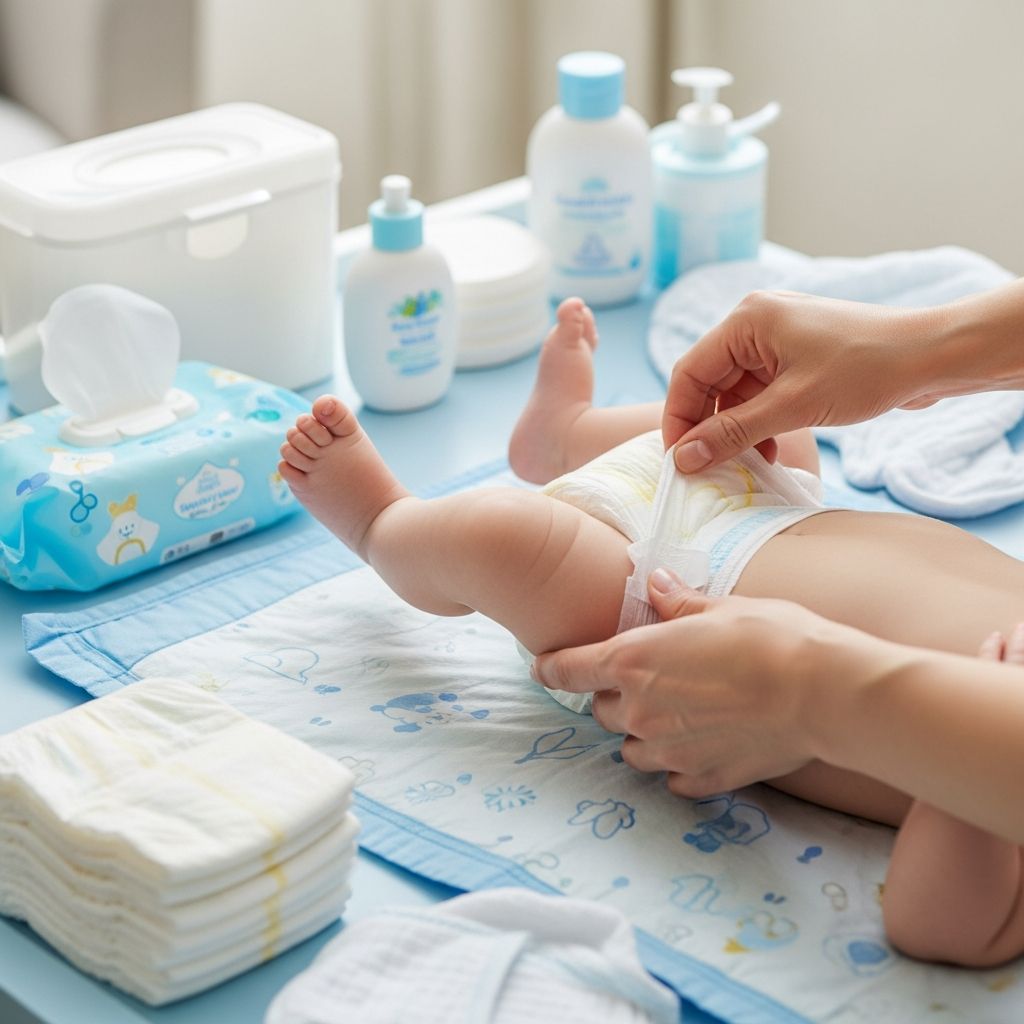
Diapering forms a fundamental part of infant care, ensuring cleanliness, comfort, and health from birth through toddlerhood. Parents quickly learn that effective diapering involves more than just swapping out soiled products—it’s about hygiene, proper fit, and preventing common issues like rashes. This guide draws on established pediatric practices to equip you with practical knowledge for every stage.
Essential Supplies for Smooth Diapering
Stocking a dedicated changing station streamlines the process and minimizes disruptions. Position all items within arm’s reach to maintain safety while keeping your baby secure.
- Diapers: Choose sizes based on weight—newborns up to 10 lbs, size 1 for 8-14 lbs, and so on. Stock 250-300 for the first month alone.
- Wipes or warm water with cloth: Fragrance-free options reduce irritation risks.
- Barrier cream: Zinc oxide-based for rash protection.
- Changing pad or table: Waterproof, firm surface at waist height with safety straps.
- Diaper pail or disposal bags: Odor-controlling for disposables.
- Cloth options: Pins or fasteners, laundry detergent safe for baby skin if applicable.
For newborns, prioritize diapers with umbilical cutouts. Always test fit: two fingers should fit at the waist, legs move freely without gaps.
Step-by-Step Diaper Changing Process
Mastering the routine takes practice, but consistency prevents leaks and infections. Always wash hands before and after, and keep one hand on baby.
- Prepare surface: Lay baby on back on clean pad; gather supplies.
- Unfasten and lift: Open diaper tabs; lift legs by ankles to slide out soiled diaper.
- Clean thoroughly: Wipe front to back—essential for girls to avoid UTIs. Use fresh wipes; pat dry.
- Apply protection: Cream on prone areas if skin is red.
- Position new diaper: Slide under baby, pull up between legs, fasten tabs snugly below navel.
- Check fit: No pinching, cuffs outward to block leaks.
- Dispose and sanitize: Roll soiled diaper away from baby; wash baby’s hands if possible.
| Age Group | Key Adjustments |
|---|---|
| Newborns | Fold waistband down over cord stump; cover boys before wiping. |
| Boys | Point penis down; extra absorbency in front. |
| Girls | Front-to-back wiping; more back absorbency. |
| Toddlers | Distraction toys; quick changes to avoid wiggles. |
Diapering Newborns: Special Considerations
Newborns demand frequent changes—up to 10-12 daily in week one, dropping to 8-10 by month two.Expect meconium (thick, black stools) first, transitioning to yellow seedy poops with breast milk. Wetness indicators help detect urine in disposables; aim for 6+ wets daily as hydration check.
Umbilical care: Keep stump dry; use notched diapers. For boys, gently direct streams downward post-wipe to avoid face sprays. Change before/after feeds if sleeping through nights isn’t yet routine.
Preventing and Treating Diaper Rash
Rashes affect most babies occasionally, stemming from prolonged wetness, friction, or sensitivities. Prevention hinges on prompt changes and breathable fits.
- Change after every poop, every 2-3 hours if wet.
- Allow diaper-free time 10-15 mins several times daily for air-drying.
- Avoid irritants: Scented wipes, powders (talcum risky for lungs; cornstarch ok sparingly).
- Pat, don’t rub, when drying.
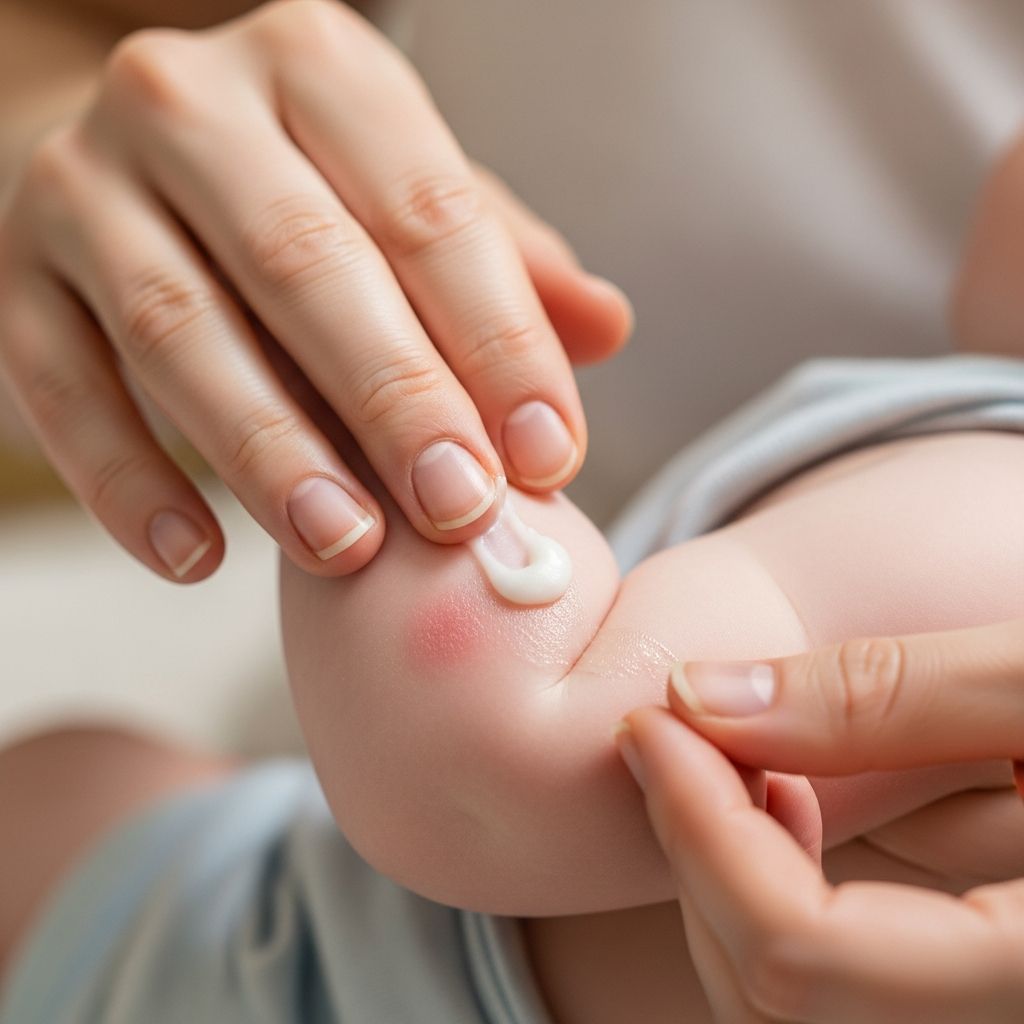
For treatment: Frequent changes, barrier cream at each diaper. If persistent (red, pustules), consult pediatrician—may indicate yeast or bacteria. Cloth users: Double-rinse laundry; add bleach safely.
Cloth vs. Disposable Diapers: Informed Choices
Both options work when used correctly; decision factors cost, convenience, environment.
| Factor | Cloth | Disposable |
|---|---|---|
| Cost (Year 1) | $300-800 upfront + wash | $1,000-2,500 |
| Convenience | Laundry daily | Grab-and-go |
| Absorbency/Leaks | Good with right fit | Often superior |
| Skin Health | Less chemicals; monitor detergent | Fragrance-free best |
| Environment | Reusable; water use | Landfill waste |
Hybrid approach: Cloth daytime, disposables nights/outings. Newborns may start disposables due to volume.
How Often Should You Change Diapers?
Frequency evolves: 10-12/day month 1, 6-8 by 6 months, 5/day after. Night changes optional after 6 weeks if no rash. Poop always prompts immediate action; urine every 2-3 hours or wetness feel. Track wets for feeding adequacy.
Safety Protocols During Changes
Never leave baby unattended—even seconds risk falls. Waist-high surface prevents back strain. Clean surface between uses; disinfect toys. Supervised diaper-free play boosts monitoring.
Common Diapering Challenges and Fixes
Blowouts: Size up, ensure cuff position, burp well pre-change.
Squirmy toddlers: Sing, toys, change standing.
Leaks: Right size, tabs parallel, no overtight waist.
Frequently Asked Questions
How many diapers for baby’s first year?
Average 2,500-3,000 total; 300+ newborn size if under 9 lbs at birth.
Can I use powder safely?
Cornstarch ok sparingly; avoid talc due to inhalation risks.
Signs of proper diaper fit?
Secure but two-finger waist gap; no red marks; legs kick freely.
Cloth diapering with rash history?
Yes—use hypoallergenic detergent, frequent changes.
When to call doctor for rash?
Blisters, fever, no improvement in 3 days.
Diapering evolves into bonding moments, fostering trust through gentle touch. Consistent habits promote skin health and parental confidence.
References
- Healthy Habits: Diaper Changing Steps at Home — Centers for Disease Control and Prevention (CDC). 2023. https://www.cdc.gov/hygiene/about/healthy-habits-diaper-changing-steps-at-home.html
- Diapering Your Baby — Sutter Health. 2024. https://www.sutterhealth.org/health/diapering-baby
- Diapers & Clothing — American Academy of Pediatrics (HealthyChildren.org). 2025-01-10. https://www.healthychildren.org/English/ages-stages/baby/diapers-clothing/Pages/default.aspx
- Diapering Your Newborn and Caring for Diaper Rash — Missouri Baptist Medical Center (MoBap Baby). 2024. https://www.mobapbaby.org/New-Parent-Guide/Newborn-Care-The-First-6-Weeks/Diapering-Diaper-Rash
- How Many Diapers Do I Need for Baby’s First Year? — Babylist (citing pediatrician Dr. Joel Warsh). 2024. https://www.babylist.com/hello-baby/how-many-diapers-babys-first-year