Understanding Your Baby’s Critical Growth Phase: Months 8 Through 12
The second half of an infant’s first year represents a transformative period in development. Between eight and twelve months, babies undergo remarkable changes in their physical abilities, cognitive understanding, and social awareness. During this phase, your baby transitions from a relatively stationary infant to a mobile explorer, beginning to communicate more clearly, and developing a stronger sense of independence. Parents and caregivers should understand these developmental progressions to support their baby’s growth effectively and recognize when additional support may be needed.
Physical Development and Movement Capabilities
During the 8-12 month period, babies make extraordinary strides in their ability to move and control their bodies. Movement development follows a predictable yet individualized pattern, with most babies achieving significant mobility milestones during this timeframe.
Sitting and Balance Achievements
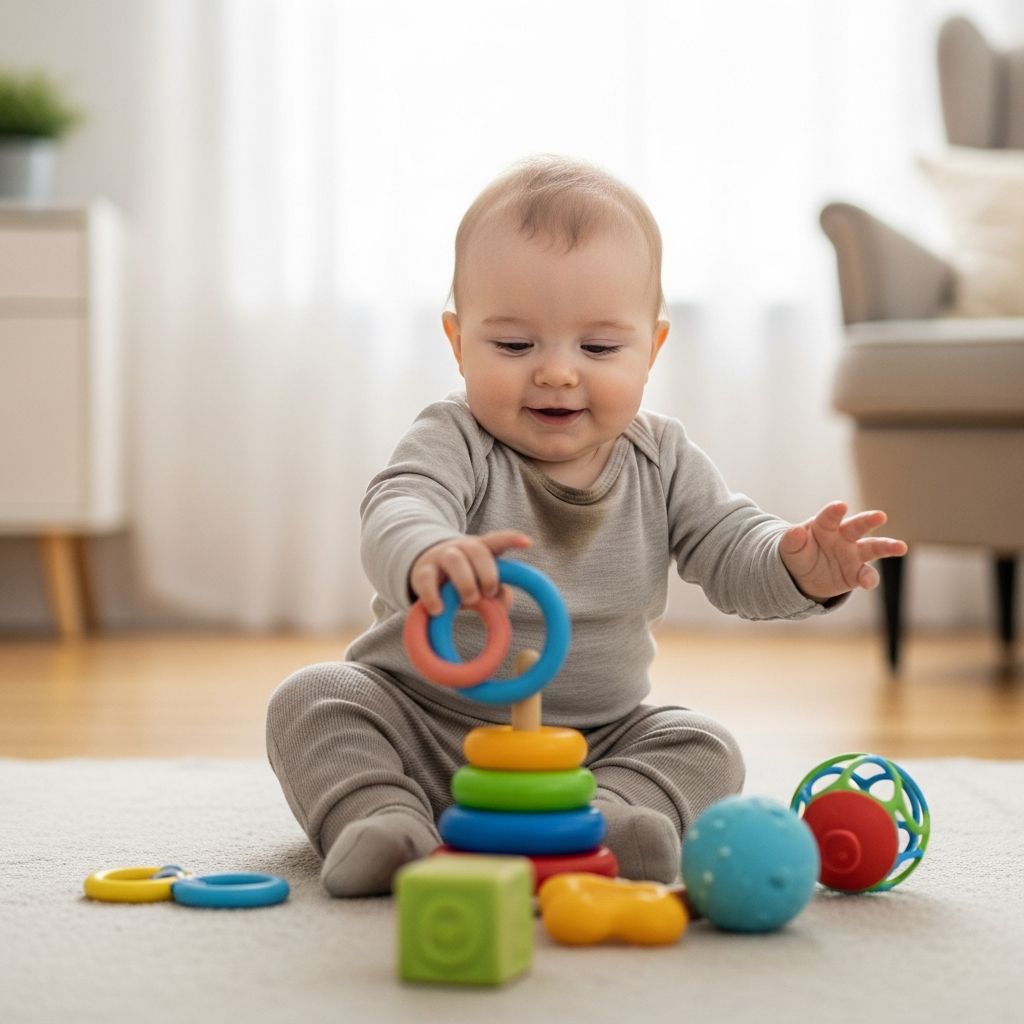
By eight to ten months, most babies can transition into a sitting position without assistance and maintain that position with minimal support. This represents significant progress from earlier months when babies required constant support. The ability to sit independently allows babies to free their hands for exploring objects and interacting with their environment in more sophisticated ways.
Crawling Patterns and Variations
Crawling typically emerges during this period, though the specific method varies considerably among babies. Some babies adopt a traditional hands-and-knees crawling pattern, while others may creep on their bellies, scoot backward, or develop other creative movement strategies. All of these variations represent normal development. By the latter part of this period, most babies can move independently across floors and navigate around obstacles.
Standing and Early Walking
One of the most visible milestones during months 8-12 is the progression toward standing and walking. Most babies can pull themselves to a standing position using furniture or a caregiver’s hands for support around ten months. Following this achievement, babies typically begin cruising—walking while holding onto furniture or other stable objects for balance. By twelve months, many babies can stand briefly without support, and some may take their first independent steps. However, the timing of independent walking varies widely among typically developing babies, with some walking before twelve months and others not walking until eighteen months or later.
Movement Milestones Summary Table
| Age Range | Key Movement Milestones |
|---|---|
| 8-10 months | Sits without assistance, crawls forward, assumes hand-and-knee position |
| 10-12 months | Pulls to standing, cruises along furniture, stands momentarily alone |
| 11-12 months | May take first independent steps, walks with finger support |
Fine Motor Skills and Hand Coordination
While gross motor development captures attention with visible walking and climbing, fine motor development—the coordination of small muscles in hands and fingers—progresses equally significantly during this period.
Grasping Techniques
During the early part of this period, babies refine their pincer grasp—the ability to pick up objects using the thumb and index finger in a pinching motion. This refined grasping technique emerges around seven to ten months and becomes increasingly accurate. The development of this skill enables babies to explore objects with greater precision and manipulate smaller items, advancing their problem-solving abilities.
Purposeful Object Manipulation
Babies begin using objects with greater intentionality during months 8-12. They learn to put objects into containers and remove them again, bang two blocks together, and poke at things with their index finger. These seemingly simple actions represent significant cognitive advancement, as babies test cause-and-effect relationships and develop understanding of object permanence.
Self-Feeding Development
A notable fine motor achievement during this period is self-feeding with finger foods. Babies can grasp small pieces of food and bring them to their mouths, though spoon and cup use remains unstable. This growing independence in feeding represents both a physical milestone and an important step toward autonomy.
Language Emergence and Communication
Language development accelerates dramatically during months 8-12, transitioning from babbling sounds to recognizable words and intentional communication.
Babbling and Sound Exploration
Early in this period, babies produce extensive babbling with varied sounds and inflection patterns. This babbling—often described as “jabbering”—serves as practice for eventual speech. Babies experiment with producing different consonant and vowel combinations, developing the mouth and throat control necessary for clear speech.
First Meaningful Words
Around eight to ten months, babies begin repeating specific sound patterns like “dada” and “mama,” though these utterances may not yet refer to specific people. By eleven to twelve months, most babies begin using these words intentionally to refer to their parents or caregivers. This transition from random babbling to intentional word use represents a fundamental shift in communication development.
Understanding and Responding
Beyond producing sounds, babies demonstrate increasing comprehension of spoken language. They show growing attention to words spoken by others, respond to simple verbal requests, and react to the word “no,” though their compliance may be fleeting. Babies also begin understanding that specific words correspond to specific objects or people, laying the foundation for vocabulary expansion.
Gesture Development
Communication becomes more sophisticated as babies learn to use gestures. They imitate gestures like waving goodbye, develop simple gestures to express wants and needs, and begin using exclamations such as “uh-oh.” These non-verbal communication strategies often precede or accompany verbal language development.
Cognitive Growth and Emerging Problem-Solving
During months 8-12, babies develop more complex thinking patterns and begin understanding how the world works.
Object Permanence and Hidden Object Searches
A major cognitive achievement during this period is understanding that objects continue to exist even when hidden from view. By ten to twelve months, babies readily search for and find hidden objects, understanding that disappearance is temporary. This concept, called object permanence, represents a significant shift in how babies understand their environment.
Cause and Effect Understanding
Babies become increasingly aware of cause-and-effect relationships. They purposefully repeat actions to create outcomes, such as dropping a spoon from a highchair repeatedly or banging blocks together to create sound. Through these experiments, they develop theories about how objects behave and what actions produce specific results.
Attention Span Development
Attention capacity increases noticeably during this period. An eight-month-old might spend only two to three minutes with a single toy before moving to something new, while a twelve-month-old may focus on one activity for up to fifteen minutes. Despite this improvement, babies this age remain primarily “bodies in motion,” frequently shifting between activities and interests.
Object Properties and Scientific Exploration
Babies develop theories about physical properties of objects. Through exploration—shaking, banging, throwing, and dropping—they learn which objects roll, which are soft or scratchy, which are the right size to fit inside other objects, and which are edible. This exploratory behavior, while sometimes exhausting for parents, represents important scientific thinking and hypothesis testing.
Social and Emotional Development
Between eight and twelve months, babies develop more complex social awareness and stronger emotional connections to their caregivers.
Caregiver Preference and Separation Anxiety
Babies show increasing preference for their primary caregiver over other people and demonstrate distress when that caregiver leaves, a phenomenon called separation anxiety. This milestone, while challenging for parents, actually indicates healthy attachment and cognitive development. Babies understand that their primary caregiver is a separate person and recognize that person’s importance in their life.
Stranger Awareness and Shyness
Rather than being friendly with everyone, babies this age often display shyness or anxiety toward unfamiliar people. This wariness of strangers, emerging during this period, reflects increasing cognitive sophistication and preference for familiar faces.
Imitation and Social Learning
Babies enthusiastically imitate people in their environment, copying gestures, sounds, and actions. This imitation serves as an important learning mechanism and demonstrates babies’ developing understanding of how people interact. They observe their environment and attempt to replicate what they observe.
Behavioral Testing and Boundary Awareness
Babies begin testing parental responses to different behaviors. They observe whether actions produce reactions and learn about behavioral boundaries. When told “no,” babies may momentarily pause, though sustained compliance develops later. This testing behavior indicates developing understanding of social rules and consequences.
Emotion Expression and Preference Development
Babies show specific preferences for certain toys and people, express emotions more clearly, and enjoy activities that produce reactions from caregivers. They may also demonstrate fear in some situations, such as the bathtub, loud noises, or unfamiliar environments. These emotional responses reflect increasing awareness and memory development.
Daily Living Skills and Self-Care
As fine motor skills improve and babies develop greater coordination, they begin participating in daily care activities with increasing independence.
Feeding Development
Babies transition from exclusively bottle or breast feeding to incorporating solid foods and attempting to feed themselves. By twelve months, babies can feed themselves finger foods and drink from a cup with a spout, though the process remains messy. Cup drinking remains unstable, with jaw and tongue protrusion during swallowing, but babies make progress toward more coordinated eating.
Dressing and Personal Care Participation
Babies begin assisting with dressing by extending arms and legs when clothing is being put on or removed. They may also imitate personal care routines, such as brushing hair or holding a phone to their ear, indicating understanding of how objects are used.
Sleep Pattern Development
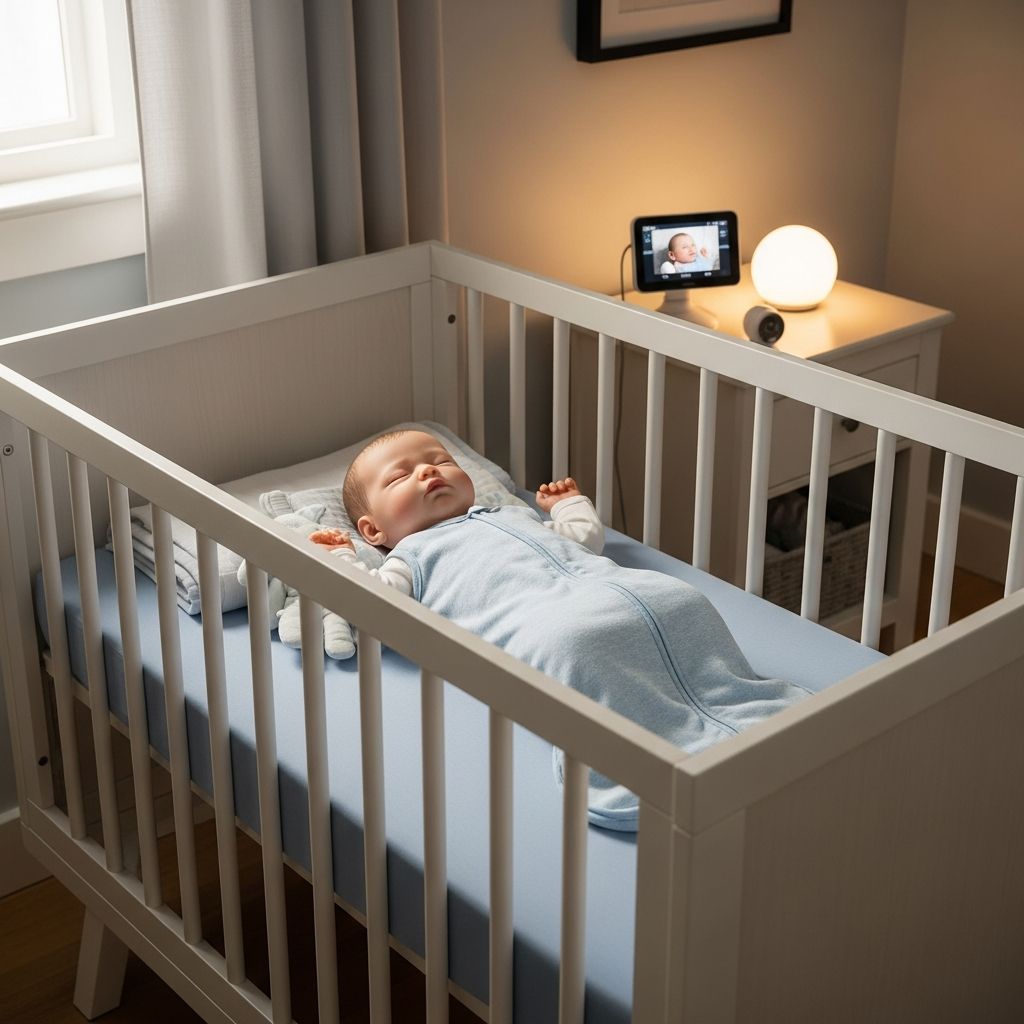
By the end of the first year, most babies typically take two naps daily and can sleep up to twelve hours at night without feeding. However, night wakings may persist as babies seek parental comfort or may wake looking for caregivers due to separation anxiety.
Teething and Oral Development
Physical development includes significant changes in the mouth and jaw during this period. New teeth continue erupting, with most babies having four to six teeth by twelve months. Improved coordination of sucking, swallowing, and breathing progresses throughout this period, reaching improved coordination by ten to twelve months. Babies develop some jaw separation from tongue and lip during biting, reflecting increased oral motor control.
Important Red Flags and When to Seek Support
While developmental timelines vary among typically developing babies, certain patterns warrant consultation with pediatric professionals. Babies who do not crawl by twelve months, drag one side of their body while crawling persistently, cannot stand with support, do not search for hidden objects by twelve months, have not said any single words like “mama” or “dada” by twelve months, or do not learn gestures such as waving or shaking head may benefit from developmental assessment.
Supporting Development During Months 8-12
Parents can support optimal development by providing safe exploration opportunities, engaging in interactive play, responding to communication attempts, reading books together, playing games like peek-a-boo, and following their baby’s interests. Offering varied textures, shapes, and sizes of objects supports sensory exploration. Narrating daily activities helps language development. Most importantly, maintaining responsive, affectionate caregiving supports healthy social and emotional development.
Conclusion: Celebrating Rapid Progress
The period from eight to twelve months encompasses extraordinary developmental progress. Babies transition from relatively dependent infants to mobile toddlers with emerging communication skills, complex thinking patterns, and strong social attachments. Understanding these milestones helps parents recognize their baby’s remarkable achievements and provides perspective on the normal variations in developmental timing. Each baby follows their own unique developmental pathway, and the wide range of normal development during this period reflects the natural diversity in human growth and maturation.
Frequently Asked Questions
Q: Why does my baby cry when I leave the room?
A: This separation anxiety is a normal developmental milestone indicating your baby understands you are a separate person and values your presence. It typically peaks around nine to eighteen months and gradually improves as babies develop more sophisticated understanding of object permanence and memory.
Q: When should my baby be walking?
A: Walking independently varies widely among typically developing babies. Most babies take first steps between twelve and eighteen months. Some babies walk before twelve months, while others don’t walk until eighteen months or later. Pulling to stand and cruising along furniture typically precedes independent walking.
Q: Is it normal for my baby to crawl backward?
A: Yes, backward crawling is completely normal. Some babies crawl backward before forward, and some babies never crawl forward at all. The method of crawling varies greatly among babies and has no correlation with later development.
Q: My baby isn’t saying words yet at twelve months. Should I be concerned?
A: While many babies say at least one word like “mama” or “dada” by twelve months, some typically developing children don’t speak recognizable words until fifteen to eighteen months. If your baby understands simple requests, uses gestures, and makes various sounds, development is likely progressing normally. However, if you have concerns, discuss them with your pediatrician.
Q: How can I encourage my baby’s development during this period?
A: Provide safe spaces for exploration, engage in interactive play, read books together, play peek-a-boo and other games, narrate daily activities to support language development, offer various objects for sensory exploration, and maintain responsive, affectionate caregiving. Follow your baby’s interests and allow time for independent exploration.
Q: Is my baby developing normally if they prefer their primary caregiver?
A: Yes, showing preference for a primary caregiver and displaying wariness of strangers during months 8-12 indicates healthy attachment and normal cognitive development. This preference typically strengthens during this period before gradually becoming more flexible in toddlerhood.
References
- 8-12 Month Milestones | Child Developmental Stages — Helping Hands Therapy. Accessed 2026. https://www.helpinghandstherapy.org/milestones/8-12-months/
- Learning, Play, and Your 8- to 12-Month-Old — Nemours KidsHealth. Accessed 2026. https://kidshealth.org/en/parents/learn812m.html
- Developmental Milestones: 10-12 Month Baby — CHOC Children’s. Accessed 2026. https://choc.org/ages-stages/10-to-12-months/
- Developmental Milestones for 8 to 12 Months — University of Louisville Health. Accessed 2026. https://uoflhealth.org/articles/developmental-milestones-for-8-to-12-months/
- Infant Development: Milestones from 10 to 12 Months — Mayo Clinic. Accessed 2026. https://www.mayoclinic.org/healthy-lifestyle/infant-and-toddler-health/in-depth/infant-development/art-20047380
- Cognitive Development in Infants: 8 to 12 Months — Healthy Children (American Academy of Pediatrics). Accessed 2026. https://www.healthychildren.org/English/ages-stages/baby/Pages/Cognitive-Development-8-to-12-Months.aspx