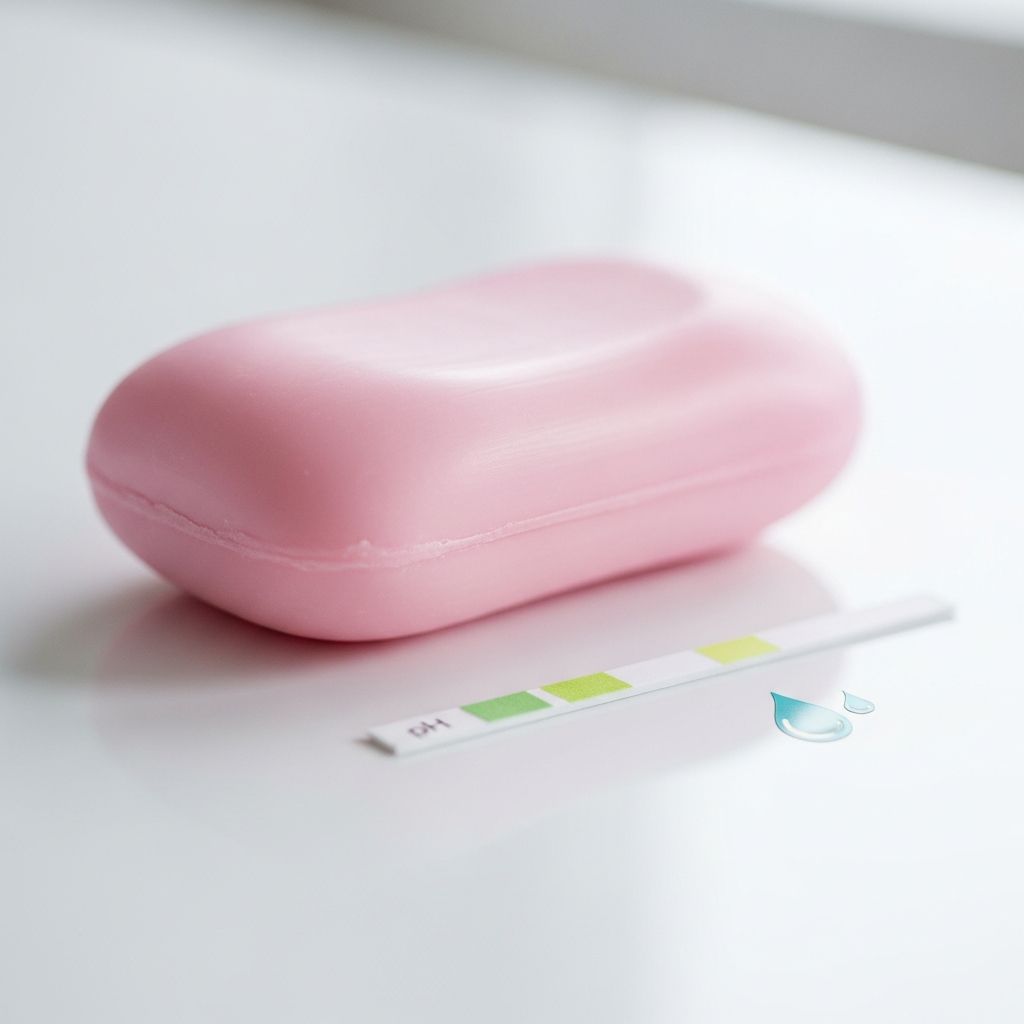
The intimate area requires delicate care due to its unique pH environment, typically ranging from 3.8 to 4.5, which supports beneficial bacteria and wards off infections. Many marketed **vaginal pH soap bars** claim to maintain this balance, but experts caution they may disrupt the vaginal microbiome instead.
Understanding the Vaginal Ecosystem
The vagina maintains a slightly acidic pH through lactobacilli bacteria that produce lactic acid. This acidity prevents harmful pathogens from thriving. Disruptions, such as from alkaline products, can lead to bacterial vaginosis (BV) or yeast infections, causing itching, odor, and discomfort.
Bar soaps, even those labeled pH-balanced for vaginal use, often contain surfactants that strip natural oils and alter this delicate equilibrium. Liquid washes formulated for the vulva tend to be milder, but bar forms can harbor bacteria in moist environments, exacerbating issues.
Potential Dangers of Soap Bars Down There
Regular bar soaps have a high pH (around 9-10), far too alkaline for the vulva or vagina. Even “pH-adjusted” vaginal soap bars may not match the precise 3.5-4.5 range needed, leading to dryness, irritation, and increased infection risk.
- Irritation and Allergic Reactions: Harsh ingredients cause burning or redness, especially on thin vulvar skin.
- Microbiome Imbalance: Surfactants kill good bacteria, allowing anaerobic overgrowth linked to BV.
- Chronic Issues: Repeated use worsens symptoms like odor and itching, prompting a cycle of misuse.
Studies show plant-based intimate cleansers preserve hydration and pH better than conventional soaps, reducing symptoms like burning.
Expert Opinions on Intimate Cleansing
Gynecologists unanimously advise against internal vaginal washing or douching, as it flushes protective bacteria. For external vulvar care, warm water suffices, but if cleansing is needed, opt for hypoallergenic, pH-balanced (4.2-5.6) liquids without fragrances.
“Avoid perfumed products, soaps, or anything not specifically tested for genital use,” recommends specialists, emphasizing external-only application.
Products like Vagisil Daily Intimate Wash are gynecologist-approved for labial use, being hypoallergenic and pH-matched, though fragrance-sensitive individuals should skip them.
Common Myths About Feminine Hygiene Products
| Myth | Fact | Source Insight |
|---|---|---|
| Yoni soaps detox or tighten the vagina | No soap cures infections, balances hormones, or alters anatomy; they risk harm. | |
| Soap bars are better than liquids | Liquids with emollients are gentler; bars dry skin and disrupt pH. | |
| Scented washes freshen naturally | They mask issues while causing imbalances; consult a doctor for odors. | |
| All pH soaps are safe | Only vulva-specific, dermatologist-tested ones; check for irritants. |
Excessive cleaning or using body soaps invites problems, as the vagina self-cleans via discharge.
Signs Your Hygiene Routine Needs Adjustment
Monitor for these red flags indicating pH disruption from soaps:
- Unusual odor (fishy for BV)
- Itching or burning post-wash
- Increased discharge or dryness
- Recurrent infections
If symptoms persist, see a gynecologist; products like pH-balanced gels with lactic acid can restore flora.
Safe Alternatives for Daily Intimate Care
Prioritize these options over vaginal pH soap bars:
- Warm Water: Ideal for most, removes debris without altering pH.
- pH-Balanced Washes: Use on vulva only, with organic aloe or lactic acid (e.g., Balance Moisturizing Wash, pH 4.0).
- Hypoallergenic Wipes: Convenient for travel, matching wash formulas.
- Plant-Extract Cleansers: Support hydration and microbiome better than lactic acid alone.
Avoid antibacterial soaps, powders, or sprays entirely.
Best Practices for Vulvar Hygiene
Maintain health through lifestyle:
- Wipe front to back
- Wear breathable cotton underwear
- Change out of wet clothes promptly
- Limit laundry detergents to unscented
- Practice safe sex to prevent STIs
During menstruation, gentle washes help manage flow without irritation.
Frequently Asked Questions (FAQs)
Can I use regular soap on my vulva?
No, its high pH disrupts the acidic environment, risking infections. Stick to water or specialized products.
What’s the ideal vaginal pH?
3.8-4.5 for reproductive-age women, supporting lactobacilli dominance.
Do pH soap bars prevent BV?
They often worsen it by killing good bacteria; treat BV medically.
Is douching ever safe?
Never; it removes protective mucus and increases infection risk.
How often should I clean intimately?
Daily external rinse with water; over-washing strips oils.
Maintaining Long-Term Vaginal Wellness
Beyond products, diet rich in probiotics, hydration, and stress management bolster the microbiome. Regular gynecological check-ups catch imbalances early. Shun marketing hype around “detox” soaps—no bar soap penetrates or heals internally.
For those with sensitivities, patch-test new products and introduce gradually. Research confirms gentle, external-only routines yield the best outcomes, minimizing disruptions.
References
- Is Bar Soap Bad for the Vaginal Microbiome? — Good Clean Love. 2023. https://goodcleanlove.com/blogs/making-love-sustainable/is-bar-soap-bad-for-the-vaginal-microbiome
- Don’t Put That In Your Vagina! Vaginal Care Products to AVOID — Daye. 2024. https://www.yourdaye.com/vitals/womens-health/dont-put-that-in-your-vagina-vaginal-care-products-to-avoid/
- Feminine Intimate Hygiene: A Review of Healthy and Unhealthy… — PMC (PubMed Central). 2024-10-15. https://pmc.ncbi.nlm.nih.gov/articles/PMC12300265/
- The TRUTH About Yoni Bars: A Soaper’s Guide… — Ultimate Guide to Soap. 2023. https://www.ultimateguidetosoap.com/post/the-truth-about-yoni-soaps-a-soaper-s-guide-to-safe-personal-cleansing-and-loving-your-flora
- 12 Gynecologist-Approved Vaginal Soaps, Cleansers, Washes — Healthline. 2024. https://www.healthline.com/health/vulva-vagina-products
- 6 Myths and Facts About Intimate Washes — B.O.B. 2023. https://www.barsoverbottles.com/blogs/news/intimate-wash
- How to practice good vaginal hygiene — Nebraska Medicine. 2024-01-10. https://www.nebraskamed.com/womens-health/how-to-practice-good-vaginal-hygiene