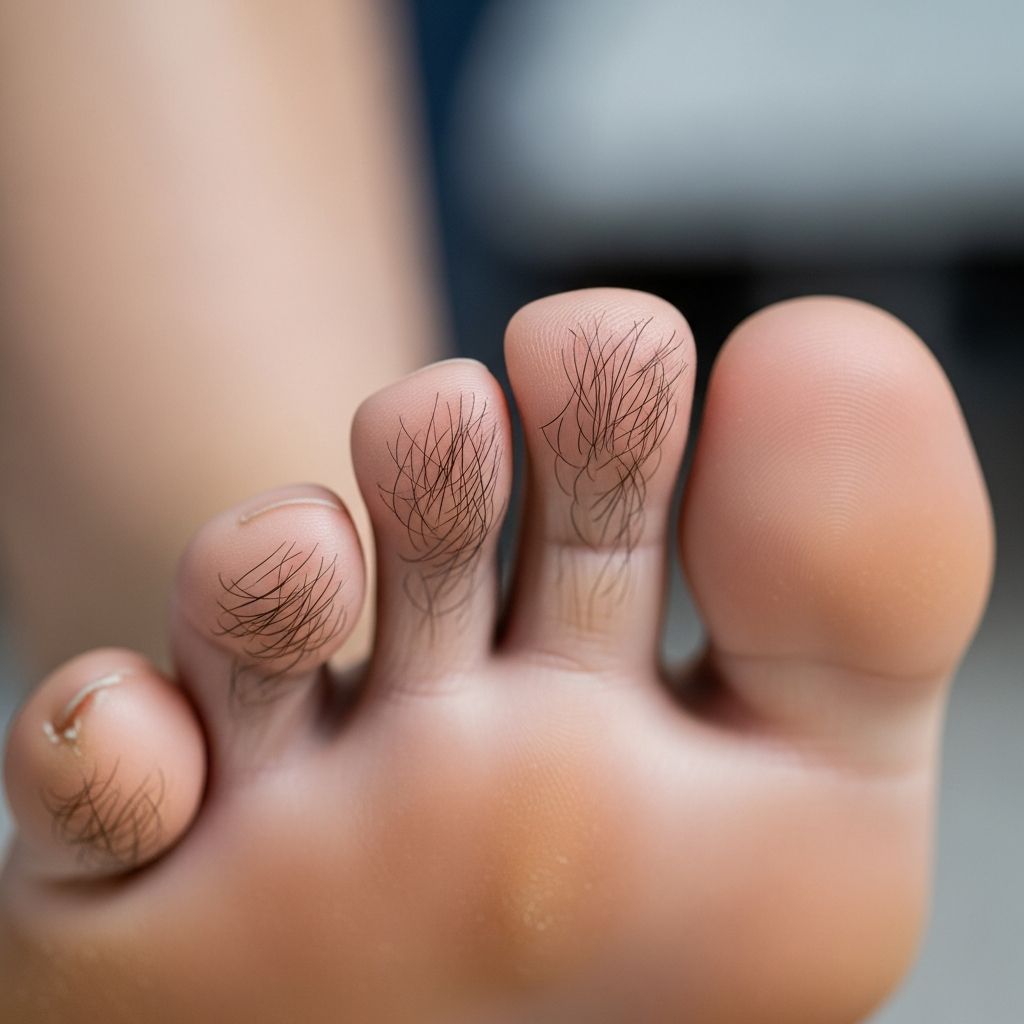
Finding hair on your toes can be surprising, funny, or even a little embarrassing, but in most cases it is a completely normal part of how the body grows hair.
Sometimes, however, sudden changes in toe hair—either more or less of it—can offer useful clues about your circulation, hormones, or overall health and deserve a closer look from a medical professional.
How Toe Hair Works
Hair on the toes grows from tiny follicles in the skin, similar to the follicles on the legs, arms, and scalp, and each follicle cycles through growth and rest phases over time.
The thickness, color, and density of toe hair vary widely among people and are shaped by inherited traits, hormone levels, and how sensitive the follicles are to those hormones.
- Toe hair can appear at puberty as hormones rise and may change again later in life as hormone levels shift.
- Follicles on the toes are small and close to the surface, so even minor friction from shoes or socks can make hair appear thinner or patchier.
Common Reasons Toes Are Hairy
Most people with hairy toes are simply seeing their genetics and hormones at work, not a disease.
Understanding the usual reasons for toe hair can help separate normal variation from changes that might need attention.
Genetics and Family Traits
Family history is a major reason some people have more hair on their toes than others, since genes influence how many follicles develop in each region and how active they are.
If close relatives have clearly visible toe hair, there is a good chance you inherited similar hair growth patterns, even if they show up slightly differently on your own feet.
- People from certain ethnic backgrounds naturally grow darker or thicker body hair, including on the toes.
- Genetic differences in hormone receptors can make follicles more or less responsive to typical hormone levels.
Hormonal Influences
Hormones such as androgens help drive the growth of thicker, darker hair on the body, and changes in those hormone levels can show up as more noticeable hair on the toes.
In women, conditions that increase androgen levels—like polycystic ovary syndrome—may contribute to extra hair on areas such as the chin, chest, abdomen, and toes.
- Hormone-related hair growth often appears on several body regions at once, not just on the feet.
- Cycle-related or menopause-related hormone shifts can subtly change body hair patterns over time.
Medications and Medical Treatments
Certain medications can cause increased body hair as a side effect, and while this is more common on the face or trunk, the toes can be affected as well.
Drugs linked to extra hair growth may include some antidepressants, anabolic steroids, and corticosteroids, though not everyone who takes these medicines will notice a change in toe hair.
- Medication-related hair growth often improves after the drug is stopped or adjusted under medical guidance.
- People using hormone therapies for fertility, gender affirmation, or other reasons may also see shifts in body hair patterns.
Hairy Toes and Circulation
Hair needs a steady blood supply to grow, so toe hair is more likely to exist where circulation is strong enough to nourish those tiny follicles.
However, having toe hair is not a precise test of circulation, and plenty of people with excellent blood flow have very little or no visible hair on their toes.
| Toe hair pattern | What it can indicate | When to get checked |
|---|---|---|
| Stable, lifelong hairy toes | Likely normal genetic variation with adequate blood flow to follicles. | No special testing needed unless you also notice pain, color changes, or wounds that do not heal. |
| Gradual loss of toe hair with age | Can reflect natural aging, footwear friction, or lifestyle changes. | Discuss with a clinician if accompanied by leg cramps, temperature changes, or skin thinning. |
| Sudden loss of previously visible toe hair | Sometimes associated with reduced circulation or vascular disease affecting the feet. | Seek medical evaluation promptly, especially if combined with numbness, discoloration, or non-healing sores. |
| New, fast-growing dense toe hair | Occasionally linked to hormonal shifts, medications, or, rarely, underlying illness. | Bring up with your doctor if the change is abrupt, one-sided, or occurs with other unexplained symptoms. |
When Hair Loss on Toes Matters
While many people pay attention to extra hair, disappearing hair on the toes can sometimes be more meaningful from a medical standpoint, especially when it happens quickly.
Certain circulatory conditions can reduce blood supply to the feet, and over time this may thin or remove toe hair as the body prioritizes blood flow to vital organs.
- Poor arterial circulation can be associated with high cholesterol, diabetes, or plaque buildup in leg arteries.
- Lack of hair is more concerning when paired with cold feet, color changes, or pain with walking.
Peripheral Arterial Disease and Your Feet
Peripheral arterial disease involves narrowed arteries that limit blood flow to the limbs, and one subtle sign can be thinning or complete loss of hair on the feet and toes.
Other common features include leg discomfort with activity, slow-healing sores on the feet, and shiny or fragile skin on the lower legs.
- People who smoke, have diabetes, or have long-term high cholesterol face a higher risk of circulation problems in the legs.
- Early diagnosis allows lifestyle changes and medical treatments to reduce complications and protect limb health.
Can Hairy Toes Signal Hormone or Organ Issues?
In some situations, unusually thick or rapidly increasing hair on the toes can be one part of a bigger picture involving hormone or endocrine disorders.
These conditions typically affect hair growth throughout the body, so toe hair is just one of many possible clues for a clinician to consider.
- Hormonal disorders that increase androgens may cause coarse hair on the face, chest, abdomen, and limbs.
- Adrenal or ovarian problems have been associated with more intense hair growth in some people, including on the toes.
Very Rare but Serious Causes
Extremely rapid, unexpected growth of hair on the toes has been noted in rare cases of serious disease, although these situations are uncommon compared with other causes.
Because of this, any major change in the appearance of your feet—new growths, new wounds, new discoloration, or striking changes in hair—warrants a mention at your next medical visit, even if it ultimately proves benign.
- Foot cancers and certain soft-tissue tumors are uncommon, but they are easier to treat when noticed early.
- Regular self-checks of the feet help catch a wide range of problems, from infections to circulation issues, before they progress.
Cosmetic Concerns: Managing Toe Hair Safely
Even when toe hair is medically normal, many people prefer to reduce or remove it for cosmetic, personal, or cultural reasons.
Choosing a method that suits your skin type, pain tolerance, and budget can make toe hair management much easier and safer.
Home Hair Removal Options
Several do-it-yourself approaches can minimize or remove toe hair, but each carries pros and cons in terms of irritation, duration, and effort.
Being gentle with the skin around the toes is especially important because tight shoes and daily friction can already stress the area.
- Trimming: Using small, clean scissors or an electric trimmer shortens hair without touching the skin, lowering the risk of cuts and infection.
- Shaving: A clean razor with shaving cream or gel can remove hair at the surface, though regrowth is quick and nicks are more likely on bony toes.
- Depilatory creams: Chemical hair removers dissolve hair shafts, but should be patch-tested on another area first to check for allergic reactions or burning.
- At-home waxing strips: These can pull hair from the root for longer-lasting smoothness, yet may be uncomfortable and can irritate sensitive skin near the nails.
Longer-Lasting Professional Options
For people who find frequent shaving or trimming frustrating, longer-term solutions performed by trained professionals may be appealing.
Because the toes are small and delicate, working with experienced providers can help reduce side effects and improve results.
- Salon waxing: Removes hair from the root, often keeping the toes smooth for weeks, though it may cause temporary redness or ingrown hairs.
- Laser hair reduction: Targets pigment in the follicle to slow or reduce growth over multiple sessions; best suited to certain skin and hair combinations and usually requires medical or dermatologic oversight.
- Electrolysis: Uses a tiny probe to disable individual follicles, offering the potential for very long-lasting results, but multiple visits and patience are needed.
When To See a Doctor About Toe Hair
Most people with hairy toes never need medical care for that specific issue, but some patterns and accompanying symptoms make a professional check-in a smart choice.
If new toe hair or loss of toe hair occurs together with other changes in the skin, nerves, or nails of the feet, it can help clinicians spot circulation or endocrine problems earlier.
- Report sudden disappearance of previously visible hair, particularly on both feet, alongside coldness, color changes, or calf pain while walking.
- Seek advice if toe hair growth becomes much thicker very quickly and is associated with menstrual irregularity, weight changes, or other hormone-related signs.
- Ask for a foot exam if you have diabetes, high cholesterol, or a history of vascular disease, even if toe hair looks unchanged.
- Mention any new growths, sores, or moles on the feet that appear at the same time as notable shifts in hair patterns.
Simple Foot Care Habits for Healthier Toes
Regardless of how much hair is on your toes, good foot care supports skin integrity, circulation, and comfort throughout daily life.
Small routines at home, combined with periodic professional evaluations, can prevent many common foot problems from becoming serious.
- Wash and dry feet carefully every day, paying attention to the spaces between toes to limit moisture buildup and infection.
- Moisturize the tops and soles of the feet while avoiding the tight spaces between toes, which are prone to fungal overgrowth when damp.
- Choose shoes that provide enough room for toes and avoid constant rubbing over the tops of them to reduce irritation and follicle damage.
- Rotate footwear and socks to keep the environment around the feet as dry and breathable as possible.
- If you live with diabetes or known circulation problems, follow any personalized foot-care plans from your healthcare team and schedule regular reviews.
Frequently Asked Questions About Hairy Toes
Is it normal to have hair on my toes?
Yes, visible hair on the toes is common and usually reflects genetics and normal hormone activity, not an illness.
Does having hairy toes prove my circulation is good?
Toe hair tends to grow where there is enough blood flow to support follicles, but its presence alone does not provide a complete assessment of circulation, which requires medical evaluation if symptoms arise.
Should I worry if my toe hair disappears?
Gradual thinning over many years can be part of aging or friction from shoes, but sudden or marked hair loss, especially with cold, painful, or discolored feet, deserves prompt medical attention.
Can toe hair mean I have a hormone problem?
Toe hair by itself rarely signals a hormone disorder, yet very dense or rapidly increasing hair on multiple body areas, including the toes, can be one of several signs that a clinician may investigate.
What is the safest way to remove hair from my toes?
Gentle methods like trimming or careful shaving are usually safe for healthy skin, while waxing, depilatory creams, laser, or electrolysis may suit some people if used correctly and, when needed, with professional guidance.
Can kids or teens have hairy toes?
Yes, as puberty progresses and hormone levels rise, adolescents may develop more visible hair on the toes, legs, and other areas, reflecting normal physical development.
When is toe hair a medical emergency?
Toe hair itself is not an emergency, but any combination of sudden hair loss, extreme pain, color changes to blue, black, or very pale, or non-healing wounds on the feet should be treated urgently.
Key Takeaways
- Hair on the toes is usually a normal, inherited trait influenced by hormones and does not automatically mean something is wrong.
- Loss of toe hair can, in some situations, suggest circulation problems and is more concerning when paired with other symptoms such as pain, temperature changes, or slow-healing sores.
- Cosmetic removal of toe hair is a personal choice, and there are many safe options ranging from simple trimming to professional treatments.
- Any sudden or dramatic change in toe hair—especially alongside other changes in your feet—should be discussed with a healthcare professional to rule out underlying issues.