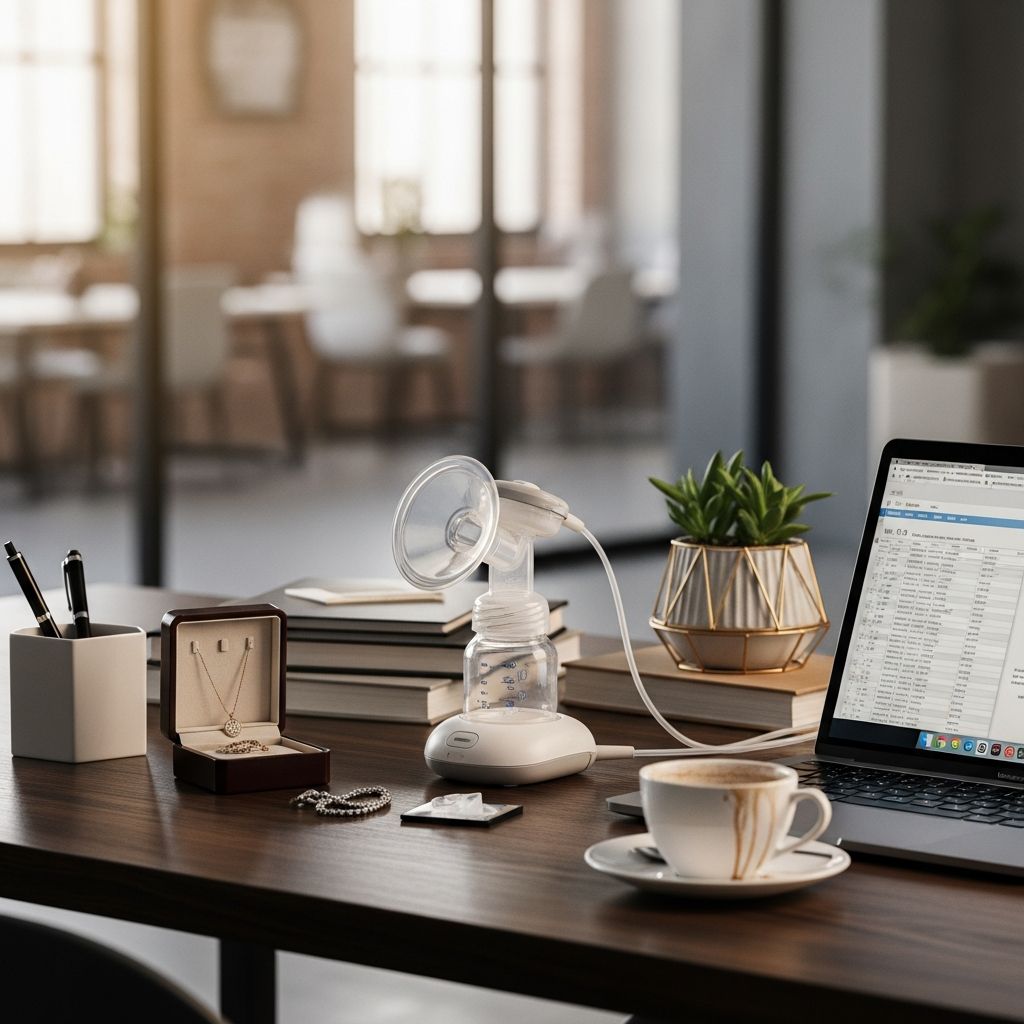
Balancing motherhood and a demanding career often means navigating the practical realities of breastfeeding in professional settings. The story of Anne Hathaway during the filming of Ocean’s 8 exemplifies how empathy and advocacy can transform a challenging situation into a moment of empowerment for nursing mothers.
The Power of On-Set Solidarity for Nursing Actresses
In 2016, shortly after welcoming her son Jonathan, Anne Hathaway returned to work on the all-female heist film Ocean’s 8. Breastfeeding was still central to her routine, requiring her to pump milk periodically amid long shooting days. During a Today Show appearance with co-stars including Sandra Bullock, Cate Blanchett, Rihanna, Mindy Kaling, Sarah Paulson, and Awkwafina, Hathaway shared a pivotal moment that highlighted the set’s nurturing environment.
While filming extended beyond schedule, Hathaway felt discomfort from engorged breasts. Hesitant at first, she confided in her colleagues. Without hesitation, they encircled her, insisting on an immediate production halt: “We need a break. Annie needs to go do this.” This collective stand not only addressed her immediate need but also affirmed that maternal health trumps rigid timelines.
Hathaway reflected, “I had that moment where I was like, ‘Oh, is this going to be a positive environment?’ Everybody was fantastic.” Such support was rare, especially in high-pressure film production, underscoring the unique dynamics of an all-women cast where half were mothers themselves.
Why Breast Pumping Matters in High-Stakes Careers
Breast milk expression, or pumping, is crucial for maintaining lactation when separated from an infant. For working mothers, it sustains breastfeeding benefits like boosted immunity for babies and maternal health advantages, as endorsed by health authorities. Regular pumping prevents issues like mastitis and supports long-term nursing success.
In entertainment, where schedules are unpredictable, pumping demands flexibility. Hathaway’s experience reveals how unaddressed needs can lead to pain and distraction, potentially impacting performance. Yet, supportive environments enhance focus and productivity, proving that accommodating nursing mothers benefits everyone.
- Physical relief: Prevents engorgement and related discomfort during extended work hours.
- Mental boost: Reduces anxiety, allowing full professional engagement.
- Health continuity: Ensures babies receive optimal nutrition remotely.
Legal Protections: What U.S. Law Says About Pumping at Work
Federal law provides a foundation for nursing mothers in the workplace. The Fair Labor Standards Act (FLSA), amended by the Providing Urgent Maternal Protections (PUMP) for Nursing Mothers Act effective 2025, mandates reasonable break time and a private, non-bathroom space for employees to express milk for one year post-birth.
Covered employers must comply without retaliation, though small businesses (under 50 employees) may claim undue hardship exemptions. States like California and New York offer even stronger protections, including paid time.
| Aspect | Federal (PUMP Act) | California Example |
|---|---|---|
| Break Time | Reasonable, unpaid | Up to 10 min/hour, paid if on duty |
| Duration | 1 year post-birth | 1 year post-birth |
| Space | Private, non-bathroom | Private, shielded, electrical outlet |
| Storage | Not specified | Refrigerator or insulated cooler access |
These laws aim to close gaps, but enforcement varies. A 2023 CDC report notes 25% of U.S. mothers return to work before three months postpartum, heightening pumping needs.
Persistent Challenges Faced by Nursing Professionals
Despite laws, barriers persist. Many workplaces lack dedicated lactation spaces, forcing mothers into storage closets or cars. Stigma portrays pumping as unprofessional, leading to isolation or career penalties. A 2022 study by the U.S. Department of Health and Human Services found 40% of working mothers faced discouragement from breastfeeding post-return.
In creative industries like film, irregular hours complicate matters. Hathaway’s initial apprehension echoed common fears: judgment from colleagues or bosses prioritizing output over well-being.
Additional hurdles include:
- Inadequate facilities: No clean, lockable rooms with power sources.
- Time pressure: Short breaks insufficient for setup, pumping, and cleanup (15-20 minutes per session).
- Storage issues: Limited refrigeration for milk.
- Cultural bias: Misconceptions that pumping disrupts workflow.
Building Supportive Workplaces: Strategies from Celebrities to Cubicles
Hathaway’s co-stars modeled allyship by normalizing needs and prioritizing health. Employers can replicate this through proactive policies.
- Designate lactation rooms: Comfortable spaces with chairs, tables, outlets, and privacy.
- Offer flexible scheduling: Allow pumping during natural breaks.
- Provide resources: Hospital-grade pumps, coolers, and education.
- Foster culture: Train staff on benefits and etiquette.
- Lead by example: Executives sharing stories reduce stigma.
Beyond film, companies like Google and Patagonia exemplify success with on-site mother’s rooms and generous leave, boosting retention.
Broadening the Conversation: Support Beyond Pumping
The Ocean’s 8 set extended empathy to postpartum body image. Rihanna’s playful affirmation of Hathaway’s figure—“Damn girl, you got an ass”—countered insecurities, fostering confidence. Mindy Kaling noted children visiting seamlessly wove family into work life.
This holistic support highlights that aiding working moms involves emotional backing alongside logistics.
Practical Tips for Nursing Mothers Entering the Workforce
Preparation empowers. Here’s a guide:
- Research rights: Review employer policies and local laws pre-return.
- Communicate early: Discuss needs with HR during leave.
- Invest in gear: Portable, double electric pumps for efficiency.
- Build networks: Connect with mom colleagues for advice.
- Track sessions: Apps monitor output and baby feeds.
For employers, starting dialogues prevents issues.
Frequently Asked Questions About Pumping at Work
What are my rights if my employer denies pumping breaks?
File a complaint with the U.S. Department of Labor’s Wage and Hour Division. Document incidents for evidence.
How often should I pump at work?
Every 2-3 hours, mimicking baby feeds, typically 2-3 times per shift per CDC guidelines.
Can I store milk at work?
Yes, in refrigerators (labeled, away from food) or coolers with ice packs for 24 hours.
What if I’m in a non-traditional job like film or freelancing?
Negotiate contracts including breaks. Unions often advocate for lactation accommodations.
Does pumping affect milk supply?
Consistent pumping maintains supply; frequency trumps duration.
Global Perspectives: Pumping Rights Worldwide
While U.S. laws evolve, countries like Australia mandate paid breaks and facilities. The EU’s maternity directive ensures protections, varying by nation. Hathaway’s story resonates globally, advocating universal workplace equity[10].
The Future of Work for Nursing Mothers
As remote and hybrid models grow, virtual pumping gains traction, with companies providing stipends. Advocacy groups push for expansions, inspired by high-profile tales like Hathaway’s. Ultimately, supportive cultures yield healthier families and thriving businesses.
This narrative from Ocean’s 8 proves solidarity sparks change, urging workplaces to embrace nursing moms fully.
References
- Ocean’s 8 Cast Paused Filming for Anne Hathaway to Pump Breast Milk — Business Insider. 2018-06-12. https://www.businessinsider.com/anne-hathaway-pump-breast-milk-oceans-82018-6
- Anne Hathaway’s co-stars forced filming to stop so she could pump breast milk — Marie Claire. 2018-06-13. https://www.marieclaire.co.uk/news/celebrity-news/anne-hathaway-breastfeeding-602609
- How Anne Hathaway’s Ocean’s 8 Co-Stars Supported Her When She Had To Pump — Romper. 2018-06-12. https://www.romper.com/p/how-anne-hathaways-oceans-8-co-stars-supported-her-when-she-had-to-pump-breast-milk-is-goals-9394058
- The Ocean’s 8 Cast Supported Anne Hathaway In A Way Male-Dominated Sets Don’t — Scary Mommy. 2018-06-12. https://www.scarymommy.com/anne-hathaway-oceans-8-set-breast-pumping
- Anne Hathaway gets real about breastfeeding on the set of Ocean’s 8 — Stylist. 2018-06-13. https://www.stylist.co.uk/people/anne-hathaway-breastfeeding-oceans-8-women-back-to-work-maternity-leave/212295
- Fact Sheet #73: Break Time for Nursing Mothers under the FLSA — U.S. Department of Labor. 2025-01-01. https://www.dol.gov/agencies/whd/fact-sheets/73-flsa-break-time-nursing-mothers
- Breastfeeding Among U.S. Children Born 2018–2021 — CDC. 2023-11-14. https://www.cdc.gov/breastfeeding/data/nis_data/results.html
- Barriers to Breastfeeding in the United States — HHS.gov. 2022-09-01. https://www.hhs.gov/programs/prevention-and-wellness/breastfeeding/barriers-to-breastfeeding/index.html
- Workplace Lactation Support Programs — U.S. Department of Health and Human Services. 2024-03-15. https://www.womenshealth.gov/breastfeeding/breastfeeding-home-work-and-public/breastfeeding-and-going-back-work
- Maternity Protection at Work — International Labour Organization. 2024-06-01. https://www.ilo.org/topics/maternity-protection