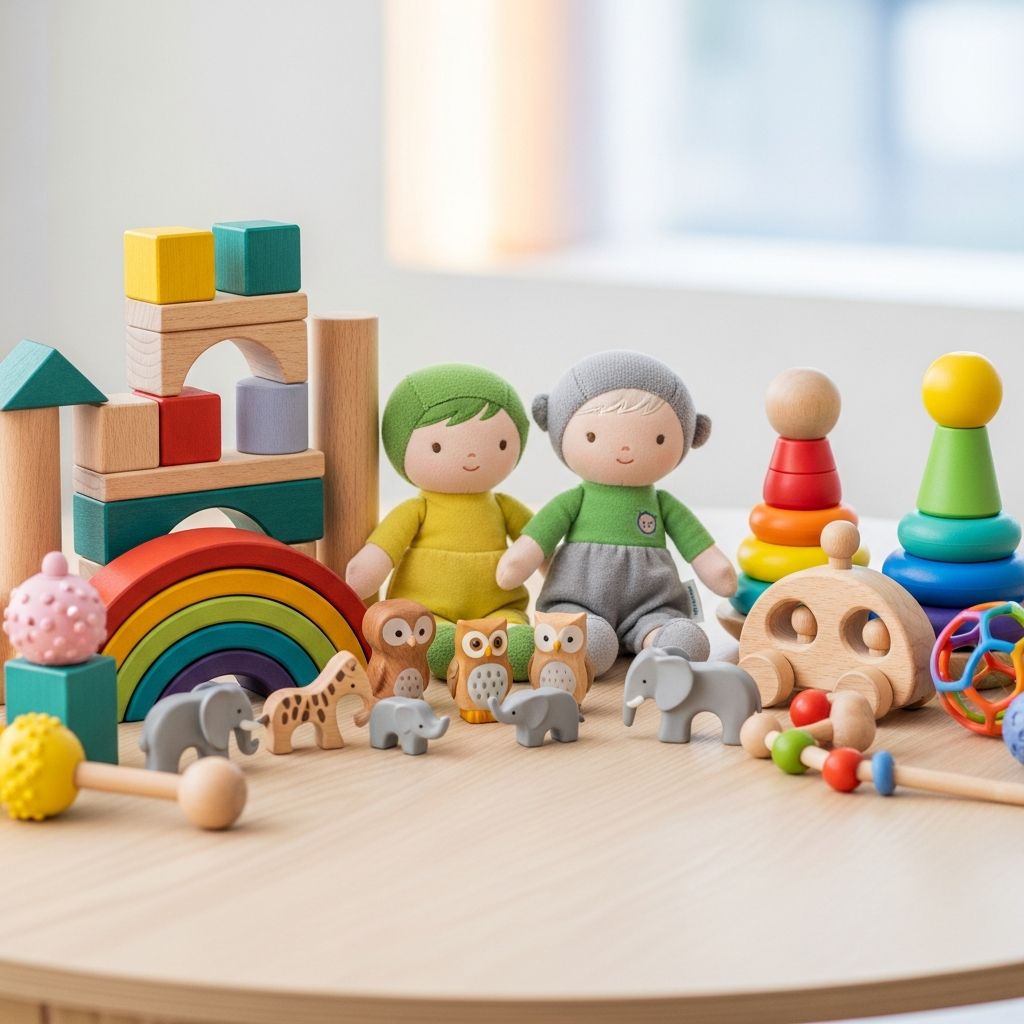
Recognizing the Fundamentals of Newborn Growth and Behavior
From the moment your baby enters the world, remarkable transformation begins. Understanding what to expect during these early months helps parents navigate the complex journey of child development with greater confidence and awareness. Newborns undergo significant physical and behavioral changes that may seem bewildering at first, but following predictable patterns that developmental experts have documented extensively.
The first year of life represents one of the most critical periods for human development. During this time, your baby transitions from a helpless newborn dependent on caregivers for all needs to a mobile, communicative toddler beginning to express personality and preferences. This guide explores the various dimensions of early childhood development, helping you understand what constitutes normal progression and when to celebrate milestones.
Physical Growth Patterns in the First Month
Newborns experience dramatic changes in their physical dimensions during their opening weeks of life. Parents often express surprise at how quickly their babies seem to transform, and understanding typical growth patterns provides perspective on whether development is progressing normally.
During the first month, babies typically gain approximately one ounce daily after the initial two-week period. This consistent weight gain indicates proper nutrition and healthy development. Newborns usually catch up to and surpass their birthweight within the first month, establishing a foundation for continued growth throughout infancy.
Length measurements also shift noticeably during this period. The average newborn boy measures approximately 20 inches at birth, with girls averaging 19.75 inches. By one month of age, boys typically reach 21.5 inches while girls average 21 inches. Head circumference increases by slightly less than one inch during the first month, reflecting the rapid brain development occurring during this period.
The Remarkable Reflex System: Nature’s Built-In Responses
Newborns arrive equipped with an impressive array of reflexes—automatic responses to specific stimuli that ensure survival and facilitate early bonding. These reflexes represent your baby’s innate programming, developed during pregnancy and refined before birth.
Feeding-Related Reflexes
The rooting reflex demonstrates your newborn’s instinctive drive to find nourishment. When the corner of your baby’s mouth is stroked or touched, the baby automatically turns their head and opens their mouth, searching for the source of stimulation in the direction of the touch. This reflex enables newborns to locate the breast or bottle efficiently, a critical survival mechanism.
Complementing the rooting reflex is the sucking reflex, which activates when the roof of the baby’s mouth contacts a nipple or similar object. This reflex develops around the 32nd week of pregnancy and reaches full maturity by approximately 36 weeks of gestation. Premature babies may display weaker sucking ability since they bypass this critical developmental window. Additionally, babies possess a hand-to-mouth reflex that often accompanies rooting and sucking, allowing infants to self-soothe by bringing fingers or hands to their mouths.
Protective and Startling Responses
The Moro reflex, commonly called the startle reflex, activates when babies are startled by loud noises or sudden movements. In response to the stimulus, your baby throws back their head, extends arms and legs outward, cries out, then quickly pulls limbs back inward in a self-protective embrace. This reflex typically persists until approximately five to six months of age. Parents often observe that even their baby’s own cries can trigger this reflex, causing a secondary startle response.
Positioning and Movement Reflexes
The tonic neck reflex creates a distinctive “fencing” position when your baby’s head turns to one side. The arm on the same side as the head turns stretches outward while the opposite arm bends upward at the elbow. This reflex usually persists until around six to seven months of age and may be observed during sleep or tummy time.
The grasp reflex demonstrates your newborn’s impressive strength. Stroking your baby’s palm causes the fingers to close firmly around the object, a response that lasts only a couple of months and is notably stronger in premature infants. The stepping reflex, sometimes called the walking or dance reflex, appears when you hold your baby upright with feet touching a solid surface—the baby appears to take steps or execute dance-like movements.
The Babinski reflex affects your baby’s feet and toes. When the sole of the foot is firmly stroked, the big toe bends backward toward the top of the foot while other toes fan outward in a distinctive pattern. Unlike many other newborn reflexes, the Babinski reflex persists as a normal response until approximately two years of age.
Movement and Motor Control Development
Understanding how your baby’s motor control evolves helps you appreciate the sophistication of physical development. Newborns begin life with jerky, uncoordinated movements that gradually become more controlled and purposeful.
Early Movement Characteristics
Newborns demonstrate several distinctive movement patterns. Their head sags when lifted and requires constant support from caregivers. When lying on their stomach, babies turn their head from side to side, a protective mechanism preventing suffocation. These early movements are jerky and erratic, reflecting the immaturity of the nervous system and motor control pathways.
Development Through Three Months
Over the subsequent two months, most babies begin exerting control over their movements. The neck muscles strengthen considerably during this period. By two months, when you hold your baby, most infants can support their head independently for brief periods. By three months of age, most babies can lift their head and chest while supported by their elbows during tummy time.
During this same period, babies discover their hands, a major developmental milestone. Hands open and close repeatedly as babies explore this fascinating part of their body. By three months, most babies can grasp toys and bring them to their mouth, demonstrating emerging hand-eye coordination.
Four to Six Months: Reaching and Grasping
Between four and six months, babies master reaching and grasping movements. They begin rolling from front to back and back to front, with the front-to-back roll typically emerging first. Babies develop the ability to sit with support and gain excellent head control. Many babies begin crawling during this period, which can include scooting across the floor on their bottom, “army crawling” by dragging themselves forward using arms and legs, or traditional crawling on hands and knees.
Later Motor Development
By seven to eight months, babies sit independently without support and may attempt to climb or crawl up stairs. Between nine and twelve months, babies pull themselves to a standing position using furniture, a stage called cruising where they move around rooms while holding onto stable objects. By their first birthday, most babies stand unaided and may take their first independent steps, though the timing varies considerably among infants.
Communication Development: From Cries to Words
Babies communicate their needs and emotions from birth, though the methods and sophistication evolve dramatically during the first year. Understanding communication development helps parents interpret their baby’s signals more accurately.
Early Communication Through Crying and Body Language
Newborns communicate primarily through crying, their most effective tool for alerting caregivers to hunger, discomfort, or other needs. Simultaneously, babies absorb vast amounts of information through observation. They monitor their caregivers’ body language, facial expressions, and how they are held, beginning to develop understanding of social interaction.
Emerging Vocalizations
By two months of age, babies typically begin cooing, repeating vowel sounds in response to conversation or gentle play interaction. In the following month, babies experiment with additional sounds including squeaks, growling noises, and blowing raspberries. Babies may imitate sounds and respond to the sound of your voice with smiles, indicating growing recognition and engagement.
Between four and six months, babies develop babbling patterns and begin laughing out loud. They start responding to familiar words, including their own names, and may briefly stop activity when hearing “No.” Babbling becomes increasingly complex and speech-like by seven months, though actual word meanings have not yet developed.
Understanding and First Words
By eight months, babies respond to their names when called and participate in interactive games like peekaboo. Around nine months, babies learn object permanence—understanding that objects continue to exist even when out of sight—a significant cognitive achievement. By ten months, babies wave goodbye and lift arms to communicate “up,” demonstrating intentional communication beyond sounds.
Between eleven and twelve months, babies typically say “mama” and “dada” with specific reference to parents, not just as general sounds. The average one-year-old speaks two to three words, though the range of normal language development is enormous, with some babies producing many more words while others focus on nonverbal communication.
Vision and Sensory Development
Newborn eyes undergo significant maturation during the first months of life. At birth, babies’ eyes are sometimes uncoordinated and may appear cross-eyed, a temporary condition that typically resolves. Newborns initially fix their eyes on faces or lights, then gradually begin following moving objects as visual tracking improves. Over the following months, eye crossing decreases and coordination improves dramatically.
Babies begin recognizing familiar objects and people at a distance and prefer sweet smells and soft textures, indicating the development of sensory preferences and memory formation.
Social and Emotional Milestones
Social development progresses alongside physical growth. Early smiles, initially directed toward themselves, transform into responsive smiles directed at caregivers by three months of age, with babies actively attempting to elicit smiles in return. This represents the beginning of intentional social interaction.
By six months, babies recognize familiar faces—including caregivers, family members, and regular visitors. They enjoy play and demonstrate this by crying when play stops, showing emotional engagement with their environment. Around nine months, babies experience stranger anxiety, becoming cautious with unfamiliar people—a developmentally normal response indicating growing discrimination between known and unknown individuals.
Between nine and twelve months, babies learn cause-and-effect relationships, understanding that their actions produce predictable results. They begin engaging in imitative games like pretending to use a phone and show food preferences during mealtimes, expressing individuality and developing autonomy.
Developmental Milestone Comparison Chart
| Age | Gross Motor Skills | Fine Motor Skills | Communication | Social Development |
|---|---|---|---|---|
| 1 Month | Moves head side to side on stomach | Strong grip; opens and closes hands | Cries to communicate needs | Stares at hands; tracks movement with eyes |
| 3 Months | Lifts head and chest during tummy time | Reaches and grasps objects | Coos and imitates sounds | Smiles responsively; imitates tongue movements |
| 6 Months | Rolls over both directions; sits with support | Rakes small objects with hands | Babbles; blows raspberries | Recognizes familiar faces and caregivers |
| 9 Months | Crawls; may climb stairs | Uses pincer grasp; turns pages | Responds to familiar words | Experiences stranger anxiety; learns object permanence |
| 12 Months | Stands independently; takes first steps | Helps with dressing; stacks toys | Says 2-3 words including “mama” and “dada” | Plays imitative games; understands cause and effect |
Frequently Asked Questions About Newborn Development
Q: When should I be concerned if my baby isn’t meeting developmental milestones?
A: While development varies considerably among infants, significant delays in multiple areas warrant discussion with your pediatrician. Discuss concerns about vision, hearing, movement, or communication with your healthcare provider, who can assess whether further evaluation is needed.
Q: Why does my newborn’s head need constant support?
A: Newborns’ neck muscles are underdeveloped, and their heads are disproportionately large relative to body size. The cervical spine and supporting musculature require time to mature. Proper head support prevents strain on the developing structures and promotes comfort.
Q: Is it normal for my baby to have jerky movements?
A: Yes, jerky and erratic movements are completely normal in newborns. These movements reflect the immaturity of the nervous system and motor control pathways. As the brain develops and neural connections strengthen, movements become progressively smoother and more controlled.
Q: When will my baby start making real sounds instead of just crying?
A: Most babies begin cooing around two months of age. By three months, they experiment with additional sounds. Babbling that sounds more speech-like typically emerges around six months, though meaningful words generally don’t appear until closer to twelve months.
Q: What’s the difference between army crawling and traditional crawling?
A: Army crawling involves dragging the body forward using arms and legs while the belly remains in contact with the floor. Traditional crawling uses hands and knees with the belly elevated. Some babies skip crawling entirely, moving directly from scooting to walking.
Q: How can I support my baby’s motor development?
A: Provide supervised tummy time to strengthen neck and chest muscles, offer safe opportunities to reach for and grasp objects, and allow freedom of movement. Avoid restricting movement through prolonged time in carriers or seats when babies could be developing motor control through play.
References
- Infant Development: Birth to 3 Months — Mayo Clinic. 2024. https://www.mayoclinic.org/healthy-lifestyle/infant-and-toddler-health/in-depth/infant-development/art-20048012
- Baby Development Stages: The First Year — WebMD. 2024. https://www.webmd.com/parenting/baby/features/stages-of-development
- Baby – HealthyChildren.org — American Academy of Pediatrics. 2024. https://www.healthychildren.org/English/ages-stages/baby/Pages/default.aspx
- CDC’s Developmental Milestones | Learn the Signs. Act Early. — Centers for Disease Control and Prevention. 2024. https://www.cdc.gov/act-early/milestones/index.html
- Newborn Development: 0-1 Month — Children’s Hospital of Orange County (CHOC). 2024. https://choc.org/ages-stages/newborn/