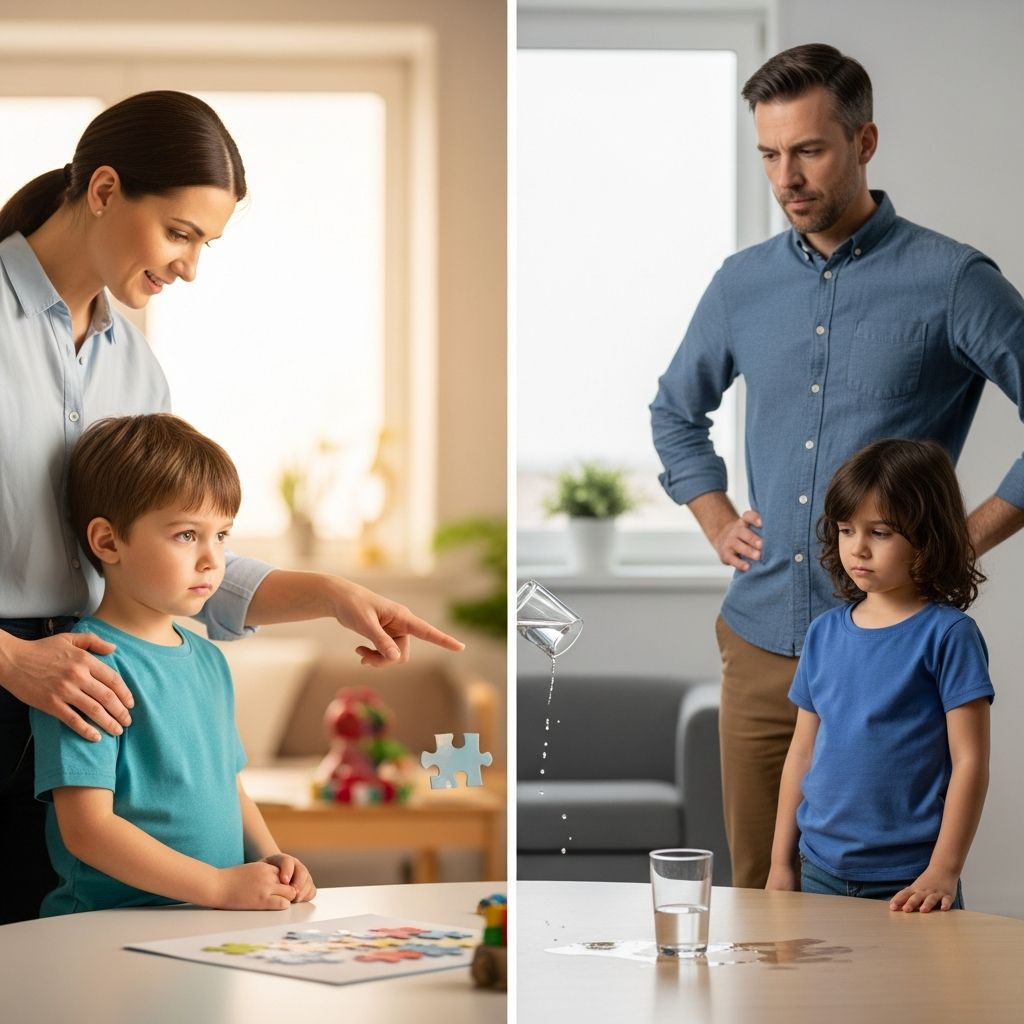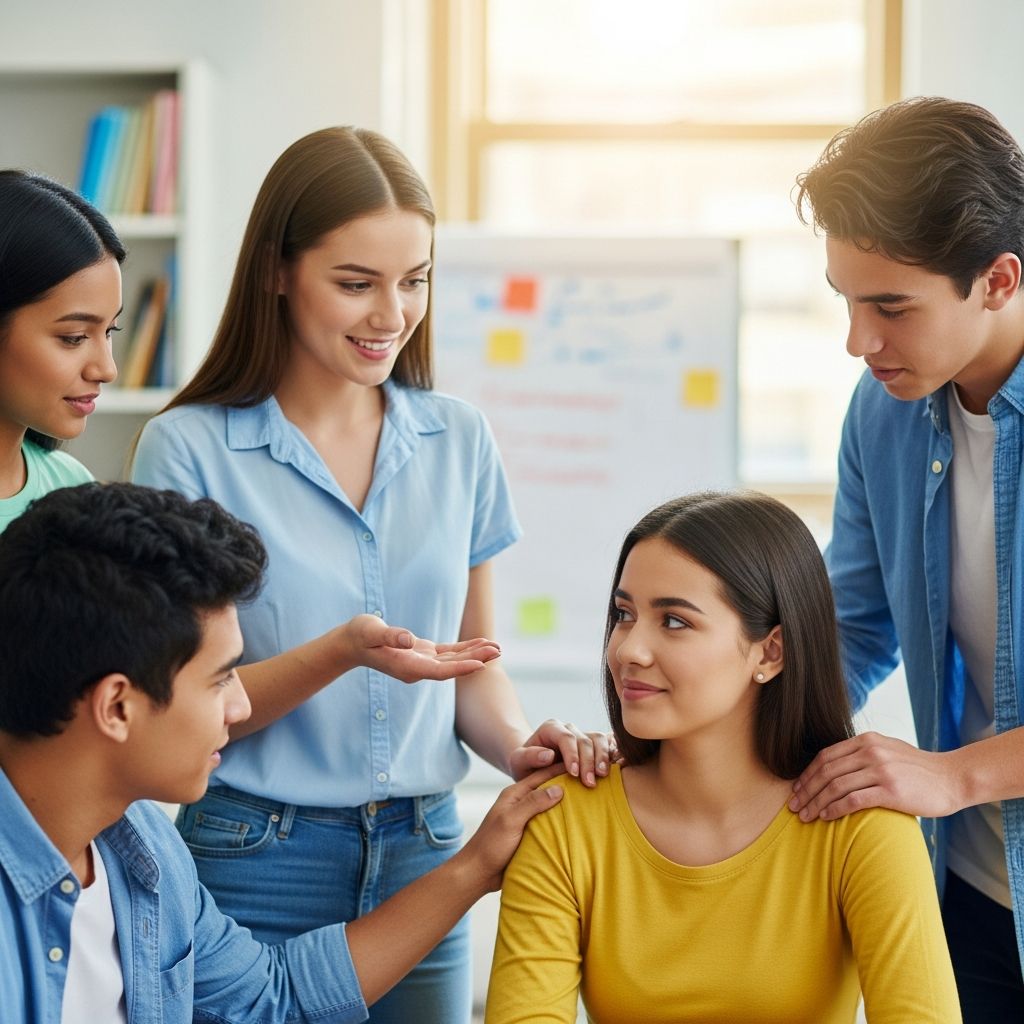
Children gain profound self-assurance when they actively support one another, turning everyday interactions into opportunities for mutual growth. This approach not only enhances individual confidence but also strengthens community bonds among young people.
Understanding Peer Dynamics in Building Self-Worth
Peer relationships play a pivotal role in child development, as interactions with equals provide a mirror for self-perception and emotional regulation. When kids collaborate to uplift each other, they internalize positive feedback, fostering a robust sense of capability. Research highlights that such reciprocal support reduces anxiety and promotes resilience, particularly during formative years.
Parents and educators can facilitate this by creating environments where children practice empathy and encouragement naturally. Unlike adult-led praise, peer validation feels authentic, helping kids trust their own abilities more deeply. This foundation equips them to navigate challenges independently.
Interactive Group Challenges to Spark Bravery
Group activities designed for teamwork encourage children to rely on peers, building trust and self-efficacy. These exercises shift focus from personal achievement to collective success, diminishing fear of failure.
- Team Obstacle Relays: Set up courses with household items like cushions and ropes; teams cheer each other through segments, celebrating incremental wins to reinforce perseverance.
- Collaborative Puzzle Races: Divide large puzzles among groups where members rotate roles, teaching adaptability and the value of diverse contributions.
- Shared Storytelling Circles: Each child adds to a group tale, validating ideas and boosting creative confidence through peer applause.
These activities demonstrate that success is communal, helping shy participants emerge as leaders over time.
Cultivating Empathy Through Mutual Encouragement
Teaching children to recognize and voice strengths in others cultivates empathy, which in turn amplifies their own self-view. Structured empathy exercises create a cycle of positivity.
| Activity | Objective | Materials |
|---|---|---|
| Strength Spotlight Rounds | Highlight peer talents verbally | None |
| Gratitude Note Exchanges | Write appreciative messages | Paper, markers |
| Emotion Charade Games | Guess and affirm feelings | Open space |
By articulating positives about friends, children practice self-reflection, applying the same lens to themselves. This method proves especially effective for anxious youth, gradually easing social inhibitions.
Creative Expression for Collective Validation
Art-based peer projects allow non-verbal affirmation, ideal for varied ages and temperaments. Collaborating on visuals reinforces that every input matters.
- Group Mural Masterpieces: A large canvas where kids contribute sections, discussing designs to build consensus and pride in the whole.
- Superhero Squad Designs: Teams invent characters with complementary powers, role-playing missions to embody bravery.
- Vision Collage Shares: Personal boards presented to peers for feedback, blending individual dreams with group inspiration.
Such creativity helps children visualize potential, with peer input solidifying belief in their ideas.
Goal-Sharing Frameworks for Shared Triumphs
Joint goal-setting teaches accountability and celebration, as peers track progress together. This shared journey makes accomplishments feel amplified.
- Brainstorm accessible targets like ‘master a new skill weekly.’
- Pair buddies for daily check-ins and motivation.
- Host reveal sessions to showcase milestones with group cheers.
Tracking via shared jars of success notes provides visual proof of growth, countering self-doubt with evidence. Personal logs comparing past to present further personalize this, emphasizing self-improvement over competition.
Role-Playing Scenarios for Social Mastery
Simulated real-life situations with peer partners prepare kids for uncertainties, building poise through practice.
- Friendship Fix Dramas: Act out resolving conflicts, switching roles to gain perspectives.
- Newcomer Welcome Plays: One pretends to be shy; others practice inclusion tactics.
- Challenge Conquest Skits: Teams tackle ‘scary’ tasks like public speaking, debriefing strengths shown.
These build communication skills essential for confidence, mirroring adult modeling of calm problem-solving.
Mindful Practices in Peer Settings
Incorporating mindfulness with peers normalizes emotional check-ins, teaching regulation amid support.
Guide group breathing exercises followed by paired shares of ‘one win, one worry.’ This vulnerability fosters deeper connections and self-compassion. Techniques like counting breaths or short walks, practiced collectively, empower kids to self-soothe.
Structured Opportunities Beyond Home
Community programs extend peer benefits, offering diverse interactions. Enroll in clubs or sports where kids pursue interests alongside equals, starting small to match comfort levels. Preparation discussions ease entry, turning novices into confident participants.
Parental Role in Facilitating Peer Bonds
Parents amplify effects by modeling respect, specific praise, and mistake normalization. Encourage home playdates with guided themes, praising process over outcomes to mirror peer dynamics. Involvement without over-control lets natural confidence bloom.
Overcoming Common Hurdles in Peer Activities
Initial reluctance is normal; start with familiar peers and low-stakes tasks. For persistent shyness, pair with empathetic buddies and celebrate tiny steps. If issues endure, consult professionals for tailored strategies.
Frequently Asked Questions
What age groups benefit most from peer confidence activities?
These suit preschoolers to tweens, adapting complexity by age for optimal engagement and growth.
How often should peer support sessions occur?
Aim for 2-3 times weekly, balancing with solo play to prevent fatigue while building habits.
Can these help children with anxiety?
Yes, gradual exposure in safe peer settings reduces fears, promoting bravery through positive reinforcement.
What if my child prefers solitary activities?
Bridge gently with paired tasks sharing common interests, gradually expanding social comfort.
How do I measure progress in confidence?
Observe increased initiative, eye contact, and peer initiations; use journals for self-reported shifts.
Long-Term Impact of Peer-Led Growth
Sustained peer support yields resilient youth adept at relationships and setbacks. By adolescence, these habits translate to academic and social success, with lifelong emotional tools.
Integrate these into routines for transformative results, watching children thrive as confident contributors.
References
- Confidence Building Activities for Kids That Turn Doubt Into Bravery — Lemonade Day. 2023-05-15. https://lemonadeday.org/blog/confidence-building-activities-for-kids
- 8 Self-Esteem Activities for Kids to Boost Confidence — Mission Grit. 2024-02-10. https://missiongrit.com/post/kids-self-esteem-activities
- How to Raise Confident Kids (2025) — Weston Family Psychology. 2025-01-01. https://www.westonfamilypsychology.com/blog/raising-confident-kids-strategies-for-parents-and-teachers/
- Social Skills Training for Kids: 5 Proven Strategies Delaware Parents Use to Build Confidence — The Center for Child Development. 2023-11-20. https://thecenterforchilddevelopment.com/social-skills-training-for-kids-5-proven-strategies-delaware-parents-use-to-build-confidence/
- 9 Self-Confidence Building Activities for Students — Big Life Journal. 2024-06-12. https://biglifejournal.com/blogs/blog/self-confidence-building-activities