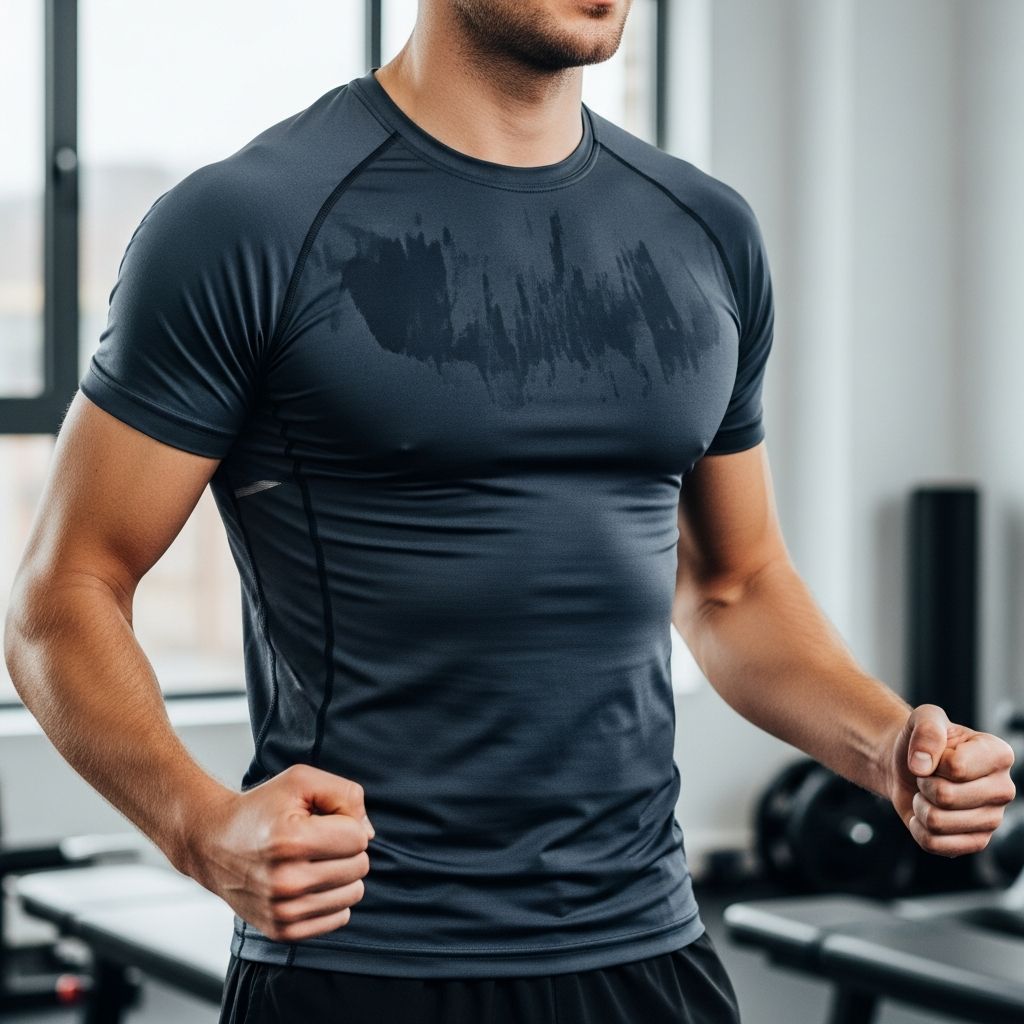
Male chest fat, often called “man boobs,” can feel embarrassing, but it is usually a solvable combination of extra body fat, weak chest muscles, and lifestyle habits that work against a lean upper body.
By pairing targeted strength training with overall fat loss and better daily habits, most men can build a firmer, more defined chest without extreme measures.
Understanding Male Chest Fat
Not all chest fullness in men is the same, and knowing what you are dealing with helps you choose the right approach.
Broadly, chest enlargement in men falls into two categories: simple fat gain (pseudogynecomastia) and true glandular enlargement (gynecomastia).
Fat Storage vs. Gynecomastia
When the chest looks soft and droopy but feels mainly like fat, it is often the result of overall weight gain, genetics, and inactivity.
True gynecomastia involves growth of breast gland tissue, tends to feel firmer, may be uneven between sides, and sometimes requires medical evaluation rather than relying on exercise alone.
- Soft, squishy chest that shrinks with weight loss usually indicates excess fat storage.
- Firm or rubbery tissue around the nipple that stays despite weight loss may signal gynecomastia and warrants a conversation with a healthcare professional.
Core Principles of Chest Transformation
A flatter, more athletic chest comes from three pillars working together: building muscle, reducing body fat, and improving daily habits that affect hormones and energy balance.
No single exercise or “magic” workout can spot-reduce chest fat, but the right mix of training and lifestyle consistently reshapes the torso over time.
- Progressive strength training: Focuses on chest, shoulders, and back to build a balanced, masculine upper body.
- Calorie control and quality nutrition: Creates the fat loss needed to reveal the muscle you are building.
- Cardio and daily movement: Adds calorie burn and improves heart health while supporting long-term fat loss.
Upper Chest Training Strategy
Emphasizing the upper chest can visually lift the entire area, making the chest look higher, firmer, and less saggy.
Exercises that angle the torso or arms so the weight moves upward from below shoulder level are especially effective for this region.
Key Upper Chest Exercises
Including at least one or two upper-chest-focused moves in every chest session makes a significant difference in shape and posture over time.
These exercises also engage shoulders and triceps, helping increase overall calorie burn and muscle mass in the upper body.
- Incline dumbbell or barbell press: Targets the upper part of the chest by pressing at a 20–30 degree bench angle.
- Feet-elevated push-ups: Shifting your feet onto a bench or step forces more work into the upper chest fibers.
- Low-to-high cable or band fly: Pulling from hip level up toward eye level trains the clavicular (upper) chest line.
- Landmine press or angled press: Pressing a bar from the floor at an angle blends shoulder and upper-chest activation.
| Exercise | Main Target | Equipment Needed |
|---|---|---|
| Incline Dumbbell Press | Upper chest and front shoulders | Bench, dumbbells or barbell |
| Feet-Elevated Push-Up | Upper chest and triceps | Bench, box, or step |
| Low-to-High Cable Fly | Upper and inner chest line | Cable machine or resistance bands |
| Landmine Press | Upper chest and shoulders | Barbell anchored in a corner or landmine base |
Complete Workout Plan to Tighten Your Chest
Combining multi-joint strength exercises with a few focused isolation moves creates a powerful routine for chest fat reduction and muscle building.
Three weekly strength sessions with at least one rest day between them is enough for most men to see steady progress while allowing muscle recovery.
Sample Chest-Focused Strength Session
The following structure balances pushing exercises, upper chest focus, and supporting muscles such as the back and shoulders for posture.
Adjust loads so that the last two repetitions of each set feel challenging but do not break form.
- Warm-up (5–10 minutes): Light cardio plus dynamic arm circles, band pull-aparts, and shoulder rotations.
- Main block:
- Incline press: 3 sets of 8–12 reps.
- Flat push-ups or bench press: 3 sets of 8–15 reps.
- Low-to-high cable or band fly: 3 sets of 12–15 reps.
- Accessory block:
- Row variation (dumbbell, cable, or machine): 3 sets of 10–12 reps to balance the shoulders.
- Core work such as planks or dead bugs: 2–3 sets to enhance stability during chest moves.
- Finisher: 5–10 minutes of moderate cardio or a simple conditioning circuit such as brisk walking, cycling, or light kettlebell swings.
At-Home Man-Boob Reduction Routine
When a gym is not available, bodyweight and minimal equipment can still create strong fat-burning, chest-building sessions.
Perform the following sequence two to three times per week, leaving at least one day between sessions for recovery.
- Feet-elevated push-ups: 3 sets of 8–15 reps.
- Standard or knee push-ups: 2–3 sets of max reps with good form.
- Resistance-band low-to-high fly: 3 sets of 12–20 reps.
- Inverted rows under a sturdy table or bar: 3 sets of 8–12 reps if available.
- High-knee marching or jump rope: 3–5 minutes to finish, depending on fitness level.
Cardio and Conditioning for Faster Fat Loss
Since fat loss happens across the entire body, combining strength work with cardio increases total energy expenditure and speeds visible chest changes.
Both moderate-intensity steady cardio and short bursts of high-intensity intervals can work; the best option is the one that is safe, sustainable, and consistent.
- Low-impact options: Brisk walking, cycling, and rowing are joint-friendly and effective ways to burn calories.
- Higher-intensity options: Short sprints, jump rope intervals, or circuit training can burn many calories in less time when fitness levels allow.
- Target: Aim for at least 150 minutes of moderate cardio per week or 75 minutes of higher-intensity work, spread across several days.
Nutrition Habits that Shrink Chest Fat
Even the best workout plan will struggle against a diet that regularly exceeds your calorie needs and relies heavily on processed foods.
Creating a modest calorie deficit while prioritizing protein, whole foods, and hydration is a proven way to support sustainable fat loss.
Simple Nutrition Guidelines
Instead of strict fad diets, focusing on a few daily habits can reliably drive body composition changes.
These habits help maintain muscle, support hormones, and control appetite while body fat gradually decreases.
- Include protein in every meal from lean meat, fish, eggs, beans, or dairy to protect muscle while losing fat.
- Base most meals on vegetables, fruits, whole grains, and healthy fats such as nuts and olive oil.
- Limit sugary drinks, fast foods, and highly processed snacks that pack many calories into small portions.
- Drink water regularly throughout the day to support performance and appetite control.
Lifestyle Factors That Influence Chest Fat
Sleep, stress, and daily movement all interact with hormones and energy balance, quietly affecting whether fat is stored or burned.
Adjusting these factors can tip the odds in favor of a leaner chest even when workouts and nutrition are already in place.
- Sleep: Aim for 7–9 hours of quality sleep per night, as chronic sleep loss is tied to higher body fat and poorer training performance.
- Stress management: Long-term stress can encourage overeating and inactivity, so techniques like walking, journaling, or mindfulness can be helpful.
- Daily movement: Simple actions like taking the stairs, walking breaks, or standing more add up to hundreds of extra calories burned each day.
When to Seek Medical Advice
While lifestyle changes solve chest fat for many men, some cases require a medical evaluation, especially when breast tissue is painful or persists despite sustained weight loss.
Hormonal shifts, medications, and certain health conditions can contribute to gynecomastia, and only a qualified professional can assess these factors accurately.
- If the chest is tender, noticeably asymmetric, or seems to grow without clear cause, schedule a checkup.
- If long-term diet and training do not change the appearance of firm tissue under the nipple area, a specialist may discuss medical or surgical options.
Frequently Asked Questions
Can I burn chest fat without losing weight overall?
Spot reduction is not supported by current evidence; the body draws fat from many areas at once rather than just where you want to see change.
Building muscle in the chest while reducing overall body fat is what ultimately makes the chest look flatter and more defined.
How long does it take to notice a difference?
Most men who train consistently, eat in a modest calorie deficit, and move more daily can notice visible changes in their chest within 8–12 weeks.
However, the exact timeline depends on starting body fat, genetics, and how closely the plan is followed.
Are push-ups enough to get rid of man boobs?
Push-ups are excellent for chest strength and can be progressed in many ways, but they are only part of the solution.
A combination of push-ups, other resistance exercises, cardio, and smart nutrition yields much better results than relying on one movement alone.
Is surgery the only solution for gynecomastia?
True gynecomastia that is mostly glandular tissue sometimes requires surgical intervention when it does not respond to lifestyle adjustments.
However, a medical professional can first assess whether medication changes, hormone evaluation, or continued fat loss might also improve the condition.
How many days per week should I train my chest?
Two to three chest-focused sessions per week are usually enough to stimulate growth without overtraining, especially when total weekly sets are in a moderate range.
On other days, focusing on legs, back, and cardio keeps overall progress moving while the chest recovers and grows stronger.
Putting It All Together
Reducing male chest fat is not about chasing a single miracle exercise; it is about combining upper-chest-focused strength work, full-body training, and sustainable nutrition habits.
By staying consistent for several months and making gradual changes to lifestyle, most men can trade baggy shirts and self-consciousness for a firmer, more confident chest.