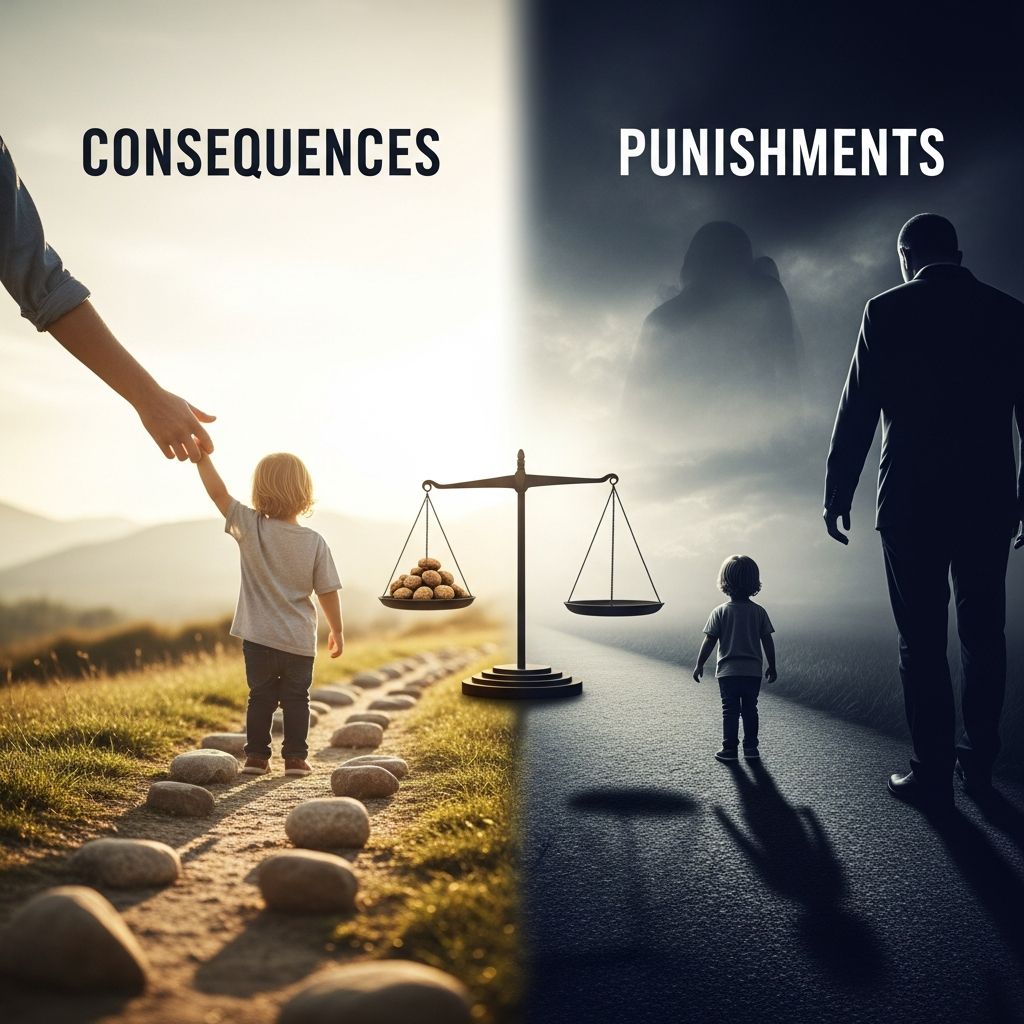
Fathers often face intense pressure from balancing work, family duties, and the unpredictable demands of child-rearing, which can lead to frustration boiling over into anger. This guide explores actionable strategies, therapeutic approaches, and mindset adjustments to help dads regain control, model healthy emotions, and strengthen family ties. By integrating quick techniques and long-term habits, fathers can transform reactive moments into opportunities for growth.
Understanding the Roots of Paternal Frustration
Anger in fathers frequently stems from a mix of external stressors and internal expectations. Daily triggers like children’s developmental mishaps, endless negotiations over routines, or the relentless pace of modern life activate the body’s fight-or-flight response, flooding the system with stress hormones. Research from the American Psychological Association highlights how unprocessed emotions can escalate into patterns that strain relationships if not addressed proactively.
Recognizing these roots is the first step. Many dads report heightened irritability during high-demand periods, such as bedtime battles or homework marathons, where patience wears thin. Unlike fleeting irritation, chronic anger risks modeling poor emotional habits for kids, perpetuating cycles of reactivity. The key lies in distinguishing normal frustration from unmanaged rage, allowing fathers to intervene early.
Quick-Response Techniques for Busy Dads
Time-strapped fathers need tools that fit seamlessly into chaotic days. These evidence-based methods activate the parasympathetic nervous system, countering anger’s physiological surge in under five minutes.
- 4-7-8 Breathing Protocol: Inhale through the nose for 4 counts, hold for 7, exhale through the mouth for 8. This regulates heart rate and oxygen flow, usable discreetly during tense interactions.
- STOP Mindfulness Sequence: Stop actions, Take a deep breath, Observe internal states without critique, Proceed mindfully. This creates a vital pause, redirecting from impulse to intention.
- Perspective Visualization: Envision stepping back like parallel parking—gain distance from the trigger, reassess, then re-engage calmly. It shifts brain activity from emotional amygdala to rational prefrontal cortex.
Practice these in low-stakes moments to build neural pathways for automatic deployment during crises. Consistency rewires responses, reducing anger frequency over time.
Real-World Applications in Family Chaos
Theory meets practice in everyday scenarios. Consider bedtime routines: When a child demands one more story, deploy 4-7-8 breaths while counting silently, responding with empathy rather than exasperation. For homework gridlock, grip a stress reliever and run STOP, then use ‘I’ statements like ‘I feel overwhelmed when math takes this long—let’s break it down together’.
Normalize these tools family-wide. Designate a ‘reset zone’ with breathing cards, fidget toys, and journals. Verbalize the process: ‘I’m pausing to stay calm because I care about us talking nicely.’ Tracking successes in a simple app fosters progress awareness, celebrating incremental wins.
| Scenario | Trigger | Technique | Expected Outcome |
|---|---|---|---|
| Bedtime Delays | Repeated Requests | 4-7-8 Breathing + Count to 5 | Thoughtful Response |
| Homework Resistance | Procrastination | STOP + Stress Ball | Collaborative Problem-Solving |
| Morning Rush | Tardiness | Perspective Visualization | Reduced Yelling |
Therapeutic Paths to Lasting Emotional Control
For deeper issues, professional interventions provide structured support. Cognitive Behavioral Therapy (CBT) reframes anger-provoking thoughts, teaching adaptive responses and physiological management. Dialectical Behavior Therapy (DBT), a CBT variant, emphasizes mindfulness, distress tolerance, and interpersonal effectiveness, ideal for intense paternal anger.
Family therapy repairs relational damage, facilitating open dialogues in neutral settings. Psychodynamic approaches uncover how past experiences fuel current reactions, promoting behavioral shifts. Online platforms like BetterHelp offer accessible sessions, matching dads with specialists via flexible formats.
Combine therapy with self-care: Regular exercise dissipates tension, humor diffuses escalation, and solution-focused thinking prioritizes controllables over frustrations. Adult timeouts—stepping away briefly—prevent blowups, modeling boundaries for children.
Mindset Shifts for Sustainable Fatherhood
Beyond tactics, cultivate a progress-oriented outlook. Ditch perfectionism; fatherhood humbles even the strongest, rewarding effort over flawlessness. Embrace child development realities—toddlers test limits, teens push independence—viewing ‘misbehaviors’ as growth signals.
- Recall your role: Provider, guide, not flawless hero.
- Maintain perspective: Present chaos builds future resilience.
- Prioritize self-care: Sleep, nutrition, and solitude recharge emotional reserves.
- Express emotions early: ‘I’m frustrated’ regulates escalation.
Family wellness thrives when dads model regulation. Shared rituals like group breathing or ‘gratitude rounds’ embed these habits, turning homes into emotional sanctuaries.
Overcoming Common Roadblocks to Change
Resistance arises—stigma labels anger work as weakness, busyness crowds practice, guilt follows slip-ups. Counter with evidence: APA endorses diverse coping for emotional mastery. Start micro: One technique daily. Reframe setbacks as data, not defeat.
Partner involvement amplifies success. Discuss triggers openly, co-create plans. Community via dad groups normalizes struggles, sharing wins builds momentum.
Frequently Asked Questions (FAQs)
What if I lose my temper despite techniques?
Apologize sincerely, explain the slip, recommit. Kids learn from authentic recovery.
How soon do these methods show results?
Immediate calming; habituated neural shifts in 2-4 weeks with daily use.
Is therapy only for severe anger?
No—preventive therapy builds skills, enhancing all fathering.
Can kids sense my underlying frustration?
Yes; attuned children mirror parental tension. Visible calm reassures them.
How do I involve my partner?
Share resources, practice jointly, debrief evenings for mutual support.
Building a Legacy of Emotional Strength
Mastering temper elevates fatherhood from survival to thriving. Dads who regulate model resilience, empathy, and intentionality—gifts outlasting childhood. Commit today: Pick one tool, track a week, adjust. Your calmer presence ripples, forging secure, confident offspring and harmonious homes. Progress, not perfection, defines exemplary parenting.
References
- 5-Minute Anger Management for Dads Who Are Short on Time — Ahead App. 2023. https://ahead-app.com/blog/anger/dad-s-rage-reset-5-minute-anger-management-for-dads-who-are-short-on-time
- How Can I Stop Being An Angry Father? — BetterHelp. 2024-01-15. https://www.betterhelp.com/advice/anger/how-can-i-stop-being-an-angry-father/
- Anger Management For Dads — Live On Purpose TV (YouTube). 2018-10-10. https://www.youtube.com/watch?v=K0DEhWrXz9U
- Anger Management: The New Dad Hack to Tame Your Temper — The Father Hood. 2023. https://www.the-father-hood.com/article/anger-management-the-new-dad-hack-to-tame-your-temper/
- How to Master Anger Management — The Dad Edge. 2024. https://thedadedge.com/anger-management