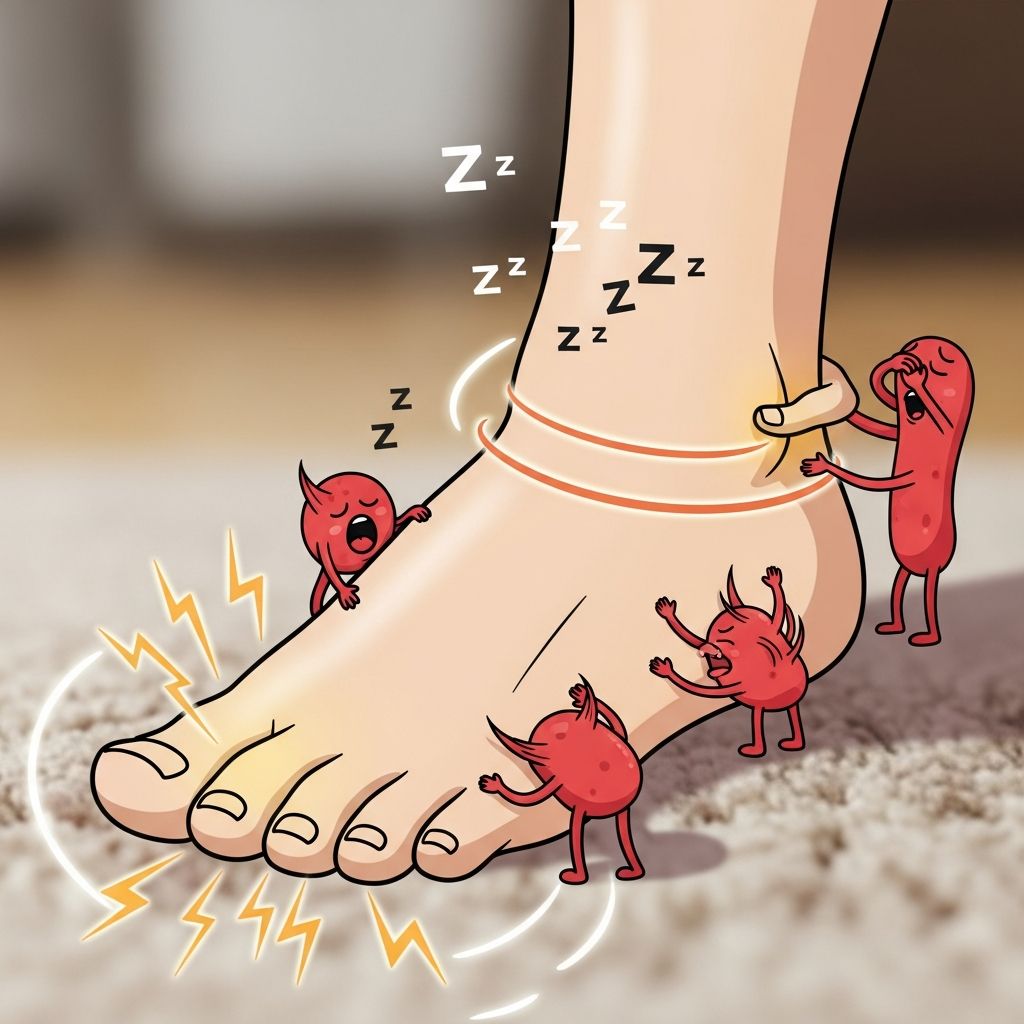
Anemia is one of the most common health problems seen in teenagers, but it is often missed because its symptoms can look like everyday tiredness or stress. Knowing what anemia is and how it affects your body can help you get the care you need and feel better faster.
What Anemia Means for Your Body
Your blood is full of tiny cells called red blood cells (RBCs). These cells carry a protein called hemoglobin, which picks up oxygen from your lungs and delivers it to every part of your body. When you have anemia, you do not have enough healthy red blood cells or enough hemoglobin to move oxygen efficiently.
Less oxygen means your muscles, brain, and organs cannot work at their best. This is why anemia often makes people feel exhausted, weak, or short of breath, even with normal daily activities.
Key Facts About Anemia
- Anemia is a condition, not a disease by itself. It is a sign that something else is going on in your body.
- Teens are at higher risk during growth spurts and, for girls, after periods begin.
- Most common type in teens: iron deficiency anemia, usually from low iron intake or blood loss.
- Anemia is treatable in most cases, especially when found early.
Common Types of Anemia in Teens
Not all anemias are the same. Doctors look at why your red blood cells are low or not working well. Here are major categories that often affect teenagers.
1. Anemia from Not Making Enough Red Blood Cells
These anemias happen when your body cannot produce red blood cells quickly enough or correctly.
- Iron deficiency anemia: Caused by too little iron, which your body needs to make hemoglobin. Often linked to:
- low-iron diet (few meats, beans, or iron-fortified foods)
- heavy menstrual periods
- long-term bleeding in the gut (for example, from certain conditions)
- Vitamin deficiency anemia: When you do not get enough vitamin B12 or folate, both important for making red blood cells.
- Aplastic anemia: A rare but serious condition where the bone marrow (the “factory” for blood cells) slows or stops making new blood cells, sometimes after infections, medicines, or unknown causes.
2. Anemia from Losing Blood
Blood loss reduces the number of red blood cells you have.
- Heavy menstrual bleeding: Teen girls who soak through pads or tampons every few hours or have very long periods can lose enough blood to become anemic.
- Injuries or surgery: Major blood loss from accidents or operations can trigger anemia.
- Hidden bleeding in the digestive system: Conditions that cause slow bleeding in the stomach or intestines can lead to anemia over time.
3. Anemia from Red Blood Cells Breaking Down Too Fast
Sometimes red blood cells are destroyed quicker than the body can replace them. These are called hemolytic anemias.
- Autoimmune hemolytic anemia: The immune system mistakenly attacks the body’s own red blood cells.
- Inherited (genetic) hemolytic anemias:
- Sickle cell disease — red blood cells are shaped like sickles and break easily.
- Thalassemia — the body makes abnormal hemoglobin that does not work well.
- Other inherited conditions that change the red blood cell structure or enzymes.
Why Teens Are Especially at Risk
Certain changes in the teen years make anemia more likely.
| Teen Situation | How It Raises Anemia Risk |
|---|---|
| Rapid growth during puberty | The body needs more iron and nutrients to make extra blood for a growing body. |
| Starting menstrual periods | Monthly blood loss can slowly lower iron stores, especially if periods are heavy. |
| Restrictive eating or dieting | Skipping meals or cutting food groups can reduce iron, B12, and folate intake. |
| Vegetarian or vegan diet without planning | Plant-based diets can be healthy but need careful planning for enough iron and B12. |
| Intense sports training | Hard training can increase iron needs and, in some cases, cause small but repeated blood losses. |
Signs and Symptoms: When Tiredness Might Be Anemia
Not everyone with anemia feels sick, especially at first. But as the condition worsens, symptoms usually become more obvious.
Everyday Symptoms You Might Notice
- Feeling unusually tired or weak, even after a good night’s sleep.
- Pale skin, lips, or nail beds compared with friends or family.
- Getting short of breath or having your heart race when walking up stairs or doing light exercise.
- Feeling dizzy or lightheaded, especially when standing up quickly.
- Headaches and trouble concentrating at school.
- Irritability or mood changes that seem worse when you are tired.
Less Common but Important Symptoms
- Fast heartbeat (palpitations) or chest discomfort with activity.
- Cold hands and feet much of the time.
- Brittle nails or hair loss in iron deficiency.
- Craving non-food items like ice, dirt, or chalk — a behavior called pica — which is linked with low iron levels.
- Yellow skin or eyes, dark urine, or an enlarged spleen in some hemolytic anemias.
If you notice several of these symptoms lasting more than a couple of weeks, it is important to talk with a parent or caregiver and see a doctor.
How Doctors Diagnose Anemia
To find out whether you have anemia and what type it is, a healthcare provider will usually:
- Ask questions about your health, diet, periods (if you menstruate), sports, and any family history of blood disorders.
- Do a physical exam to check your skin color, heart rate, breathing, and abdomen (including the spleen and liver).
- Order blood tests, which commonly include:
- Complete blood count (CBC) — measures hemoglobin, red blood cell count, and other values to show if you are anemic.
- Iron studies — look at iron levels and stored iron.
- Vitamin B12 and folate tests if a vitamin deficiency is suspected.
- Additional tests (like hemoglobin electrophoresis) if an inherited anemia such as sickle cell disease is possible.
These results help the doctor decide what is causing your anemia and how to treat it most effectively.
Treatment Options for Teens with Anemia
Anemia treatment depends on the cause, how severe it is, and your overall health. Many teens improve with simple changes, while others need more specialized care.
Iron Deficiency Anemia Treatment
- Iron supplements: Usually taken as tablets or liquid for several months to rebuild iron stores.
- Diet changes: Adding iron-rich foods and, in some cases, vitamin C–rich foods to help your body absorb iron better.
- Treating blood loss: If heavy menstrual periods or digestive bleeding are involved, your doctor will address those issues too.
Vitamin-Related and Other Anemias
- Vitamin B12 or folate deficiency: Supplements or injections plus diet changes to include more vitamin-rich foods.
- Hemolytic anemias: Treatment might include medicines that calm the immune system, managing infections, avoiding certain drugs, or, in inherited conditions, specialized long-term care.
- Aplastic anemia or severe inherited anemias: May require hospital care, blood transfusions, or bone marrow–focused treatments under the care of a specialist.
Whatever the cause, it is essential to follow the treatment plan and attend follow-up appointments so your doctor can see if your red blood cell levels are improving.
Building an Anemia-Friendly Eating Pattern
What you eat can play a major role in preventing or helping treat anemia, especially iron deficiency.
Iron-Rich Foods to Know
There are two main kinds of iron in food:
- Heme iron (easier for your body to absorb): found in animal foods.
- Non-heme iron: found in plant foods and fortified products.
| Food Group | Examples of Iron Sources |
|---|---|
| Animal sources (heme iron) | Lean beef, turkey, chicken, fish, eggs |
| Plant sources (non-heme iron) | Beans, lentils, chickpeas, tofu, nuts, seeds |
| Grains | Iron-fortified breakfast cereals, oatmeal, whole-grain breads and pastas |
| Vegetables | Spinach, kale, collard greens, peas, broccoli |
Tips to Help Your Body Use Iron Better
- Include a source of vitamin C (citrus fruits, berries, tomatoes, bell peppers) with meals to help absorb iron.
- Avoid drinking a lot of tea or coffee with meals, as they can reduce iron absorption.
- If you are vegetarian or vegan, talk to a healthcare provider or dietitian about getting enough iron and vitamin B12.
- Do not start supplements on your own — high-dose iron can be harmful if you do not need it. Always follow medical advice.
Living with Anemia: School, Sports, and Daily Life
Anemia can affect many parts of your life, but with treatment and some smart habits, most teens can continue school and activities safely.
School and Concentration
- Tell a parent or caregiver and consider letting a school nurse or counselor know if anemia is making it hard to focus.
- Plan study sessions when your energy is highest and include short breaks.
- Make sleep a priority, aiming for consistent bedtimes.
Sports and Physical Activity
- Ask your doctor when it is safe to play full-speed again. Some teens need to ease back into sports as their anemia improves.
- Pay attention to symptoms during exercise — stop and rest if you feel dizzy, short of breath, or have chest discomfort.
- Stay hydrated and fuel up with iron-containing foods, especially if you train hard.
Emotional Health
- Feeling tired or different from friends can be frustrating. Share what you are going through with someone you trust.
- Ask questions at your appointments so you understand your condition and treatment.
- Remember that anemia is common and, in many cases, temporary once treated properly.
When to Seek Help Right Away
Contact a healthcare provider promptly if you:
- feel extremely weak, faint, or have trouble catching your breath
- notice a very fast heartbeat that does not slow down with rest
- have chest pain, severe headaches, or confusion
- see dark, tar-like stools or blood in vomit (possible internal bleeding)
- have yellow skin or eyes and dark urine (possible hemolytic anemia)
These can be signs of more serious anemia or another urgent medical problem.
Frequently Asked Questions (FAQs)
Can anemia go away on its own?
Mild anemia from a short-term problem, like a brief illness, may improve as you recover, but most cases in teens need treatment such as iron or vitamin supplements and diet changes. It is important to find out the cause rather than just waiting for it to disappear.
Is anemia always caused by low iron?
No. Iron deficiency is the most common type in teenagers, but anemia can also come from vitamin deficiencies, blood loss, chronic illnesses, bone marrow problems, or inherited blood disorders like sickle cell disease or thalassemia.
How long does it take to feel better after starting treatment?
Some people feel more energetic within a few weeks of treatment, but it often takes several months of supplements and diet changes to fully rebuild iron stores or correct deficiencies. Your doctor will check blood tests to see when levels are back to normal.
Can I keep playing sports if I have anemia?
Many teens with anemia can stay active, but you might need to cut back on intense exercise until your red blood cell levels improve. Always follow your doctor’s advice and stop if you feel dizzy, very short of breath, or have chest pain during activity.
What if I am afraid of blood tests?
It is normal to feel nervous. Let the nurse or technician know so they can explain each step, use numbing creams if available, and help you stay calm. The test is quick, and the results give important information that guides your treatment and recovery.
References
- Anemia and Your Child: Parent FAQs — American Academy of Pediatrics / HealthyChildren.org. 2023-08-16. https://www.healthychildren.org/English/health-issues/conditions/chronic/Pages/Anemia-and-Your-Child.aspx
- Anaemia in children & teenagers — Raising Children Network (Australia). 2022-11-29. https://raisingchildren.net.au/guides/a-z-health-reference/anaemia
- Iron Deficiency Anemia — Nationwide Children’s Hospital. 2022-04-01. https://www.nationwidechildrens.org/conditions/iron-deficiency-anemia
- Anemia (for Teens) — Nemours KidsHealth. 2023-06-01. https://kidshealth.org/en/teens/anemia.html
- Anemia: Symptoms, Causes & Treatment — Cleveland Clinic. 2024-03-18. https://my.clevelandclinic.org/health/diseases/3929-anemia
- Adolescent Health Clinic: Anemia — Children’s Minnesota. 2021-09-30. https://www.childrensmn.org/educationmaterials/childrensmn/article/21907/adolescent-health-clinic-anemia/
- Low iron levels a rising issue among adolescent girls and young women — Nebraska Medicine. 2023-05-10. https://www.nebraskamed.com/health/belly-and-pelvis/womens-health/low-iron-levels-rising-issue-among-adolescent-girls-and-young