Intimacy during pregnancy often raises questions about what practices are safe for both the expectant mother and the developing baby. Among these, anal intimacy sparks particular concern due to its unique physiological implications. While many couples maintain a healthy sex life throughout pregnancy, certain activities require careful consideration to minimize risks. This article delves into the medical perspectives, potential complications, protective measures, and when to consult professionals, drawing from established health guidelines.
Understanding Physiological Changes in Pregnancy
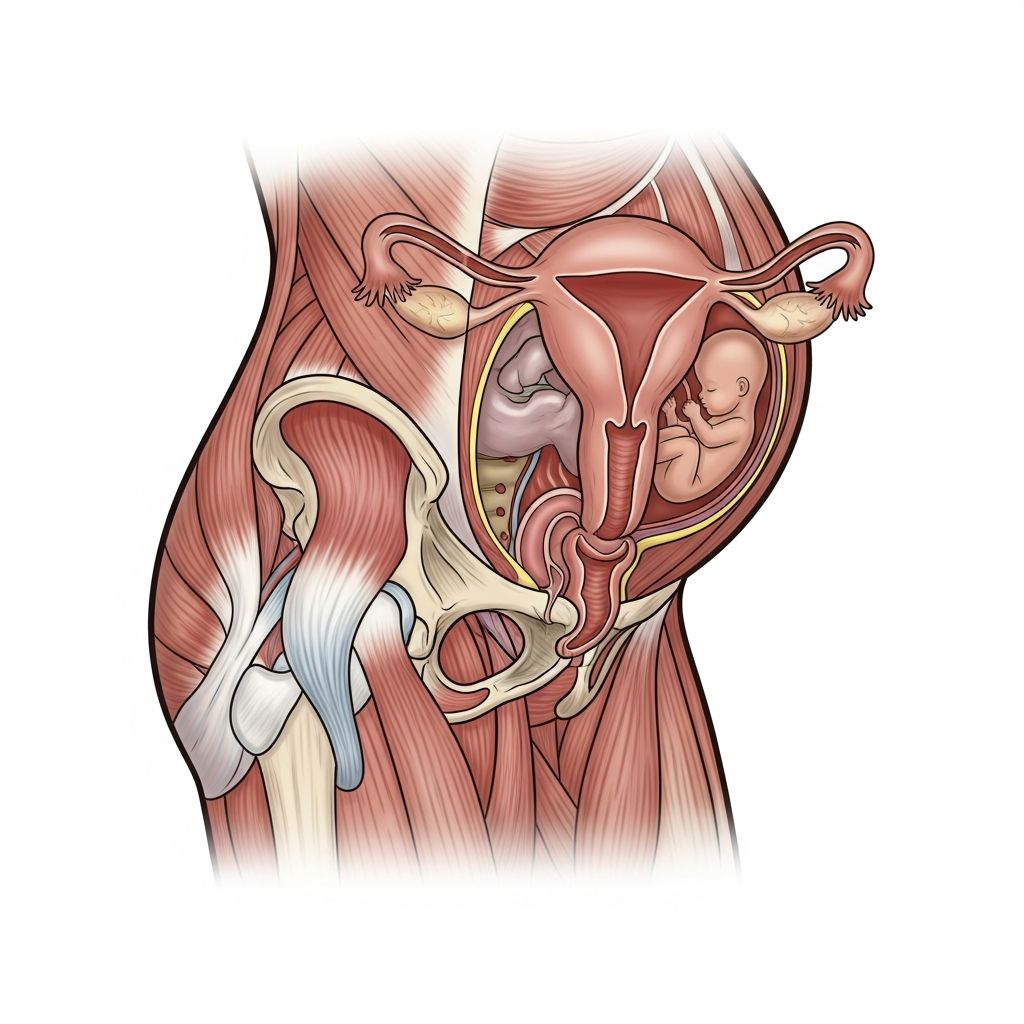
Pregnancy triggers significant bodily transformations that can influence comfort and safety during intimate activities. Hormonal shifts lead to increased blood volume, relaxed ligaments, and changes in pelvic pressure. The rectal area may become more sensitive, with conditions like hemorrhoids becoming common, affecting up to 35-50% of pregnant individuals in their third trimester due to constipation and pressure from the growing uterus.
The anal sphincter, not naturally lubricated like the vagina, relies on external aids for comfort. During pregnancy, elevated progesterone levels slow digestion, promoting constipation, which strains rectal tissues. These factors can heighten discomfort or injury risk during penetration.
Primary Health Risks Associated with Anal Intimacy
Several risks make anal intimacy potentially hazardous during pregnancy. The rectal lining is thin and prone to micro-tears, facilitating bacterial entry into the bloodstream.
Infection Transmission Concerns
- Bacterial Infections: Rectal bacteria such as E. coli, Salmonella, Shigella, Campylobacter, and Giardia can transfer to the vagina if penetration switches without cleaning, risking urinary tract infections (UTIs) or vaginal infections that may ascend to the uterus.
- Group B Streptococcus (GBS): This common rectal colonizer can lead to neonatal infections if transmitted during delivery.
Hemorrhoids and Tissue Damage
Pregnancy exacerbates hemorrhoids, swollen rectal veins that cause pain, itching, and bleeding. Penetration can inflame or rupture them, leading to serious bleeding, especially concerning amid pregnancy’s increased bleeding risks.
STD Vulnerabilities
Anal intimacy heightens STD transmission due to tissue fragility. Receptive anal intercourse poses a 17 times higher HIV risk than vaginal sex, per CDC data. Other threats include chlamydia, gonorrhea, syphilis, herpes, HPV (linked to anal warts/cancer), and hepatitis A/B/C. These can severely impact fetal development, causing preterm birth or congenital issues.
High-Risk Pregnancy Conditions
Certain complications warrant avoiding anal intimacy entirely.
| Condition | Risk with Anal Intimacy | Recommendation |
|---|---|---|
| Placenta Previa | May induce placental trauma or bleeding | Avoid completely |
| Cervical Incompetence | Increased preterm labor risk | Consult provider |
| Vaginal Bleeding/Amniotic Leak | Exacerbates complications | Abstain |
| History of Preterm Labor | Uterine contractions possible | Provider approval needed |
| Hemorrhoids | Pain, rupture, infection | Steer clear |
Orgasm-induced contractions are usually harmless but risky in these scenarios.
Safer Practices and Protective Strategies
If cleared by a healthcare provider, harm reduction is key.
- Condom Use: Essential for STD prevention; change condoms between anal and vaginal activities.
- Lubrication: Water-based only to prevent tears; avoid ingestion for oral play.
- Hygiene: Thorough cleaning before vaginal contact; no direct transfer.
- Communication: Stop at pain; start slow with relaxation techniques.
- Positioning: Side-lying or spooning minimizes pressure.
Regular STD screening is vital, especially for non-monogamous couples.
Debunking Common Myths
Myth 1: Anal sex prevents pregnancy. True, no direct path exists, but semen transfer risks unintended conception.
Myth 2: Pregnancy protects against STDs. False; pregnancy may heighten susceptibility, with studies showing increased HIV transmission per act late in pregnancy.
Myth 3: It’s always painful. Proper prep ensures pleasure; discomfort signals stopping.
Alternative Intimacy Options
For risk-averse couples:
- Mutual masturbation or external stimulation.
- Oral sex (avoid air insufflation vaginally).
- Sensual massage and non-penetrative play.
- Toys with condoms, cleaned between uses.
These maintain connection without rectal involvement.
When to Seek Medical Advice
Consult an OB-GYN if experiencing bleeding, pain, discharge, or fever post-intimacy. Routine prenatal visits should include intimacy discussions for personalized guidance. Providers assess individual risks based on health history.
Frequently Asked Questions (FAQs)
Is anal sex ever safe during pregnancy?
Potentially, in low-risk cases with precautions and provider approval, but risks often outweigh benefits.
Can anal sex harm the baby?
Indirectly via infections or complications like preterm labor; direct harm unlikely absent high-risk conditions.
Does pregnancy change anal sex risks?
Yes, hemorrhoids, infections, and bleeding risks rise significantly.
Are condoms enough protection?
They reduce STD/bacterial risks but don’t eliminate tearing or hemorrhoid issues; combine with lube and hygiene.
What if I have hemorrhoids?
Avoid anal penetration to prevent aggravation; treat with fiber, hydration, and provider-recommended creams.
Can I switch to vaginal sex after anal?
Only after thorough cleaning or condom change to avoid bacterial transfer.
Maintaining a Healthy Intimate Life
Pregnancy alters desires; body image, fatigue, or nausea may affect libido. Open partner dialogue fosters understanding. Non-sexual affection like cuddling sustains bonds. Postpartum, resume gradually after clearance.
Prioritizing safety ensures joy without jeopardy. Most couples find fulfilling ways to connect throughout pregnancy.
References
- Oral and Anal Sex During Pregnancy — American Pregnancy Association. 2023. https://americanpregnancy.org/healthy-pregnancy/is-it-safe/oral-and-anal-sex-during-pregnancy/
- Anal Sex While Pregnant? — The Bump. 2024. https://www.thebump.com/a/anal-sex-while-pregnant
- Can you get Pregnant from Anal Sex? — Natural Cycles. 2024. https://www.naturalcycles.com/cyclematters/can-you-get-pregnant-from-anal-sex
- Pregnancy, Penile-anal Sex and Other Sexual Behaviors — National Institutes of Health (PMC). 2019-02-20. https://pmc.ncbi.nlm.nih.gov/articles/PMC6384003/
- Sex during pregnancy: What’s OK, what’s not — Mayo Clinic. 2024-05-15. https://www.mayoclinic.org/healthy-lifestyle/pregnancy-week-by-week/in-depth/sex-during-pregnancy/art-20045318