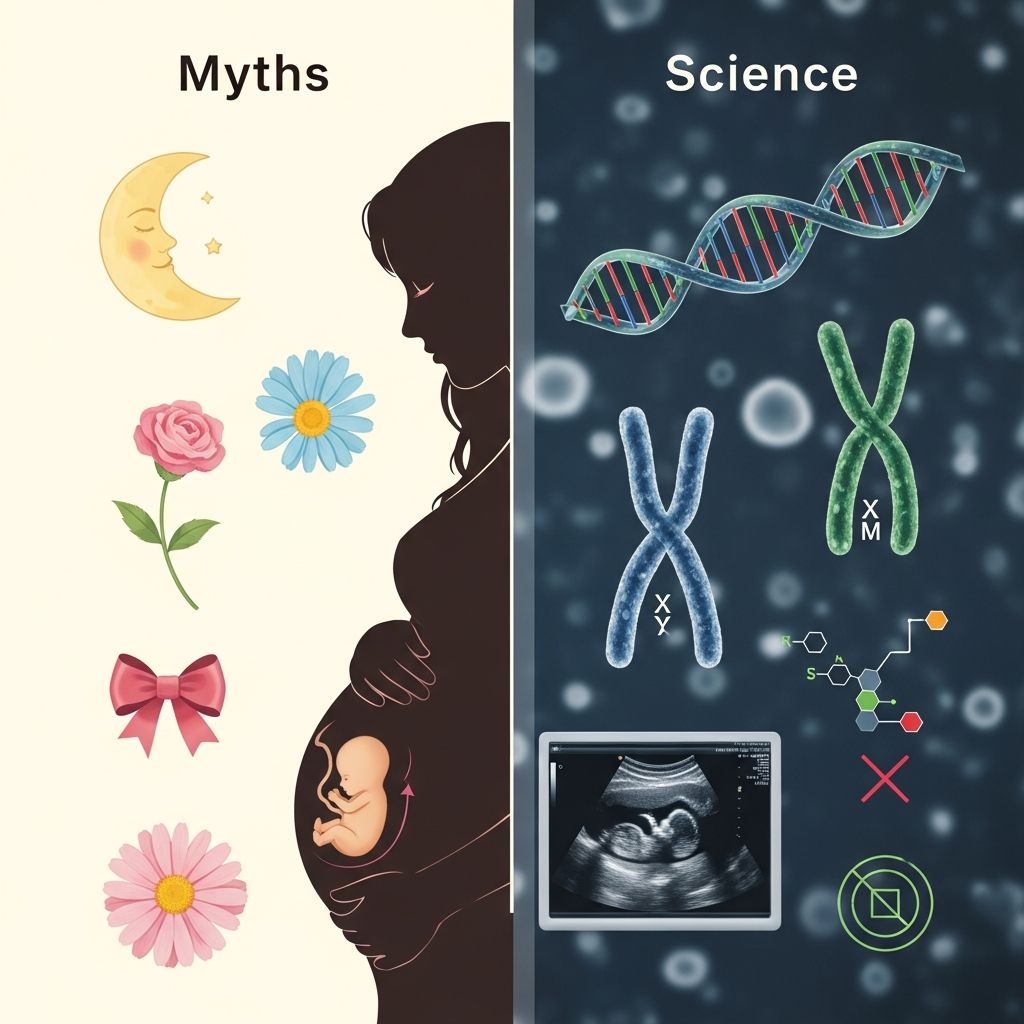
Expectant parents often seek clues about their baby’s sex through pregnancy symptoms. While ultrasound remains the gold standard, folklore suggests various indicators for a girl, such as intensified nausea or specific cravings. This article examines these claims, drawing on peer-reviewed research to separate fact from fiction.
Understanding Pregnancy Symptoms and Fetal Sex
Pregnancy triggers profound hormonal shifts, influencing everything from digestion to skin condition. These changes vary widely, leading to myths linking symptoms to baby gender. Scientifically, fetal sex determination occurs at conception via chromosomes, but symptoms may correlate loosely due to placental hormones or immune responses.
No symptom guarantees a girl’s arrival; individual factors like maternal health and genetics dominate. Still, patterns emerge in large studies, offering intriguing hints without certainty.
Severe Nausea: A Potential Clue Backed by Data
Intense morning sickness, or nausea and vomiting of pregnancy (NVP), affects up to 80% of pregnancies and peaks in the first trimester. Folklore claims worse NVP signals a girl, and evidence supports a modest link.
A study of over 2,500 mothers across 4,320 pregnancies found women carrying girls reported higher NVP frequency (average 6.35 on a 1-9 scale) versus boys (6.04, p=0.007). This held after controlling for age, parity, and nausea proneness. Similarly, a 2017 analysis linked girl pregnancies to elevated inflammation, potentially worsening symptoms.
- Hormonal Role: Higher human chorionic gonadotropin (hCG) from female placentas may intensify nausea.
- Not Diagnostic: Many boy pregnancies involve severe NVP; absence doesn’t predict a boy.
- Management Tips: Eat small, frequent meals; ginger or vitamin B6 can alleviate symptoms.
Cravings for Sweets: Folklore or Physiology?
Craving sugary treats is a classic “girl” sign in old wives’ tales. Hormonal fluctuations drive cravings generally, but no robust data ties sweets specifically to girls.
Estrogen surges may heighten sweet tooth urges, but studies show cravings correlate more with nutritional needs or blood sugar dips than fetal sex. Savory or no cravings occur across genders equally.
| Symptom | Myth: Girl Indicator | Scientific View |
|---|---|---|
| Sweet Cravings | Yes | Hormone-driven, no sex link |
| Savory Cravings | No (boy) | Similar, individual variation |
| No Cravings | No | Common in all pregnancies |
Skin Changes and the ‘Pregnancy Glow’ Myth
Acne or oily skin is often blamed on a “girl stealing your beauty.” In truth, progesterone boosts oil production, causing breakouts unrelated to sex.
Some report duller skin with girls due to estrogen, but research debunks this. A radiant glow stems from increased blood volume, benefiting all pregnancies.
- Acne Management: Gentle cleansers and non-comedogenic products help.
- Reality Check: Skin woes peak mid-pregnancy due to androgens, not fetal sex.
Bump Shape and Carrying Position: Visual Myths
A high, rounded belly supposedly means a girl; low and forward, a boy. Belly shape depends on abdominal muscles, uterus position, and multiples—not sex.
Ultrasound nub theory or skull shape on early scans are fun guesses but lack validation. True sex visibility starts at 14-20 weeks via genital development.
Fetal Heart Rate: Fast Beats and Gender Lore
A rate over 140 bpm hints at a girl per myth. Normal fetal rates range 110-160 bpm, varying by gestation and activity, with no reliable sex distinction.
Doppler checks confirm health, not gender. Research across thousands of fetuses shows overlap between sexes.
Mood Swings and Emotional Intensity
Higher estrogen from girls allegedly causes extreme moods. Pregnancy hormones broadly affect serotonin and mood, varying personally.
No studies confirm worse swings with girls; stress or sleep loss plays larger roles.
Other Folklore: Linea Nigra, Temperature, and Hair
The dark belly line (linea nigra) direction, feeling hot/cold, or hair changes lack evidence. These arise from melanocyte-stimulating hormone and thermoregulation shifts.
- Linea Nigra: Appears in 75% of pregnancies, fades postpartum.
- Body Heat: Progesterone raises basal temperature universally.
Scientifically Reliable Ways to Learn Baby’s Sex
Ultrasound (18-20 weeks): 80-95% accurate via labial lines (hamburger sign) or penis/scrotum.
Non-Invasive Prenatal Testing (NIPT, 10+ weeks): Cell-free fetal DNA detects sex with 99% accuracy, mainly for chromosomal screening.
Invasive Tests: Amniocentesis (15-20 weeks) or CVS (10-13 weeks) confirm via karyotyping, reserved for high-risk cases.
| Method | Timing | Accuracy | Risk |
|---|---|---|---|
| Ultrasound | 18-22 weeks | 80-95% | None |
| NIPT | 10+ weeks | 99% | Minimal |
| Amniocentesis | 15-20 weeks | 99.9% | Low miscarriage risk |
Why Symptoms Vary Across Pregnancies
Even for the same mother, boy and girl pregnancies differ due to unique placentas and genetics. NVP extremes link statistically to girls but predict poorly individually.
Track symptoms via apps for health insights, not gender guesses.
Frequently Asked Questions (FAQs)
Does bad morning sickness mean I’m having a girl?
Severe NVP is more common with girls per studies, but many exceptions exist. Consult your doctor for management.
Can cravings predict my baby’s sex?
No, cravings reflect hormones and diet, not gender.
Is a fast fetal heartbeat a girl sign?
Myth; rates vary normally without sex correlation.
When can I reliably know the sex?
Ultrasound at 18-20 weeks or NIPT from 10 weeks.
Are bump shape myths true?
No, shape depends on muscle tone and position.
Embracing the Mystery of Pregnancy
While symptoms spark excitement, confirmed methods provide clarity. Focus on health: prenatal care, nutrition, and rest enhance outcomes regardless of sex.
Pregnancy’s joys lie beyond predictions—cherish the journey.
References
- Does greater morning sickness predict carrying a girl? Analysis of… — PubMed/NCBI. 2020-10-28. https://pubmed.ncbi.nlm.nih.gov/33098451/
- 8 signs of having a baby girl: Myths vs. facts — Medical News Today. 2018-03-26 (updated). https://www.medicalnewstoday.com/articles/322368
- Boy vs. girl pregnancy symptoms: myths vs. facts — Femia Health. Recent (post-2021). https://femia.health/health-library/pregnancy/pregnancy-health/boy-vs-girl-pregnancy-symptoms/
- Signs of Having a Girl: Myths and Facts — Healthline. Recent update. https://www.healthline.com/health/pregnancy/signs-of-having-baby-girl
- Pregnancy signs and symptoms that you’re having a boy or a girl — Flo Health. Recent. https://flo.health/pregnancy/pregnancy-health/prenatal-testing/early-signs-of-your-baby-sex
- Boy Pregnancy versus Girl Pregnancy Symptoms — Cleveland Clinic Abu Dhabi. Recent. https://www.clevelandclinicabudhabi.ae/en/health-byte/health/boy-pregnancy-versus-girl-pregnancy-symptoms