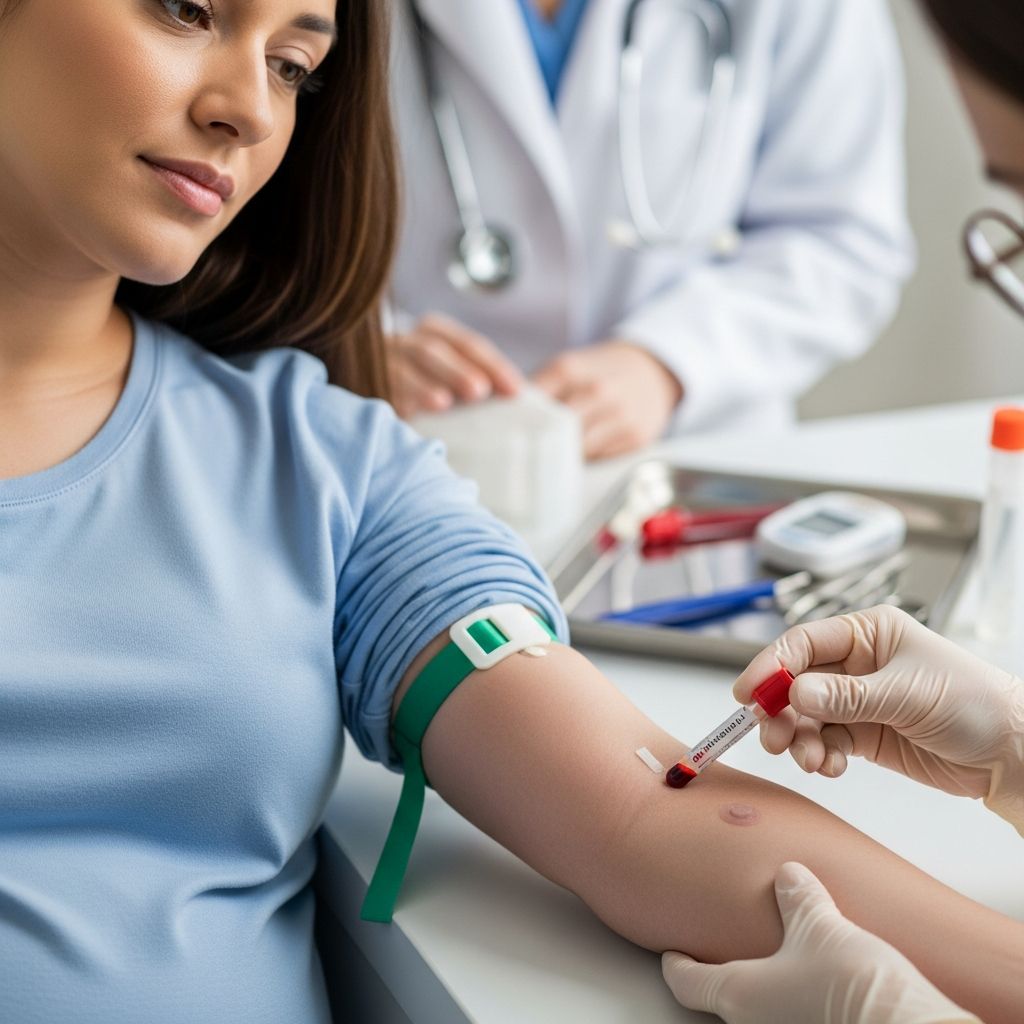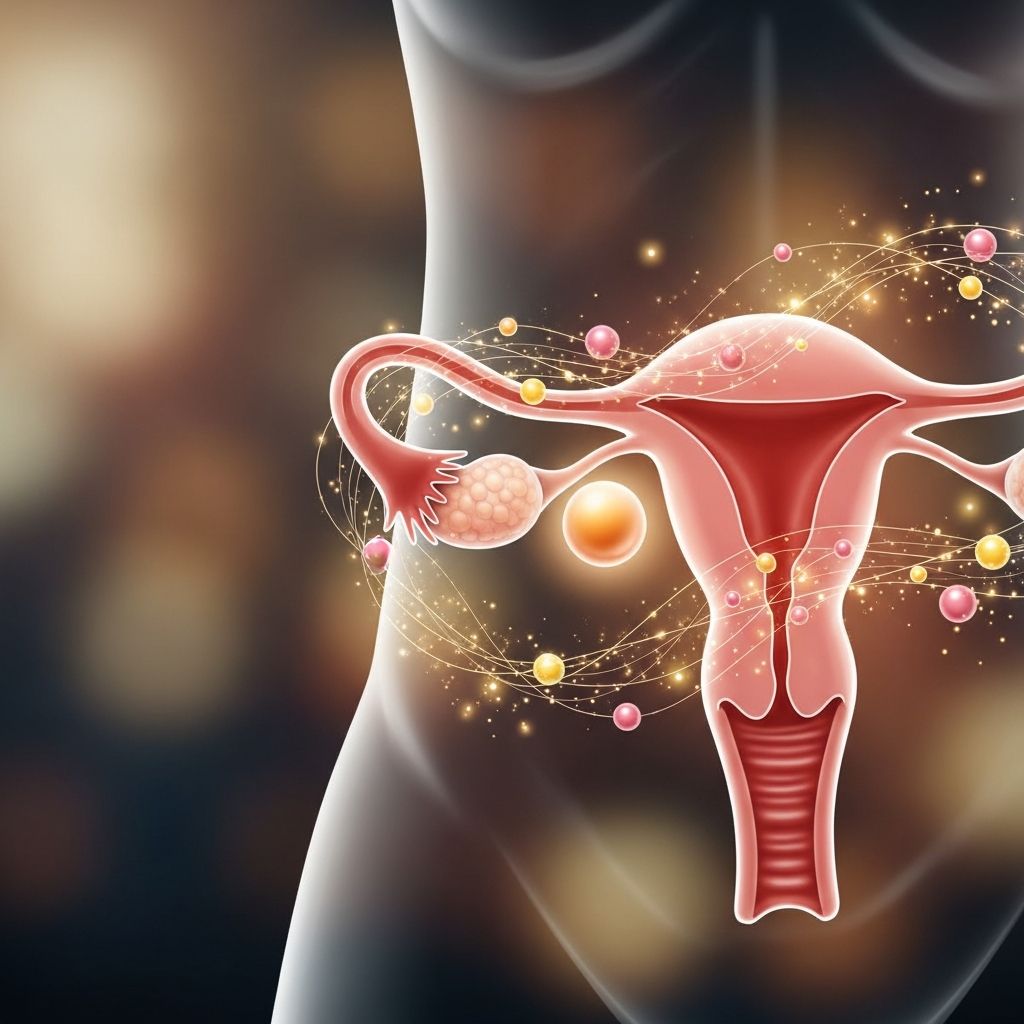
Medroxyprogesterone acetate, commonly known as Provera, serves as a cornerstone in fertility medicine by mimicking progesterone to stabilize hormonal fluctuations. This synthetic progestin helps women with irregular cycles achieve predictable ovulation, creating optimal conditions for conception.
Understanding Provera’s Core Function in Reproductive Health
Provera acts by binding to progesterone receptors throughout the body, particularly influencing the hypothalamus, pituitary gland, and reproductive tract. This interaction suppresses gonadotropin release, which helps control the timing of menstrual events and prevents premature hormonal surges.
In fertility contexts, its primary benefit lies in resetting disrupted cycles. For women experiencing secondary amenorrhea—absence of periods for three months or more—Provera induces withdrawal bleeding, mimicking a natural period and kickstarting the follicular phase.
- Hormonal Balance: Addresses imbalances causing anovulation, where eggs fail to release.
- Uterine Preparation: Thickens the endometrial lining to support implantation.
- Cycle Predictability: Enables accurate tracking of fertile windows.
Unlike natural progesterone, which requires injections or suppositories, Provera’s oral form offers convenience with a prolonged effect, making it suitable for outpatient fertility regimens.
How Provera Fits into Modern Fertility Protocols
Fertility specialists often incorporate Provera at the outset of treatment to establish cycle regularity. A standard approach involves 5-10 days of 5-10 mg daily dosing, followed by bleeding 3-7 days post-discontinuation.
This “reset” is crucial before advancing to ovulation stimulants. In protocols for IVF or egg freezing, Provera replaces injectable GnRH antagonists, reducing monitoring visits from 5-7 to 1-3 while preventing premature luteinizing hormone (LH) surges that could derail egg maturation.
| Protocol Type | Provera Role | Benefits | Monitoring Reduction |
|---|---|---|---|
| Traditional GnRH Antagonist | Replacement with oral 10mg daily | Prevents LH surge | 5-7 visits |
| MPA (Provera) Protocol | Oral from stimulation start to trigger | Fewer injections, flexible triggers | 1-3 fewer visits |
| Clomid Combination | Pre-cycle regulation | Enhances ovulation induction | Standard cycle tracking |
Recent studies affirm Provera’s efficacy in progestin-primed ovarian stimulation (PPOS), showing no compromise in oocyte yield, embryo viability, or live birth rates compared to standard methods.
Pairing Provera with Ovulation-Inducing Medications
Provera’s synergy with clomiphene citrate (Clomid) exemplifies its fertility-enhancing potential. Women without cycles start with 5-7 days of Provera, triggering menses 2-3 days later. Clomid follows on cycle days 3-5, stimulating follicle growth.
If ovulation fails, protocols repeat: additional Provera resets the cycle, escalating Clomid doses until success. Post-ovulation, progesterone support via vaginal suppositories bolsters the uterine lining.
- Step 1: Provera 5-10mg for 5-10 days to induce bleed.
- Step 2: Clomid 50-150mg on days 3-7 of new cycle.
- Step 3: Ovulation confirmation via ultrasound or kits; pregnancy test 2 weeks post-ovulation.
This tandem approach boosts conception odds by ensuring timed ovulation and a receptive endometrium.
Dosage Guidelines and Administration Best Practices
Provera tablets come in 2.5mg, 5mg, and 10mg strengths, tailored to needs. For amenorrhea, 5-10mg daily for 5-10 days suffices; secondary dosing optimizes endometrial transformation when estrogen-primed.
Timing matters: start anytime in amenorrhea cases, or cycle day 16 for secretory phase support. Evening dosing in IVF protocols minimizes disruption.
| Condition | Dosage | Duration | Expected Outcome |
|---|---|---|---|
| Secondary Amenorrhea | 5-10mg daily | 5-10 days | Withdrawal bleed in 3-7 days |
| Cycle Regulation pre-Clomid | 10mg daily | 5-7 days | Menses onset for timing |
| IVF/MPA Protocol | 10mg daily | Stimulation to trigger | LH surge prevention |
Patients should track symptoms and adhere strictly, reporting irregularities to providers for adjustments.
Potential Side Effects and Risk Management
While effective, Provera may cause bloating, breast tenderness, mood changes, or spotting—typically resolving post-treatment. High doses historically delayed fertility return, though short fertility courses pose minimal risk.[10]
Contraindications include undiagnosed vaginal bleeding, breast cancer history, or liver disease. Monitoring via bloodwork and ultrasounds ensures safety, especially in combo therapies.
Mayo Clinic notes that while Depo-Provera (injectable form) suppresses ovulation long-term, oral Provera’s brief use supports fertility without such delays.
Success Metrics and Patient Outcomes
Meta-analyses of over 3,500 PPOS cycles with Provera report clinical pregnancy and live birth rates comparable to antagonists, with added patient convenience. Combination with Clomid yields ovulation in most responsive cases, with escalation improving results.
Individual factors like age, BMI, and underlying conditions influence efficacy. Ongoing care, including lifestyle tweaks, amplifies benefits.
Frequently Asked Questions About Provera in Fertility
Does Provera directly trigger ovulation?
No, it regulates cycles to enable natural or med-induced ovulation, indirectly aiding fertility.
How soon after Provera can I expect my period?
Withdrawal bleeding typically starts 3-7 days after stopping.
Can Provera be used in IVF?
Yes, in MPA protocols, it prevents premature ovulation with fewer injections.
Is Provera safe for repeated use in fertility treatments?
When prescribed short-term, yes; long-term high doses may delay fertility return.[10]
What if I don’t ovulate after Provera and Clomid?
Doses adjust, or rest cycles precede retries; consult your specialist.
Navigating Provera Treatment: Tips for Optimal Results
Partner with a reproductive endocrinologist for personalized plans. Track basal body temperature, use ovulation predictors, and maintain a balanced diet rich in folate and antioxidants. Stress reduction via yoga or counseling supports hormonal harmony.
Post-treatment, confirm ovulation before attempting conception. Positive home tests warrant blood hCG verification.
Provera’s integration into fertility care underscores its value: accessible, effective cycle control paves the way for parenthood. Always weigh benefits against personal health profiles under medical guidance.
References
- The Role of Provera in Fertility — Liv Hospital. 2023. https://int.livhospital.com/can-provera-help-you-get-pregnant/
- How Does Clomiphene Citrate Work — Pacific Fertility Center. 2023. https://www.pacificfertilitycenter.com/fertility-care/ivf-process/clomiphene
- MPA Protocol for IVF and Egg Freezing — Shady Grove Fertility. 2023. https://www.shadygrovefertility.com/article/mpa-protocol-ivf-egg-freezing/
- PROVERA Prescribing Information — Pfizer. 2023. https://labeling.pfizer.com/ShowLabeling.aspx?id=12214
- Depo-Provera (Birth Control Shot) — Mayo Clinic. 2025-01-10. https://www.mayoclinic.org/tests-procedures/depo-provera/about/pac-20392204
- A Patient and Physician Friendly Stimulation Protocol — IMR Press (CEOG). 2022-03-15. https://www.imrpress.com/journal/CEOG/49/3/10.31083/j.ceog4903078
- Medroxyprogesterone – StatPearls — NCBI Bookshelf (NIH). 2023-10-01. https://www.ncbi.nlm.nih.gov/books/NBK559192/