Renowned actress Amy Adams has long captivated audiences with her versatile performances, but her most profound role may be that of a mother navigating the relentless demands of Hollywood alongside family life. In recent discussions surrounding her starring role in the film Nightbitch, Adams shares candid insights into the physical, emotional, and professional toll of parenthood, offering a relatable narrative for working mothers everywhere.
The Hidden Toll of Early Motherhood in a High-Octane Career
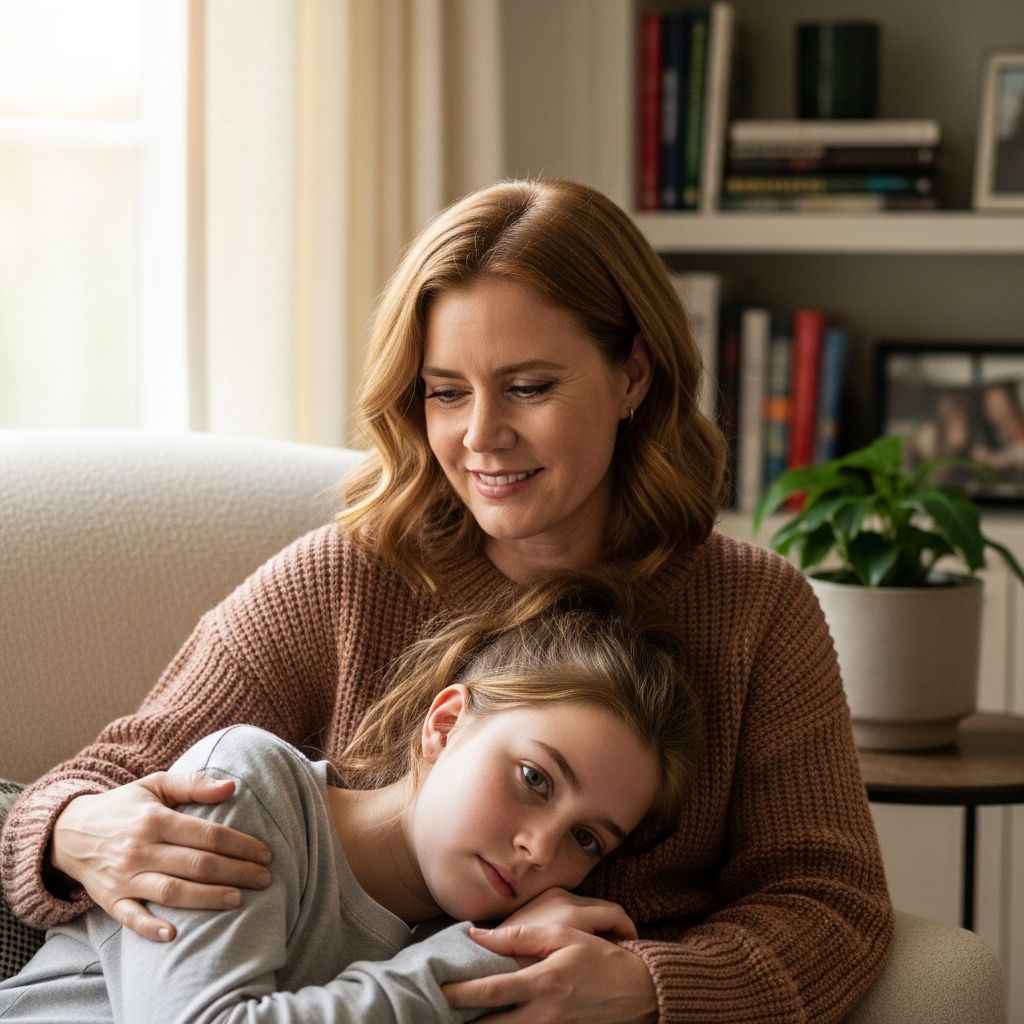
Adams’ entry into motherhood coincided with a meteoric rise in her career. Following her Oscar-nominated breakout in Junebug in 2005, she became a fixture in major productions. By 2010, after giving birth to her daughter Aviana, Adams dove back into work with films like On the Road, The Muppets, and The Fighter—all before her daughter’s first birthday. This period marked one of the most exhausting chapters of her life, characterized by sleep deprivation and an unyielding commitment to both family and career.
“I think that’s the most tired I’ve ever been,” Adams reflected, emphasizing her determination to be fully present for her child while shouldering the role of primary breadwinner. She balanced grueling shoots, promotions, and home responsibilities without respite, a scenario all too common for women in demanding professions.
Channeling Maternal Exhaustion into Artistic Depth
One standout example of how Adams integrated her motherhood experiences into her craft was during Paul Thomas Anderson’s The Master. Amid frequent night shoots, she snatched naps, devoted days to Aviana, and returned to set each evening. This rhythm plunged her into a ‘primal self,’ mirroring the feral transformations depicted in Nightbitch. “That’s the most in touch with my primal self I’d ever been,” she noted, viewing the overlap as cathartic.
The film Nightbitch, directed by Marielle Heller, echoes these realities. Adams portrays a former artist who pauses her career for full-time parenting, only to face draining isolation, spousal disconnect, and bizarre physical changes like heightened senses and unusual hair growth. These elements symbolize the unspoken rage and transformation many mothers endure.
Industry Pressures: Why Mothers Are Leaving Hollywood
Adams’ story is not isolated; it reflects broader systemic issues in entertainment. A 2021 Production Guild of Great Britain survey revealed that 84% of producers knew someone who exited the industry due to childcare shortages, with 73% reporting career impacts from parenting and 82% fearing future disruptions—86% of respondents were women, 70% freelance.
Similarly, Raising Films’ 2021 survey found 77% of screen workers citing caregiving as a negative work factor, with 63% of women viewing it as their top challenge. Freelance prevalence doubles in screen industries compared to the UK average, exacerbating issues like inconsistent income and absent benefits.
| Challenge | Impact on Mothers (% Affected) | Source |
|---|---|---|
| Childcare Lack | 84% know someone who left | Production Guild GB (2021) |
| Caregiving Negative Impact | 77% | Raising Films (2021) |
| Career Fear from Parenting | 82% | Production Guild GB (2021) |
| Freelance Parenting Disadvantage | Twice as likely | Cinemamas/BECTU |
These statistics underscore a crisis: without sustainable practices, talent drains from an industry already reeling from strikes and shortages.
Partner Support as a Career Lifeline
Adams credits her husband’s role as primary caregiver for enabling her success. “Amy Adams herself has said she wouldn’t be able to have the career she does if it weren’t for the fact her husband is the primary caregiver,” notes industry analysis, highlighting unequal domestic loads that force career sacrifices.
Director Marielle Heller, who connected with Adams over shared struggles as working mothers, advocates for change. Postpartum in a remote cabin during early discussions, Heller captured the isolation Adams knew well. Their collaboration in Nightbitch spotlights how partners’ involvement—or lack thereof—shapes maternal outcomes.
Evolving Perspectives: From Pressure to Balance
Now 50, Adams embraces aging and scrutiny with newfound poise. She has shifted from self-imposed pressures during Aviana’s infancy to prioritizing a ‘healthy, balanced, happy mom’ model for her daughter. This evolution informs her Nightbitch portrayal, where the character reclaims her ‘feral side’ amid societal judgment.
- Key Shifts in Adams’ Approach: Reduced frenzy post-baby; integrated life experiences into roles; fought for work-life equilibrium.
- Inspirations from Family: Her mother’s post-seven-kids bodybuilding phase as an ‘OG Nightbitch,’ starting self-discovery at 19 versus Adams’ at 35.
Societal Backdrop: U.S. Mothers Under Siege
Nightbitch critiques America’s paltry parental support, where mothers face vilification, poor health outcomes, and stress deemed a public health crisis by U.S. Surgeon General Vivek Murthy. Expressing parenting ambivalence invites outrage, yet the film fosters dialogue, with Adams moved by fans’ postpartum stories.
Positive Steps Toward Sustainability
Heller calls filmmaking’s 18-hour days ‘totally unsustainable’ for parents, urging adaptations like flexible schedules and childcare. Initiatives like Cinemamas support parent screen workers, but more investment is needed to retain talent.
Adams’ journey—from delirium to empowerment—models resilience. By bringing personal truths to art, she validates mothers’ complexities, sparking conversations on support.
Frequently Asked Questions
What inspired Amy Adams’ performance in Nightbitch?
Her own exhaustion as a new mother during intense shoots like The Master, channeling primal feelings into the role.
How has Hollywood impacted working mothers?
Surveys show high exit rates due to childcare gaps and freelance instability, disproportionately affecting women.
Did Amy Adams’ husband play a key role in her career?
Yes, as primary caregiver, enabling her to maintain a top-tier Hollywood trajectory.
What changes has Adams made for better balance?
She’s prioritized health and happiness over perfection, aiming to model balance for her daughter.
Is motherhood rage a theme in Nightbitch?
Absolutely—it’s a black comedy horror exploring inequalities, transformation, and unvoiced maternal fury.
This narrative extends beyond Adams, urging systemic shifts for working parents. Her openness demystifies stardom’s glamour, revealing universal struggles and hopes.
References
- Unleashing ‘feral side,’ Amy Adams connects with ‘Nightbitch’ — Los Angeles Times. 2024-12-04. https://www.latimes.com/entertainment-arts/movies/story/2024-12-04/amy-adams-nightbitch-motherhood-marielle-heller
- NIGHTBITCH: motherhood and rage — Reclaim The Frame. 2024-12-02. https://www.reclaimtheframe.org/post/nightbitch-motherhood-and-rage
- ‘Nightbitch’ unmasks the challenges of motherhood — Brent Marchant. 2025-03-16. https://brentmarchant.com/2025/03/16/nightbitch-unmasks-the-challenges-of-motherhood/