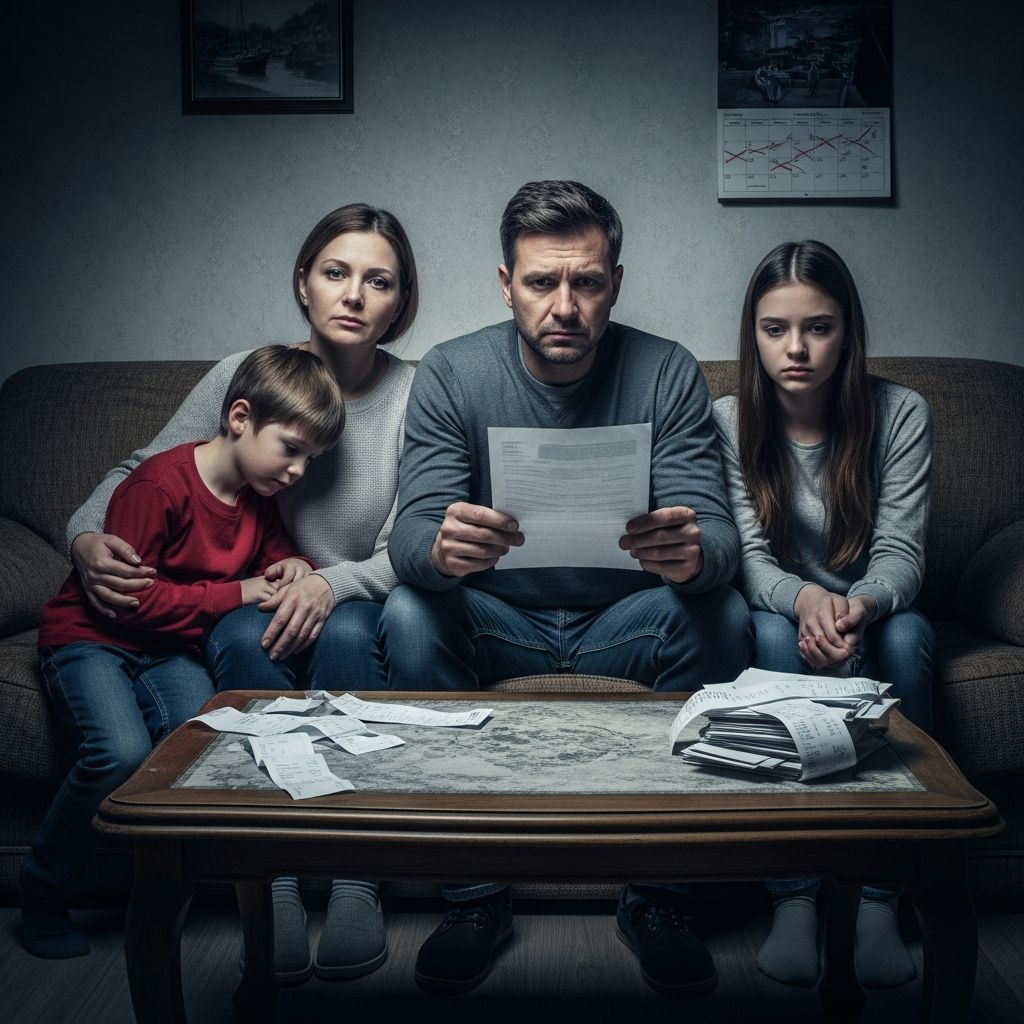
The death of a spouse marks one of life’s most devastating losses, shattering the foundation of shared routines, dreams, and companionship. This profound grief demands time, patience, and intentional steps toward healing. While the pain may feel insurmountable, understanding the grieving process empowers survivors to reclaim their lives gradually.
Understanding the Depths of Spousal Grief
Grief following the loss of a spouse is multifaceted, affecting emotional, physical, and spiritual dimensions. It often begins with shock and disorientation, as the deceased partner represented a core part of one’s identity and daily existence. Survivors frequently report feeling lost, questioning their sense of self without their lifelong companion.
This grief is inherently personal, shaped by the unique relationship dynamics, the circumstances of the death—whether sudden or prolonged—and pre-existing life stressors. Cultural norms, religious beliefs, and prior losses further color the experience. Recognizing this uniqueness prevents unhelpful comparisons to others’ timelines, allowing space for an authentic mourning pace.
- Emotional surges: Sudden waves of sorrow, anger, or even relief can arise unexpectedly, especially during anniversaries or holidays.
- Physical toll: Fatigue, appetite changes, and sleep disturbances are common, signaling the body’s stress response.
- Identity shift: Transitioning from ‘we’ to ‘I’ challenges long-held roles like partner or co-parent.
According to bereavement experts, suppressing these reactions only prolongs suffering, potentially leading to complicated grief manifesting as depression or anxiety.
Embracing the Mourning Process
Mourning is not a linear path but a necessary journey of expressing thoughts and emotions tied to the loss. It involves confronting the reality of death head-on, which paves the way for gradual acceptance and restoration.
Start by permitting yourself to feel fully. Cry, scream, or sit in silence—whatever authentically reflects your pain. Journaling offers a private outlet: document memories of shared joys, like weekend hikes or quiet evenings, alongside the ache of absence. Creative expressions, such as painting or music, can externalize intangible sorrow.
| Grief Expression Method | Benefits | Examples |
|---|---|---|
| Verbal Sharing | Fosters connection and validation | Talking with trusted friends or joining groups |
| Writing | Clarifies chaotic thoughts | Daily journals, letters to the deceased |
| Creative Arts | Releases emotions non-verbally | Drawing memorials, composing songs |
| Physical Activity | Alleviates tension | Yoga, walks in meaningful locations |
Avoid the temptation to ‘tough it out.’ Healing requires vulnerability, transforming raw grief into cherished memories over time.
Building a Reliable Support Network
Isolation amplifies grief’s intensity; connection is a cornerstone of recovery. Identify compassionate listeners who validate your experience without judgment—those who ‘walk beside’ rather than dictate your path.
- Join local or online widow(er) support groups, like GriefShare programs, where peers share similar journeys.
- Lean on family and friends, specifying needs: ‘I need someone to sit with me tonight’ or ‘Can we reminisce about our trips?’
- Seek professional guidance from grief counselors if emotions overwhelm daily functioning.
Beware of unhelpful responses like ‘Move on quickly’ or ‘You’re strong, you’ll be fine.’ Politely redirect or distance from such influences to protect your process. A strong network not only provides empathy but practical aid, from meal prep to household tasks.
Prioritizing Physical and Emotional Self-Care
Grief exerts a physical burden, depleting energy and immunity. Counter this with deliberate self-nurturing, treating yourself with the kindness reserved for a dear friend.
Maintain basic routines: balanced nutrition combats fatigue, while gentle exercise like daily walks boosts endorphins. Prioritize sleep hygiene—dim lights, avoid screens pre-bedtime. Hydration and short mindfulness breaks sustain resilience.
Emotionally, honor rest periods without guilt. Postpone major decisions, such as selling the home or relocating, until clarity emerges. Practical matters like finances or legal affairs can wait or be delegated temporarily.
Confronting Challenging Grief Triggers
Certain situations intensify sorrow, demanding courage to navigate:
- Anniversaries and milestones: Pre-plan with supportive activities, like visiting a favorite spot or hosting a memory-sharing gathering.
- Home reminders: Familiar rooms or items evoke absence; gradually rearrange spaces when ready.
- Persistent memories: Nightmares or hallucinations of the spouse are normal early on; discuss with a therapist if persistent.
- Personal belongings: Sorting clothes or tools stirs finality—proceed slowly, perhaps donating meaningfully.
These encounters underscore the loss but also affirm enduring love. Patience transforms triggers into tributes.
Integrating Faith and Spirituality
For many, spiritual practices anchor healing. Engage rituals that resonate: prayer, meditation, or community worship. If anger toward a higher power surfaces—a common reaction—voice it to understanding spiritual leaders.
Explore meaning-making: How did your spouse’s life impact yours? Faith communities often provide solace through shared mourning customs, reinforcing you’re not alone.
Rediscovering Purpose and Joy
Healing evolves toward integrating loss into a renewed life. Grief doesn’t vanish but softens, allowing space for new pursuits. Reconnect with hobbies—gardening, reading clubs—or try novelties like classes. Volunteer for causes your spouse championed, honoring their legacy while fostering purpose.
Socially, nurture friendships and consider cautious new connections. Dating, if desired, follows personal readiness, not external timelines. The goal: a life rich with meaning, forever intertwined with loving remembrance.
Remember, recovery is nonlinear; setbacks are progress markers. Compassionate persistence yields growth.
Frequently Asked Questions
Is it normal to feel angry after losing my spouse?
Yes, anger is a standard grief stage, directed at the deceased, doctors, or fate. Acknowledging it prevents bottling, aiding release.
How long does spousal grief typically last?
No fixed duration—many report intense feelings for 1-2 years, with waves lifelong. Pace yourself without timelines.
Should I remove my spouse’s belongings immediately?
No, wait until emotionally prepared. Rushing heightens pain; gradual handling allows closure.
When is it time to seek professional help?
If grief impairs eating, sleeping, or functioning after months, or suicidal thoughts arise, consult a therapist promptly.
Can I ever feel joy again?
Absolutely—joy coexists with grief. New experiences gradually restore fulfillment alongside memories.
References
- Helping Yourself Heal When Your Spouse Dies — Center for Loss. 2023-12. https://www.centerforloss.com/2023/12/helping-heal-spouse-dies/
- 8 Steps to Healing After the Death of Your Spouse or Partner — VITAS Healthcare. N/A. https://www.vitas.com/family-and-caregiver-support/grief-and-bereavement/losing-a-family-member/8-steps-to-healing-after-the-death-of-your-life-partner
- Coping with Grief and Loss — HelpGuide.org. N/A. https://www.helpguide.org/mental-health/grief/coping-with-grief-and-loss
- Coping With the Loss of a Spouse — Madison Memorial Home. N/A. https://madisonmemorialhome.com/14/The-Loss-of-a-Spouse.html
- GriefShare — GriefShare.org. N/A. https://www.griefshare.org