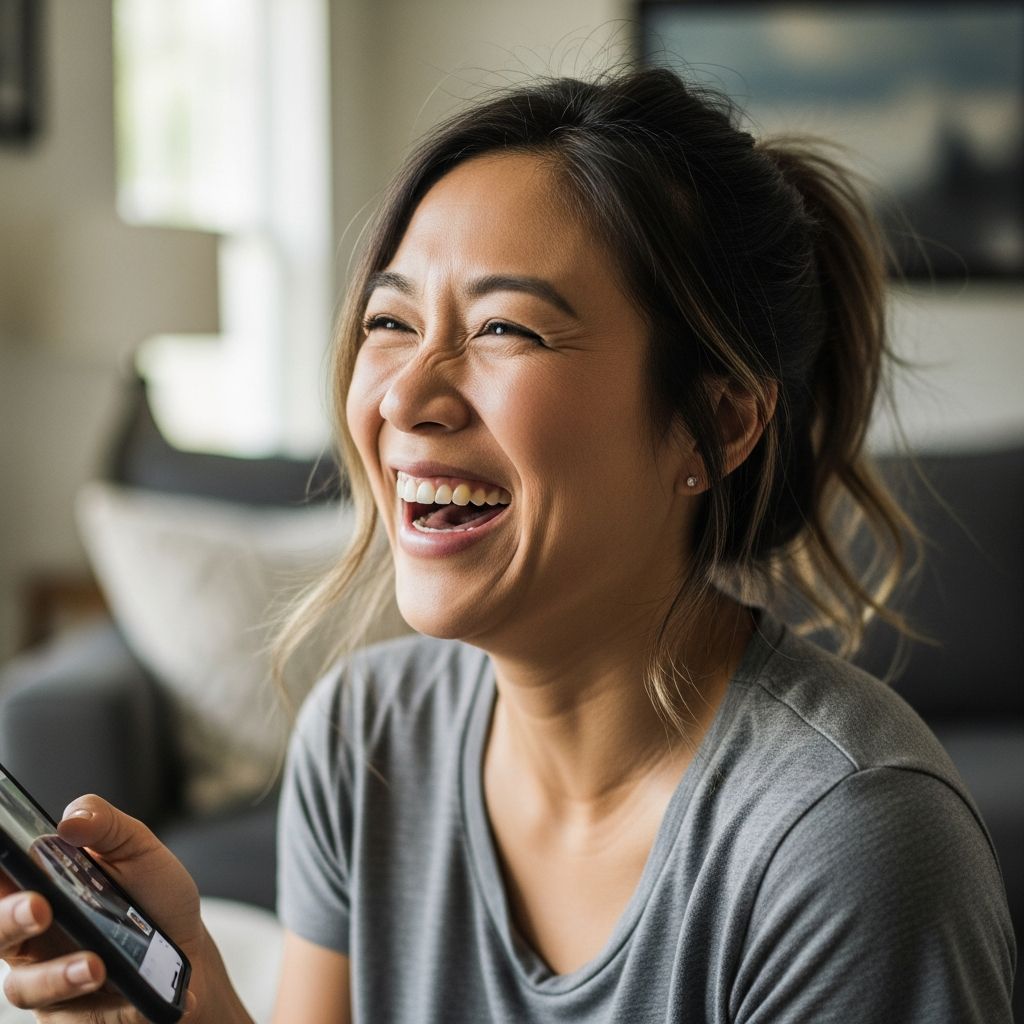
Comedian Ali Wong has mastered the art of turning everyday parenting struggles into side-splitting content on Instagram. Her posts offer a refreshing counterpoint to polished momfluencer feeds, showcasing the messy, joyful reality of raising kids while navigating postpartum life. By blending sharp wit with vulnerability, Wong connects deeply with parents seeking genuine representation amid social media’s perfection trap.
The Power of Unfiltered Motherhood Stories
In an era dominated by curated images, Ali Wong stands out by embracing imperfection. Her Instagram feed reveals the unvarnished truth of mom life, from sleep deprivation to body changes, resonating with mothers who feel pressured by idealized portrayals. Research highlights how authentic social media content can protect postpartum mental health by fostering realistic expectations and reducing harmful comparisons. Wong’s approach aligns with this, providing encouragement through humor rather than unattainable standards.
Social media often amplifies stress for new moms, with studies showing that those prone to comparison experience lower parenting confidence when viewing glossy content. Wong flips this script, using comedy to normalize chaos and build community. Her posts remind followers that motherhood isn’t about flawless aesthetics but surviving—and laughing through—the daily grind.
Body Positivity in the Postpartum Spotlight
Wong’s candid shares about her postpartum body challenge conventional beauty norms. She posts about stretch marks, weight fluctuations, and the physical toll of childbirth without filters or shame, promoting body neutrality over quick “bounces back.” This authenticity counters the conflicts of interest in influencer content, where sponsored diets often set unrealistic goals.
One memorable post features Wong in workout gear, poking fun at her “mom bod” while highlighting strength gained from motherhood. Such moments demonstrate the body’s capabilities post-birth, inspiring followers to appreciate functionality over aesthetics. Academic analysis supports this: genuine mumfluencer discourse enhances mental health by decentering appearance pressures.
- Key Benefits of Authentic Body Shares: Boosts self-esteem, reduces comparison cycles, encourages healthy lifestyles without extremes.
- Encourages intuitive eating and movement for joy, not punishment.
- Validates diverse postpartum experiences, from C-sections to natural births.
Humor as a Lifeline for Parenting Challenges
Laughter is Wong’s secret weapon against exhaustion. Instagram reels capture her wrangling toddlers amid household mayhem, captioning them with quips like equating diaper changes to stand-up routines. This mirrors broader findings that humorous, relatable content helps moms combat anxiety from social media’s perfection illusion.
Her feed includes clips of family dinners turning into food fights or bedtime battles won through negotiation tactics worthy of a sitcom. By sharing these, Wong humanizes parenting, showing it’s okay for homes to be lived-in and routines to flex. Personality traits influence susceptibility to negative media effects, but Wong’s style appeals universally by prioritizing connection over competition.
| Idealized Mom Posts | Wong’s Real Mom Posts | Impact on Viewers |
|---|---|---|
| Polished nurseries, serene babies | Toy-strewn floors, cranky kids | Reduces inadequacy feelings |
| Gym selfies weeks postpartum | Lazy couch recovery laughs | Promotes rest validation |
| Organic meal masterpieces | Takeout triumphs | Normalizes practical parenting |
Navigating Relationship Dynamics Post-Baby
Motherhood reshapes partnerships, and Wong doesn’t shy away from it. Posts depict date nights squeezed between nap schedules or intimate moments interrupted by tiny feet pattering in. Her humor underscores communication’s role in sustaining romance amid chaos, offering solidarity to couples facing similar shifts.
Media often glamorizes new-parent bliss, ignoring relational strains. Wong’s takes, like joking about “sexy time” logistics, provide comic relief and practical insights, aligning with calls for nuanced motherhood depictions that reflect real challenges.
Celebrating Milestones with a Twist
From first steps to potty training victories, Wong marks achievements with irony intact. A video of her child’s wobbly walk ends with her collapsing in mock defeat, captioning it a “win for everyone involved.” These shares capture joy without erasing hurdles, fostering agency in content consumption.
Postpartum women curate feeds to match values, avoiding shaming ideals. Wong’s blend of triumph and trial empowers this, turning milestones into relatable narratives rather than pressure points.
Mental Health Check-Ins and Self-Care Wins
Wong openly discusses therapy, boundaries, and “me time” steals, like quick coffee runs or solo showers. Her advocacy normalizes mental health talks, countering social media’s role in elevating stress hormones. Posts urging followers to “log off and hug your mess” promote protective strategies.
- Practical Tips from Wong’s Vibe:
- Set screen limits during high-stress hours.
- Follow creators matching your reality.
- Journal gratitudes amid the grind.
Building Community Through Shared Struggles
Comments on Wong’s posts brim with “This is my life!” affirmations, creating virtual support circles. Unlike comparison traps, her content sparks empathy and shared laughs. As short-form videos rise, her honest reels pave the way for realistic portrayals.
Societal expectations shape motherhood media, but Wong disrupts them, proving vulnerability sells authenticity over products. Her influence encourages diverse voices, reducing isolation for marginalized moms.
Frequently Asked Questions (FAQs)
What makes Ali Wong’s Instagram different from typical mom accounts?
Her unfiltered humor and rejection of perfection set her apart, focusing on real struggles over staged bliss, which helps combat negative body image effects.
Can following accounts like Wong’s improve postpartum mental health?
Yes, authentic content protects well-being by promoting realistic views and agency in media choices.
How does social media comparison affect new moms?
Moms with high comparison tendencies feel less competent seeing idealized posts, lowering confidence.
Why is body neutrality important in motherhood content?
It shifts focus from appearance to function, countering unrealistic standards and supporting mental health.
Are there tips to avoid social media’s downsides as a parent?
Curate feeds mindfully, prioritize empathy-sharing, and use platform tools against negativity.
Embracing the Messy Joy of Mom Life
Ali Wong’s Instagram isn’t just entertainment—it’s a lifeline illustrating motherhood’s dualities. By ditching filters for facts, she inspires a movement toward honest sharing. In a landscape rife with traps, her work reminds us: perfect parenting is a myth, but resilient, laughing-through-it moms are real.
Expand your feed with creators like her to foster positivity. Motherhood thrives on community, not comparison—Wong proves laughter leads the way.
References
- Exploring the influence of social media ‘Mumfluencers’ on postpartum body image — Mertens et al., PMC. 2024. https://pmc.ncbi.nlm.nih.gov/articles/PMC12678656/
- Nebraska study illuminates social media trap for new moms — University of Nebraska–Lincoln. 2023-03-01. https://news.unl.edu/article/nebraska-study-illuminates-social-media-trap-for-new-moms
- Motherhood and Media — EBSCO Research Starters. Accessed 2026. https://www.ebsco.com/research-starters/psychology/motherhood-and-media
- Motherhood in the Age of Social Media — Modern Counseling San Diego. Accessed 2026. https://www.moderncounselingsandiego.com/motherhood-in-the-age-of-social-media/
- How Social Media Comparison Affects the Mental Health of Moms — Ready Nest Counseling. Accessed 2026. https://www.readynestcounseling.com/post/how-social-media-comparison-affects-the-mental-health-of-moms