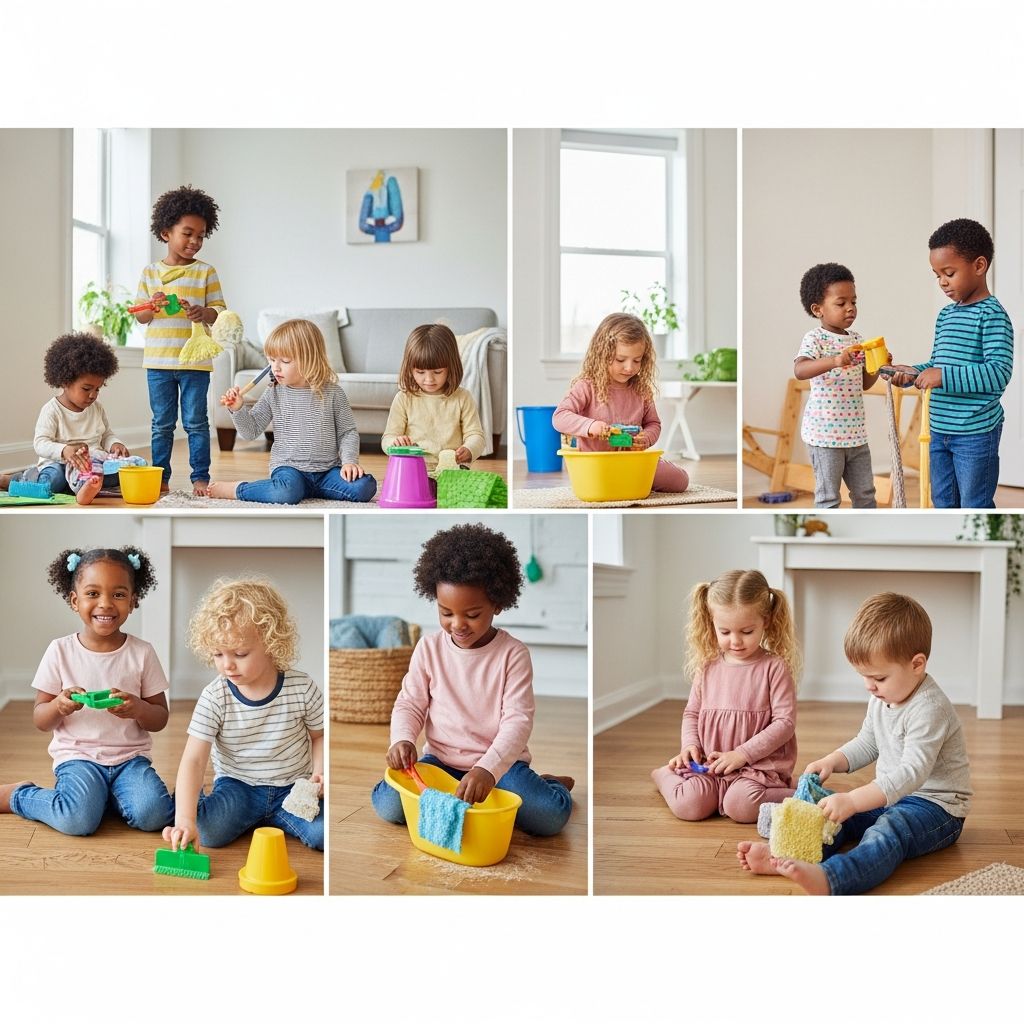
Introducing household responsibilities to toddlers and preschoolers lays the foundation for lifelong skills like responsibility, independence, and cooperation. Research from developmental experts highlights that children as young as age 3 who regularly participate in chores show higher self-esteem and better problem-solving abilities later in life. These early tasks not only lighten family loads but also foster cognitive, emotional, and physical growth in meaningful ways.
Why Chores Matter for Early Childhood Development
Household chores serve as more than just routine maintenance; they are powerful tools for building a child’s character and capabilities. When young children engage in simple tasks, they experience a sense of accomplishment that directly enhances their self-worth. Studies indicate that consistent chore involvement correlates with increased confidence and resilience, as kids learn to tackle undesirable activities and see positive outcomes.
From a cognitive perspective, chores sharpen executive functioning skills essential for school and beyond. Sorting items, sequencing steps, and prioritizing activities during tasks like laundry or table setting train the brain in planning and organization. Emotionally, completing chores reinforces self-regulation, helping children manage frustration and persist through challenges, which contributes to overall mental health and reduced feelings of helplessness.
Family dynamics improve too, as chores promote teamwork. Children who contribute feel like valued team members, understanding that everyone’s efforts keep the home running smoothly. This shared responsibility cultivates empathy and a strong work ethic, traits linked to future professional success according to longitudinal research. Moreover, these activities provide quality bonding time, strengthening parent-child relationships through guided participation.
Key Benefits Backed by Child Development Research
- Boosts Independence and Self-Reliance: Tasks encourage children to handle personal care and contribute without constant supervision, preparing them for greater autonomy.
- Enhances Language and Communication Skills: Verbal instructions during chores introduce new vocabulary and multi-step directions, accelerating word combination and comprehension.
- Develops Perseverance and Time Management: Pushing through repetitive or unappealing jobs teaches grit, while scheduling chores around playtime hones planning abilities.
- Builds Physical Coordination and Sensory Regulation: Activities involving movement, like wiping surfaces or carrying light items, provide sensory input that improves focus and mood.
- Fosters Teamwork and Family Unity: Collective efforts create a sense of belonging and mutual respect within the household.
Chores Tailored for Toddlers (Ages 1-3 Years)
For the youngest helpers, focus on one-step actions that match their motor skills and attention span. These build routines without overwhelming them. Demonstrate each task first, using simple language to narrate actions, which supports language growth.
| Chore | How to Involve Your Toddler | Developmental Gains |
|---|---|---|
| Putting Toys Away | Guide them to place blocks or dolls in bins after playtime. | Builds routine, sorting skills, and cleanup habits. |
| Helping with Laundry | Let them drop clothes into the hamper or washer. | Teaches sorting colors and textures; boosts independence. |
| Wiping Spills | Hand a damp cloth for small messes on tables or floors. | Practices fine motor control and cause-effect understanding. |
| Watering Plants | Use a small cup to pour water on houseplants. | Introduces responsibility for living things; sensory exploration. |
| Clearing Table Basics | Carry unbreakable cup or plate to sink. | Encourages following directions and family contribution. |
Keep sessions short—5-10 minutes—and praise effort over perfection to maintain enthusiasm.
Expanding Responsibilities for Preschoolers (Ages 3-5 Years)
As coordination and memory improve, preschoolers can handle multi-step chores with supervision. These build on toddler skills, adding complexity to challenge growing brains. Involve them in planning, like choosing outfits the night before, to empower decision-making.
| Chore | How to Guide Your Preschooler | Developmental Gains |
|---|---|---|
| Making the Bed | Smooth blanket and fluff pillow together daily. | Instills daily habits and pride in personal space. |
| Feeding Pets | Measure food and fill bowls under watch. | Promotes empathy and consistent routines. |
| Setting the Table | Place napkins, utensils, and plates for meals. | Enhances sequencing, counting, and spatial awareness. |
| Dressing Themselves | Select and put on simple clothes independently. | Fosters self-reliance and choice-making. |
| Packing Lunch | Choose items and place in bag with help. | Teaches planning and healthy choices. |
| Dusting Low Surfaces | Use a soft cloth on shelves or furniture edges. | Improves fine motor skills and attention to detail. |
Rotate tasks weekly to prevent boredom and expose them to variety.
Practical Strategies to Make Chores Successful
Success hinges on thoughtful implementation. Start small to build habits early, as routines become automatic with repetition. Use enforceable statements like “Dinner starts when plates are set” to encourage buy-in without nagging.
- Demonstrate and Narrate: Model the full process while describing steps aloud for language reinforcement.
- Offer Choices: Let kids pick task order or tools, increasing ownership.
- Incorporate Fun Elements: Turn chores into games, like racing to pick up toys, or use timers for engagement.
- Use Visual Aids: Chore charts with pictures help preschoolers track progress and anticipate routines.
- Phase Out Rewards: Begin with stickers but shift to intrinsic motivation through praise.
- Be Consistent Yet Flexible: Daily chores after meals or play build predictability, adjusting for tired days.
Address resistance patiently; involve kids in family meetings to discuss chores, making them feel heard.
Common Challenges and Solutions
Young children may resist or struggle initially. If motivation wanes, reassess tasks for age-appropriateness—too hard leads to frustration, too easy to disinterest. For power struggles, offer two choices: “Do you want to sort socks or fold towels first?”
Siblings can compete; pair them for cooperative chores to teach sharing workloads. Track progress visibly to celebrate milestones, reinforcing positive behavior without over-rewarding.
Frequently Asked Questions
What age should kids start chores?
Benefits begin as early as age 2-3 with simple tasks like toy pickup, per child psychology guidelines.
Should I pay kids for chores?
Focus on intrinsic rewards initially; payments for extras teach value of work but avoid for basics to build responsibility.
How do chores help with school readiness?
They develop executive functions like planning and self-control, key for academic success.
What if my child refuses chores?
Use modeling, choices, and short sessions; consistency turns resistance into habit over time.
Can chores improve family relationships?
Yes, shared tasks build teamwork and bonding, creating positive home environments.
References
- Chores for Toddlers and Preschoolers — The Mentor Mom Blog. 2023. https://www.thementormomblog.com/blog/chores
- The Benefits of Chores for Kids — Bright Horizons. 2024. https://www.brighthorizons.com/article/parenting/benefits-of-chores
- How Chores Can Build Your Toddler’s Independence — My Toddler Talks. 2020-08-03. https://www.mytoddlertalks.com/kims-blog/2020/8/3/how-chores-can-build-your-toddlers-independence-confidence-and-language
- The Benefits of Chores for Young Children — Children’s Lighthouse. 2024. https://childrenslighthouse.com/childcare-keller-woodland-springs/growing-together/the-benefits-of-chores-for-young-children?page=4
- 5 Surprising Developmental Benefits of Chores for Kids — NAPA Center. 2023. https://napacenter.org/chores-for-kids/
- Chores and Children — American Academy of Child and Adolescent Psychiatry (AACAP). 2022. https://www.aacap.org/AACAP/Families_and_Youth/Facts_for_Families/FFF-Guide/Chores_and_Children-125.aspx
- Age-Appropriate Chores for Kids — Cleveland Clinic. 2023-05-15. https://health.clevelandclinic.org/age-appropriate-chores