Dandruff affects children of all ages, manifesting as flaky, itchy scalp skin that can cause discomfort and self-consciousness. While common, distinguishing it from similar conditions and applying appropriate care ensures quick resolution without complications.
Recognizing Scalp Flakes Across Childhood
Scalp issues in kids vary by age, with distinct presentations that parents must identify for proper management. In newborns and infants, dry flakes often signal a benign condition linked to immature skin, whereas older children and teens face oilier, more persistent flaking tied to hormonal shifts.
Infant Scalp Conditions
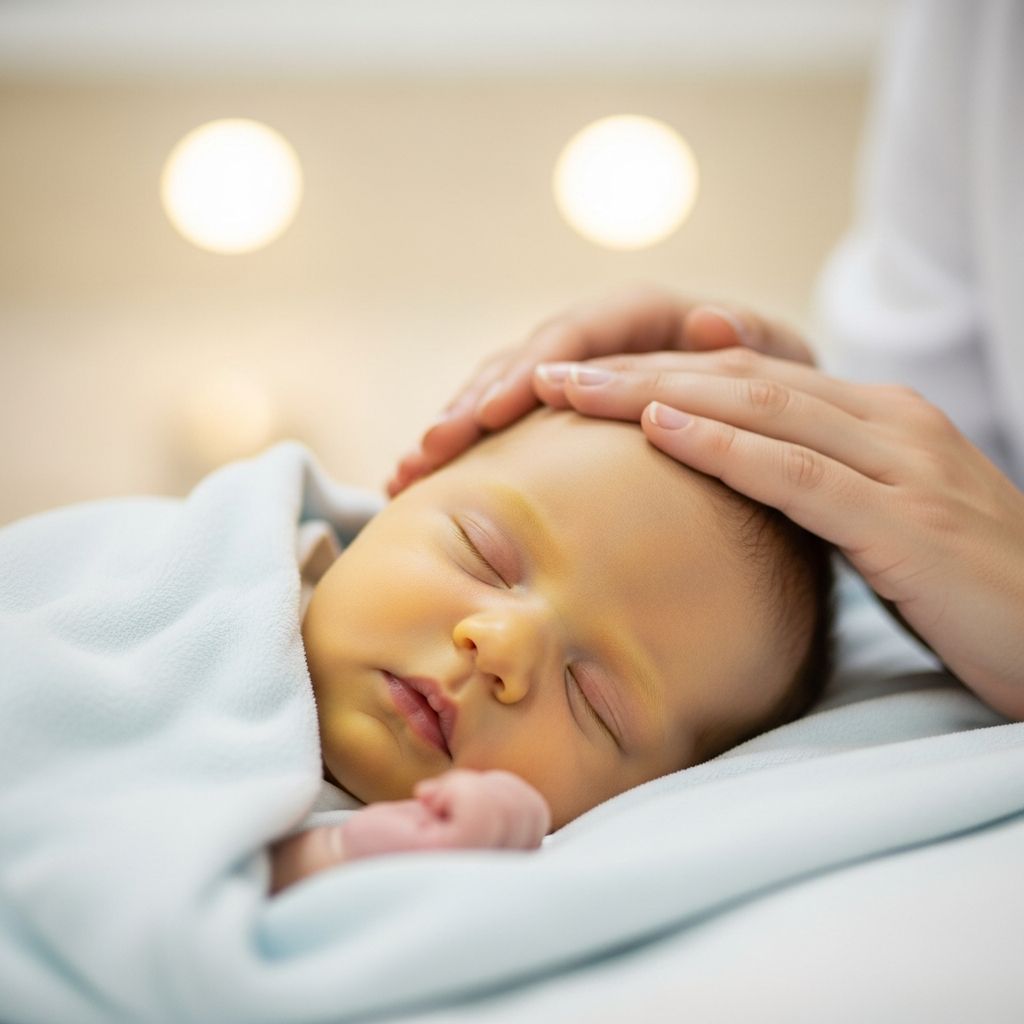
Babies frequently develop flaky scalps due to overactive oil glands influenced by maternal hormones. These flakes appear as white dust or yellowish crusts, rarely causing itchiness. Unlike true dandruff, this infant form typically resolves naturally within months.
- Dry, powdery scales on the crown
- Thick, greasy patches in severe cases
- Possible spread to eyebrows or neck
Signs in School-Age Children
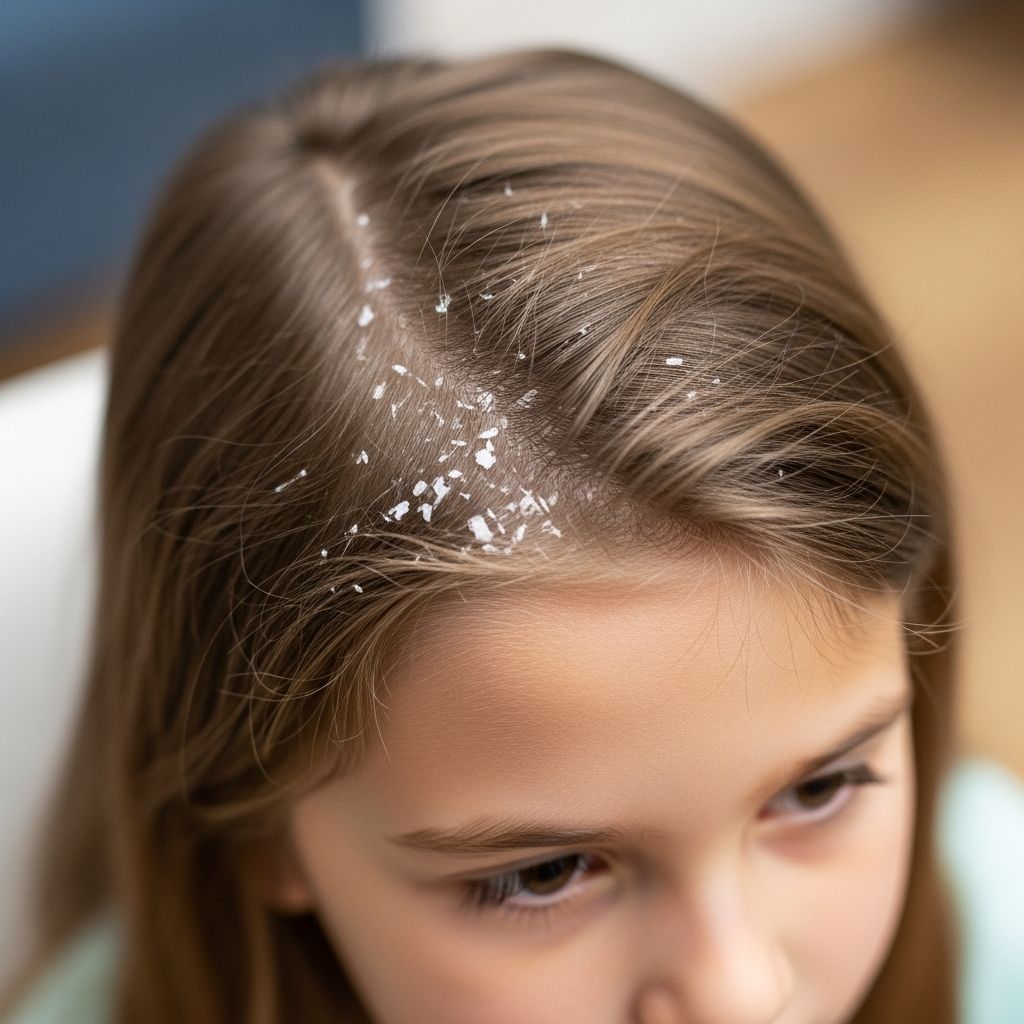
Younger kids might notice white specks on hair and clothing, accompanied by mild itching. Dry environments or product sensitivities exacerbate this, leading to visible irritation on light skin as redness or on darker tones as grayish hues.
Teenage Onset Patterns
Puberty ramps up sebum production, making dandruff prevalent among adolescents, especially boys. Flakes become more noticeable on dark shirts, with increased itchiness from fungal activity on oily scalps.
What Triggers Scalp Flaking in Young Ones?
Multiple factors contribute to dandruff-like symptoms in children, ranging from environmental influences to biological responses. Understanding these helps tailor interventions effectively.
| Factor | Description | Age Group Affected |
|---|---|---|
| Dry Skin | Harsh weather or infrequent washing strips natural oils, causing flakes. | All ages |
| Fungal Overgrowth | Malassezia yeast feeds on scalp oils, irritating sensitive skin. | Teens primarily |
| Hormonal Changes | Increased sebum during puberty fuels yeast proliferation. | Puberty onward |
| Product Reactions | Shampoos or conditioners provoke contact dermatitis. | School-age and up |
| Underlying Conditions | Eczema, psoriasis mimic or worsen flaking. | Varies |
Stress, colds, or medications can intensify symptoms across groups, turning mild flaking into persistent issues.
Distinguishing Dandruff from Look-Alikes
Not all scalp flakes mean dandruff; misidentification delays relief. Key differentiators include scale appearance, location, and associated symptoms.
- Psoriasis: Thick, silvery scales in patches, often beyond scalp.
- Eczema: Dry, red, intensely itchy areas, possibly oozing.
- Ringworm (Tinea Capitis): Circular bald patches with scaling, contagious.
- Cradle Cap: Crusty, yellow buildup exclusive to babies.
- Nits: Lice eggs adhere to hair shafts, not loose like flakes.
On darker skin, inflammation may appear purple or brown, complicating visual diagnosis.
Gentle Daily Care Routines
Consistent hygiene forms the foundation of scalp health. Wash hair 2-3 times weekly with lukewarm water to avoid stripping oils.
- Choose mild, fragrance-free shampoos for babies; anti-dandruff formulas for older kids.
- Massage gently, let sit 3-5 minutes, then rinse thoroughly.
- Brush daily to loosen flakes without scratching.
- Moisturize dry scalps with natural oils like coconut post-wash.
Baby-Specific Approaches
For cradle cap, soften crusts with baby oil overnight, then comb softly. Avoid picking to prevent infection.
Older Child Strategies
Incorporate zinc pyrithione or ketoconazole shampoos weekly, alternating with regular ones. Tea tree oil dilutions soothe itch naturally.
Advanced Remedies and Prevention Tips
When basics fall short, escalate to targeted treatments. Monitor for 2-4 weeks; persistence warrants professional input.
- Apple cider vinegar rinses balance pH, reducing fungal growth.
- Aloe vera gels calm inflammation.
- Diet tweaks: Boost omega-3s from fish or nuts to support skin barrier.
Prevent recurrences by maintaining humidity, using hypoallergenic products, and managing stress through routines.
When to Consult a Pediatrician or Dermatologist
Seek help if flakes persist post-treatment, scalp bleeds from scratching, hair loss occurs, or fever accompanies swelling. These signal infections or dermatitis needing prescription antifungals or steroids.
Babies with spreading cradle cap or older kids with patchy baldness require prompt evaluation to rule out ringworm.
Common Myths Debunked
Misconceptions hinder care:
- Myth: Dandruff means poor hygiene. Fact: It’s often fungal or genetic.
- Myth: Harsh scrubbing cures it. Fact: This worsens irritation.
- Myth: Only adults get it. Fact: Kids do, from birth.
Frequently Asked Questions
Can babies get dandruff?
Yes, but it’s usually cradle cap—harmless crusty scales from excess oil that self-resolves.
Is dandruff contagious?
No, unlike ringworm; it’s not spread person-to-person.
How long until treatment works?
1-2 weeks for mild cases; consult a doctor if no improvement in a month.
Does diet affect child dandruff?
Possibly—deficiencies in zinc or B vitamins may contribute; balanced nutrition helps.
Are anti-dandruff shampoos safe for kids under 10?
Use child-formulated ones sparingly; check with a pediatrician for sensitivities.
Living with a Flake-Free Scalp Long-Term
Empower kids with scalp care habits early: regular washing, product awareness, and stress management foster confidence. Track patterns seasonally, adjusting routines as needed. With vigilance, dandruff becomes a minor blip, not a ongoing worry.
Parental reassurance matters—frame it as common, treatable, reducing embarrassment in school-age kids.
References
- Dandruff in children and teenagers — Raising Children Network. 2023. https://raisingchildren.net.au/guides/a-z-health-reference/dandruff
- Lawrenceville Child Dandruff Causes, Treatment — MJR Dermatology. 2024. https://mjrderm.com/dandruff-treatment/
- Dandruff in children — Ducray. 2023. https://www.ducray.com/en/dandruff-conditions/symptoms/child-dandruff
- Dandruff — NHS. 2025-01-15. https://www.nhs.uk/conditions/dandruff/
- Baby Dandruff: Signs, Symptoms, Causes, And Treatments — Mustela USA. 2024. https://www.mustelausa.com/blogs/mustela-mag/baby-dandruff-signs-symptoms-causes-and-treatments
- Can Children Get Dandruff? — Head & Shoulders. 2024. https://headandshoulders.com/en-us/healthy-hair-and-scalp/dandruff/can-children-get-dandruff
- Dandruff – Symptoms and causes — Mayo Clinic. 2025-01-10. https://www.mayoclinic.org/diseases-conditions/dandruff/symptoms-causes/syc-20353850