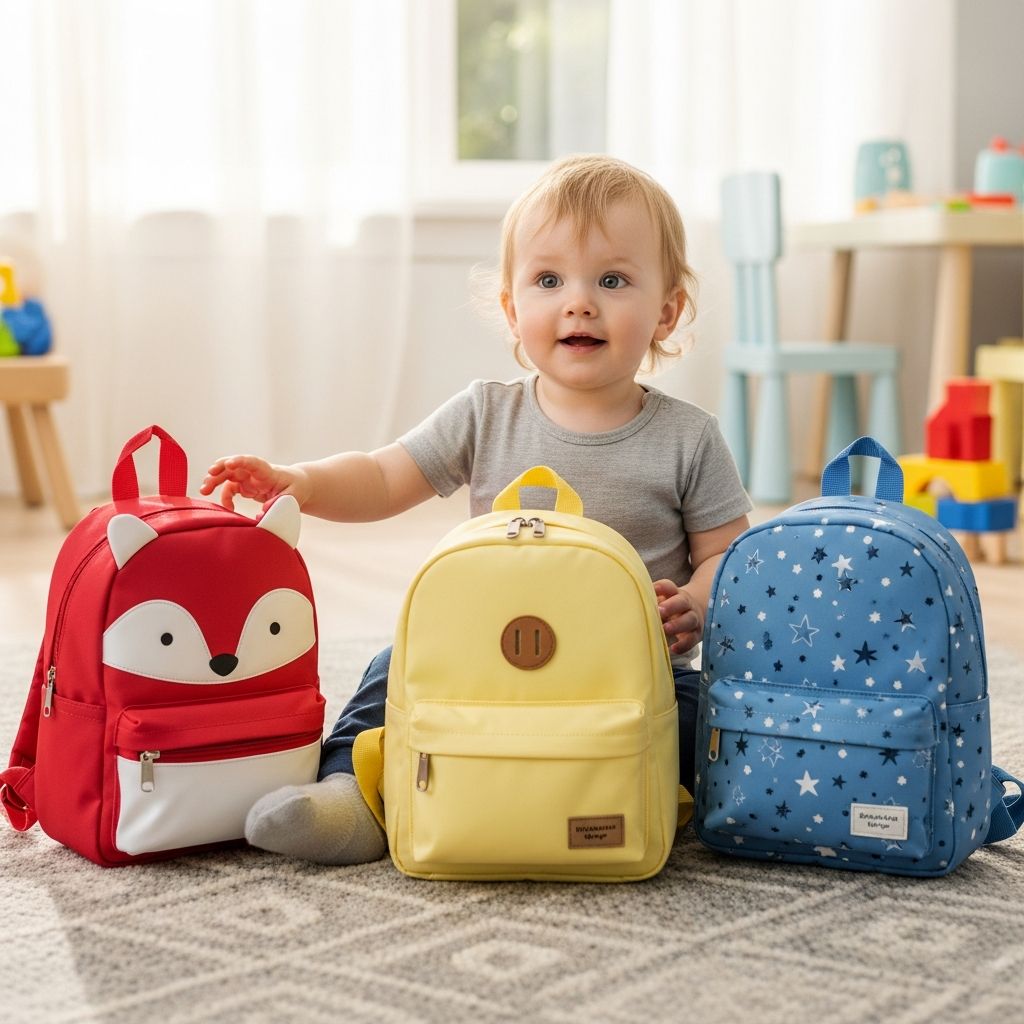
A tiny backpack on a tiny person is undeniably adorable, but a toddler backpack is more than just a cute photo opportunity. The right pack can help your child practice independence, keep essentials organized, and make daycare drop-offs, park outings, and family trips run smoother for everyone.
This guide walks you through how to choose a toddler backpack that fits well, keeps them comfortable, and actually works for your daily life. You will also find packing ideas, safety tips, and answers to common parent questions.
Why a Toddler Backpack Is Worth Having
Before looking at colors and characters, it helps to understand why a backpack can be a useful tool in the toddler years.
- Builds independence: Letting toddlers carry a few of their own things (snack, small toy, hat) gives them a sense of responsibility and ownership over their belongings, which supports developing self-care skills.
- Keeps outings organized: Instead of juggling random items in the stroller basket or your own bag, a backpack creates a defined place for your child’s essentials.
- Simplifies transitions: One grab-and-go bag for daycare, grandparents’ house, or a weekend outing helps reduce forgotten items and last-minute stress.
- Supports healthy habits later: Choosing a comfortable, well-fitted backpack early on helps set expectations that bags should be light and worn correctly, which can protect posture as children grow.
What Makes a Backpack Suitable for Toddlers?
Toddlers have smaller frames, shorter attention spans, and limited strength, so a backpack designed for older children can easily be too bulky or heavy. When you shop, focus on a few key design features.
1. Size and Weight
For toddlers, smaller really is better. A pack that looks cute but hangs below their hips or sticks out far from their back will feel awkward and may throw off their balance.
- Compact height: Aim for a backpack that is roughly the length of your child’s torso (from shoulders to hips) so it does not bump the back of their legs as they walk.
- Lightweight when empty: Health guidance for school-aged children often recommends that a full backpack weigh no more than 10–15% of a child’s body weight to reduce strain on the back and shoulders. For toddlers, who are still developing strength and balance, keeping bags even lighter is especially important.
- Just enough capacity: You only need room for a small collection of essentials: a change of clothes, snacks, perhaps a light toy or book. Extra volume usually becomes extra clutter.
2. Comfort and Ergonomics
Even very short walks can feel long if the backpack is uncomfortable. Look for simple ergonomic features that help distribute weight safely.
- Padded shoulder straps: Soft, wide straps help spread weight over the shoulders and prevent them from digging into the skin.
- Adjustable straps: Adjustability lets you keep the pack close to their back and at the right height as they grow.
- Light padding on the back panel: A bit of cushioning can make the pack more comfortable and protect from any poking edges.
- Optional chest strap: A simple clip across the chest helps keep straps from slipping off and improves stability, particularly when kids run or climb.
| Feature | Why It Matters for Toddlers |
|---|---|
| Padded straps | Increase comfort and help distribute weight across soft, developing shoulders. |
| Adjustability | Lets the same backpack fit securely through growth spurts and with different layers of clothing. |
| Compact size | Prevents the bag from hanging too low or knocking against the legs, which can affect balance. |
| Light overall weight | Reduces strain on the back and shoulders and supports good posture. |
3. Safe and Durable Materials
Toddlers tend to drag, drop, and occasionally chew their belongings, so material quality and safety are worth noticing.
- Sturdy fabric: Look for abrasion-resistant fabrics that can survive being shoved into cubbies and tossed onto the floor.
- Water resistance: A water-resistant outer layer helps protect spare clothes, favorite books, or comfort items from spills and light rain.
- Easy to clean: Smooth, wipeable interiors and machine-washable exteriors can save time when inevitable messes happen.
- Secure hardware: Zippers should run smoothly without loose teeth; buckles and clips should be sturdy but not overly complicated for an adult to open quickly.
4. Simple Storage Layout
Toddlers do not need dozens of pockets. In fact, too many compartments can make it harder to find things quickly.
- Main compartment: Big enough for a change of clothes and possibly a compact blanket or thin folder.
- Front pocket: Handy for wipes, tissues, or a small toy that you reach for often.
- Side pocket: An elasticized side pocket can hold a small water bottle or sippy cup and keep liquids upright.
- Interior label or ID area: Space to write your child’s name and emergency contact, incredibly useful for daycare or group outings.
5. Visibility and Safety Features
Backpacks can also play a role in helping adults keep track of small children, especially in busy environments.
- Bright colors or distinct patterns: Make it easier to spot your child in a crowd or on a playground.
- Reflective strips: Useful for low-light conditions, like early morning daycare drop-offs or evening walks.
- Optional harness or leash: Some toddler backpacks include a detachable safety tether that can provide extra security in crowded places such as airports or festivals.
Choosing the Right Backpack for Different Situations
One style of toddler backpack can often handle several roles, but your main use case can help you prioritize certain features.
For Daycare or Preschool
- Enough room for a change of clothes, snack, and possibly a small blanket or naptime comfort item.
- A sturdy top handle so caregivers can hang the bag easily.
- A clear label area for your child’s name and contact details.
- Durable, easy-to-clean fabric that can handle daily use and frequent floor time.
For Short Outings and Playdates
- Very lightweight, compact design your toddler can carry themselves.
- Simple organization: one main compartment plus one small pocket.
- Room for a snack, water bottle, and a comfort toy or mini book.
For Travel and Longer Adventures
- Comfortable, padded straps with a chest buckle to keep the pack from sliding during long walks.
- Water-resistant material to protect items from spills in cars or on planes.
- A bit more capacity to hold travel-specific items (headphones, small activities, travel-sized toiletries).
- Optional harness or leash if you will be navigating crowded terminals or tourist areas.
What to Pack in Your Toddler’s Backpack
The contents of a toddler backpack will vary by age, setting, and season, but you can start with a flexible core list and swap items as needed.
Core Everyday Essentials
- Change of clothes: Lightweight shirt, pants or shorts, and underwear or training pants, plus socks.
- Snacks: Non-messy, easy-to-eat options in leak-resistant containers.
- Water bottle or sippy cup: Sized to fit the side pocket and easy for your child to open.
- Wipes and tissues: A slim wipes pack and a small packet of tissues for quick clean-ups.
Comfort and Calming Items
- Lovey or small stuffed animal: Helpful during drop-offs or new situations.
- Pacifier (if used): In a clean case to keep it from collecting crumbs and lint.
- Small book or fidget toy: For waiting rooms or restaurant tables.
Health and Safety Basics
Many families prefer to keep most medical items in the caregiver’s bag, but a few small extras in the toddler’s backpack can be useful.
- Travel-sized hand sanitizer: To be used with adult supervision.
- Bandages for minor scrapes: Toddlers often find comfort just in having a bandage, even for very small bumps.
- Emergency contact card: With parent names, phone numbers, and any significant health information (allergies, critical medications).
Helping Your Toddler Use Their Backpack Successfully
Once you have the backpack, you can make it part of daily routines instead of just another accessory. This makes transitions easier and reinforces helpful habits.
Keep the Load Toddler-Friendly
Because young children are still developing muscle strength and coordination, try to keep their pack extremely light. Guidelines for older kids suggest that a backpack should not exceed 10–15% of body weight to avoid musculoskeletal strain. For toddlers, aim to stay well below this range by packing only the essentials and carrying heavier items yourself.
Teach Good Wearing Habits Early
- Encourage them to use both shoulder straps instead of slinging the pack over one shoulder, which can cause uneven loading.
- Show them how a properly fitted backpack sits high on the back, rather than sagging low.
- Adjust the straps so the pack is snug but comfortable, and periodically recheck as they grow.
Make It Part of the Routine
- Before leaving the house, ask your child to help put a snack or favorite item into the backpack.
- When you arrive home, involve them in unpacking and putting things away.
- Use simple language such as “backpack time” to signal transitions like getting ready for daycare or heading to the park.
Frequently Asked Questions (FAQs)
What age is appropriate for a toddler to start using a backpack?
Many children can begin using a small, very light backpack between 18 months and 3 years, depending on their walking stability and interest. The key is to keep the load minimal and supervise closely so the backpack does not interfere with balance.
How heavy is too heavy for a toddler’s backpack?
Health experts typically recommend that older children’s backpacks stay under about 10–15% of body weight to protect posture and avoid back strain. For toddlers, it is safest to stay well under that guideline by packing only light essentials and carrying heavier items yourself.
Are backpack leashes safe?
Backpacks with detachable leashes can be a useful tool in crowded or high-risk environments, such as airports or busy streets, when used thoughtfully. The harness should fit comfortably over the shoulders and chest without pulling on the neck, and the tether should never be used to yank or jerk a child.
Should I worry about posture when my toddler uses a backpack?
Yes, but in a preventative, low-stress way. Even though toddlers do not usually carry heavy loads for long, promoting balanced weight, proper fit, and use of both straps helps protect developing muscles and joints. Keeping the backpack light and well-fitted is more important than any specific brand or style.
Is a rolling backpack better for toddlers?
Rolling backpacks can reduce the load on the shoulders for older kids, but they are often bulky and tricky for toddlers to maneuver on uneven surfaces. For most toddlers, a small, light backpack worn on both shoulders is easier to manage and safer on stairs and playgrounds.
References
- The Importance of Ergonomic Backpacks for Children — Beckmann. 2022-08-10. https://beckmann-us.com/blogs/news/the-importance-of-ergonomic-backpacks-for-children
- Best Toddler Backpacks – How to Choose the Perfect One? — Eiken Shop. 2023-05-04. https://eikenshop.com/blogs/products-guide/best-toddler-backpacks
- The Importance of Ergonomic Design in a Kid’s Backpack — DP Gears. 2023-03-15. https://dpgears.com/blog/The-Importance-of-Ergonomic-Design-in-a-Kid-Backpack
- Toddler Backpacks for Daycare & Preschool — Pottery Barn Kids. 2024-01-12. https://www.potterybarnkids.com/shop/backpacks-luggage/toddler-backpacks-lunch/
- Choosing the Perfect Kids Backpack: Key Features to Consider — Hugger Kids. 2022-09-21. https://blog.huggerkids.com/featured-article-en/choosing-the-perfect-kids-backpack-key-features-to-consider/
- What Age Do Kids Wear Backpacks? — QualityImprint Blog. 2021-06-18. https://www.qualityimprint.com/blogs/promotional-product-ideas/what-age-do-kids-wear-backpacks