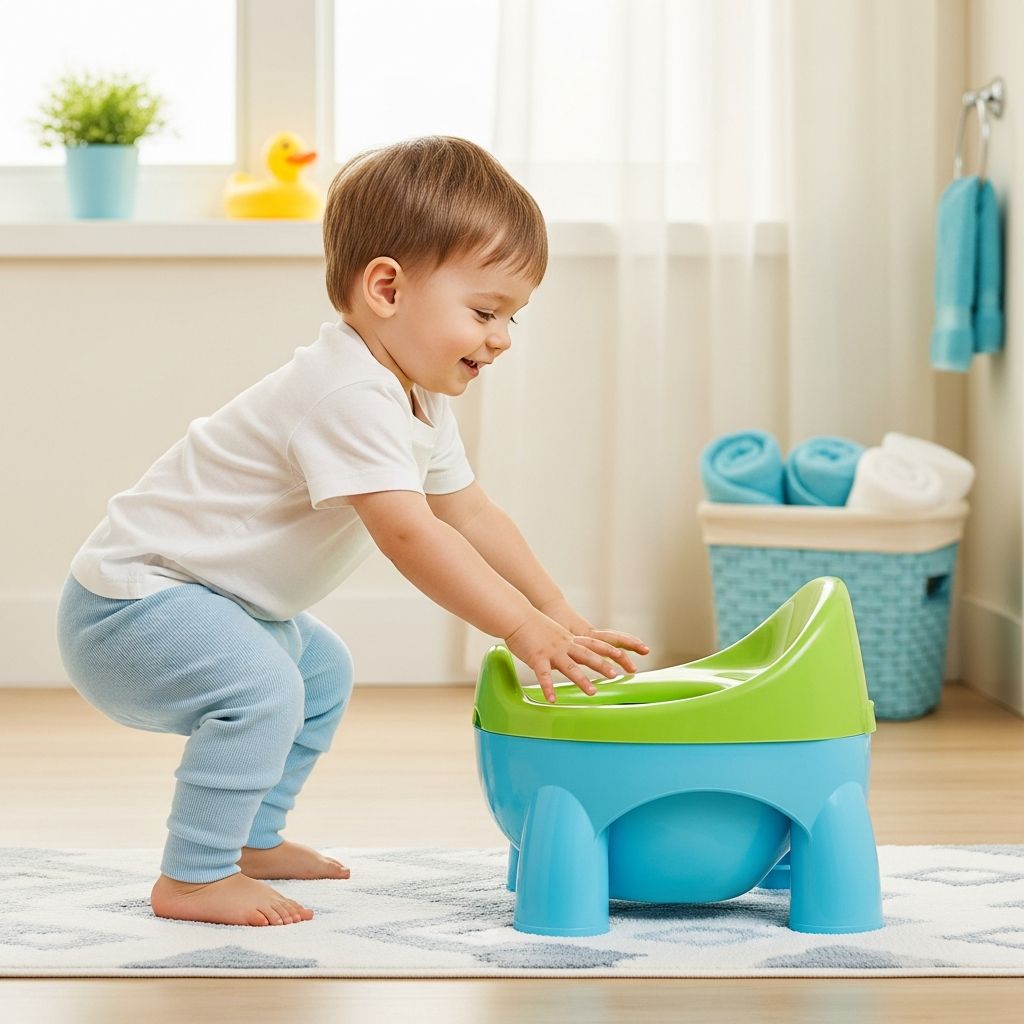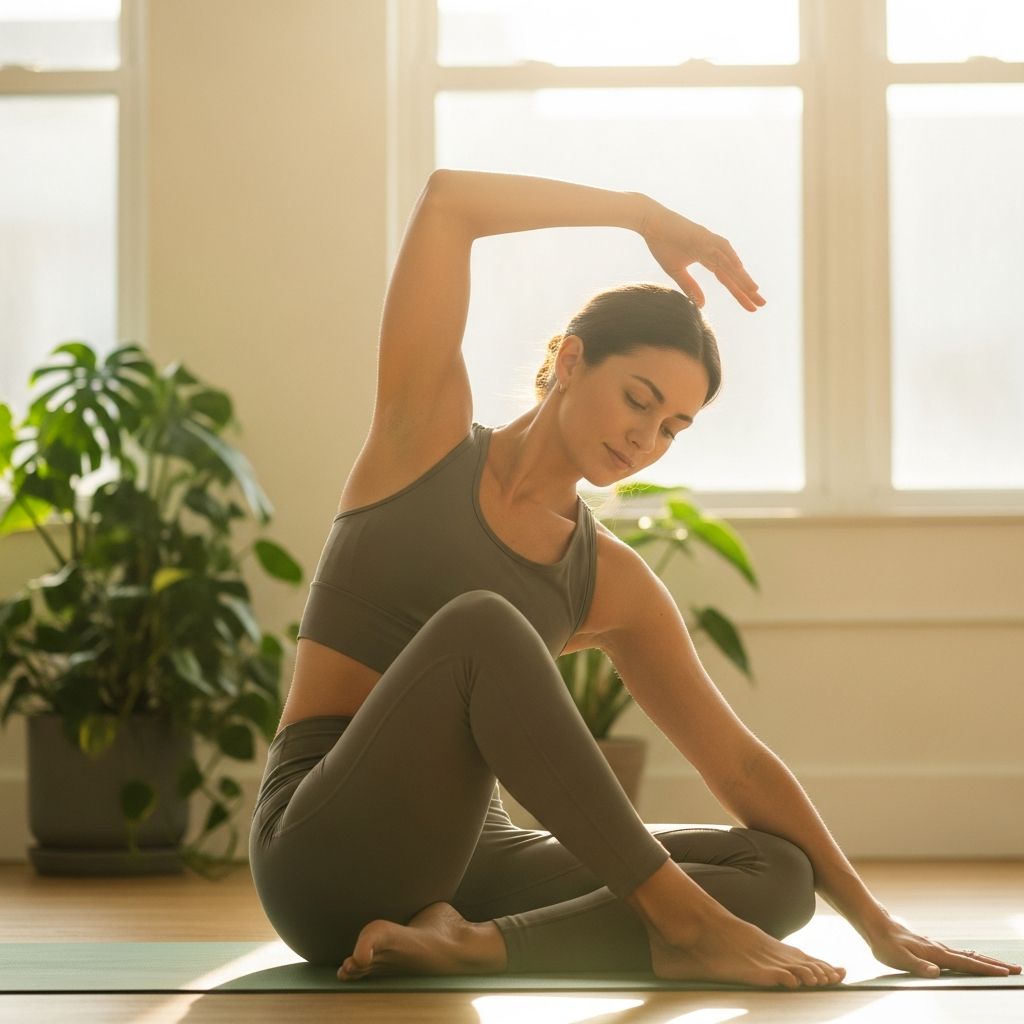
Constipation, gas, and bloating are uncomfortable, but they are also extremely common. Gentle yoga poses can help stimulate digestion, relax tight abdominal muscles, and encourage your bowels to move so that pooping feels easier and more regular.
This guide explains why yoga can help you poop, which poses are most effective, and how to combine them into a quick routine you can do at home. It is not a replacement for medical care, but it can be a helpful, low-risk tool to support better gut health.
How Yoga Can Support Bowel Movements
Yoga does not act like a laxative, but research suggests it can improve several body systems that influence digestion and bowel regularity.
- Decreases stress: Chronic stress activates the sympathetic nervous system (“fight or flight”), which can slow digestion and contribute to constipation. Relaxation practices, including yoga and meditation, may improve symptoms of irritable bowel syndrome (IBS) and bowel function in some people.
- Supports the gut–brain connection: Slow breathing and certain postures stimulate the vagus nerve, part of the parasympathetic nervous system, which helps coordinate digestion and gut motility.
- Encourages gut motility: Twists, forward folds, and gentle compression of the abdomen are thought to encourage peristalsis, the wave-like movements that move stool through the intestines.
- Improves blood flow: Many yoga poses enhance circulation to the abdomen and pelvis, which may support digestive organ function.
- Promotes movement: Simply moving your body, especially your core and hips, can help relieve gas and encourage a bowel movement.
Safety Tips Before You Start
Most people can practice gentle yoga safely, but constipation can sometimes signal a more serious problem. Check with a healthcare professional before using yoga as your main strategy if you have:
- Severe or long-lasting abdominal pain
- Unexplained weight loss
- Blood in your stool or black, tarry stools
- Fever, vomiting, or inability to pass gas
- A history of bowel obstruction or recent abdominal surgery
If any pose causes sharp pain, dizziness, or nausea, come out of it immediately.
Key Types of Poses That May Help You Poop
Different yoga shapes support digestion in different ways. The poses below are grouped by how they affect the body so you can understand why they might help.
| Pose Category | Main Effect | Why It May Help You Poop |
|---|---|---|
| Gentle twists | Massage the abdomen | Encourage movement through the intestines and relieve gas. |
| Knee-to-chest & hugging postures | Compress the lower belly | Apply pressure where the large intestine sits, possibly promoting bowel movements. |
| Forward folds | Fold over the abdomen | Gently squeeze digestive organs and enhance circulation. |
| Backbends | Open the front of the body | Stretch and stimulate abdominal organs and improve posture, which can assist digestion. |
| Restorative poses | Calm the nervous system | Reduce stress-related digestive symptoms by supporting relaxation. |
Step-by-Step: 9 Yoga Poses to Help You Poop
Move slowly, breathe steadily through your nose if possible, and never force your body into a shape. These descriptions are for educational use; if you are unsure about proper technique, a credentialed yoga teacher or physical therapist can help you adapt them.
1. Cat–Cow Flow (Spinal Flex)
This rhythmic movement flexes and extends the spine while gently massaging the abdomen.
- Come onto hands and knees with wrists under shoulders and knees under hips.
- On an inhale, arch your back, let your belly soften toward the floor, and lift your chest and gaze.
- On an exhale, round your spine, gently draw your navel toward your back, and let your head drop.
- Continue slowly for 8–12 breaths, syncing movement with breath.
Why it may help: Alternating between compression and gentle stretch of the belly can stimulate digestive organs and enhance circulation.
2. Knees-to-Chest (Wind-Relieving Pose)
This classic pose is often recommended for gas and constipation.
- Lie on your back with legs extended.
- Bend both knees and draw them toward your chest.
- Wrap your arms around your shins, or hold the backs of your thighs.
- Gently rock side to side if it feels good.
- Stay for 5–10 slow breaths.
Why it may help: The thighs pressing into the abdomen gently compress the large intestine, which some people find helps trigger a bowel movement and relieve trapped gas.
3. Supine Spinal Twist (Reclined Twist)
A twist on your back that combines spinal rotation with a gentle belly massage.
- Lie on your back with knees bent and feet on the floor.
- Draw your knees toward your chest.
- Allow both knees to drop to one side while keeping your shoulders on the ground.
- Turn your head in the opposite direction if comfortable.
- Rest for 5–8 breaths, then switch sides.
Why it may help: Twisting is thought to gently squeeze and then release abdominal organs, supporting peristalsis and easing constipation.
4. Seated Gentle Twist
A more accessible twist that can be done on the floor or in a sturdy chair.
- Sit upright with both sit bones evenly grounded.
- Lengthen your spine on an inhale.
- On an exhale, rotate your torso to one side, starting from the lower ribs, and place one hand behind you for light support.
- Keep your neck easy; you may look over your shoulder or keep your gaze forward.
- Hold for 5–8 breaths, then repeat on the other side.
Why it may help: Mild twists can help relieve bloating and pressure and may support more regular bowel movements through mechanical stimulation of the gut.
5. Standing Forward Fold
A simple fold that compresses the belly and lengthens the back of the body.
- Stand with feet about hip-width apart and knees slightly bent.
- Hinge at the hips to fold forward, letting your upper body hang toward the floor.
- Rest hands on the shins, the floor, or a block—whatever allows your neck and back to relax.
- Let your head drop and soften your belly.
- Hold for 5–10 breaths, coming up slowly to avoid dizziness.
Why it may help: Folding over the abdomen can gently squeeze digestive organs, and the mild inversion may support circulation to the digestive tract.
6. Child’s Pose (Resting Fold)
A calming pose that relaxes the nervous system and gently compresses the abdomen.
- Kneel on a mat with big toes together and knees comfortable distance apart.
- Sit back toward your heels.
- Fold your torso forward, resting your forehead on the floor or a cushion.
- Arms can stretch forward or rest alongside your body.
- Breathe into your back and sides of the ribs for 1–3 minutes, as tolerated.
Why it may help: Child’s pose can calm the stress response, which may ease stress-related constipation, and the mild pressure on the belly may support gut motility.
7. Low Lunge with Twist
This pose opens the hips while adding a twist to stimulate the midsection.
- From hands and knees, step one foot forward between your hands and lower your back knee.
- Stack the front knee above the ankle and keep your torso upright.
- Bring your hands to your front thigh.
- On an exhale, gently twist toward your front leg, keeping your spine long.
- Stay for 4–6 breaths, then switch sides.
Why it may help: Combining hip opening with a twist can relieve pelvic tension and stimulate circulation in the abdominal area, which may promote bowel movements.
8. Gentle Cobra or Sphinx (Mild Backbend)
Light backbends open the front of the body and can stimulate abdominal organs.
- Lie face-down with legs extended.
- For Sphinx, place forearms on the floor, elbows under shoulders, and gently lift your chest.
- For a low Cobra, place hands by your lower ribs and lightly press to lift your chest without straining your lower back.
- Keep pelvis on the floor and gaze forward or slightly down.
- Hold for 4–6 breaths, then lower slowly.
Why it may help: Backbends stretch the front body, including the abdominal region, and may support circulation and tone in digestive organs.
9. Supported Reclining Pose (Relaxation)
A final rest to help your nervous system integrate the practice.
- Lie on your back with a pillow or rolled blanket under your knees.
- Let your arms rest by your sides, palms up.
- Close your eyes and allow your breath to become natural.
- Stay for 3–5 minutes or longer if comfortable.
Why it may help: Deep rest supports the parasympathetic nervous system (“rest and digest”), which can aid digestion and regularity.
A Short “Help Me Poop” Yoga Routine
When you feel backed up or bloated and have a few minutes, you can try this simple sequence. Move gently and skip any pose that does not feel right for your body.
- 1–2 minutes: Cat–Cow flow to wake up the spine and belly.
- 1 minute each side: Low lunge with twist to open hips and massage the abdomen.
- 1–2 minutes: Standing forward fold, coming up slowly at the end.
- 1–2 minutes: Knees-to-chest, with optional gentle rocking.
- 1–2 minutes total: Supine spinal twist, about 5–8 breaths on each side.
- 2–3 minutes: Child’s pose followed by a brief supported reclining pose.
In many people, simply relaxing and breathing deeply while lightly compressing the belly is enough to encourage the urge to poop. Others may notice more gradual benefits with regular practice over days or weeks.
Habits That Work With Yoga to Keep You Regular
Constipation is usually influenced by more than just movement. Yoga becomes more effective when combined with basic bowel-friendly habits.
- Hydration: Drinking enough water helps soften stool, making it easier to pass.
- Fiber intake: Fruits, vegetables, whole grains, and legumes add bulk and support healthy bowel movements. Increase fiber gradually and drink plenty of fluids.
- Regular bathroom time: Try to sit on the toilet at roughly the same time each day, preferably after a meal, to train your body’s natural rhythm.
- Movement throughout the day: In addition to yoga, walking and light physical activity can support digestion and gut motility.
- Stress management: Practices like mindfulness, slow breathing, and adequate sleep may improve IBS symptoms and overall digestive comfort.
When to Talk to a Doctor
Constipation can often be improved with lifestyle changes, but medical guidance is important if you notice:
- Constipation lasting more than a few weeks despite lifestyle changes
- Severe pain, vomiting, or inability to pass gas
- Blood in the stool or sudden changes in bowel habits
- Family history of colon cancer or inflammatory bowel disease
Yoga can be part of a comprehensive plan that may include nutrition changes, medications, or further testing, as recommended by a healthcare professional.
Frequently Asked Questions (FAQs)
Q: How long does it take for yoga to make me poop?
Some people feel relief during or shortly after a short yoga session, especially with knee-to-chest and twisting poses. For others, regular practice over days or weeks may be needed to notice more consistent changes in bowel habits.
Q: Is it safe to do yoga for constipation every day?
Gentle yoga is generally safe to practice daily for most healthy adults, and consistent moderate activity is encouraged for digestive health. If you have any medical conditions, injuries, or are pregnant, ask your healthcare provider which poses are appropriate for you.
Q: Are twisting poses bad if I have abdominal pain?
Mild discomfort or stretching can be normal, but you should not push into sharp or worsening pain. If you have active abdominal pain, inflammatory bowel disease flare, recent surgery, or are unsure about twists, seek medical advice before practicing them.
Q: Can kids use yoga to help with constipation?
Simple, playful versions of poses like Cat–Cow, Child’s pose, and knees-to-chest can be safe for many children, but constipation in kids should always be discussed with a pediatrician to rule out underlying medical causes.
Q: Do I still need medication if I use yoga for constipation?
Some people may be able to reduce their reliance on laxatives when they combine yoga with dietary and lifestyle changes, but any change in prescribed medication should be done only under the guidance of a healthcare professional.
References
- 8 Yoga Poses for Better Digestion — Yoga Journal. 2023-06-01. https://www.yogajournal.com/practice/yoga-sequences/8-poses-better-digestion/
- 5 Yoga Poses for Digestive Health — Orlando Health. 2021-08-17. https://www.orlandohealth.com/content-hub/5-yoga-poses-for-digestive-health/
- Yoga for Digestion — Canadian Digestive Health Foundation. 2020-05-14. https://cdhf.ca/en/yoga-for-digestion/
- 9 Best Yoga Poses for Your Gut (Digest + Detox) — Dr. Axe. 2019-03-07. https://draxe.com/fitness/best-yoga-poses-for-your-gut/
- Can Yoga Help Aid Digestion? 9 Poses to Try — Healthline. 2022-02-10. https://www.healthline.com/nutrition/yoga-posture-for-digestion
- Yoga for constipation: 8 poses for quick relief — MedicalNewsToday. 2019-10-31. https://www.medicalnewstoday.com/articles/327086