At nine months, babies transition from infancy to more active exploration, showing remarkable progress in mobility, communication, and self-feeding. This stage marks increased independence, with infants crawling, pulling up, and engaging socially, while parents focus on nutrition, rest, and home safety.
Physical and Motor Skill Advancements
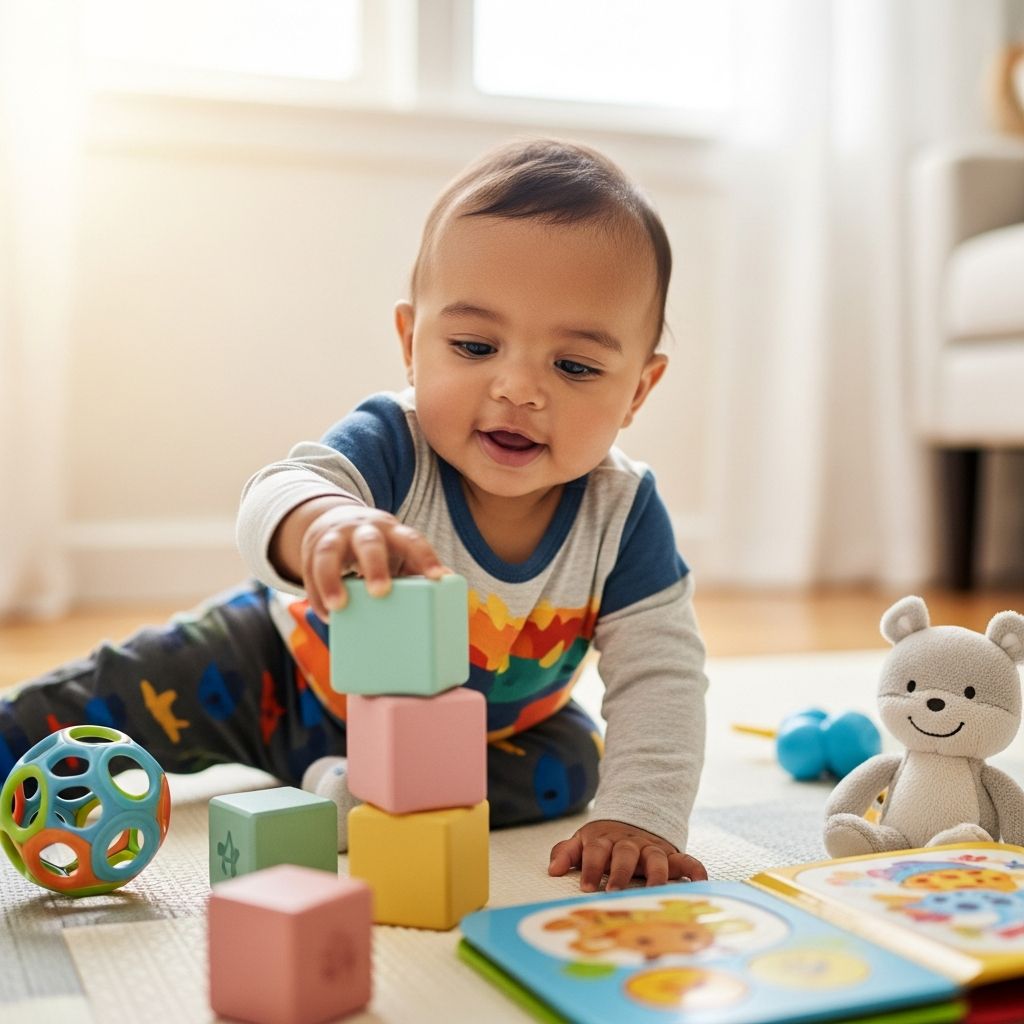
Your 9-month-old is likely becoming highly mobile, mastering skills that enable greater independence. Most babies at this age sit steadily without support, crawl or scoot effectively, and pull themselves up to stand using furniture. They may rock on hands and knees, preparing for walking, and use a pincer grasp—thumb and index finger—to pick up tiny objects like cereal.
- Sits unsupported for extended periods, leaning forward on hands if needed.
- Crawls forward or backward, sometimes scooting on their bottom.
- Pulls to stand and cruises along furniture, with legs possibly appearing bowed (normal until 18 months).
- Bangs objects together, shakes rattles, and transfers toys hand-to-hand.
- Reaches across the body for items and pokes with index finger.
These motor developments build strength and coordination. Encourage safe exploration by creating open floor spaces, but always supervise to prevent falls.
Cognitive and Sensory Progress
Cognitively, 9-month-olds grasp object permanence, understanding hidden items still exist, as seen in peek-a-boo games. They recognize familiar faces, respond to their name, and track moving objects across rooms with improved vision and hand-eye coordination.
Sensory skills sharpen: babies enjoy mirrors, turn toward sounds, and explore textures by mouthing everything. They imitate sounds, wave bye-bye, and show preferences for certain toys.
| Milestone | Description | How to Support |
|---|---|---|
| Object Permanence | Finds hidden toys | Play hide-and-seek with toys |
| Sound Response | Turns head to noises | Use rattles or music |
| Imitation | Copies gestures like clapping | Demonstrate actions repeatedly |
| Exploration | Bangs/pokes objects | Provide safe stacking toys |
These abilities foster problem-solving. Read books daily, naming pictures to boost early learning.
Communication and Social Milestones
Babies babble extensively, producing “mama,” “dada,” or other sounds meaningfully, using gestures for needs. They understand simple commands with cues, like “wave bye-bye,” and express emotions through squeals or frustration. Socially, stranger anxiety emerges, alongside strong attachment to caregivers.
- Babbles with varied tones, imitating parental sounds.
- Uses 1-2 words if advanced, plus body language.
- Plays interactive games like pat-a-cake.
- Shows joy in cuddles, shyness with strangers.
Respond to babbles by expanding: if they say “ba,” reply “ball! Yes, red ball.” This builds language foundations.
Feeding and Nutrition at Nine Months
Nutrition shifts as babies eat more solids. Most have 2-4 teeth, gnawing soft finger foods like banana pieces or steamed veggies. They self-feed with hands, hold spoons awkwardly, and drink from sippy cups.
Offer three meals plus snacks, emphasizing iron-rich foods (fortified cereals, meats) and textures for chewing practice. Breast milk or formula remains primary (24-32 oz daily), with solids complementary. Watch for allergies when introducing new items.
- Finger foods: Soft fruits, veggies, small pasta.
- Cup practice: Hold for them initially.
- Mealtime routine: Sit together, model eating.
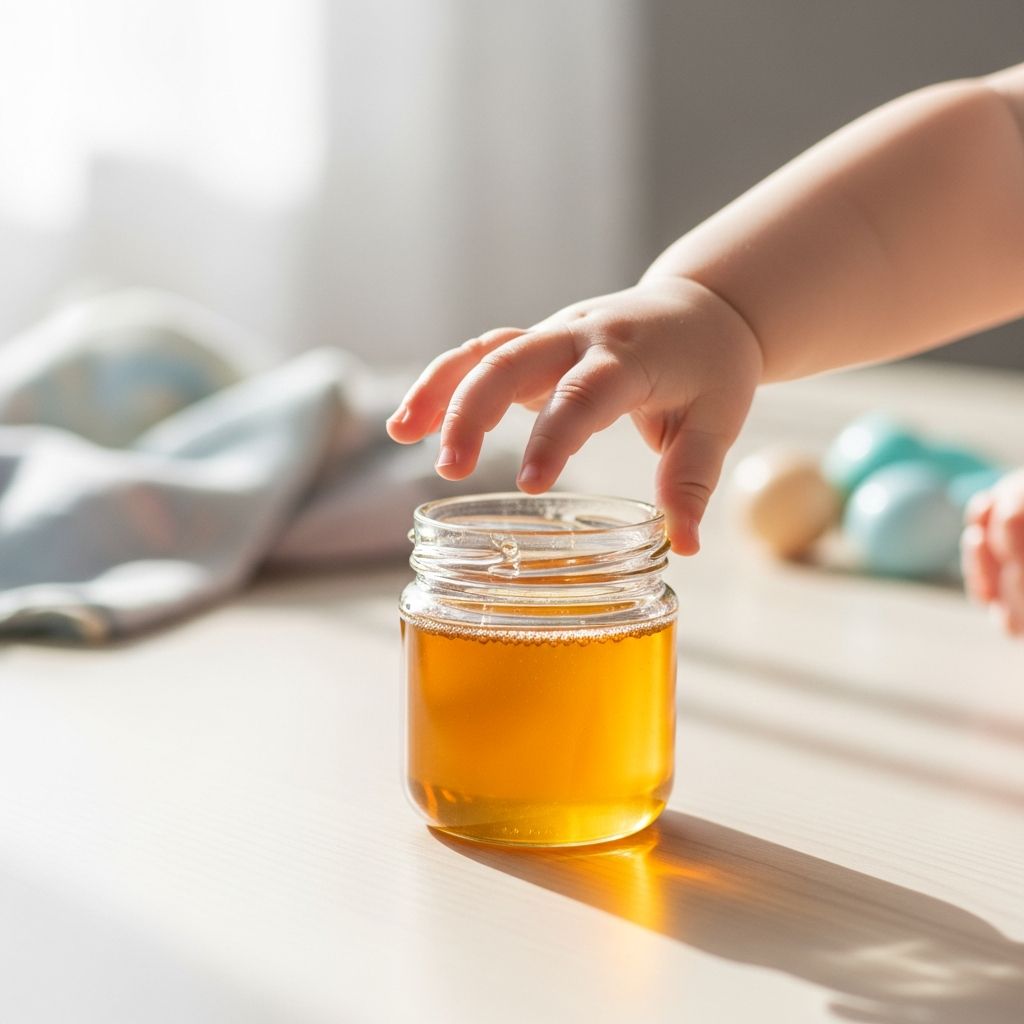
Avoid honey, whole nuts, or choking hazards. Consult pediatricians for personalized plans.
Sleep Patterns and Routines
9-month-olds typically sleep 12-14 hours daily: 11-12 at night, two 1-2 hour naps. Night wakings may increase from teething or separation anxiety, but consistent bedtime (7-8 PM) helps.
Establish rituals: bath, book, lullaby. Dark, quiet rooms promote better rest. If regressions occur, maintain schedule without rushing to bed-sharing unless needed.
| Sleep Component | Average Duration | Tips |
|---|---|---|
| Night Sleep | 11-12 hours | Consistent bedtime routine |
| Day Naps | 2-3 hours (two naps) | Schedule before overtiredness |
| Total | 12-14 hours | Track patterns, adjust as needed |
Safety Essentials for Active Explorers
Mobility demands vigilance. Baby-proof: secure furniture, gate stairs, lock cabinets. Never leave unattended on elevated surfaces; install outlet covers and use harnesses in high chairs.
Supervise water, avoid walkers (linked to injuries), and keep small objects away. Teach no-touch rules for hazards like cords.
- Install safety gates at stairs.
- Anchor heavy furniture to walls.
- Check toys for loose parts.
- CPR training recommended.
Activities to Boost Development
Engage actively: crawl together, stack blocks, sing songs. Tummy time builds strength; mirror play enhances self-awareness. Limit screens; prioritize interactive play.
Daily reading expands vocabulary. Outdoor time supports gross motor skills safely.
Health Checks and When to Consult a Doctor
Regular well-visits track growth. Red flags: no sitting/crawling, no babbling, poor eye contact. Teething causes drooling/irritability; use cold teething rings. Vaccinations continue; monitor fevers.
Weight gain averages 3-5 oz weekly; length increases ~1 inch monthly.
Frequently Asked Questions (FAQs)
Is it normal if my 9-month-old isn’t crawling yet?
Yes, some babies scoot or skip crawling. Most walk by 18 months; discuss delays at checkups.
How many teeth should a 9-month-old have?
Typically 0-4, starting with lower front. Teething varies.
What if sleep regressions happen?
Common from milestones; stick to routines. Comfort without creating new habits.
Can I start whole milk at 9 months?
No, wait until 12 months. Stick to breast milk/formula.
How to handle stranger anxiety?
Reassure gently; it peaks now but fades. Don’t force interactions.
This guide draws from pediatric experts, emphasizing individualized progress. Celebrate small wins and seek advice for concerns.
References
- Developmental Milestones — Children’s Hospital of Philadelphia. 2023. https://www.chop.edu/primary-care/developmental-milestones
- Baby development at 9-10 months — Raising Children Network. 2024. https://raisingchildren.net.au/babies/development/development-tracker-3-12-months/9-10-months
- Growth & Development: 9-11 Months — Riley Children’s Health. 2023. https://www.rileychildrens.org/health-info/growth-development-9-11-months
- Infant development: Milestones from 7 to 9 months — Mayo Clinic. 2024-10-15. https://www.mayoclinic.org/healthy-lifestyle/infant-and-toddler-health/in-depth/infant-development/art-20047086
- 7-9 Month Old Baby Development & Milestones — CHOC. 2023. https://choc.org/ages-stages/7-to-9-months/
- Milestones by 9 Months — CDC. 2024. https://www.cdc.gov/act-early/milestones/9-months.html