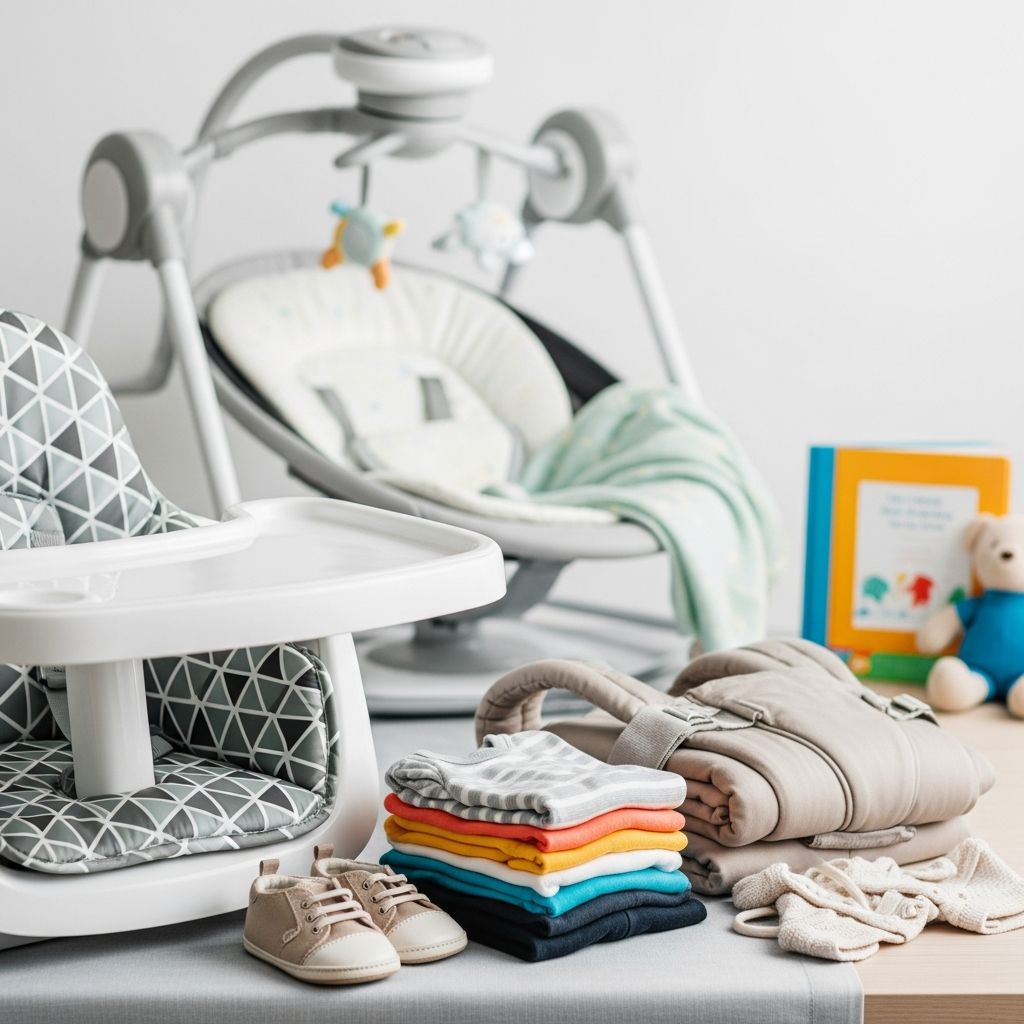
Babies outgrow clothes, gear, and toys faster than most parents expect, leaving closets overflowing and budgets feeling tight. Consignment is a smart, eco-friendly way to clear the clutter, recoup some of your original costs, and help other families access quality items for less — if you approach it strategically.
Why Consigning Baby Items Is Worth Your Time
Consignment bridges the gap between donating and reselling by yourself. You share a portion of the sale price with a store or event organizer, and in return you gain access to their customer base, marketing, and systems — which can dramatically increase the chances that your items actually sell.
For many parents, consignment offers three big benefits: financial relief, environmental impact, and emotional closure. Instead of letting favorite outfits and barely-used gear collect dust, you can extend their life cycle and give them a new chapter in another home.
- Financial payoff: Earn money back on items that would otherwise sit in storage or be donated without tax tracking.
- Sustainable choice: Reduce waste by keeping high-quality baby goods out of landfills and in circulation longer.
- Emotional reset: Letting go in an intentional, organized way often feels more satisfying than last-minute purges.
Understanding Your Consignment Options
Before you start tagging clothes or scrubbing high chairs, decide what type of consignment arrangement works best for your lifestyle, personality, and time budget. Each option trades a mix of control, effort, and payout.
In general, you will choose among three main paths: brick-and-mortar consignment stores, seasonal consignment events, or online consignment and resale platforms. The right choice depends on how much inventory you have and how hands-on you want to be.
Types of Consignment Venues
| Consignment Type | How It Works | Best For | Pros | Cons |
|---|---|---|---|---|
| Local consignment store | You drop off items, the store selects what to sell, sets prices, and pays you a percentage when items sell. | Busy parents with limited time; small to medium batches of baby items. |
|
|
| Seasonal consignment sale event | You register as a consignor, tag and price items yourself, and bring them to a multi-day sale run by organizers. | Parents with a large volume of items who want higher earnings in a short period. |
|
|
| Online consignment / resale platform | You ship items to a service or list them individually; the platform handles or facilitates payment and buyer communication. | High-value brand-name items; tech-comfortable parents willing to manage shipping. |
|
|
Choosing the Right Items to Consign
Not everything in your nursery is a good candidate for consignment. Focus on pieces that combine safety, strong condition, and realistic demand. This mindset helps you avoid wasting time preparing items that are unlikely to be accepted or purchased.
Most successful consignors filter their inventory using three questions: Is it safe? Is it in excellent or very good condition? Is it something another parent truly needs or wants at this stage?
Items That Usually Sell Well
- Seasonally appropriate baby and toddler clothing in current styles, especially outfits, coats, and special-occasion pieces.
- Strollers, carriers, bouncers, and other gear in clean, fully functional condition.
- Popular toys, play mats, activity centers, and ride-ons with all parts included.
- Books and educational toys with no tears, scribbles, or missing pieces.
- High-end brands and boutique items that hold value better than generic versions.
What to Skip or Handle Carefully
Many consignment venues have strict rules for safety-related products such as car seats, cribs, and certain baby gear. Recalls, expiration dates, and updated regulations can make these items difficult or impossible to accept.
- Check recall lists and product safety information before attempting to consign gear like cribs, high chairs, and swings.
- Retire anything with visible damage, missing safety straps, or questionable hardware.
- Think twice about heavily stained, pilled, or stretched clothing — these are best donated or recycled instead.
Preparing Your Baby Items Like a Pro
Preparation is the secret ingredient that separates mediocre results from standout sales. Clean, organized, and clearly labeled items signal quality to both shoppers and consignment managers, which boosts acceptance rates and final prices.
Plan to spread prep work over several days. Trying to tackle everything in one late-night push often leads to missed stains, incomplete sets, and pricing errors that reduce your earnings.
Cleaning and Refreshing
- Wash all clothing, blankets, and soft goods with a gentle detergent; avoid strong scents that might bother sensitive buyers.
- Run a lint roller over fabrics and remove pet hair, pills, and loose threads.
- Wipe down plastic and metal parts on gear and toys; clean wheels, trays, and buckles carefully.
- Replace missing batteries in electronic toys and confirm that all features still work.
Organizing and Bundling
Well-organized items are easier to price and more attractive to shoppers. Whenever possible, present related pieces as sets or bundles so that buyers feel they are getting a complete solution, not a random one-off.
- Group clothing by size and gender (or label as unisex), then by type: sleepers, onesies, outfits, outerwear, etc.
- Create outfits or sets, like pajamas with matching sleep sacks or tops with coordinating bottoms.
- Bundle small items such as socks, bibs, or board books in clear bags, labeling them with quantities and sizes.
- Attach manuals or instruction printouts to gear when available — this boosts buyer confidence.
Smart Pricing Strategies for Baby Consignment
Pricing is where sentimentality can quietly sabotage your profits. That sweet coming-home outfit feels priceless to you, but resale shoppers are comparing it to dozens of similar items on the rack. Aim for fair, data-informed prices rather than emotional ones.
Most baby and kids’ items sell in the range of 25–40% of their original retail price, depending on brand, condition, and demand. High-end or rare items can sometimes earn more, but mass-market basics usually sell closer to the lower end of that range.
Factors to Consider When Pricing
- Original retail price: Use a quick search to estimate what the item cost new if you do not remember.
- Brand reputation: Trusted brands, especially in strollers, carriers, and monitors, support higher price points.
- Condition: New-with-tags and like-new items can be priced higher than items showing gentle wash wear.
- Season and timing: Coats and boots sell best just before cold weather; swimwear sells best in spring and early summer.
- Venue norms: Follow any pricing guidelines your consignment store or event provides so your items align with buyer expectations.
Psychology of Pricing for Fast Sales
Shoppers at consignment sales move quickly, scanning racks and shelves for standout deals. Small pricing tweaks can significantly increase the chances that they grab your items first.
- Use rounded prices (like 5 or 8) to speed mental math and reduce hesitation.
- Price outfits and bundles slightly below what individual pieces would total; buyers recognize package value.
- Give yourself room for markdowns on the final day of a multi-day sale, if the event allows automatic discounts.
Labeling, Tagging, and Tracking Your Inventory
Most consignment sales and many shops require specific tagging methods, such as printed barcodes or standardized tags. Following these rules exactly is not optional; incorrect tags often mean your item is not placed on the floor or cannot be credited to you when it sells.
Treat inventory tracking like a mini business. Even a simple list helps you stay organized and prevents surprises when checks or store credits arrive.
Tagging Best Practices
- Use sturdy cardstock or tags if required, and avoid regular printer paper that can tear off easily.
- Place tags where they are visible but do not damage the item: at the size tag for clothing, or securely attached to a handle on gear.
- Include clear descriptions (brand, size, color, style) so items can be re-matched with tags if separated.
- Test that safety pins, tagging guns, or tape are secure before items go into bins or onto racks.
Simple Inventory Log Template
Even if your consignment venue has its own system, keeping a personal record makes it easier to evaluate your results and refine your strategy for future rounds.
- Create a spreadsheet or notebook with columns for: Item description, size, brand, original price, asking price, venue, drop-off date, and notes.
- Mark which items sold and for how much, along with your final payout after fees or commissions.
- Review the data after each sale to see which categories and brands perform best.
Maximizing Your Earnings and Time
Consigning baby items can be as simple or as sophisticated as you want it to be. A bit of planning ensures you do not spend hours prepping for a sale that nets only a small return. Think in terms of “profit per hour” rather than just total payout.
Over time, many parents establish routines that keep clutter under control and make consignment almost effortless. With each season, the process of sorting, pricing, and dropping off items becomes more efficient.
High-Impact Tips for Better Results
- Start early: Do not wait until the week of a sale to begin sorting and washing; work a few weeks ahead.
- Prioritize high-value items: Focus your detailed prep on gear and clothing sets that are likely to generate meaningful returns.
- Use categories strategically: If a particular venue is known for strong stroller sales but weak clothing sales, send gear there and clothes elsewhere.
- Say yes to presale access: If volunteering or meeting a minimum item threshold gives you early shopping rights, use that to purchase future necessities at steep discounts.
What to Do With Unsold Items
Even with the best strategy, some items will not sell at the first attempt. Plan ahead so these leftovers do not simply migrate back into long-term storage.
- Set a personal rule: If it does not sell after one or two events, donate it immediately rather than re-tagging indefinitely.
- Designate a charity or community group to receive unsold items so you can drop them off right after the sale.
- Reserve only truly special or high-end pieces for another try, ideally at a venue with a better audience match.
Common Mistakes New Consignors Make
Knowing what not to do can save you frustration on your first attempt. Most beginner missteps fall into a few predictable categories: ignoring rules, overpricing, and underestimating the time involved.
Approach your first consignment experience as a learning project rather than a one-time event. Expect to adjust your strategy based on results instead of assuming you will get everything perfect on the first try.
Pitfalls to Avoid
- Skipping the fine print: Each store or sale has its own rules about brands, hangers, tags, and drop-off times. Skimming these details often leads to rejected items or rework at the last minute.
- Pricing with your heart, not the market: Attaching sentimental value to prices can cause items to sit unsold while nearly identical ones move quickly.
- Procrastinating on prep: Waiting until drop-off week to wash, sort, and tag creates stress and makes it more tempting to cut corners.
- Ignoring presentation: Wrinkled clothes crammed on hangers or dusty gear does not stand out, even at bargain prices.
Building a Sustainable Consignment Habit
Once you see how effective consignment can be, it makes sense to integrate it into your regular parenting routine. Instead of massive, exhausting purges, you can adopt a gentle, ongoing system that keeps clutter in check and cash flowing back into your budget.
Think of consignment as part of the life cycle of every baby item you bring into your home. You borrow it from the future family who will use it after you, and your role is to maintain its value while it is in your care.
Simple Systems That Make Consignment Easy
- Keep a designated bin: Label a tote for “Next Sale” and drop in outgrown clothes and toys as you notice them.
- Schedule seasonal checkpoints: At the start of each season, quickly scan closets and shelves for items that will not fit or be age-appropriate next year.
- Track your favorite venues: Note which sales and stores deliver the best payouts and experiences so you know where to prioritize future inventory.
- Reinvest thoughtfully: Use consignment earnings to buy next-size clothing, savings contributions, or experiences, rather than letting the money disappear into everyday expenses.
Frequently Asked Questions About Baby Consignment
How early should I start consigning baby items?
You can begin as soon as your baby outgrows the first wave of newborn outfits and gear. The key is waiting until you are confident you do not need the item for another child or specific future situation, such as travel. Some parents prefer to wait until the end of a major growth stage, like moving from infant gear to toddler gear, to simplify sorting.
Is consignment better than selling directly in online marketplaces?
It depends on how you value your time and how comfortable you are with meeting strangers or managing shipping. Selling directly online may yield slightly higher prices on a few big-ticket items, but it often requires more back-and-forth messages, photos, and logistics. Consignment concentrates your effort into one organized process and lets someone else handle day-to-day selling.
What if my items are very sentimental?
Sentimental attachment is normal, especially for first outfits, special blankets, or gifts from loved ones. Consider keeping a small curated box of favorites and consigning the rest. Another option is to photograph items before letting them go, so you preserve the memory without holding onto physical clutter.
How can I tell if a consignment store or event is reputable?
Look for clear policies, transparent commission structures, and positive reviews from other parents. Reputable venues explain how and when you will be paid, what happens to unsold items, and how they handle recalls and safety issues. It also helps to visit as a shopper first; if the sale feels organized, clean, and well-curated, it is more likely to treat consignors professionally.
What percentage of my items can I expect to sell?
Sell-through rates vary widely depending on quality, pricing, and venue. Many consignors see 50–80% of their inventory sell at a well-run, well-attended event when items are priced competitively and presented nicely. Treat your first experience as a baseline, then adjust what you bring and how you price it in future rounds for better results.
Consigning baby items is more than a one-time cash grab; it is a flexible tool that helps you manage space, budgets, and sustainability as your children grow. With thoughtful preparation and a practical strategy, those overflowing bins of tiny clothes and gadgets can transform into extra income and a lighter, more organized home.