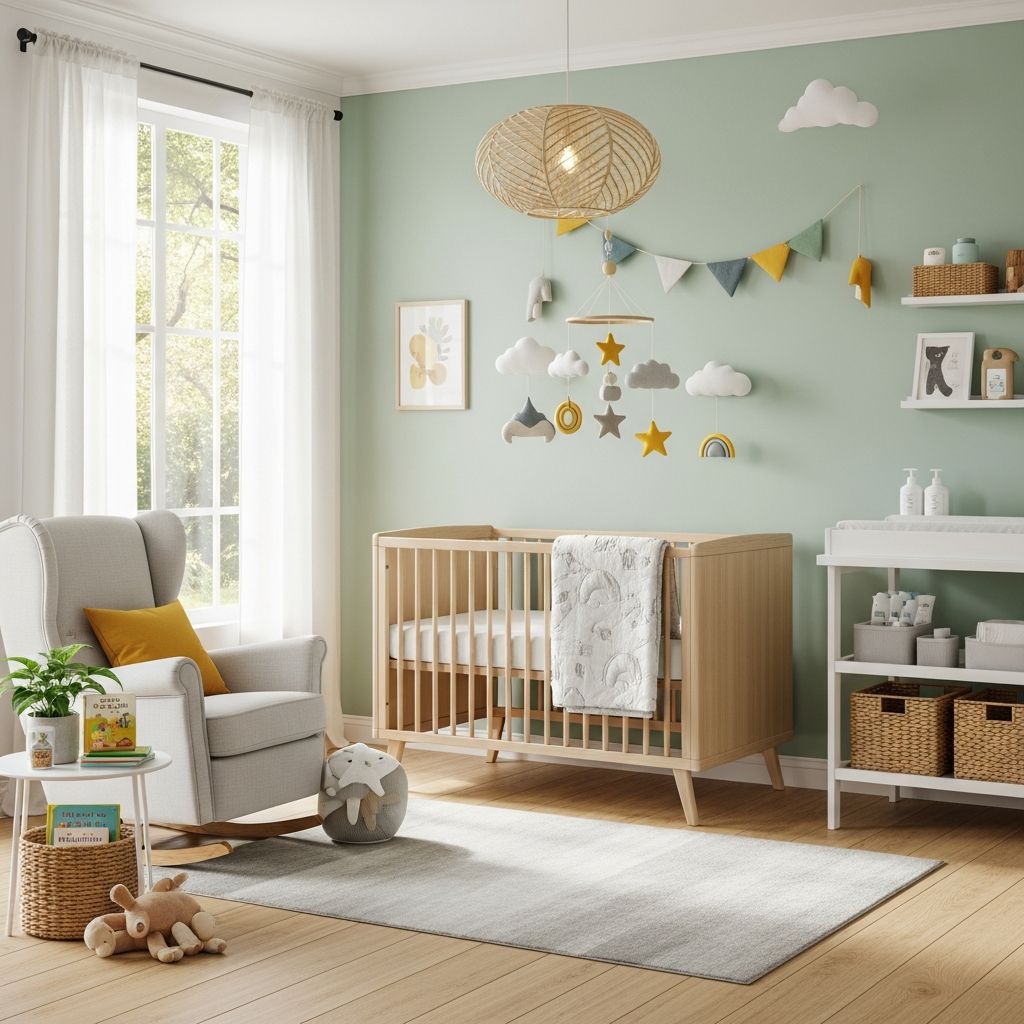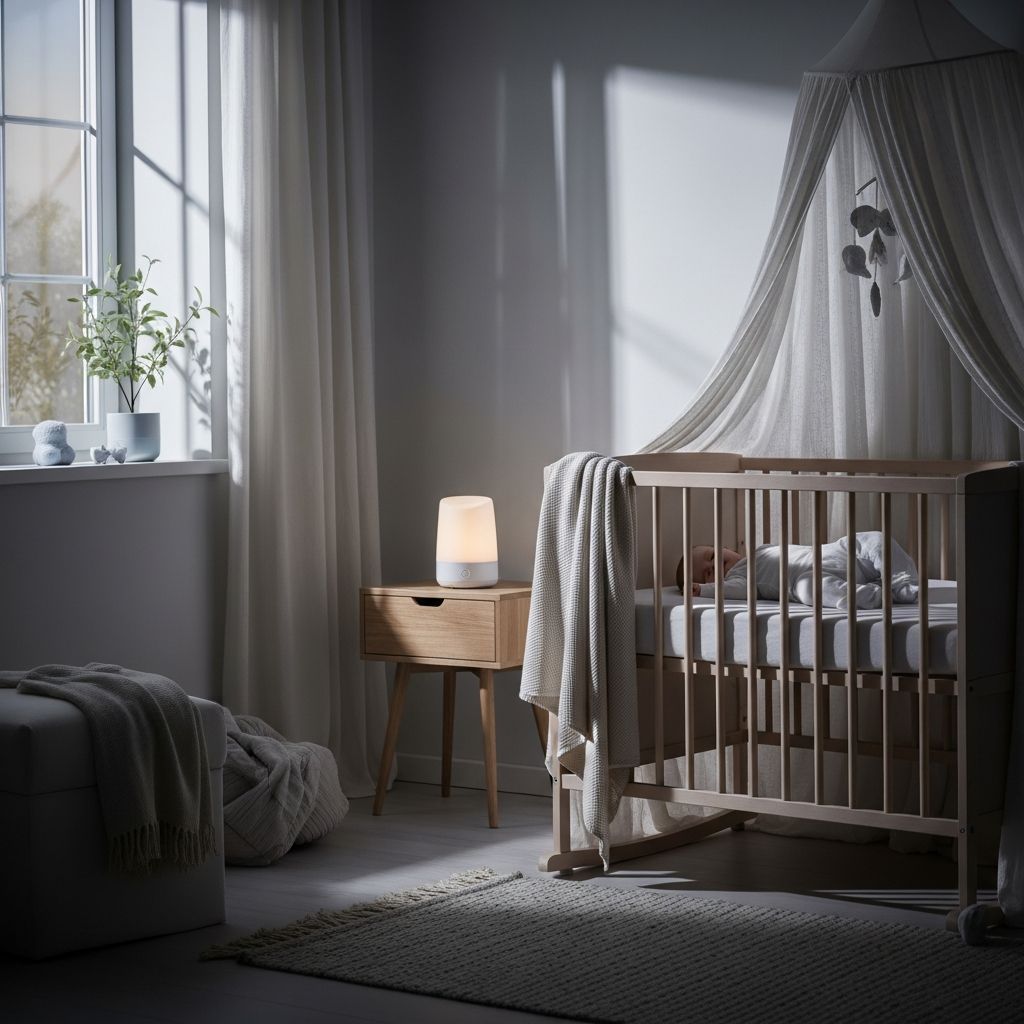
Many parents discover that a steady hum, hiss, or soft whoosh can calm a fussy baby faster than rocking or shushing alone. White noise, when used thoughtfully and safely, can become a powerful ally in helping your baby fall asleep, stay asleep, and feel more secure.
What Is White Noise, Really?
White noise is a consistent sound that blends many different sound frequencies together so no single noise stands out. It often resembles the static of an untuned radio, the low hum of a fan, or the whoosh of a shower.
- It does not rise and fall like music or conversation.
- It creates a “sound blanket” that masks sudden, disruptive noises.
- It can be produced by dedicated machines, apps, or everyday household items.
For babies, this kind of constant background sound can feel familiar and reassuring, especially in the first months after birth.
Why Babies Respond to White Noise
Life in the womb is surprisingly loud. Your baby hears blood rushing, your heartbeat, digestive gurgles, and muffled sounds from the outside world. The transition from that noisy environment to a quiet bedroom can feel startling.
White noise helps bridge that gap by offering:
- Familiarity: A soundscape that loosely resembles the womb.
- Predictability: A steady signal that doesn’t change suddenly.
- Masking: Protection against jarring sounds like barking dogs or clattering dishes.
When the environment feels more familiar and less unpredictable, many babies find it easier to relax and drift into sleep.
Key Benefits of White Noise for Baby Sleep
White noise is not a magic cure for every sleep struggle, but used well, it can bring several meaningful benefits for families.
- Faster settling: Some babies calm more quickly when consistent sound replaces sudden silence.
- Fewer wake-ups: Continuous sound can soften the impact of household noise and mild environmental changes.
- Support for routines: Turning on white noise can signal “it’s time to sleep,” reinforcing bedtime cues.
- Helpful for light sleepers: Babies who startle easily may sleep more soundly when small noises are masked.
For parents, these benefits can translate into more predictable naps, smoother evenings, and a little extra rest for everyone.
Types of White Noise and Similar Sounds
Not all soothing sounds are exactly the same. Understanding a few common terms can help you choose what works best for your baby.
| Sound Type | What It Sounds Like | Typical Sources | Best For |
|---|---|---|---|
| White noise | Steady, static-like, evenly spread across pitches | Sound machines, apps, radio static | Masking sudden, sharp noises |
| Pink noise | Softer, deeper, more rumbling than white noise | Some machines, apps, nature-inspired tracks | Gentle background for sleep, older babies |
| Brown (brownian) noise | Very low, deep rumble, like a distant waterfall | Specialized apps and devices | People who prefer low, non-hissy sounds |
| Household hums | Fan, vacuum, hair dryer, shower | Everyday appliances | Occasional soothing, short-term use |
Babies have individual preferences. Some relax best with a soft, low rumble, while others respond to a more intense, womb-like whoosh.
Safe Use: Volume, Distance, and Duration
Like any tool, white noise is most helpful when used with safety in mind. Babies’ ears are delicate, and their brains are rapidly developing, so it is important to avoid overdoing volume or using sound constantly.
Safe Volume Guidelines
- Keep the volume at or below the level of a soft shower in the bathroom.
- If you need to raise your voice over the machine, it is probably too loud.
- Start with a lower setting and increase slightly only if needed.
Safe Placement and Distance
- Place the sound source across the room from the crib or bassinet, not right next to your baby’s head.
- Aim the speaker away from your baby rather than directly toward them.
- Avoid placing devices inside the crib or attached to the rails near your baby’s ears.
Healthy Duration
- Using white noise for naps and night sleep is reasonable; running it 24 hours a day is not necessary.
- Give your baby plenty of quiet and natural-sound time when awake to support language and auditory development.
- If you worry about dependence, consider turning the sound down gradually as your baby grows older.
Common Concerns and Myths
Parents often have mixed feelings about introducing white noise, wondering whether it might cause problems later. Sorting myths from reasonable caution can make the decision easier.
“Will My Baby Become Dependent?”
Some babies do come to expect certain sleep cues, including white noise. That does not automatically make it a bad tool; it simply means you may want to be intentional about how you use it.
- If dependence worries you, use the same sound only at night, and keep naps quieter.
- When traveling, use a portable machine or phone app to recreate your usual routine.
- As your child gets older, slowly lower the volume or shorten the duration over weeks instead of stopping abruptly.
“Can It Harm Hearing or Development?”
Most concerns arise from either using white noise at very high volumes or running it around the clock. Reasonable volume and limited use for sleep are key.
- Avoid extreme loudness, especially devices placed close to the ears.
- Balance sound exposure with lots of talking, singing, and everyday household noise when your baby is awake.
- If your child has hearing or developmental concerns, speak with a pediatrician or audiologist before introducing white noise.
Everyday Sources vs. Dedicated Devices
Parents use a wide range of sounds to calm babies, from phone apps to vacuum cleaners. Each option has pros and cons.
Household Sounds
- Fans: Simple, low-cost, and often already in the home. However, they may not provide consistent sound if they click or rattle.
- Showers or sinks: Useful for short soothing sessions but not ideal for long-term sleep due to water usage and safety concerns.
- Hair dryers or vacuums: Often effective but usually too loud and impractical to run for extended periods.
Sound Machines and Apps
- Dedicated sound machines: Designed for continuous play with adjustable volume and simple controls.
- Apps on phones or tablets: Convenient while traveling, but be cautious about placing devices right next to the crib.
- Wearable or toy devices: Check that the volume is limited and that the sound source does not sit directly next to the baby’s ear.
Whichever source you choose, treat it as one tool among many in your soothing toolkit, not the only strategy.
Step-by-Step: Adding White Noise to Your Routine
You do not have to overhaul your entire bedtime routine to include white noise. Small, consistent steps can make a big difference.
- Observe your baby: Notice whether they struggle most with falling asleep, staying asleep, or both.
- Choose a simple sound: Start with a basic white or pink noise setting instead of complex nature tracks or songs.
- Set the environment: Darken the room, dress your baby comfortably, and place the sound source across the room.
- Introduce it during routine: Turn on white noise during your usual calming activities—feeding, gentle rocking, or reading.
- Stay consistent for several days: Give your baby time to associate the sound with sleep before deciding whether it helps.
- Adjust as needed: Tweak volume, distance, and sound type based on your baby’s reactions.
Not every baby will respond in the same way, so treat the first week or two as an experiment.
When White Noise Might Not Be the Best Fit
There are situations where white noise is less helpful or may need extra caution.
- If your baby becomes more alert or agitated when the sound turns on.
- If hearing tests or medical evaluations suggest sensitivity to certain frequencies or volumes.
- If you find yourself turning the sound up higher and higher just to see results.
In these cases, it may help to step back, lower the volume, switch to a different sound, or focus on other soothing methods such as swaddling, rocking, or contact naps.
Combining White Noise with Other Soothing Techniques
White noise works best as part of a broader approach to comfort and sleep—not as the only strategy. Integrating it with other gentle methods can make the effect more powerful.
- Swaddling: For young babies who enjoy feeling snug, this can pair well with a steady sound backdrop.
- Rhythmic movement: Rocking, bouncing on an exercise ball, or stroller walks can sync naturally with regular sound.
- Feeding and cuddling: Many babies settle during a feed while white noise softens outside distractions.
- Consistent bedtime steps: Doing things in the same order each night (bath, pajamas, story, sound on, bed) reinforces strong sleep associations.
Over time, your baby learns that these combined cues mean “it is safe to rest now.”
Sample Bedtime Routine Incorporating White Noise
Below is a simple example routine you can adapt to suit your family. Adjust timing and activities depending on your baby’s age and temperament.
| Step | Activity | How White Noise Fits |
|---|---|---|
| 1 | Dim lights and quiet play | No white noise yet; allow natural sounds while winding down. |
| 2 | Bath and pajamas | Optional soft background sound in the distance if your baby startles easily. |
| 3 | Feeding and cuddles | Turn on white noise at low volume to signal that bedtime is approaching. |
| 4 | Short story or lullaby | Keep white noise running softly; your voice should still be clearly audible. |
| 5 | Place baby in crib | Maintain the same sound and volume to carry through falling asleep. |
| 6 | During the night | Leave white noise on at a safe level to help smooth over light sleep transitions. |
Adjusting Use as Your Baby Grows
Newborns and older babies do not have the same needs. As your child develops, your approach to white noise can change too.
- 0–3 months: Many newborns benefit from a louder, more womb-like sound, along with swaddling and close contact.
- 3–6 months: Start to experiment with slightly lower volume and a bit more separation between awake time and sleep sounds.
- 6–12 months: If sleep is stable, you may consider dialing down volume, turning the sound off partway through the night, or using it only for naps.
- Toddlers: Some families continue using gentle sound as a familiar bedtime cue, while others phase it out completely.
There is no single “right” timeline. Follow your child’s cues, your family’s needs, and any guidance from your healthcare provider.
Frequently Asked Questions About White Noise and Babies
Is white noise safe for newborns?
Yes, white noise can be used with newborns as long as the volume is kept moderate, the sound source is placed at a distance, and it is not running all day. Always give your baby quiet and natural-sound time while awake.
Can I leave white noise on all night?
Many families choose to leave white noise on through the night to help manage environmental sounds. As long as the volume is safe and your baby has healthy sound exposure during the day, continuous overnight use is typically reasonable.
What volume level is considered safe?
A good rule of thumb is that the machine should be no louder than a gentle shower. If normal conversation becomes difficult near your baby, the sound is likely too loud.
Should I use music instead of white noise?
Music can be soothing, but melodies and lyrics change and can be stimulating, especially as babies grow. A steady, non-melodic sound is generally more effective for maintaining sleep, while music may work better for bonding and playtime.
What if daycare does not use white noise?
If your baby is accustomed to white noise at home, you can still keep it as part of your night routine and allow naps to be different. Babies are often capable of adjusting to separate “home” and “daycare” sleep environments, especially with consistent routines in each place.
How do I stop using white noise later?
To phase it out, reduce the volume gradually over a week or two. You can also set the sound to turn off after your baby has been asleep for some time, then slowly shorten the duration, watching for any impact on sleep quality.
Using White Noise with Confidence
White noise is a flexible, low-effort tool that can support calmer bedtimes and more restful sleep for many babies. When used thoughtfully—at safe volumes, at a distance, and alongside other nurturing routines—it can make early parenting a little smoother and nights a little quieter.
Trust your observations, stay responsive to your baby, and remember: white noise is there to support your instincts, not replace them.