Keeping Teenagers Entertained When Outdoor Activities Aren’t Possible
Weather limitations can present parenting challenges, particularly when teenagers need indoor engagement options. Rather than allowing young people to spend extended periods on screens, thoughtfully planned activities can transform dreary days into opportunities for creativity, skill development, and family connection. The following suggestions provide diverse options that appeal to different interests and energy levels, ensuring there’s something suitable for every teenager’s preferences.
Performing Arts and Creative Expression
Teenagers often possess untapped creative potential that indoor environments can help unlock. Encouraging performance-based activities allows young people to express themselves while developing confidence and communication skills.
Theatrical Production and Performance
Setting up a home theatrical experience gives teenagers multiple roles to explore simultaneously. They can serve as scriptwriters, directors, set designers, and performers, allowing them to control every aspect of their production. Whether adapting existing stories or creating original scripts, this activity develops narrative thinking and collaborative abilities. The process of bringing a performance to life—from initial concept through final presentation—provides hours of structured creative engagement.
Musical Exploration and Entertainment
Encouraging musical expression can take various forms depending on existing interests and skills. Some teenagers may enjoy writing original compositions, while others prefer learning instruments or participating in karaoke performances. Creating a disco-style dance experience with lighting effects can transform a living space into an entertainment venue. The combination of music, movement, and self-expression provides both physical activity and emotional outlet.
Strategic and Competitive Gaming Activities
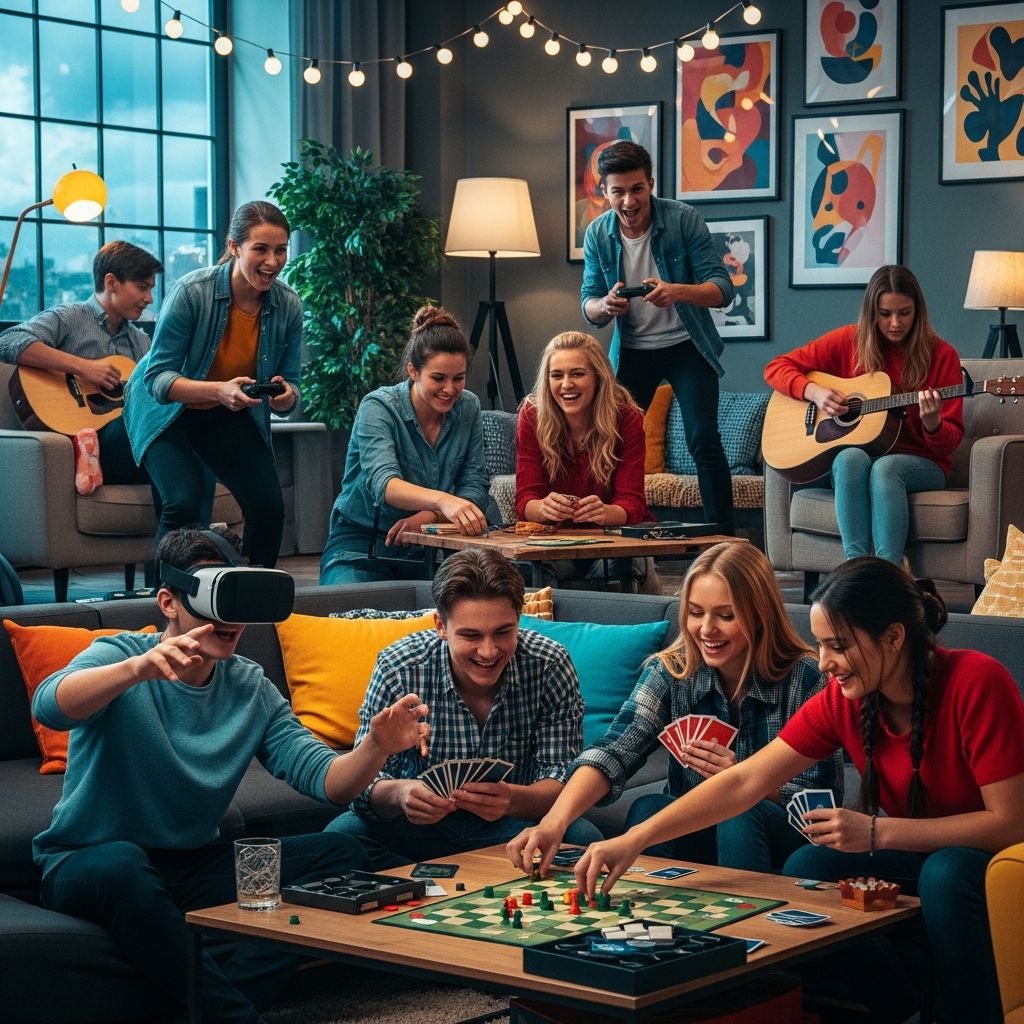
Board games and card-based competitions offer more intellectual engagement than many teenagers initially anticipate. These activities naturally encourage strategic thinking, friendly competition, and extended family interaction time.
Complex Board Game Experiences
Games like Monopoly provide extended gameplay that introduces teenagers to financial concepts and long-term strategic planning. Beyond basic rule-following, these games create opportunities for creative storytelling, negotiation skills, and decision-making practice. Word-based games such as Scrabble encourage vocabulary development and pattern recognition. Mystery-solving games like Cluedo challenge deductive reasoning abilities while maintaining entertainment value.
Alternative Competitive Formats
For teenagers seeking lighter entertainment, games like Twister combine physical activity with playful competition. Creating custom board games allows teenagers to design their own rule systems, game mechanics, and themes, providing both creative outlet and playable entertainment. Minute-to-Win-It style challenges, which can be found online, create quick competitive experiences that test problem-solving and physical dexterity in unexpected ways.
Adventure and Discovery-Based Activities
Treasure hunts and escape room concepts transform indoor spaces into adventure environments that engage teenagers’ problem-solving abilities and create memorable experiences.
Sophisticated Treasure Hunt Design
Unlike simple scavenger hunts, age-appropriate treasure hunts for teenagers can incorporate complex elements including mazes, cipher puzzles, and map-based navigation. A well-designed hunt typically requires approximately one hour to complete, maintaining engagement throughout. Themes can be customized to match individual interests, whether mystery, adventure, historical, or fantasy-based. For households with multiple teenagers, staggered starting times or different themed hunts prevent answer-sharing while maintaining individual challenge.
Home-Based Escape Room Experiences
Creating an escape room setup within the home challenges teenagers to work through interconnected puzzles and riddles to achieve a specific goal. This activity naturally encourages teamwork if multiple people participate, promotes critical thinking, and creates a distinct narrative experience that differs from everyday activities. The process of designing the escape room can be equally engaging as solving it, allowing creative teenagers to become game designers.
Active and Physical Indoor Pursuits
Inclement weather needn’t mean complete physical inactivity. Multiple options exist for teenagers to engage in vigorous movement indoors.
Obstacle Course Construction and Completion
Teenagers can either participate in pre-designed obstacle courses or design challenging courses for family members to navigate. The creative aspect of course design—determining difficulty levels, combining different movement types, and establishing safety parameters—engages planning abilities. Games like “floor is lava” transform familiar spaces into adventure environments requiring creative navigation.
Dance and Movement Activities
Structured dance workouts, whether through online platforms or improvised choreography, provide cardiovascular activity and creative expression simultaneously. Themed dance sessions—where movement style matches a particular music genre or narrative—add creative elements to physical activity. Dance competitions between family members introduce friendly competition while maintaining physical engagement.
Recreational Ball Games
Balloon-based activities like balloon tennis or volleyball eliminate risk of property damage while providing active entertainment. Tabletop games using ping pong balls or similar objects can be adapted for various skill levels. Bowling experiences, whether visiting an actual bowling alley or creating a home version using bottles and balls, combine physical activity with competitive scoring systems.
Skill-Building and Learning Activities
Rainy days provide excellent opportunities for teenagers to develop new competencies in manageable, pressure-free environments.
Magic and Illusion Learning
Card tricks, magic illusions, and sleight-of-hand techniques can be learned through online tutorials or instructional books. These skills develop fine motor control, sequential thinking, and provide performance opportunities for entertaining family members. The process of mastering a trick builds persistence and attention to detail.
Rope and Knot Mastery
Learning various knots and rope techniques develops practical skills applicable to camping, boating, and outdoor activities. Tutorial-based learning allows self-paced progression through increasingly complex techniques. This activity combines hands-on learning with practical application potential.
Pet Training and Animal Interaction
If household pets are available, teaching them new behaviors or tricks provides interactive engagement with animals. This activity develops patience, observational skills, and positive reinforcement understanding. Even basic commands like “sit” or “shake” require focus and consistency.
Creative Arts and Crafts Projects
Artistic pursuits offer unlimited possibilities for self-expression and creation.
Home Carnival Environment
Constructing carnival games from household materials challenges teenagers’ creativity and engineering thinking. Cardboard boxes can become target games, balloon toss activities test hand-eye coordination, and simple bean bag throws create scoring systems. Teenagers can design game rules, establish point systems, and decorate their carnival space. This multi-faceted project combines construction, creative thinking, and playable entertainment.
Personal Artistic Expression
Drawing, painting, or creating collages allows teenagers to explore visual creativity. Creating galleries of their own artwork provides recognition for their efforts and motivation for continued artistic exploration. Projects can range from detailed portraits to abstract interpretations, accommodating varying skill levels and interests.
Social and Relationship-Building Activities
These options strengthen family bonds while providing entertainment value.
Truth or Dare Games
With appropriate boundaries established regarding dare content, truth or dare provides opportunities for families to learn more about each other in entertaining ways. The activity naturally generates laughter and memorable moments while encouraging communication.
Conversation-Based Games
Games like “Would You Rather” and similar conversation starters generate discussions that reveal personalities, preferences, and thinking patterns. These games require no equipment while building family connection and understanding.
Team-Based Family Fitness Activities
Rotating through exercise “stations” where each person selects activities creates personalized fitness experiences. Whether using actual exercise equipment or bodyweight exercises, team participation increases motivation and maintains engagement. The ability to choose activities increases teenager buy-in compared to imposed fitness routines.
Indoor Recreation Venues
While at-home activities provide immediate options, considering external venues expands entertainment possibilities.
Bowling as Alternative Entertainment
Visiting a bowling alley offers a change of scenery and structured physical activity. The competitive scoring system naturally generates engagement, and teenagers often discover that the activity proves more enjoyable than expected. Many bowling facilities offer discount promotions or social media contests providing cost-effective participation options. Home bowling alternatives using plastic bottles and balls can replicate aspects of this experience when outdoor venues aren’t accessible.
Frequently Asked Questions
What indoor activities work best for teenagers who resist traditional suggestions?
Allowing teenagers to design and lead activities—whether creating their own board games, designing carnival games, or directing performances—increases ownership and engagement. Presenting suggestions as collaborative choices rather than directives improves receptiveness.
How can parents balance screen use with indoor activity time?
Using screens to learn specific skills—such as watching tutorials for magic tricks or online dance instruction—differs meaningfully from passive entertainment consumption. Setting clear guidelines distinguishing between skill-building screen use and recreational screen time helps teenagers understand the distinction.
Are these activities suitable for teenagers of different maturity levels?A: Yes, most suggestions can be adapted for varying ages and interests. Complex games can be simplified for younger teenagers, while older teens might appreciate more sophisticated versions of the same basic activity.
Q: How much time should parents expect these activities to occupy?
Activities range from quick 15-minute challenges to projects spanning several hours. A combination of varying-length options allows flexible scheduling throughout a full day indoors.
What supplies are typically needed for these activities?
Most suggestions utilize materials already available in typical households—cardboard boxes, sports equipment, craft supplies, board games, and common household items. This accessibility allows spontaneous implementation without advance preparation.
References
- 65 Fun Indoor Activities for Kids to Do on a Rainy Day — Georgetown Pediatric Associates. Accessed February 2026. https://georgetowndocs.com/65-fun-indoor-activities-for-kids-to-do-on-a-rainy-day/
- 15 Rainy Day Activity Ideas That Will Cheer Up Bored Tweens — Non-Screen Activities for Kids. Accessed February 2026. https://nonscreenactivitiesforkids.com/rainy-day-activities-for-tweens/
- 15 Rainy-Day Activities for Families with Tweens — All Mom Does. Accessed February 2026. https://www.allmomdoes.com/blog/15-rainy-day-activities-for-families-with-tweens/
- 100 Activities for Bored Teens (No Screens) — Mommy Poppins. Accessed February 2026. https://mommypoppins.com/anywhere-kids/boredom-busters/100-activities-for-bored-teens-no-screens
- Activities for Teens – 88 Things for Bored Teenagers to Do At Home — Actually Mummy. Accessed February 2026. https://actuallymummy.co.uk/activities-for-teenagers-during-lockdown/
- Indoor Activities for Tweens — What Do We Do All Day. Accessed February 2026. https://www.whatdowedoallday.com/indoor-activities-tweens/