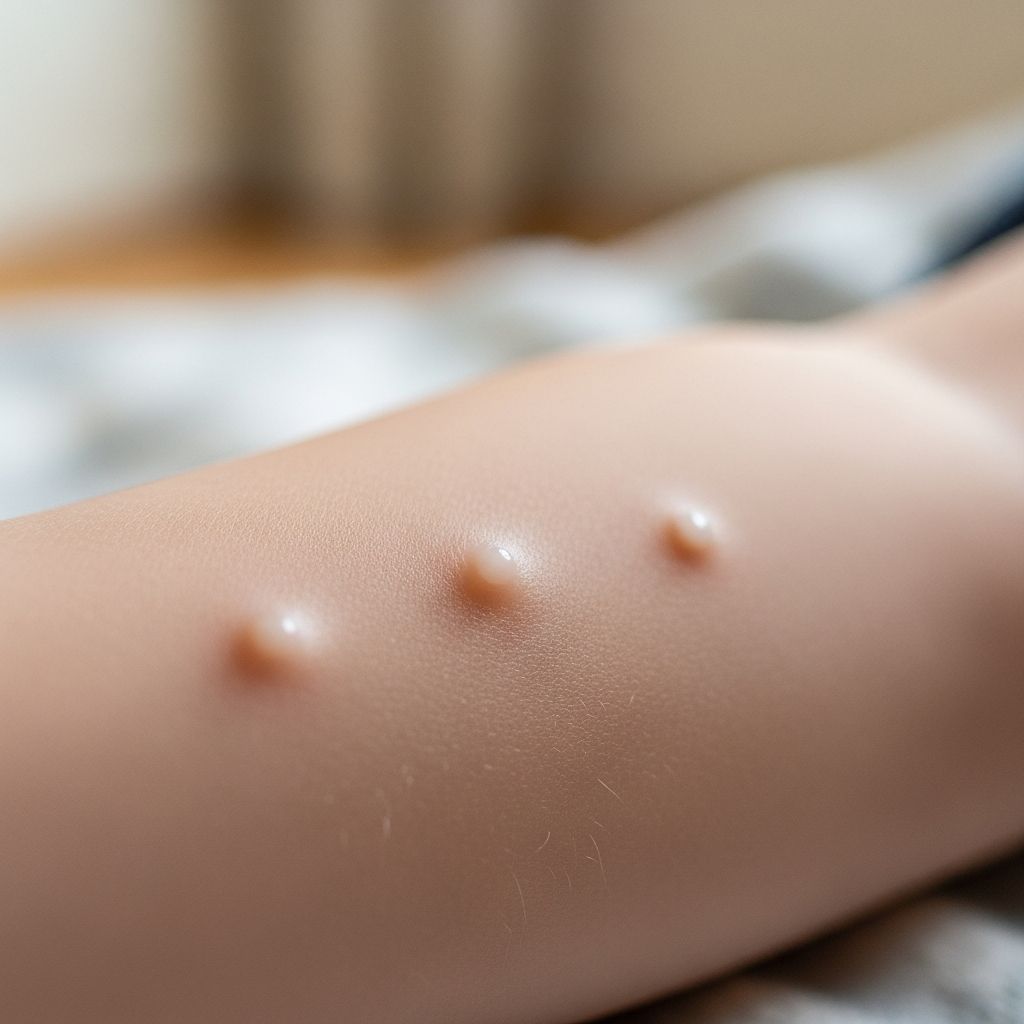
Molluscum contagiosum is a common viral skin condition that often looks more alarming than it actually is. It causes small, smooth bumps on the skin that can linger for months but usually clear without leaving permanent problems. Understanding what it is and how to manage it can reduce anxiety for both parents and children.
What Is Molluscum Contagiosum?
Molluscum contagiosum is a mild skin infection caused by a virus in the poxvirus family. It lives only in the skin and does not affect internal organs. The name sounds serious, but in healthy children it is generally harmless and self-limited, which means it goes away on its own over time.
The infection leads to small growths on the surface of the skin known as papules. These bumps can appear alone or in groups, and may slowly increase in number before the immune system finally clears them. While the condition is contagious, it is not dangerous for most healthy kids.
How the Virus Spreads
The virus that causes molluscum contagiosum is spread by direct contact with the skin of an infected person or by touching contaminated objects. This is why the infection is common in households, daycares, and schools where children share toys, towels, and sports equipment.
- Skin-to-skin contact: Hugging, wrestling, or close play can pass the virus from one child to another.
- Shared items: Towels, washcloths, bath sponges, or sports gear that touch the skin can carry the virus from one person to the next.
- Self-spread (autoinoculation): Children may spread the virus to other parts of their own body by scratching or rubbing the bumps.
Because the virus is limited to the top layers of skin, it does not spread through coughing or casual air exposure. Good hygiene and smart protective habits can significantly cut down on transmission.
Who Is Most at Risk?
Molluscum contagiosum can affect anyone, but it is especially common in children between early childhood and preteen years. Kids in group settings, such as preschools and sports teams, are more likely to encounter the virus simply because they have more close contact with others.
Children with dry or sensitive skin conditions, such as eczema, may be more prone to developing many bumps because the skin barrier is already irritated. In people with weakened immune systems, the infection can be more widespread or persistent, and medical guidance is especially important.
Typical Appearance of the Bumps
Recognizing the classic look of molluscum contagiosum helps parents distinguish it from other rashes. The bumps often develop gradually and can be present for weeks before parents notice them.
- Small, dome-shaped bumps that are usually flesh-colored, pink, or pearly.
- A smooth, shiny surface that may seem slightly waxy.
- A tiny central indentation or dimple, often described as a pit in the middle.
- Size ranging from a pinhead up to the size of a pencil eraser.
- Common locations: trunk, arms, legs, underarms, and sometimes face or neck.
Some bumps may itch or become red and crusty as the body’s immune system reacts. This can look worrisome but often means the body is starting to fight the virus.
Common Symptoms and Child Discomfort
Many children have no symptoms beyond the visible bumps. Others may experience mild discomfort, mostly due to itching or irritation. Scratching can make the skin sore and increase the risk of infection with bacteria.
Emotional distress is also common. Children may feel embarrassed if bumps appear on visible areas such as the face, neck, or arms. Parents can help by calmly explaining that the condition is common, temporary, and not a sign of poor hygiene.
How Doctors Diagnose Molluscum Contagiosum
Diagnosis is usually straightforward and does not require blood tests. A primary care doctor or dermatologist often can identify molluscum contagiosum just by looking at the characteristic bumps during a physical exam.
- Visual inspection: The doctor looks for typical pearly bumps with central dimples.
- Medical history: Questions about itching, scratching, how long the bumps have been present, and whether other family members have similar lesions.
- Rare additional tests: In unusual cases, a small skin sample may be taken for microscopic examination to rule out other conditions.
Because the condition is usually mild, many children are diagnosed in a single office visit and do not need extensive follow-up unless bumps spread widely or become inflamed.
Is Molluscum Contagiosum Dangerous?
For most healthy children, molluscum contagiosum is not dangerous. The infection is limited to the skin and does not turn into a serious internal illness. The immune system typically clears the virus over several months to a few years.
The main concerns are cosmetic appearance, itchiness, and the risk of bacterial infection in areas that are heavily scratched. Parents can focus on gentle skin care and monitoring rather than worrying about long-term damage.
Possible Complications to Watch For
Although serious complications are rare, certain problems can arise when the skin is damaged by scratching or aggressive treatments. Recognizing warning signs early allows for more timely care.
- Secondary bacterial infection: Redness, warmth, pus, swelling, or tenderness around bumps may signal infection that sometimes needs antibiotic treatment.
- Scarring: Deep scratching or destructive treatments can leave small scars or changes in skin color, especially in darker skin tones.
- Worsening eczema: Children with eczema may see flares around or between the bumps as skin becomes more inflamed and itchy.
Always seek medical advice if the skin around lesions looks significantly more swollen, painful, or if your child develops a fever with skin changes.
Does It Go Away on Its Own?
Yes, in many cases molluscum contagiosum goes away without any specific medical treatment. The timeline varies. Some children clear all bumps within several months, while others may have them on and off for up to two or three years.
The virus tends to follow a cycle: new bumps appear, older ones swell and may become red, then eventually shrink, crust, and disappear as the immune system gains control. Even after all bumps vanish, mild marks or faint discoloration can persist for a short time before fading.
Treatment Options: When and Why
Not every child with molluscum contagiosum needs active treatment. The decision depends on the number of bumps, their location, the amount of discomfort or itching, and how much the condition affects the child’s daily life or self-esteem.
Reasons a healthcare provider might recommend treatment include:
- Large numbers of bumps or rapid spread across the body.
- Lesions in sensitive areas, such as around the eyes or genitals (in older children and teens).
- Significant itching, pain, or frequent skin infections from scratching.
- Emotional distress, embarrassment, or bullying related to visible bumps.
Common Medical Treatments
Several in-office and at-home treatments can help bumps clear more quickly. Each option has benefits and drawbacks, and the right choice differs from child to child. Parents should discuss risks and expectations clearly with the healthcare provider.
| Treatment Type | How It Works | Pros | Considerations |
|---|---|---|---|
| Observation (no active treatment) | Allows the immune system to clear the virus naturally. | No pain, no treatment cost, no risk of treatment-related scarring. | Bumps may persist for many months; appearance can bother some children. |
| Cryotherapy (freezing) | Applies extreme cold to each bump to destroy infected tissue. | Relatively quick; may remove individual lesions in a few sessions. | Can be painful; may not be ideal for very young children or extensive disease. |
| Curettage (gentle scraping) | Physically removes the core of the bump with a small instrument. | Often effective immediately for individual bumps. | Requires cooperation; may be uncomfortable and can lead to minor bleeding or scarring. |
| Topical medications | Use creams or solutions to trigger an immune response or irritate the bump so it resolves. | Some options can be applied at home; may be better tolerated than procedures. | Can cause redness, stinging, or peeling; may require weeks of regular use. |
Because each child is different, there is no single “best” treatment. The ideal strategy balances effectiveness, comfort, and the child’s ability to cooperate with repeated applications or visits.
Home Care and Comfort Measures
Even if no active treatment is chosen, there is a lot parents can do at home to support healing and reduce discomfort. Consistent gentle care can also lower the risk of complications such as infection or spreading to other family members.
- Keep the skin moisturized with fragrance-free creams to reduce dryness and itching.
- Discourage scratching by trimming nails short and using cotton gloves or mittens at night if needed.
- Use mild, non-soap cleansers and avoid scrubbing the bumps aggressively.
- Ask the healthcare provider about safe anti-itch options, such as certain topical lotions or oral medicines, if itching is troublesome.
Parents should avoid picking or squeezing the bumps, which can break the skin and raise the risk of infection and scarring. Always follow the instructions given for any prescribed creams or procedures.
Preventing Spread at Home and School
While it is not realistic to eliminate all risk of spread, simple habits can make transmission much less likely. Emphasizing hygiene also teaches children lifelong habits that benefit overall health.
- Encourage frequent handwashing, especially after touching the bumps.
- Assign each child their own towel, washcloth, and razor (for older children and teens).
- Avoid sharing items that directly touch bare skin, such as goggles, wrist guards, or bath sponges.
- Cover bumps with clothing or bandages during close-contact sports like wrestling or gymnastics, if instructed by your healthcare provider.
Most children with molluscum contagiosum do not need to be kept out of school, daycare, or sports, as long as reasonable steps are taken to cover lesions and maintain good hygiene. Open communication with teachers and coaches can help create a supportive environment.
Talking to Your Child About the Condition
Honest, age-appropriate explanations help reduce fear and embarrassment. Children may worry that they did something wrong or that others will think they are “contagious” in a frightening way.
Helpful strategies include:
- Explain that many kids get these bumps and that they are not caused by being dirty.
- Reassure your child that the bumps will go away, even if it takes time.
- Practice simple phrases your child can use if classmates ask about the spots, such as “They’re just temporary skin bumps that my doctor knows about.”
For older children, especially if bumps are in more private areas, promote respectful, confidential conversations and emphasize body autonomy and consent when it comes to who may look at or touch their skin.
When to Call a Doctor
Most cases can be managed through regular checkups, but certain changes should prompt a call or visit to a healthcare provider. Parents should trust their instincts and seek help if something looks or feels unusual.
- Rapid spread of bumps over large areas of the body.
- Signs of infection: increasing redness, swelling, warmth, pus, or pain.
- Bumps around the eyes, on the eyelids, or in very sensitive areas.
- Severe itching that keeps the child awake or leads to frequent scratching and open sores.
- Concerns about the child’s self-esteem, anxiety, or social difficulties related to the bumps.
Prompt evaluation allows the provider to confirm the diagnosis, discuss treatment choices, and rule out more serious skin conditions that can sometimes resemble molluscum contagiosum.
Living With Molluscum Contagiosum: Practical Tips for Parents
Because the infection can linger for months, managing daily life with molluscum contagiosum is often about patience and consistent routines rather than quick fixes. Small adjustments can make a big difference in comfort and confidence.
- Create a simple skincare routine—gentle washing, moisturizing, and checking bumps briefly once a day.
- Set expectations that the condition may last a while, so children are not disappointed if bumps do not vanish quickly.
- Coordinate with caregivers, teachers, and coaches so everyone follows the same basic precautions.
- Focus conversations on what your child can do (hygiene, covering bumps) rather than on appearance alone.
Parents who stay calm and informed set the tone for how children experience the condition. Over time, most families find that the bumps gradually become less noticeable, both physically and emotionally.
Frequently Asked Questions (FAQs)
1. Is molluscum contagiosum a sign of poor hygiene?
No. Many clean, healthy children develop molluscum contagiosum because the virus is widespread and easy to catch through normal play and contact. Good hygiene can reduce the chance of spreading it, but its presence does not mean a child is unclean.
2. Can my child still go to school or daycare?
In most cases, yes. Children can usually attend school or daycare as long as any open or irritated bumps are covered and they avoid sharing items that come into close contact with the skin. Check with your healthcare provider and the school’s policies for specific guidance.
3. Will the bumps leave permanent scars?
Most bumps heal without significant scarring, especially if they are not picked, squeezed, or aggressively treated. However, any skin injury, whether from scratching or procedures, can sometimes leave small marks or changes in color.
4. How long does it usually last?
The duration varies widely. Some children clear the infection within several months, while others may have bumps off and on for up to two or three years. Even when the process feels slow, most healthy children eventually clear the virus on their own.
5. Are over-the-counter remedies safe?
Some products claim to treat molluscum contagiosum, but not all are studied or recommended for children. Always consult a healthcare provider before using any over-the-counter or home remedy, especially those that cause strong irritation or contain acids.
6. Can adults catch molluscum contagiosum from children?
Yes, adults can get the infection through close skin contact or shared items, although it is more common in children. Adults who develop bumps should also practice good hygiene and seek medical advice if lesions appear in sensitive or private areas.
7. Is there a vaccine to prevent it?
There is currently no vaccine specifically designed to prevent molluscum contagiosum. Prevention relies on practical measures such as avoiding direct contact with visible bumps, not sharing personal items, and maintaining healthy skin and hygiene habits.
Key Takeaways for Parents
- Molluscum contagiosum is a common, usually mild viral skin infection in children that often clears on its own.
- It spreads through direct skin contact and shared objects, so basic hygiene and covering bumps during close contact can reduce transmission.
- Many children do not need aggressive treatment; decisions about therapy should consider comfort, cosmetic concerns, and emotional wellbeing.
- Consistent, gentle skin care and supportive communication help children cope well while the condition runs its course.
With knowledge and a calm approach, parents can guide their children through molluscum contagiosum with minimal stress and a strong focus on overall skin health.