Understanding Your Body at the Midpoint of Pregnancy
Week 23 represents a pivotal moment in your pregnancy journey. You have successfully navigated the first half of your second trimester, and your body continues to undergo remarkable transformations to support your developing child. At this stage, many expectant mothers describe feeling a deeper connection to their pregnancy while simultaneously experiencing new physical sensations and emotional considerations about the journey ahead.
The changes occurring now are neither subtle nor superficial. Your body is actively managing increased blood volume, hormonal fluctuations, and the physical demands of carrying an expanding uterus. Understanding what to expect can help you navigate these weeks with greater confidence and comfort.
Physical Positioning and Postural Adjustments
One of the most noticeable changes at this gestational age involves how your body positions itself in space. Your uterus has risen significantly above your belly button, altering your center of gravity in ways that affect your standing posture, walking gait, and overall movement patterns. This shift is entirely natural but can take time to adjust to.
As your abdomen expands, you may experience increased pressure in your lower abdominal region and pelvis. Some expectant mothers report discomfort in the lower back and hip areas as ligaments stretch and muscles adapt to new positioning. These sensations typically decrease with intentional posture adjustments and by avoiding prolonged periods of standing without support.
Practical strategies include:
- Taking frequent sitting breaks during your day
- Using supportive pregnancy pillows when resting
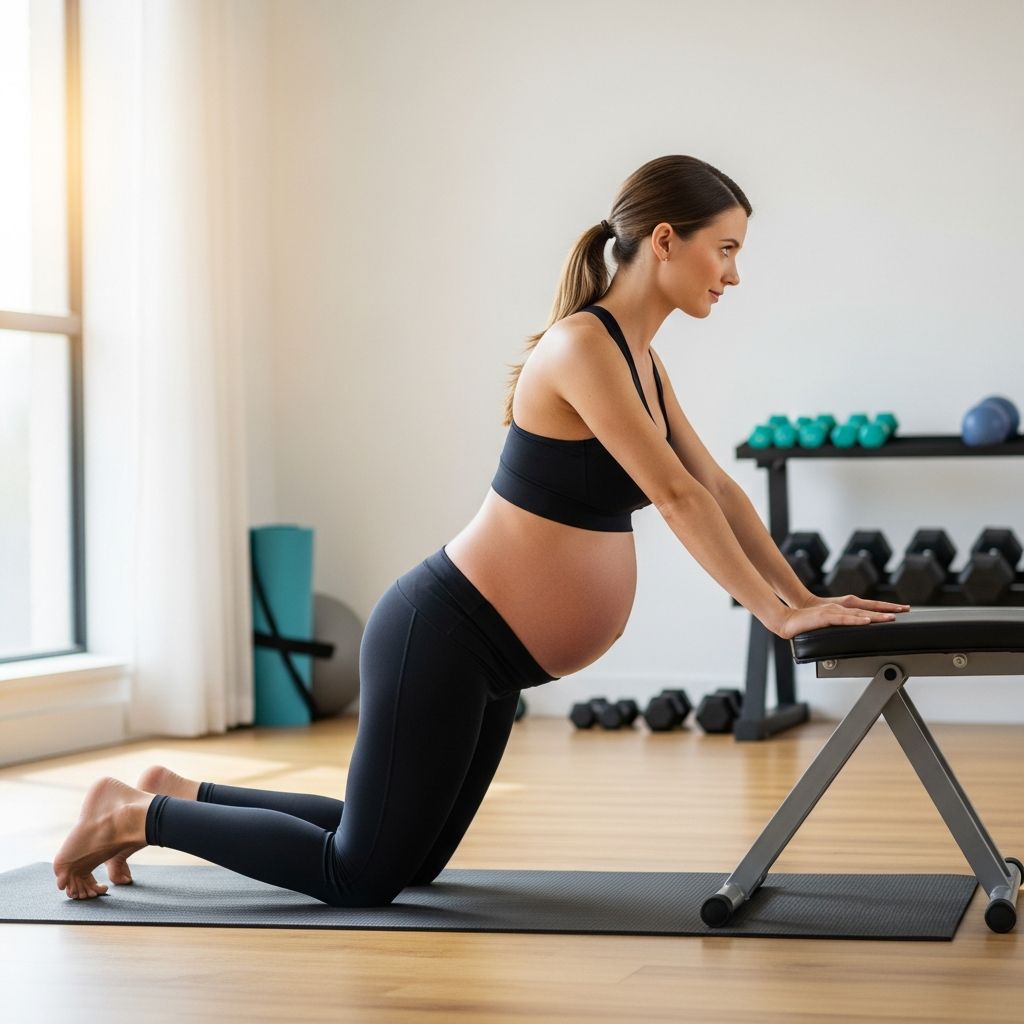
- Engaging in gentle prenatal stretching exercises
- Wearing supportive footwear designed for pregnancy
- Practicing mindful movement when transitioning between positions
Ligament Stretching and Associated Discomfort
The round ligaments that support your uterus are experiencing significant stress as your baby grows. These ligaments must continuously stretch and adapt to accommodate the expanding womb. When you make quick movements—such as rising rapidly from a seated position, rolling over in bed, or twisting your torso—these ligaments can trigger sharp or pulling sensations.
This phenomenon, known as round ligament pain, is a normal part of pregnancy and not a cause for alarm. However, understanding how to minimize these uncomfortable moments can improve your daily experience. Moving deliberately and supporting your belly with your hands when changing positions can substantially reduce the intensity of these sensations.
Additionally, maintaining gentle physical activity throughout the day can help your ligaments adapt more effectively. Prenatal yoga, walking, and swimming are excellent options that maintain flexibility while supporting the ligaments’ adjustment.
Cardiovascular and Circulatory Changes
Your body is working harder than ever to maintain adequate circulation and oxygen delivery to both you and your developing baby. Blood volume has increased significantly, and your cardiovascular system is adapting to meet these new demands.
These circulatory changes manifest in several observable ways. Swelling in the feet, ankles, and hands becomes increasingly noticeable during week 23. This puffiness results from increased blood volume combined with slightly slower circulation, particularly in the lower extremities. While mild swelling is expected and normal, it can be uncomfortable.
To manage swelling effectively:
- Elevate your legs regularly throughout the day, especially in the evening
- Maintain consistent hydration by drinking adequate water
- Engage in regular gentle movement and walking
- Avoid standing or sitting in one position for extended periods
- Consider compression socks designed for pregnancy
- Limit sodium intake while maintaining overall nutrition
However, if you experience sudden severe swelling, particularly when accompanied by headaches or vision disturbances, contact your healthcare provider immediately, as these can indicate preeclampsia or other pregnancy complications requiring medical attention.
Digestive System Adaptations
The hormone progesterone, which maintains pregnancy, has a significant effect on your digestive system. This hormone relaxes the smooth muscles throughout your gastrointestinal tract, slowing digestion and creating an environment more prone to heartburn, gas, and constipation.
Simultaneously, your expanding uterus is beginning to press upward on your stomach, which can contribute to feelings of fullness and acid reflux. These digestive changes affect not only your physical comfort but also your nutritional intake and energy levels.
Managing digestive discomfort involves strategic dietary and behavioral modifications:
- Consuming smaller, more frequent meals rather than three large meals daily
- Waiting at least two to three hours after eating before lying down
- Avoiding spicy, acidic, and fatty foods that trigger reflux
- Increasing fiber intake gradually to prevent constipation
- Drinking water between meals rather than with meals to reduce fullness
- Remaining upright after eating when possible
Movement Perception and Fetal Activity Recognition
By week 23, your baby’s movements have become considerably more distinct and forceful. What may have felt like fluttering sensations in earlier weeks now manifests as noticeable kicks, rolls, and stretches. These movements often occur in waves, particularly when you are resting or following meals when your blood sugar naturally rises.
Learning to recognize and anticipate your baby’s activity patterns is valuable for two reasons. First, it creates an early bonding experience and allows you to feel more connected to your developing child. Second, becoming familiar with your baby’s typical movement patterns helps you recognize when something feels different, which can be important information to share with your healthcare provider.
Movement patterns at this stage are highly individual. Some babies are consistent in their activity throughout the day, while others demonstrate clear active and quiet periods. There is no standardized number of movements you should feel, and not all mothers perceive fetal movement at the same developmental stage. If this is your first pregnancy or if your placenta is positioned toward the front of your uterus, you may feel fewer movements or experience delayed perception of movement.
Rather than counting specific numbers of kicks, focus on becoming aware of your baby’s baseline activity and reporting any significant changes to your healthcare provider.
Additional Maternal Symptoms and Considerations
Beyond the primary symptoms already discussed, week 23 often brings additional physical manifestations of pregnancy:
- Increased urinary frequency: Your growing uterus presses on your bladder, necessitating more frequent bathroom visits throughout the day and potentially disrupting nighttime sleep
- Sleep disturbances: Anxiety, frequent urination, physical discomfort, and your baby’s activity patterns can create restless nights and daytime fatigue
- Dental changes: Hormonal fluctuations can increase inflammation in gums, potentially leading to bleeding during brushing or flossing
- Varicose veins: Increased blood volume and pressure in veins can cause visible, sometimes uncomfortable vein enlargement
- Braxton Hicks contractions: Your uterine muscles begin practicing contractions in preparation for labor, creating brief tightening sensations
- Skin pigmentation changes: Some mothers notice darkening of the areolas, linea nigra (dark line on the abdomen), or facial pigmentation changes
- Vision changes: Hormonal effects and fluid retention can slightly alter your eye shape, potentially affecting vision temporarily
Your Baby’s Remarkable Development
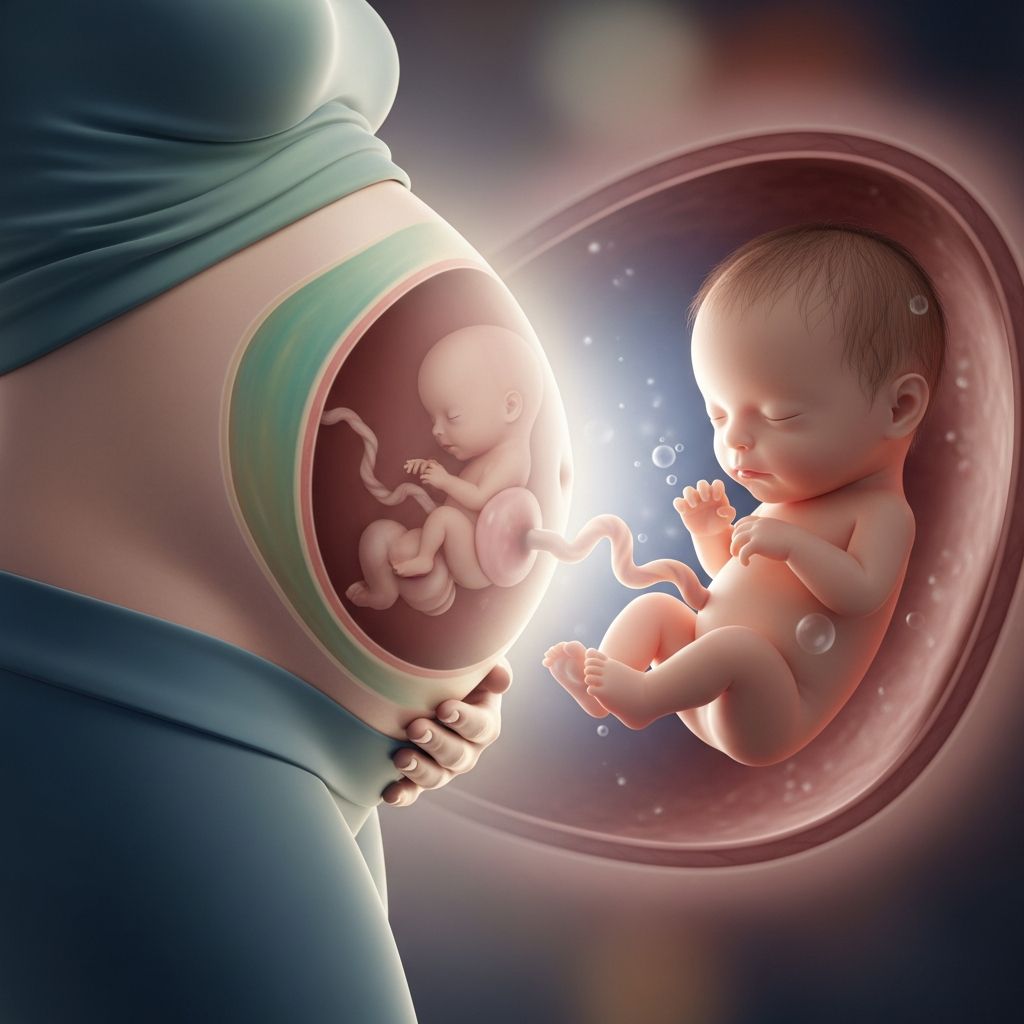
While you experience these physical changes, your baby has grown to approximately 11 to 11.5 inches in length and weighs just over one pound—roughly equivalent to the size of a large mango. Despite this relatively small size, significant developmental milestones are occurring that will prepare your baby for life outside the womb.
Sensory Development and Environmental Awareness
Your baby’s inner ear has developed sufficiently to process sound with greater clarity than in previous weeks. Your baby can now distinguish your voice, musical rhythms, and other familiar sounds from the external environment. Talking, singing, or reading aloud to your baby creates early opportunities for bonding and may contribute to your baby’s ability to recognize your voice after birth.
The development of taste receptors allows your baby to sample the flavors in amniotic fluid, which are influenced by your diet. Exposure to these varied flavors during pregnancy may establish early taste preferences that persist into infancy and childhood.
Respiratory System Development
Your baby’s lungs continue their rapid development during week 23. Branching airways are forming, and tiny blood vessels are developing within the lung tissue. Importantly, your baby is actively practicing breathing movements by inhaling and exhaling amniotic fluid. This rehearsal is crucial preparation for the moment when your baby will take the first breath of air after birth.
While the lungs are not yet fully mature enough for independent breathing outside the womb, these practice sessions establish the neural pathways and muscle coordination necessary for respiration after delivery.
Integumentary System Maturation
Your baby’s skin, while still somewhat translucent, is becoming noticeably thicker and stronger. A creamy, protective substance called vernix caseosa continues to coat the skin, shielding it from the constant exposure to amniotic fluid. This protective coating serves another important function: helping regulate your baby’s body temperature after birth when the external environment is considerably cooler than the womb.
Beneath the developing skin, your baby’s body is depositing pigment that will determine skin tone. Additionally, ridge formations are appearing on the palms and soles of the feet—the beginning stages of fingerprints and footprints that will be uniquely your baby’s.
Neurological and Sleep-Wake Pattern Development
Your baby’s brain continues its rapid growth and development. Importantly, distinct sleep and wake patterns are becoming established. Your baby may demonstrate predictable periods of activity and rest, though these patterns often do not align with your own sleep schedule. This is completely normal and reflects your baby’s independent development of circadian rhythms.
During sleep periods, your baby spends most time in rapid eye movement (REM) sleep, the stage associated with brain development and memory consolidation in infants and children.
Weight Gain and Nutritional Considerations
By week 23, you have likely gained between 12 to 20 pounds, depending on your pre-pregnancy weight and individual metabolic factors. This weight gain comprises your baby’s weight, placental tissue, increased amniotic fluid, enlarged uterus and breasts, additional blood volume, and maternal fat storage that will later support breastfeeding.
Maintaining healthy eating patterns becomes increasingly important at this stage. Rather than focusing on total caloric intake, concentrate on consuming nutrient-dense foods that support both your health and your baby’s development. Eating smaller, frequent meals throughout the day can help manage digestive discomfort while ensuring adequate nutrition.
Priority nutrients during this period include calcium for bone development, iron for expanding blood volume, protein for tissue growth, and omega-3 fatty acids for brain development.
Emotional and Psychological Dimensions
Week 23 often brings an intensified emotional experience. Many expectant mothers report feeling grounded and connected to their pregnancy while simultaneously experiencing vulnerability about the unknowns ahead. Beginning to consider labor, birth, and how your life will change when your baby arrives is a normal and healthy part of preparing for parenthood. These thoughts, while sometimes anxiety-provoking, represent important psychological preparation for the significant transition ahead.
Frequently Asked Questions
Q: Is it concerning if I haven’t felt my baby move yet at 23 weeks?
A: The timing of movement perception varies considerably, particularly for first-time mothers and when the placenta is positioned toward the front of the uterus. Many women don’t feel definitive movements until later in the second trimester. If you have concerns about your baby’s development, discuss them with your healthcare provider rather than relying on movement sensation alone.
Q: What should I do about the swelling in my feet and ankles?
A: Mild swelling is normal and can be managed through elevation, hydration, movement, and compression garments. However, sudden severe swelling, especially with headaches or vision changes, requires immediate medical evaluation as it may indicate a serious pregnancy complication.
Q: Are Braxton Hicks contractions at 23 weeks a sign of preterm labor?
A: Braxton Hicks contractions are practice contractions and typically resolve when you change positions, drink water, or rest. True preterm labor involves regular contractions accompanied by vaginal discharge, bleeding, or severe pain. Contact your healthcare provider if contractions become regular and painful or if you experience other concerning symptoms.
Q: How much weight should I have gained by 23 weeks?
A: Expected weight gain varies based on your pre-pregnancy weight. Generally, women gain 12 to 20 pounds by week 23. Your healthcare provider can discuss whether your individual weight gain is appropriate for your circumstances.
Q: Can I continue exercising at 23 weeks of pregnancy?
A: Yes, most women can continue exercising throughout pregnancy with healthcare provider clearance. Low-impact activities like walking, swimming, prenatal yoga, and modified strength training are generally safe and beneficial for maintaining strength and managing pregnancy-related discomfort.
Q: What should I do if round ligament pain becomes severe?
A: While round ligament pain is normal, severe or persistent pain should be evaluated by your healthcare provider to rule out other complications. In the meantime, moving slowly, supporting your belly, and using heat therapy can provide relief.
References
- Fetal Development: The Second Trimester — Mayo Clinic. 2025. https://www.mayoclinic.org/healthy-lifestyle/pregnancy-week-by-week/in-depth/fetal-development/art-20046151
- 23 Weeks Pregnant: Signs, Symptoms and What to Expect — Perelel Health. 2025. https://perelelhealth.com/blogs/news/23-weeks-pregnant-signs-symptoms-and-what-to-expect
- Second Trimester: 21 to 24 Weeks Pregnant — Kaiser Permanente. 2025. https://healthy.kaiserpermanente.org/health-wellness/maternity/second-trimester/weeks-21-24
- 23 Weeks Pregnant: Feeling Breathless & Other Symptoms — Tommy’s. 2025. https://www.tommys.org/pregnancy-information/im-pregnant/pregnancy-week-by-week/23-weeks-pregnant
- Pregnancy Development in Weeks 23-26 — Gerber. 2025. https://www.gerber.com/parenttalk/weeks-23-26