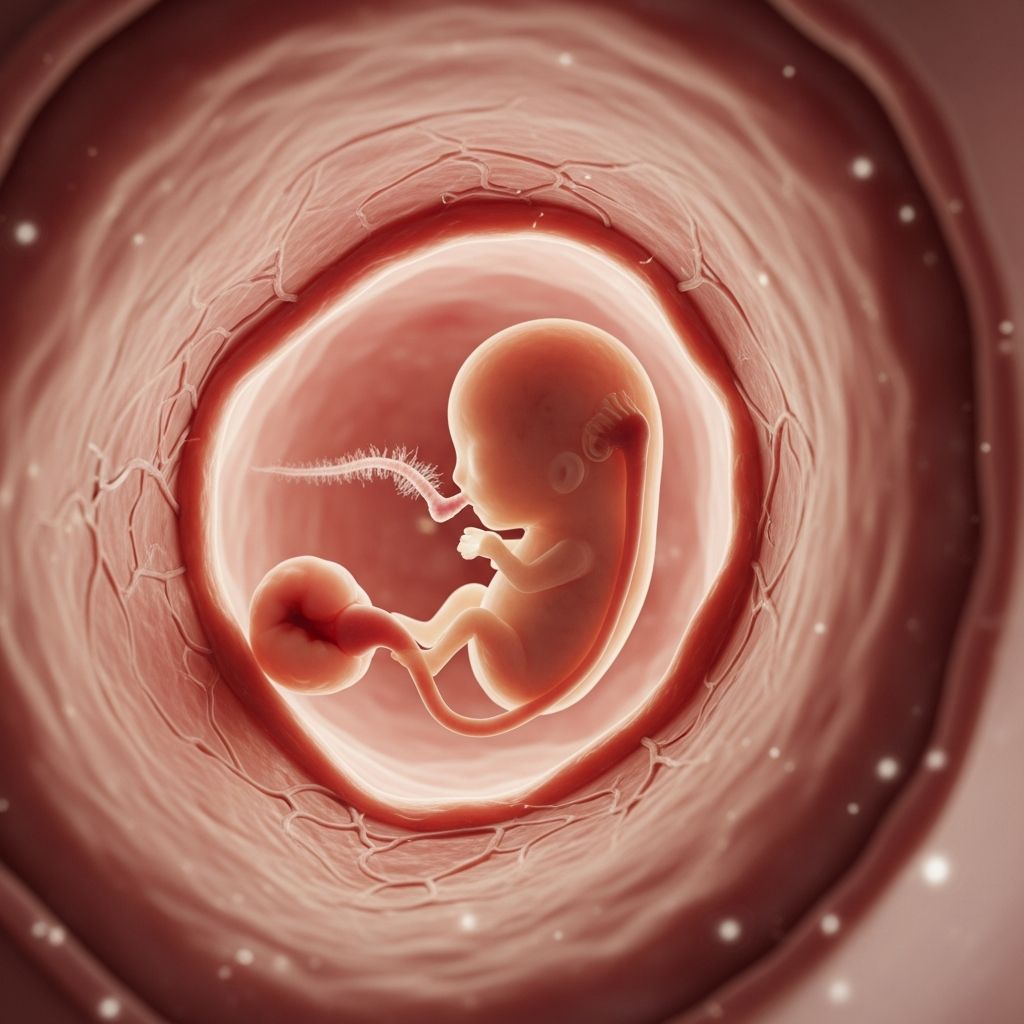
Miscarriage, defined as the spontaneous loss of a pregnancy before 20 weeks, affects 10-20% of known pregnancies, primarily in the first trimester. Understanding its causes, recognizing symptoms early, and knowing recovery steps empowers individuals to seek timely care and plan for the future.
Defining Pregnancy Loss and Its Prevalence
Pregnancy loss before the 20th week is termed miscarriage, while losses after are stillbirths. Most occur in the first 12 weeks, often due to developmental issues undetectable until symptoms appear. Factors like maternal age increase risk, with chromosomal errors rising in eggs from women over 35.
- Early miscarriage: Before 12 weeks, accounting for 80% of cases.
- Late miscarriage: 12-20 weeks, often linked to structural issues.
- Chemical pregnancy: Very early loss detected only by hormone tests.
Globally, this common event does not typically impair future fertility, as most people conceive successfully afterward.
Primary Causes Rooted in Genetics
The leading cause of miscarriage is chromosomal abnormalities, affecting 50-70% of first-trimester losses. These occur randomly when egg and sperm combine, resulting in extra, missing, or malformed chromosomes that prevent normal fetal development.
| Common Chromosomal Issues | Description | Typical Timing |
|---|---|---|
| Trisomy (e.g., Down syndrome-related) | Extra chromosome 21 or others | First trimester |
| Blighted ovum | Empty gestational sac, no embryo | 5-8 weeks |
| Intrauterine fetal demise | Embryo stops developing | Early first trimester |
| Molar pregnancy | Abnormal placental tissue growth | First trimester |
Such anomalies are rarely inherited and increase with parental age.
Maternal Health Factors Contributing to Loss
Beyond genetics, maternal conditions play a role in about 15-20% of cases. Uncontrolled chronic diseases disrupt pregnancy support.
- Hormonal imbalances: Issues like luteal phase defect or polycystic ovary syndrome (PCOS) hinder implantation.
- Diabetes and thyroid disorders: Poorly managed levels affect fetal growth.
- Obesity (BMI ≥30): Elevates risk via inflammation and hormone disruption.
- Autoimmune conditions: Antiphospholipid syndrome or lupus triggers clotting issues.
Infections such as cytomegalovirus (CMV), parvovirus B19, or listeria can cross the placenta, causing harm.
Structural and Anatomical Contributors
Problems in the reproductive tract often lead to second-trimester losses. Uterine fibroids, polyps, or an abnormally shaped uterus impede implantation or growth.
Cervical insufficiency, where the cervix dilates prematurely without contractions, affects 1-2% of pregnancies and is linked to prior surgeries. This allows the fetus to exit too early.
- Fibroids blocking blood flow.
- Septate uterus limiting space.
- Scarring from procedures like D&C.
Lifestyle and Environmental Influences
Modifiable behaviors significantly impact risk. Smoking, alcohol, and drug use introduce toxins that impair development.
- Tobacco: Reduces oxygen to the fetus, doubling miscarriage odds.
- Alcohol/Drugs: Direct teratogens causing anomalies.
- Environmental toxins: Radiation, pesticides, heavy metals like lead.
- High caffeine: Over 200mg daily may elevate risk slightly.
Obesity and severe malnutrition also contribute by altering hormone balance.
Recognizing Early Warning Signs
Many miscarriages pass unnoticed, but symptoms warrant immediate medical attention. Vaginal bleeding is the most common, affecting 25% of pregnancies but resolving in most.
- Bleeding: Light spotting to heavy with clots.
- Cramping: Mild to severe pelvic pain, like strong periods.
- Fluid loss: Watery discharge signaling membrane rupture.
- Tissue passage: Pregnancy sac or gray matter.
- Symptom loss: Nausea, breast tenderness vanishing suddenly.
Absence of fetal heartbeat on ultrasound confirms loss.
Diagnostic Approaches and Confirmation
Healthcare providers use history, exams, and tests for diagnosis.
- Ultrasound: Checks heartbeat and sac development; no heartbeat after 7 weeks indicates loss.
- hCG blood tests: Serial levels should double every 48 hours; stagnation confirms issues.
- Pelvic exam: Assesses cervical dilation.
For recurrent losses (3+), genetic testing or imaging identifies treatable causes.
Treatment Options During and After Miscarriage
Management depends on stage and symptoms. Expectant care allows natural passage in 50-80% of early cases within 2 weeks.
| Method | Description | Pros/Cons |
|---|---|---|
| Expectant (Watchful Waiting) | Body expels tissue naturally | Non-invasive; may take time, risk infection |
| Medication (Misoprostol) | Induces cramping/expulsion | Outpatient; bleeding 1-2 weeks, nausea side effects |
| Surgical (D&C) | Scrapes uterus under anesthesia | Quick, complete; surgical risks low |
Follow-up ensures complete evacuation to prevent complications like infection or Asherman’s syndrome.
Physical Recovery Timeline and Care
Bleeding lasts 1-2 weeks, like a heavy period; hCG normalizes in 4-6 weeks. Ovulation resumes in 2 weeks, enabling conception soon after.
- Rest, hydration, avoid tampons/intercourse until cleared.
- Watch for fever, foul discharge signaling infection.
- Resume exercise gradually after bleeding stops.
Most heal physically within a month.
Emotional Healing and Grief Support
Grief manifests as sadness, guilt, or anger; 20-50% experience depression. Acknowledge loss—name the baby, join support groups.
- Talk to partners, counselors, or hotlines like Share Pregnancy & Infant Loss Support.
- Self-care: Journaling, therapy, gentle activities.
- Future planning reduces anxiety.
Planning for Future Pregnancies
85-90% succeed next pregnancy; wait one cycle emotionally, but physically sooner if desired. Preconception care optimizes chances:
- Manage health conditions (e.g., progesterone for insufficiency).
- Lifestyle: Quit smoking, balanced diet, folic acid.
- Screen for recurrent risks: Blood tests, hysteroscopy.
Early prenatal care monitors high-risk cases.
Frequently Asked Questions (FAQs)
Can stress cause miscarriage?
No direct causation, but chronic stress may indirectly affect health. Most losses are unavoidable genetic events.
Is bed rest effective after bleeding?
Not proven to prevent loss; consult a doctor for personalized advice.
How soon can I try again after miscarriage?
Physically after one normal cycle; emotionally when ready. Success rates high.
Does one miscarriage mean infertility?
No, isolated events rarely indicate issues. Recurrent (3+) warrants evaluation.
What if I have recurrent miscarriages?
Investigate genetics, clotting, uterine issues. Treatments like aspirin or cerclage help many.
References
- Miscarriage: MedlinePlus Medical Encyclopedia — MedlinePlus. 2023. https://medlineplus.gov/ency/article/001488.htm
- Miscarriage Causes, Symptoms, and Treatments — UPMC. 2024. https://www.upmc.com/services/womens-health/conditions/miscarriage
- Miscarriage: Symptoms and Causes — Tampa General Hospital. 2023. https://www.tgh.org/institutes-and-services/conditions/miscarriage
- Causes of Miscarriage: List of Possible Causes — Ada Health. 2024. https://ada.com/causes-of-miscarriage/
- Miscarriage – Symptoms and causes — Mayo Clinic. 2025-01-10. https://www.mayoclinic.org/diseases-conditions/pregnancy-loss-miscarriage/symptoms-causes/syc-20354298
- Causes: Miscarriage — NHS. 2024. https://www.nhs.uk/conditions/miscarriage/causes/
- Early Pregnancy Loss — ACOG. 2023. https://www.acog.org/womens-health/faqs/early-pregnancy-loss
- Early Pregnancy Loss (Spontaneous Abortion) — NCBI StatPearls. 2024-08-11. https://www.ncbi.nlm.nih.gov/books/NBK560521/