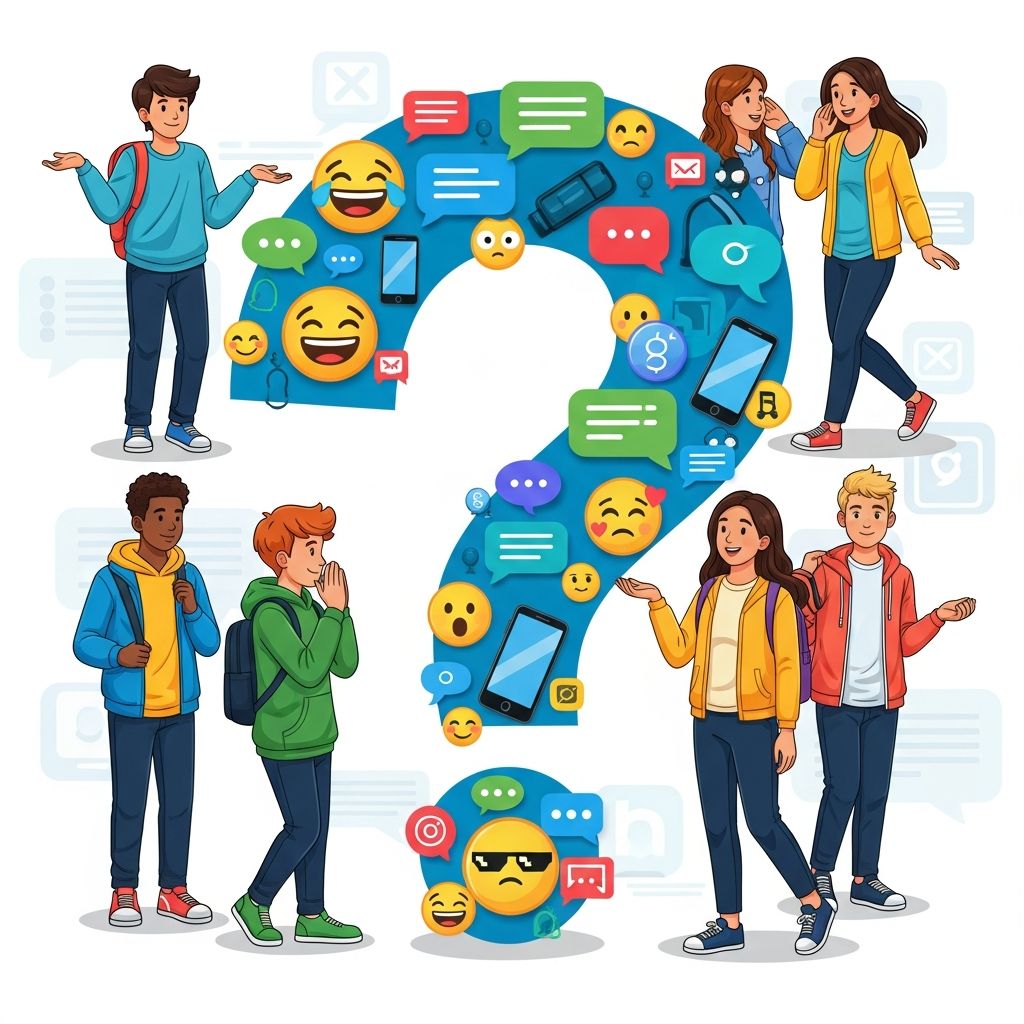
In the fast-paced world of 2026, children’s language evolves quicker than ever, fueled by social media, music, and online communities. Terms like ‘get sendy’—a phrase signaling wild, uninhibited fun—have parents scratching their heads. This guide breaks down this and other popular slang, offering origins, real-life examples, and strategies for parents to join the conversation without missing a beat.
Understanding ‘Get Sendy’ in Modern Kid Culture
‘Get sendy’ captures the essence of youthful exuberance, urging someone to let loose and embrace high-energy antics. Picture a group of kids at a playground or party, chanting it to amp up the vibe. Rooted in skateboarding and extreme sports lingo from the early 2020s, it migrated to mainstream youth speech via TikTok challenges and viral videos. Unlike formal language, this slang thrives on brevity and excitement, helping kids express freedom in a structured world.
Why does it matter? Slang like this strengthens peer bonds and reflects cultural shifts. For parents, grasping it prevents awkward miscommunications—imagine responding literally to a ‘get sendy’ invitation! Instead, use it to show you’re tuned in, fostering trust and openness.
Origins and Rise of Youth Slang in 2026
Today’s kid slang draws heavily from digital spaces. Platforms like TikTok and Instagram propel terms from niche communities to global trends overnight. Gaming culture contributes phrases like ‘touch grass,’ while music videos introduce rhythmic gems such as ‘6-7’. Gen Alpha, born into this hyper-connected era, blends these with absurd humor from shows like Skibidi Toilet.
Historically, slang has always marked generational divides—think ‘groovy’ in the 1960s—but 2026’s version accelerates via algorithms. Parents overhearing ‘aura farming’ at dinner might wonder if it’s a new game; it’s actually curating cool vibes for social clout. Recognizing patterns helps demystify it all.
Key Slang Terms Every Parent Needs to Know
Here’s a curated list of 2026’s hottest terms, complete with meanings and usage. We’ve organized them into categories for easy reference.
Energy and Vibe Boosters
- Get Sendy: Go all out with wild energy, like dancing crazily or attempting tricks. Example: ‘Let’s get sendy at recess!’
- 6-7 (Six-Seven): A versatile affirmation or hype chant from rapper Skrilla’s hit, meaning everything’s good or let’s go. Example: Kid: ‘Homework done?’ Parent: ‘6-7!’
- Aura Farming: Crafting cool moments or looks to boost your personal vibe or ‘aura.’ Example: Posting a stylish outfit pic to gain likes.
Appearance and Swagger Words
- Mog: To outshine someone in looks or presence. Example: ‘She mogged the whole class with her new fit.’
- Drip: Stylish clothing or swagger. Example: ‘Your sneakers have mad drip!’
- Looksmaxxing: Maximizing appearance through grooming, fitness, or style tweaks.
Online and Mindset Slang
- Brain Rot: Overconsumption of low-quality online content leading to foggy thinking.
- Touch Grass: Advice to log off and experience real life, from gaming origins.
- Delulu: Delusional, often about unrealistic crushes or dreams.
- Rage Bait: Content designed to provoke angry reactions for engagement.
These terms pop up in texts, school chats, and family dinners. A table below compares old vs. new slang for context:
| Classic Slang | 2026 Equivalent | Meaning Shift |
|---|---|---|
| Cool | Fire/Snatched | From mild approval to high praise |
| Lame | Cheugy | Outdated or try-hard |
| Chill | Vibing | Relaxed energy, now more immersive |
How Slang Shapes Kids’ Social Worlds
Slang isn’t just words; it’s a social currency. For Gen Z and Alpha, deploying ‘unc’ (cool uncle figure or relatable vibe) or ‘sigma’ (independent lone wolf) signals belonging. It builds resilience against adult authority while navigating peer pressure.
Psychological insights reveal slang aids identity formation. According to child development experts, playful language boosts creativity and emotional expression (American Academy of Pediatrics, 2025 report on digital youth culture, https://www.aap.org/en/patient-care/media-and-children/center-of-excellence-on-social-media-and-youth-mental-health/social-media-2025-trends/). Parents engaging with it report stronger bonds—kids open up more when feeling understood.
However, pitfalls exist: ‘Rage bait’ can fuel toxicity, and misusing terms risks cringe status. Monitor without hovering; context is king.
Parenting Strategies: Talk the Talk Without Faking It
1. **Listen Actively**: Note phrases in context. Ask open questions: ‘What’s aura farming mean to you?’
2. **Practice Lightly**: Sprinkle in terms naturally. ‘That dinner was fire!’ Avoid overdoing it—authenticity matters.
3. **Use Tools**: Apps like Bark decode texts ethically. Discuss online safety alongside slang.
4. **Family Challenges**: Host ‘slang nights’ where everyone teaches a term. Turn it into a game.
5. **Stay Updated**: Follow kid-friendly TikTok accounts or read annual guides. Balance with offline activities to counter ‘touch grass’ moments.
These steps transform slang from barrier to bridge, enhancing family dynamics in our digital age.
Potential Red Flags in Slang Usage
Most slang is harmless fun, but watch for extremes. Terms like ‘simp’ (overly desperate) might hint at low self-esteem. Heavy ‘brain rot’ references could signal excessive screen time (CDC Youth Risk Behavior Survey, 2025, https://www.cdc.gov/healthyyouth/data/yrbs/yrbs_data_summary_and_trends.htm). ‘GYATT’ or ‘thicc’ often objectify, warranting body-positive talks.
Open dialogues prevent issues. If slang veils bullying or risky behavior, intervene calmly with resources like the National PTA’s digital citizenship guide (https://www.pta.org/home/Digital-Citizenship-Resources, updated 2026).
Frequently Asked Questions (FAQs)
What does ‘get sendy’ exactly mean for kids?
It means ramping up to full energetic, carefree mode—think spontaneous fun or bold moves.
Is ‘Skibidi’ still a thing in 2026?
Yes, referencing the quirky YouTube series, now shorthand for absurd chaos.
How can parents learn slang without seeming try-hard?
Observe casually, ask kids to explain, and use sparingly for genuine moments.
Does slang indicate bad influences?
Rarely—it’s mostly playful. Context and behavior changes are better indicators.
What’s the next big slang trend?
Watch gaming and music crossovers like ‘low taper fade’ memes.
Embracing the Lingo for Deeper Connections
Mastering ‘get sendy’ and kin opens doors to your child’s world. In 2026, where digital fluency equals emotional intelligence, savvy parents thrive by adapting. Celebrate the creativity; it echoes your own youthful rebellions. Keep conversations flowing, and you’ll not just understand slang—you’ll share in the joy it sparks.
References
- 2026 kids and teens slang guide: 7 words every parent should know — Manila Bulletin/Jane Kingsu-Cheng. 2026-01-03. https://mb.com.ph/2026/01/03/2026-kids-and-teens-slang-guide-7-words-every-parent-should-know
- 47 Gen Z Slang Words To Glow Up Your Rizz in 2026 — Classpop. 2026. https://www.classpop.com/magazine/gen-z-slang
- What are your kids saying on the internet: Your guide to current internet slang — Boston 25 News. 2025. https://www.boston25news.com/news/what-are-your-kids-saying-internet-your-guide-current-internet-slang/6YPGTR3ZJVNXPLMW7EP2VDH6FM/
- 2026 Teen Slang Meanings Every Parent Should Know — Bark. 2026. https://www.bark.us/blog/teen-text-speak-codes-every-parent-should-know/
- 2026 Teen Slang Dictionary: Decode Gen Z Lingo — Gabb. 2026. https://gabb.com/blog/teen-slang/
- Social Media and Youth Mental Health: 2025 Trends — American Academy of Pediatrics. 2025. https://www.aap.org/en/patient-care/media-and-children/center-of-excellence-on-social-media-and-youth-mental-health/social-media-2025-trends/
- Youth Risk Behavior Survey Data Summary and Trends — CDC. 2025. https://www.cdc.gov/healthyyouth/data/yrbs/yrbs_data_summary_and_trends.htm