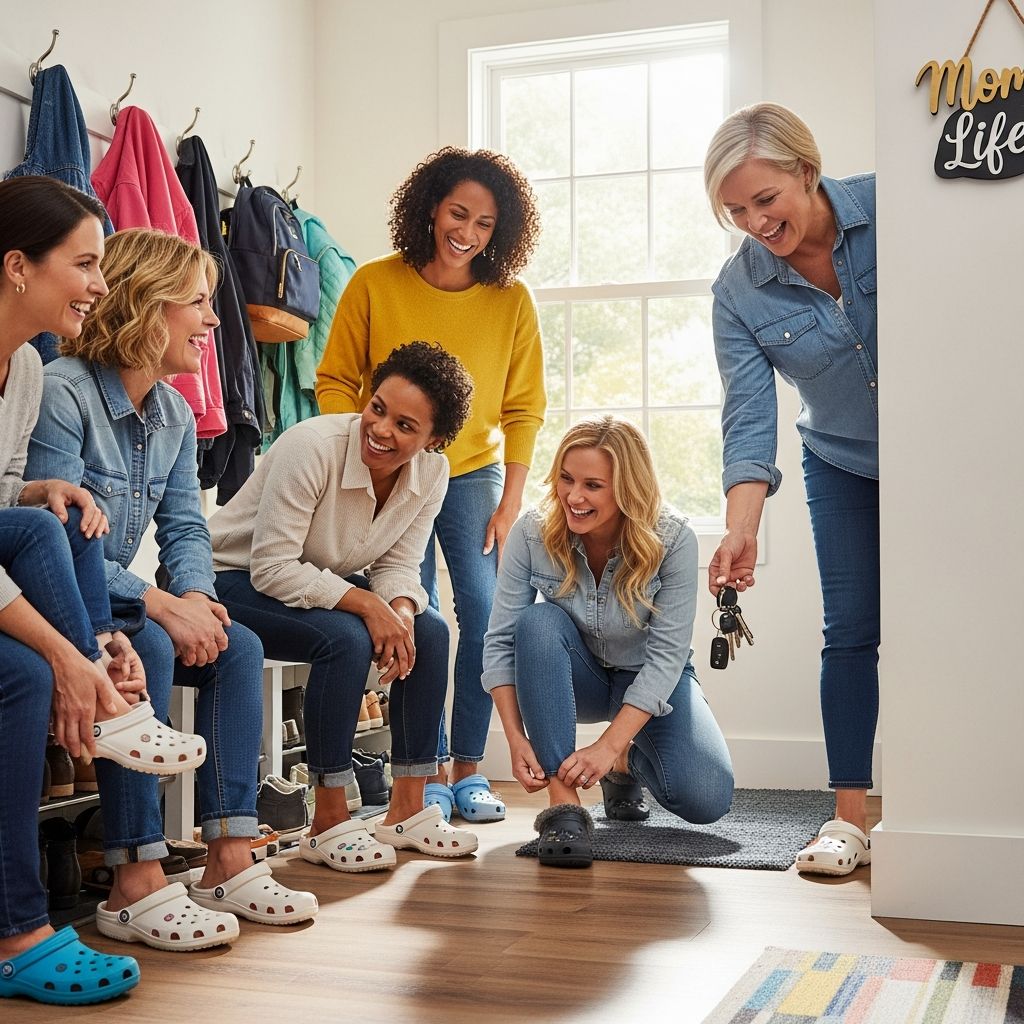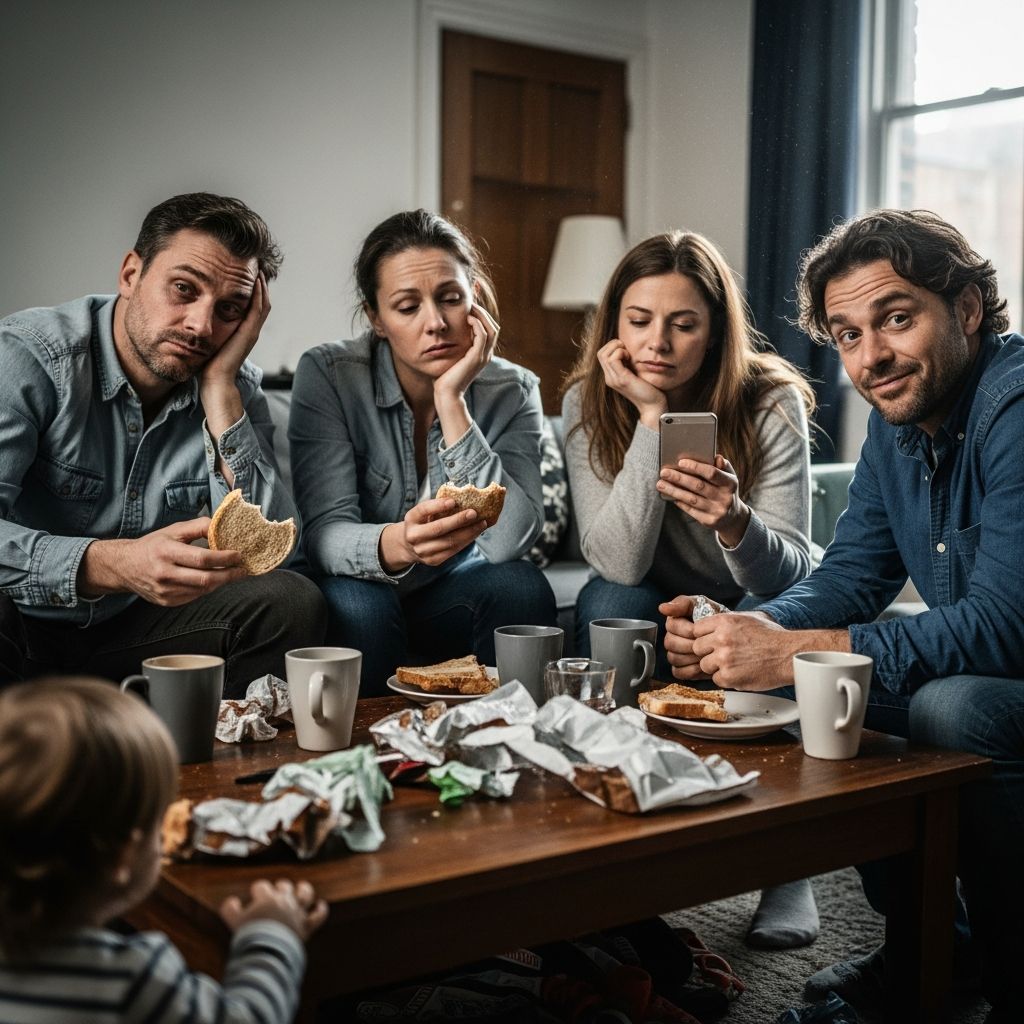
In 2026, a noticeable transformation is underway in how families approach child-rearing. Parents, particularly from Generation Z and younger Millennials, are moving away from idealized, Instagram-curated visions of family life toward more grounded, sustainable practices. This shift emphasizes practicality, emotional authenticity, and collective responsibility, allowing caregivers to foster resilient children without sacrificing their own mental health.
The Rise of Practical Parenting Philosophies
One of the most prominent changes is the evolution from rigid parenting doctrines to flexible, hybrid models. Gone are the days of strictly adhering to ‘gentle parenting,’ which some interpreted as avoiding any form of discipline to spare children’s feelings. Instead, parents are adopting what experts call ‘Authoritative 2.0’—a blend of empathy, warmth, and firm boundaries.
This approach recognizes that children thrive when parents act as secure leaders rather than perpetual best friends. Research from the American Academy of Pediatrics supports this, showing that children in authoritative environments exhibit superior emotional regulation, self-esteem, and social competence compared to those in permissive or authoritarian settings. Parents report less burnout, as they no longer feel guilty for saying ‘no’ or enforcing limits.
- Key Benefits of Hybrid Styles: Reduced parental exhaustion, better child self-regulation, and stronger family bonds through consistent expectations.
- Real-World Application: During tantrums, empathetic validation (‘I see you’re upset’) pairs with clear directives (‘but we don’t hit’), teaching emotional intelligence alongside accountability.
Gen Z parents, now entering parenthood en masse, lead this charge. Surveys indicate fewer than 40% strictly follow gentle parenting, opting instead for decisions that prioritize long-term growth over immediate harmony.
Rejecting Overstimulation for Analog Childhoods
Another cornerstone of 2026 trends is the ‘Analog Childhood’ movement, which counters digital overload with intentional simplicity. Parents are curating environments rich in unplugged play, recognizing that constant stimulation hinders creativity and problem-solving skills.
Activities like open-ended play with everyday items—blocks, fabric scraps, or cardboard—encourage imagination without screens. Intentional boredom is celebrated as a catalyst for innovation, a concept backed by developmental psychology. Experts note that millennial parents may have over-scheduled, but Gen Z is course-correcting by reclaiming unstructured time.
| Outdated High-Stim Practices | 2026 Analog Alternatives |
|---|---|
| High-energy digital cartoons | Slow-paced nature stories or audiobooks |
| Back-to-back scheduled activities | Free play in nature or home with loose parts |
| Constant tech entertainment | Family board games or outdoor exploration |
This low-stimulation ethos extends to content choices, favoring calm narratives over frenetic animations, promoting deeper focus and relaxation.
Shared Loads and Split-Shift Strategies
The myth of the solo ‘super-parent’ is crumbling, replaced by ‘radical delegation’ and split-shift parenting. Families are dividing responsibilities equitably—one partner handles kids while the other rests, works, or self-cares—ensuring everyone recharges.
For instance, weekend mornings might alternate: one sleeps in while the other manages breakfast and play. With infants, this includes tag-teaming night feeds. This model prevents resentment and models healthy boundaries for children. Communities online share success stories, like trading afternoon family time for personal mornings, boosting overall harmony.
- Practical Tips for Implementation: Communicate openly about needs, start small with one shift per week, and adjust based on family dynamics.
Healing Cycles and Prioritizing Mental Health
Modern parents are confronting intergenerational patterns, committing to break harmful cycles from their own upbringings. This involves less phone use during key interactions, open emotional discussions, and ditching rigid gender roles.
Therapists like Kim Vander Dussen highlight a cultural pivot from ‘Instagram parenting’ to authenticity, where ‘it’s okay to not be okay’ normalizes vulnerability. Parents aim for presence—uninterrupted attention post-nap or evenings—fostering secure attachments.
Self-regulation is key: Vivian Meraki of Unshakeable Parenting advocates shifting from behavior control to co-regulation, where parents model calm to teach kids emotional tools.
Tech’s Dual Role: Ally, Not Overlord
Technology isn’t vilified but used mindfully. AI streamlines routines—meal planning, reminders—freeing energy for presence, while strict limits on kids’ screens combat overstimulation.
Parents leverage apps for efficiency but prioritize real-world skills like chores and decision-making, raising capable kids over trendy bedroom aesthetics or complex reward charts.
Protecting Privacy in the Digital Age
‘Sharenting’—oversharing kids’ lives online—is fading as privacy becomes paramount. With social media natives voicing regrets over archived childhoods, parents safeguard milestones from public scrutiny.
This protects mental health and teaches digital boundaries early, aligning with broader trends toward realism over virality.
Building the Village: Community and Delegation
No one parents alone in 2026. The ‘Village Strategy’ encourages outsourcing—hired help for chores or childcare—as a strength, not weakness. Enrollment in excessive activities drops, freeing evenings for dinners and connection.
This sustains regulated parents, who in turn nurture regulated children, creating ripple effects of well-being.
Frequently Asked Questions
What is hybrid parenting, and why is it trending in 2026?
Hybrid parenting combines empathy with firm boundaries, differing from permissive styles by promoting self-regulation and reducing burnout. It’s popular for its evidence-based outcomes in child development.
How can I introduce split-shift parenting?
Start by alternating solo time weekly, like morning rests, then scale to overnights. Open dialogue ensures fairness and prevents overload.
Why prioritize analog play over screens?
Analog activities foster creativity through boredom and imagination, countering overstimulation’s toll on attention and emotional growth.
Is it okay to hire help for household tasks?
Absolutely—radical delegation supports parental sustainability, modeling teamwork and preventing exhaustion.
How do I break harmful family cycles?
Reflect on patterns, prioritize presence over devices, discuss emotions openly, and seek therapy if needed for intergenerational healing.
References
- 6 Parenting Trends to Keep on Your Radar in 2026 — The Bump. 2026-01-01. https://www.thebump.com/a/rising-parenting-trends
- Parenting Trends 2026: What’s in and what’s out — Call Emmy. 2026-01-01. https://callemmy.com/parenting-trends-2026-3-trends-were-embracing-and-3-were-retiring-this-year/
- Parenting trends for 2026 — CHCH News (YouTube). 2026-01-06. https://www.youtube.com/watch?v=ivM3eZ-kPdo
- 2026 Parenting Trends We’re Excited to Embrace This Year — The Everymom. 2026-01-01. https://theeverymom.com/parenting-trends/
- 11 Parenting Trends Millennials Are Ditching In 2026 — Scary Mommy. 2026-01-01. https://www.scarymommy.com/parenting/parenting-trends-millennials-are-ditching-in-2026