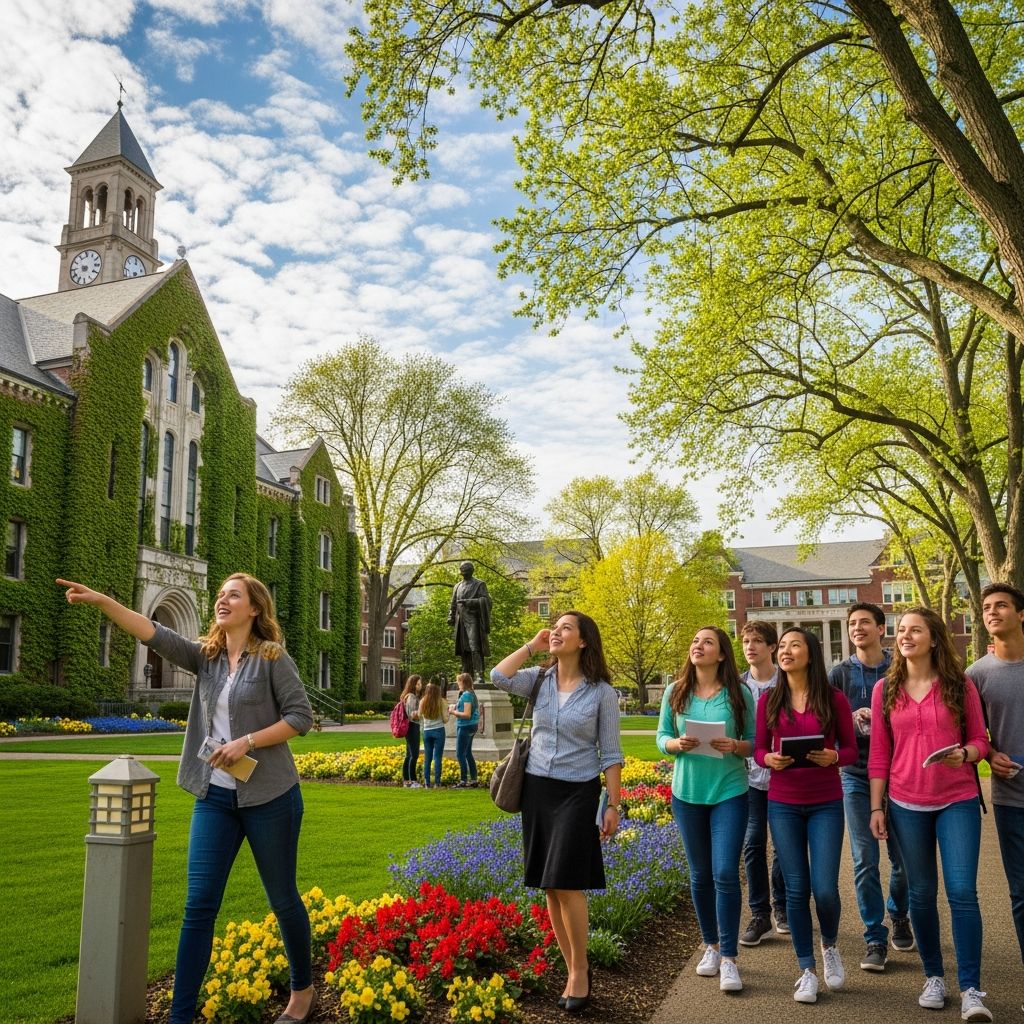
Embarking on the journey to higher education requires careful planning, from exploring campuses to submitting polished applications. This guide equips students and families with actionable strategies to navigate the 2026 admissions landscape effectively.
Why Campus Exploration Matters
Visiting potential colleges helps you gauge fit beyond rankings and brochures. In-person or virtual tours reveal daily life, facilities, and community vibe, influencing your final choices.
- Academic Environment: Observe classrooms, labs, and libraries to assess resources for your major.
- Social Atmosphere: Interact with students to understand extracurriculars and diversity.
- Practical Details: Evaluate dorms, dining halls, and transportation options.
Start early in junior year to align visits with academic calendars, avoiding exam periods for authentic insights.
Types of College Visits and How to Schedule Them
Diverse visit formats cater to different schedules and preferences. Official tours led by admissions staff provide structured overviews, while self-guided options offer flexibility.
| Visit Type | Duration | Best For |
|---|---|---|
| Official Tour | 1-2 hours | Overview of key spots |
| Virtual Tour | 30-60 min | Remote exploration |
| Overnight Stay | 1 night | Immersion in student life |
| Info Session | 45 min | Admissions details |
Schedule via college websites or Common App profiles, which detail testing requirements, deadlines, and visit calendars. Book 2-4 weeks ahead, especially for popular dates.
Building a Strategic College List
A balanced list of 8-12 schools maximizes options while focusing efforts. Categorize into reach, match, and safety based on GPA, test scores, and extracurriculars.
- Reach Schools (2-3): Competitive institutions where admission is challenging but possible.
- Match Schools (4-6): Strong alignment with your profile and interests.
- Safety Schools (2-3): High acceptance likelihood with desired programs.
Use tools like BigFuture to evaluate fit by size, location, cost, and majors. Incorporate financial viability and support services early. Attend fairs and webinars to refine preferences.
Timeline for College Preparation
A structured timeline prevents overload. Freshmen and sophomores focus on academics and activities; juniors research and visit; seniors apply.
- 9th-10th Grade: Maintain GPA, join clubs, explore interests.
- 11th Grade Summer: Finalize list, prep tests, draft essays.
- Fall Senior Year: Submit Early Action/Decision by November.
- Winter: Regular Decision by January, FAFSA filing.
Key 2026 deadlines: FAFSA opens October 1; Early deadlines November 1-15; Regular January 1-15.
Mastering the Application Process
Most applications go through Common App, streamlining submissions to 900+ schools. Create an account early to track progress.
Core Components:
- Transcripts sent directly from school.
- 2-3 recommendation letters from teachers who know your work ethic.
- Personal essay (650 words max) showcasing voice and growth.
- Test scores if not test-optional; check policies per school.
Supplemental essays require personalization—tailor to each college’s prompts. For arts majors, prepare portfolios or audition schedules.
Financial Aid and Scholarships Essentials
Aid bridges affordability gaps. File FAFSA immediately upon opening for federal grants, loans, and work-study. Some schools require CSS Profile for institutional aid.
- Prioritize deadlines to maximize packages.
- Explore merit scholarships via college sites and Fastweb.
- Appeal awards if circumstances change.
Understand net price calculators for realistic costs.
Interviews and Demonstrated Interest
Optional interviews signal enthusiasm. Prepare questions on programs and support. Virtual formats are common.
Track demonstrated interest through visits, emails, and events—many schools factor it into decisions.
Post-Submission Steps
Confirm receipt, update with new achievements. Compare offers by April 1; commit by May 1. Defer or gap year if needed.
Frequently Asked Questions
What if a school requires test scores?
Submit SAT/ACT via official portals if mandated; otherwise, highlight strengths elsewhere.
How many recommendations are typical?
Usually 2 teachers plus optional counselor or mentor letter.
Can I apply Early Decision to multiple schools?
No—it’s binding; Early Action allows non-binding multiples.
When to start FAFSA?
As soon as October 1 opens, before college priorities.
Ideal number of applications?
6-10 balanced schools for optimal results.
Transitioning to College Life
Prepare for independence: manage time, finances, health. Attend orientation, connect with peers early.
Dual enrollment or AP courses build readiness and credits. NACAC resources guide mindset and transitions.
References
- The Ultimate College Application Checklist (2026 Edition) — Colleges of Distinction. 2025-10-01. https://collegesofdistinction.com/advice/college-application-checklist/
- NACAC’s Guide to the College Admission Process — National Association for College Admission Counseling. 2025. https://www.nacacnet.org/nacacs-guide-to-the-college-admission-process/
- Ultimate College Guide 2026: Navigating Readiness, Applications and Transitions — College Shortcuts. 2025. https://collegeshortcuts.com/blog/ultimate-college-guide-2026-navigating-readiness-applications-and-transitions
- Application Guide for First-Year Students — Common App. 2025. https://www.commonapp.org/apply/first-year-students