Understanding Nosebleeds in Children: A Parent’s Guide
Nosebleeds are among the most common concerns that prompt parents to seek medical information, particularly when their children reach the preschool and early school-age years. Despite their alarming appearance and the anxiety they may cause, the vast majority of childhood nosebleeds are entirely benign and resolve without medical intervention. A nosebleed, medically termed epistaxis, occurs when a small blood vessel within the nasal passages ruptures, causing blood to drain from one or both nostrils. Understanding the mechanics behind these incidents and knowing how to respond appropriately can help parents feel more confident and prepared when their child experiences this common condition.
The Nasal Structure and Why Children Are Prone to Bleeding
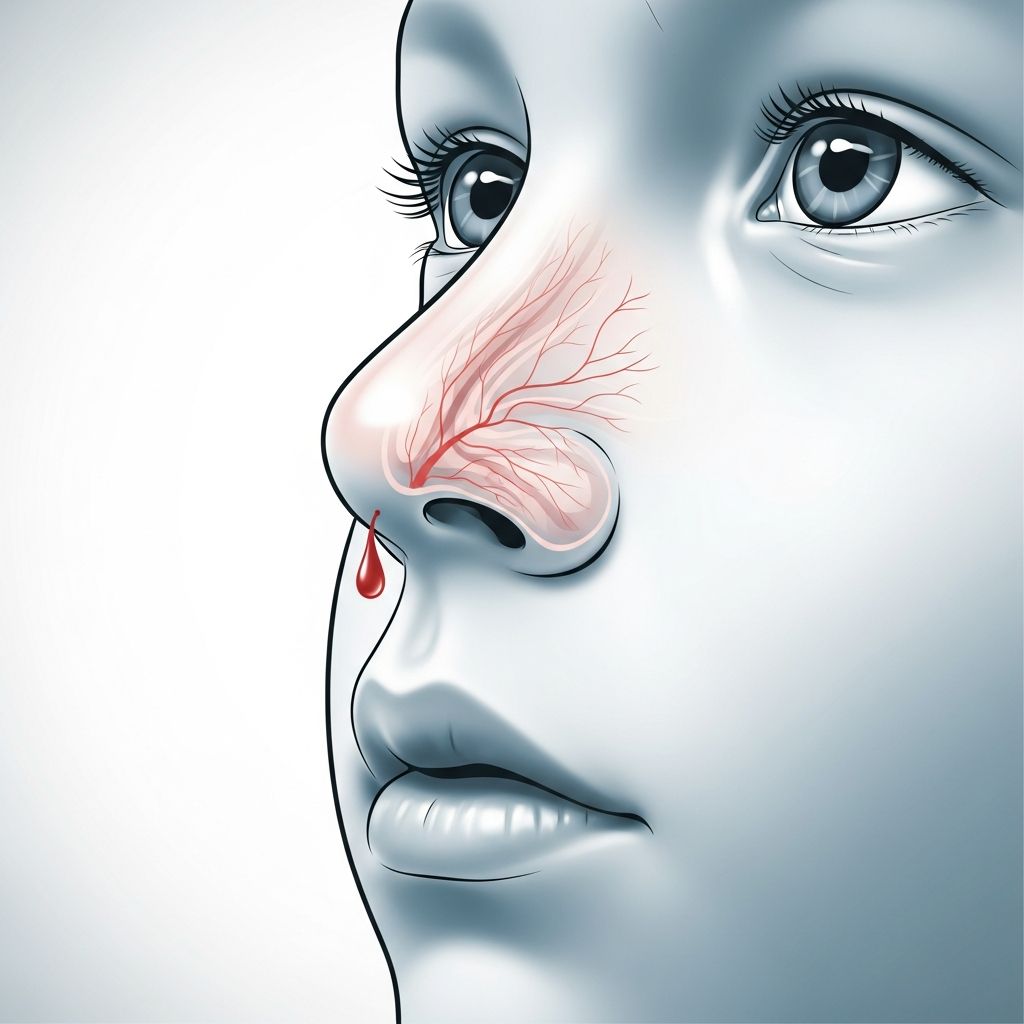
The interior of the nose contains a delicate network of tiny blood vessels that supply oxygen and nutrients to the tissues lining the nasal cavity. These vessels are situated close to the surface of the mucous membranes, making them vulnerable to disruption from even minor trauma. Children’s noses are particularly susceptible to bleeding because the blood vessels are especially fragile and the protective mucous membrane lining is thinner and more easily irritated than in adults. The front portion of the nasal septum—the wall dividing the two nasal passages—contains a particularly rich concentration of blood vessels in an area known as Kiesselbach’s plexus, which is why most childhood nosebleeds originate from this location and typically affect only one nostril.
Common Triggers and Environmental Factors
While nosebleeds can sometimes appear without warning, many are preceded by identifiable triggers. Understanding these causes helps parents recognize patterns and take preventive measures.
Mechanical Trauma and Self-Inflicted Injury
The most frequently documented cause of childhood nosebleeds is direct manipulation of the nasal passages. Children naturally explore their bodies, and the nose presents an easily accessible target for curious fingers. Picking at the nose, vigorous rubbing, or inserting small objects can damage the delicate blood vessel walls and trigger bleeding. Additionally, blowing the nose with excessive force—whether from congestion or habit—can rupture blood vessels. Even seemingly minor accidents, such as bumping the nose against a toy or during play, can initiate a nosebleed that may seem disproportionate to the apparent injury.
Environmental Dryness and Climate Conditions
Dry air ranks among the leading environmental factors contributing to nosebleeds in children. During winter months, heating systems warm homes while simultaneously removing moisture from the air, causing the nasal mucous membranes to become dry and brittle. This desiccation creates microscopic cracks in the tissue surface, which may then crust over and become itchy, setting up a cycle of picking and bleeding. Children living in naturally arid climates face similar challenges year-round. The combination of dry environmental conditions with winter heating can create an especially problematic situation for susceptible children.
Respiratory Infections and Allergic Conditions
Common colds inflame and irritate the nasal tissues, increasing blood vessel fragility and promoting bleeding, particularly with repeated nose-blowing. Allergies produce similar effects through their inflammatory response, causing swelling and irritation of nasal membranes. Ironically, medications used to treat allergies—such as antihistamines and decongestants—can paradoxically contribute to nosebleeds by further drying the nasal passages while providing symptom relief. Over-the-counter pain relievers like ibuprofen may also increase bleeding risk by affecting blood clotting mechanisms.
Less Common Medical Factors
While unusual in children, certain anatomical abnormalities can predispose to recurrent nosebleeds. These include abnormal tissue growth such as nasal polyps, structural deformities affecting airflow, or blood clotting disorders. Children with hemophilia or other coagulation disorders may experience more frequent or severe nosebleeds. Exposure to irritating environmental substances such as cigarette smoke, chemical fumes from cleaning products, or other airborne irritants can chronically inflame nasal tissues and increase bleeding frequency.
Recognizing When Your Child Has a Nosebleed
Most nosebleeds present with obvious signs: blood draining from one or both nostrils, either during waking hours or sometimes first noticed upon waking from sleep. The bleeding may range from a light trickle to a more substantial flow, depending on which blood vessels have ruptured and the child’s individual clotting ability. Many nosebleeds are painless, though children may experience discomfort if the bleeding resulted from an injury or if inflamed tissue is present. Some children report a sensation of blood trickling down the back of the throat, particularly with posterior nosebleeds originating higher in the nasal cavity.
Immediate Response and First Aid Management
When a nosebleed occurs, the most important initial step is to remain calm and project confidence to your child, as parental anxiety can intensify the child’s fear and make the situation more difficult to manage.
Step-by-Step Treatment Protocol
- Positioning: Have your child sit upright rather than lying down, and tilt their head slightly forward. This position prevents blood from flowing down the throat and allows you to observe the bleeding clearly.
- Nasal Compression: Using your thumb and index finger, gently squeeze the soft, lower portion of the nose against the center dividing wall (septum). Maintain steady, even pressure for a full ten minutes without interruption to check for stopping. This continuous pressure allows clotting mechanisms to form effectively.
- Breathing Technique: Instruct your child to breathe through their mouth while you apply pressure, as this prevents air from disturbing the forming clot.
- Cold Application: Apply a cold compress to the bridge or sides of the nose to promote vasoconstriction and reduce bleeding. Avoid inserting tissues or gauze directly into the nostrils, as removal may disrupt any clots that have begun forming.
- Post-Bleeding Care: After bleeding has stopped, encourage your child to avoid nose-picking, vigorous nose-blowing, and strenuous activity for several hours to allow the clot to stabilize.
When to Seek Medical Attention
While most nosebleeds resolve within five to ten minutes with home care, parents should contact a healthcare provider if bleeding persists beyond fifteen to twenty minutes despite proper pressure application, if the child experiences difficulty breathing, if the nosebleed followed a significant facial injury, or if nosebleeds occur with increasing frequency or severity.
Prevention Strategies for Recurrent Nosebleeds
Children who experience frequent nosebleeds benefit from a comprehensive prevention approach targeting multiple contributing factors.
Humidity Management and Environmental Control
Maintaining adequate indoor humidity levels proves essential for children prone to nosebleeds. Using a cool-mist humidifier, particularly in the child’s bedroom during sleeping hours, helps prevent nasal membrane desiccation. Humidifiers should be cleaned regularly to prevent bacterial or fungal growth. In homes with forced-air heating systems, running the humidifier during winter months can significantly reduce nosebleed frequency. Additionally, avoiding exposure to secondhand smoke and chemical irritants protects nasal tissues from inflammatory damage.
Topical Protective Measures
Applying a thin layer of petroleum jelly inside each nostril several times daily creates a protective barrier that prevents moisture loss from delicate tissues. For children with persistent nasal dryness despite humidifier use, saline nasal drops or sprays provide additional moisture and can be used as directed by a pediatrician. These interventions prove particularly valuable during winter months or in naturally arid climates.
Behavioral Modification
Teaching children not to pick their noses, pick at scabs, or blow forcefully requires patience and consistent reinforcement. Some children respond well to age-appropriate explanations about protecting the delicate blood vessels inside their noses. Keeping fingernails trimmed short reduces the damage potential from unconscious nose-picking during sleep. For children with allergies, addressing the underlying condition through appropriate medical management reduces the irritation and itching that prompt nose-picking.
Medical Treatment for Chronic Nosebleeds
Children experiencing very frequent nosebleeds—multiple incidents per week or daily episodes—may benefit from professional evaluation. A pediatrician or ear, nose, and throat specialist can identify whether a specific blood vessel or area of tissue is responsible for the bleeds. If a problem vessel is identified, the healthcare provider may cauterize (seal) it using a chemical substance such as silver nitrate, permanently stopping bleeds from that location. This minimally invasive procedure provides lasting relief for children with identified bleeding points.
Age-Related Patterns and Expectations
Nosebleeds are particularly common in children between three and ten years of age, reflecting their developmental stage, increased physical activity levels, and developing self-care habits. Many children experience their first nosebleed during the preschool or early elementary years and may have occasional episodes throughout childhood. The frequency and severity typically decrease as children mature and develop better impulse control regarding nose-picking and greater awareness of their own bodies. Adolescents and teenagers generally experience fewer nosebleeds than younger children.
Distinguishing Serious from Routine Nosebleeds
The vast majority of childhood nosebleeds are routine occurrences that cause no lasting harm. However, certain characteristics warrant prompt medical evaluation. Nosebleeds accompanied by significant facial swelling or visible deformity, those resulting from major trauma, or those causing your child to feel faint or dizzy require immediate medical attention. Recurrent nosebleeds in a child with no identified environmental or behavioral risk factors, or nosebleeds accompanied by easy bruising or bleeding from other locations, may indicate an underlying clotting disorder requiring investigation.
Frequently Asked Questions About Childhood Nosebleeds
At what age do children most commonly experience nosebleeds?A: Nosebleeds are most prevalent in children between three and ten years old, though they can occur at any age during childhood.
Q: Can nosebleeds indicate a serious underlying condition?
While most nosebleeds are benign, frequent nosebleeds without obvious cause may occasionally indicate a blood clotting disorder or other medical condition requiring evaluation by a pediatrician.
Is it safe to insert tissue or gauze into my child’s nose during a nosebleed?
It is better to apply external pressure to the nose rather than inserting materials into the nostrils, as removal may disrupt forming clots and restart bleeding.
How long should I apply pressure to stop a nosebleed?
Apply continuous pressure for a full ten minutes without checking to see if bleeding has stopped, as interrupting pressure disrupts clot formation.
Can allergies cause nosebleeds in children?
Yes, allergies cause inflammation of nasal tissues and increase bleeding risk, and some allergy medications may further dry nasal passages.
What humidity level is best for preventing nosebleeds?
While specific ideal humidity percentages vary, maintaining moisture levels that prevent nasal tissue desiccation is important; using a humidifier during dry seasons is generally recommended.
Q: When should I call a doctor about my child’s nosebleed?
A: Contact your pediatrician if bleeding persists beyond ten to fifteen minutes with proper pressure, if nosebleeds are extremely frequent, or if they follow significant facial trauma.
Creating a Supportive Environment for Your Child
Parents who understand the causes and management of childhood nosebleeds can respond more effectively and help their children develop less anxiety around these common incidents. By implementing environmental controls, teaching proper nasal hygiene practices, and maintaining open communication with your child’s healthcare provider, you create the best conditions for minimizing nosebleed frequency and intensity. Most children naturally outgrow a tendency toward nosebleeds as they mature, and the vast majority experience no complications from occasional bleeding episodes.
References
- Chronic Nosebleeds in Children: What To Do — American Academy of Pediatrics (HealthyChildren.org). Updated 2025. https://www.healthychildren.org/English/health-issues/conditions/ear-nose-throat/Pages/Chronic-Nosebleeds-What-To-Do.aspx
- Pediatric Nosebleeds – Conditions and Treatments — Children’s National Hospital. Updated 2025. https://www.childrensnational.org/get-care/health-library/nosebleeds
- Nosebleeds (Epistaxis): Causes, Prevention and How to Treat — Nationwide Children’s Hospital. Updated 2025. https://www.nationwidechildrens.org/conditions/nosebleeds
- Nosebleeds — Nemours KidsHealth. Updated 2025. https://kidshealth.org/en/parents/nose-bleed.html
- Nosebleeds in Kids — Children’s Hospital Colorado. Updated 2025. https://www.childrenscolorado.org/conditions-and-advice/conditions-and-symptoms/symptoms/nosebleed/
- Nosebleeds in Children: HEAL — Alberta Health Services (My Health Alberta). Updated 2024. https://myhealth.alberta.ca/Health/Pages/conditions.aspx?hwid=custom.ab_heal_nosebleeds_child_inst