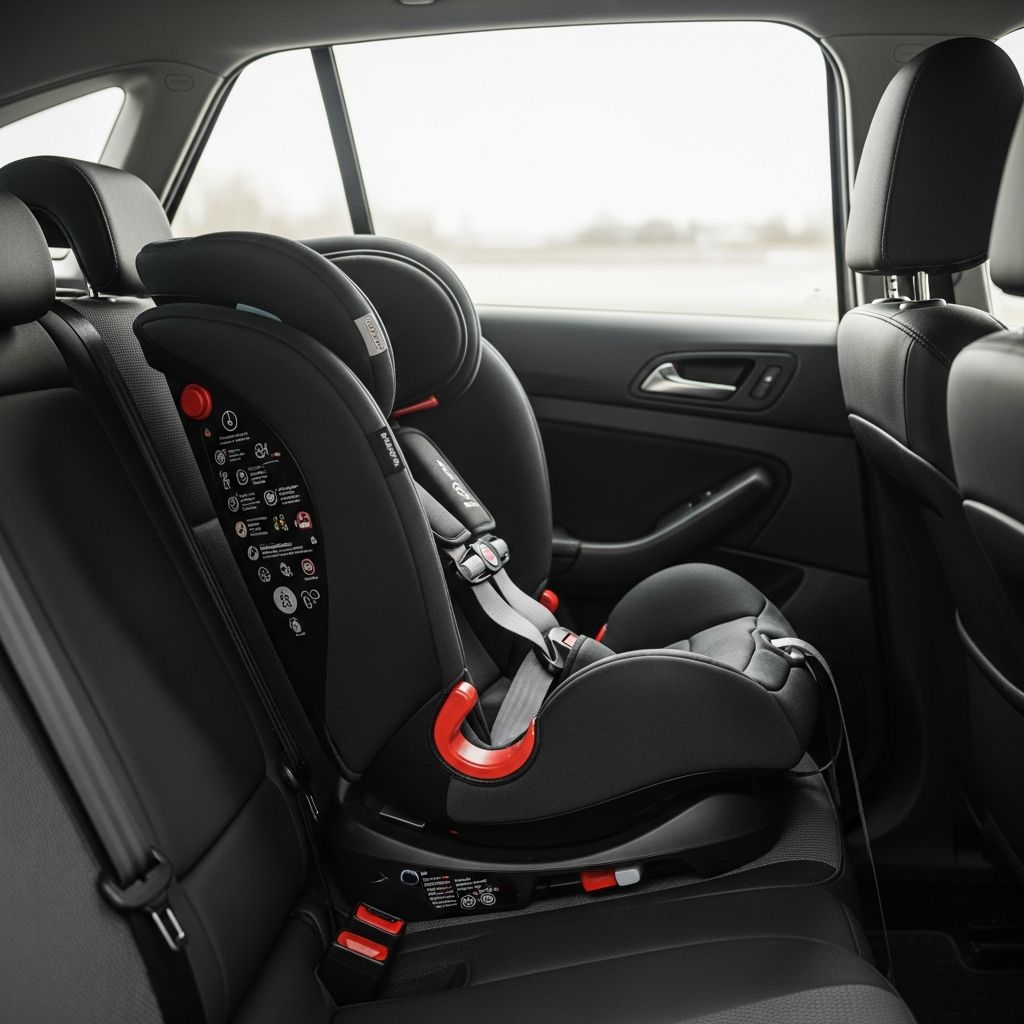
Protecting children in vehicles requires understanding evolving federal standards and diverse state requirements. As of 2026, major updates like FMVSS 213a mandate side-impact crash testing for enhanced safety in car seats for kids under 40 pounds, effective December 5, 2026. This guide breaks down these changes, state-specific rules, selection tips, and practical steps for compliance.
Understanding Federal Car Seat Safety Standards
The National Highway Traffic Safety Administration (NHTSA) oversees Federal Motor Vehicle Safety Standards (FMVSS), with FMVSS 213 governing child restraint systems. The new FMVSS 213a amendment introduces rigorous side-impact testing, simulating a 30 mph T-bone collision using sled tests. Seats must limit head excursion, maintain structural integrity, and reduce chest forces to protect young passengers effectively.
Prior standards focused mainly on frontal crashes, but data reveals side impacts cause significant child injuries due to minimal crumple zones near doors. Testing uses dummies representing children up to 40 pounds, covering infant carriers, convertibles, and harnessed combination seats—booster seats are exempt for now.
Key Timeline for 2026 Compliance
- Original Deadline: June 30, 2025—delayed to accommodate smaller manufacturers’ testing needs.
- New Effective Date: December 5, 2026—all new car seats sold must pass side-impact tests.
- Current Availability: Many brands already comply; check manufacturer specs.
- Infant Seat Changes: Max weight capped at 30 pounds unless extra testing with larger dummies.
Existing seats remain legal and safe if unexpired and recall-free; no rush to replace. Use NHTSA’s tools for verification.
State-by-State Car Seat Requirements
While federal rules set minimums, states enforce stricter laws on age, weight, height, and positioning. All states mandate restraints for kids under a certain age, but details vary widely.
| State | Rear-Facing Until | Forward-Facing Until | Booster Until | Key Notes |
|---|---|---|---|---|
| California | 2 years or 40 lbs/40 in | Until 4’9″ or weight limit | Age 16 (from 2027) | Extended booster rule. |
| New York | 2 years or 30 lbs | Age 4 or 40 lbs | Age 8 or 4’9″ | Strict height enforcement. |
| Texas | Under 2 or 40 lbs rear-preferred | Age 4 or 36 lbs | Age 8 or 4’9″ | Secondary offense after age 8. |
| Florida | Under 1 or 20 lbs rear | Age 5 or 60 lbs | Age 5 or 60 lbs harness | Booster optional after 5 if belted. |
Always verify local statutes, as fines for non-compliance can exceed $250, and proper use cuts injury risk by 71% per CDC data.
Selecting the Right Car Seat for Every Stage
Infant Car Seats (Birth to 9-30 Months)
Choose rear-facing seats with 5-point harnesses. New standards limit max weight to 30 lbs for easier handling. Look for anti-rebound bars and easy-install features like LATCH or rigid connectors.
Convertible Seats (9 Months to 4 Years)
These transition from rear- to forward-facing. Ensure rear-facing until at least age 2 or max limit. FMVSS 213a requires side-impact performance up to 40 lbs.
Combination and Booster Seats (4+ Years)
Harness-to-booster combos extend use. Boosters position the seat belt correctly across shoulder and thigh; backless for older kids, high-back for added head support. Minimum weight for forward-facing now 26.5 lbs.
Pro Tip: Prioritize seats with “Good” NHTSA ease-of-use ratings and GREENGUARD Gold certification for low emissions.
Mastering Proper Car Seat Installation
80% of seats are misused; correct setup is critical. Follow these steps:
- Read Manuals: Vehicle and seat instructions first.
- Position Rear-Facing: Tight fit—no more than 1 inch movement at belt path.
- Use LATCH or Seat Belt: Lock belt if no LATCH; avoid both.
- Harness Snug: Pinch test—no slack at shoulders/hips.
- Recline Angle: Use inserts or indicators for infants.
Visit NHTSA’s Inspection Locator for free checks by certified techs.
Common Mistakes and How to Avoid Them
- Outgrowing Seats: Check height/weight limits monthly; chest clip at armpit level.
- Expiration Ignored: Replace after 6-10 years due to material degradation.
- Front-Seat Placement: Never for under 13; airbags deadly.
- Loose Harness: Dress kids last; remove bulky coats.
- Recalls Missed: Register seats and use SaferCar app.
Upcoming Changes and Future Outlook
Beyond FMVSS 213a, states like California extend boosters to age 16 from 2027. NHTSA researches booster standards and real-world data may spur harness mandates for older kids. Energy absorption and head containment will evolve with biofidelic dummies.
Advocates push for national uniformity, but vehicle integration like built-in restraints remains distant.
Frequently Asked Questions
What if my car seat is from before 2026?
It’s still safe if not expired or recalled. New seats offer better side protection.
Do all new seats automatically meet FMVSS 213a?
After Dec 5, 2026, yes for sales in US. Confirm with maker now.
Can I use a seat past its expiration?
No—materials weaken. Check date on label.
What’s the fine for car seat violations?
Varies by state: $50-$500+; primary offenses in most.
Are travel systems worth it?
Yes for convenience, but ensure base compatibility and stroller fit.
Expert Recommendations for Maximum Safety
American Academy of Pediatrics advises rear-facing as long as possible, forward-facing with harness to 65+ lbs, then boosters to 4’9″. Pair with safe driving: no phone use, maintain tires, avoid drowsy operation. Annual tech inspections prevent drift from growth spurts.
For travel, FAA-approved seats for flights; never lap-held infants on planes.
References
- New Car Seat Regulations 2026: FMVSS 213a Guide for Parents — Baby Sense Monitors. 2025-approx. https://www.babysensemonitors.com/blogs/news/new-car-seat-regulations-2026-fmvss-213a-guide-parents
- New car seat regulations go into effect next year: What parents should know — ABC News (NHTSA cited). 2025-approx. https://abcnews.go.com/GMA/Family/new-car-seat-regulations-effect-parents/story?id=122037162
- Child Safety Seats — California Highway Patrol (.gov). Accessed 2026. https://www.chp.ca.gov/programs-services/programs/child-safety-seats/
- New Side Impact Car Seat Safety Standards: What to Know — Babylist. 2025-approx. https://www.babylist.com/hello-baby/car-seat-side-impact-safety-standards
- Side Impact Standards: What They Mean for Your Child’s Safety — Safe in the Seat. 2025-approx. https://www.safeintheseat.com/post/side-impact-standards-what-they-mean-for-your-childs-safety
- California’s new law keeps kids in car seats until age 16 starting 2027 — Dennis Law Group. 2025-approx. https://www.dennislawgroup.com/californias-new-law-keeps-kids-in-car-seats-until-age-16-starting-2027/