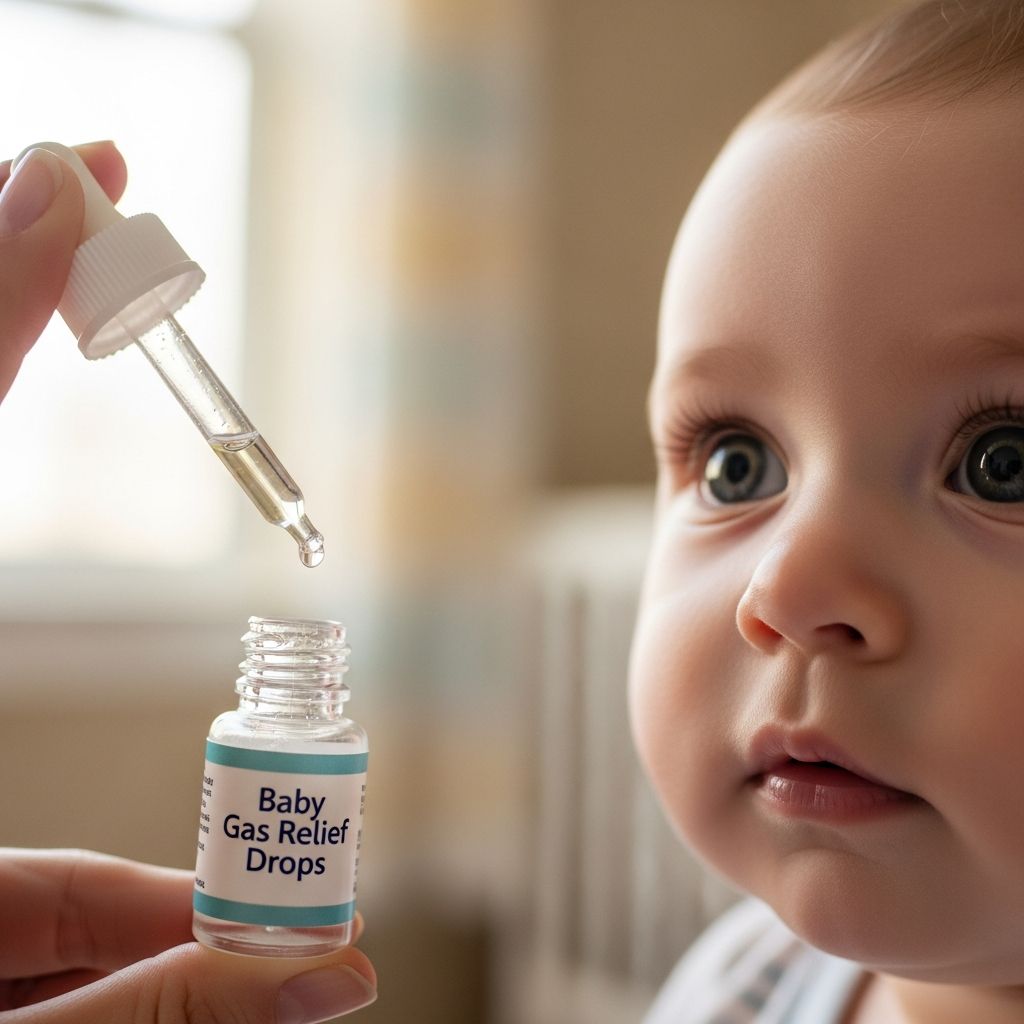
By the time your baby reaches 2 months old, you’ve already made it through the whirlwind newborn phase. The 2-month well-baby visit is an important chance to check growth and development, start key vaccines, and talk through any questions or worries you have about feeding, sleep, crying, or your own adjustment to life with a baby.
Why the 2-Month Visit Matters
Regular checkups in the first year allow your child’s healthcare provider to:
- Track your baby’s growth (weight, length, head size) over time.
- Monitor developmental milestones in movement, social interaction, and communication.
- Provide recommended vaccines that protect against serious infections.
- Screen for early signs of medical or developmental problems.
- Support your family’s mental health, bonding, and safety at home.
This visit is also about you: your provider should invite questions, ask how you’re coping, and help you plan for the next few months.
What Usually Happens at a 2-Month Checkup
Most offices follow a similar structure for the 2-month visit, often lasting 20–40 minutes depending on questions and vaccines.
| Part of Visit | What to Expect |
|---|---|
| Measurements | Weight, length, and head circumference are measured and plotted on a growth chart. |
| Physical exam | Head-to-toe check of skin, eyes, ears, mouth, heart, lungs, abdomen, hips, genitals, and reflexes. |
| Development review | Questions about your baby’s smiling, eye contact, head control, and movement. |
| Feeding & sleep discussion | How often your baby eats, how long they sleep, and safe sleep habits. |
| Vaccines | First major set of routine immunizations, often combined into fewer shots. |
| Questions & guidance | Time for you to ask about crying, colic, safety, and your own stress or mood. |
Growth: Reading the Numbers on the Chart
At every visit, your baby’s measurements are compared with standard growth charts based on large groups of healthy children.
- Weight: Helps assess nutrition and hydration.
- Length: Tracks overall growth and long-term health outlook.
- Head circumference: Reflects brain and skull growth.
What matters is the pattern over time, not a particular percentile. Your provider will explain whether your baby is following their own curve and whether any changes in feeding or follow-up visits are needed.
Developmental Milestones Around 2 Months
Every baby develops at their own pace, but health organizations provide typical milestones that most 2-month-olds reach. Use these as guides, not tests.
Social and Emotional
- Looks at your face and seems calmer when you hold or talk to them.
- Shows a social smile, especially when you smile or talk.
Communication and Thinking
- Makes simple sounds like coos or gurgles.
- Turns toward familiar voices or reacts to loud noises.
- Watches people or objects move across their field of vision.
Movement and Physical Skills
- Lifts their head briefly when lying on their tummy.
- Begins to hold their head up for short periods when held upright.
- Moves arms and legs smoothly, not only with jerky motions.
If your baby is not doing some of these things yet, your provider may recommend simple ideas to encourage development and will let you know if any extra screening is needed.
Feeding Your 2-Month-Old
At 2 months, most babies are still fed only breast milk, formula, or a combination of both. Solid foods are not usually recommended until around 4–6 months, when babies show clear signs of readiness.
Typical Feeding Patterns
- Breastfed babies often feed about 8–12 times in 24 hours, though some may cluster feed in the evenings.
- Formula-fed babies usually take 4–5 bottles per day, with amounts varying by baby. Your provider can help you estimate daily volume.
- Most babies are still waking at night to feed.
Watch your baby’s hunger and fullness cues more than the clock:
- Signs of hunger: rooting, bringing hands to mouth, fussing, lip smacking.
- Signs of fullness: slowing sucking, turning away, relaxing hands.
When to Call About Feeding
- Fewer than 4–5 wet diapers a day after the first week.
- Very weak sucking or difficulty staying awake to feed.
- Frequent forceful vomiting or signs of dehydration (dry mouth, no tears, very sleepy).
At the visit, ask about vitamin D supplements, how to prepare formula safely, and any nipple pain or latch issues if you are breastfeeding.
Sleep and Routines
By 2 months, most babies still wake to feed during the night but may start to have slightly longer stretches of sleep.
- Many 2-month-olds sleep around 14–17 hours in 24 hours, with sleep broken into day and night periods.
- Short, predictable routines around feeding, play, and sleep can help your baby feel secure.
Safe Sleep Basics
Health authorities recommend a consistent set of safe sleep practices to lower the risk of sudden infant death syndrome (SIDS) and other sleep-related deaths.
- Always place your baby on their back to sleep, for naps and at night.
- Use a firm, flat sleep surface (crib, bassinet, or play yard) with a fitted sheet only.
- Keep soft bedding, pillows, bumpers, and toys out of the sleep area.
- Share your room but not your bed.
- Avoid overheating; dress your baby in light sleep clothing.
Your provider can help you troubleshoot common challenges like frequent night waking or trouble settling down.
Vaccines Given at 2 Months
The 2-month visit is a major milestone for immunizations. Recommended vaccines at this age protect against several serious diseases such as whooping cough, polio, and certain types of meningitis.
Common Vaccines at This Visit
- Hepatitis B (HBV) – often the 2nd dose in the series.
- Rotavirus (RV) – an oral vaccine to help prevent severe diarrhea.
- Diphtheria, tetanus, acellular pertussis (DTaP).
- Haemophilus influenzae type b (Hib).
- Pneumococcal conjugate (PCV).
- Inactivated polio vaccine (IPV).
Many offices use combination vaccines so that your baby receives protection from multiple diseases in a single shot, reducing the number of injections.
Managing Side Effects
Most vaccine side effects are mild and short-lived. Your baby might:
- Be a little more fussy or sleepy.
- Have a low-grade fever.
- Show redness or soreness at the injection site.
Your provider can tell you:
- Which symptoms are expected and how long they may last.
- When, and in what dose, to use fever-reducing medication if needed.
- Warning signs that require a call to the office or urgent care.
Keeping Your Baby Safe at Home and on the Go
Preventing injuries is a key part of the 2-month visit. Babies are still small but quickly gaining strength and movement, which means new risks.
Everyday Safety Tips
- Never leave your baby alone on a bed, sofa, or changing table; they can roll or wiggle off unexpectedly.
- Always keep a hand on your baby when they’re on a high surface.
- Use a rear-facing car seat correctly installed in the back seat for every ride.
- Keep hot drinks, cords, and small objects out of reach.
- Use toys that are too large to choke on and that don’t have small, detachable parts.
- Install and regularly check smoke and carbon monoxide detectors.
- Maintain a smoke-free home and car to protect your baby’s lungs.
Supporting Healthy Development and Bonding
Your daily interactions are the foundation of your baby’s learning and emotional security.
- Give your baby supervised tummy time on a firm surface several times a day while awake to strengthen muscles and help prevent flat spots on the back of the head.
- Talk, sing, and read to your baby in a calm voice throughout the day.
- Respond to crying with comfort; holding and soothing your baby helps build trust and does not “spoil” them.
- Use simple daily routines for feeding, bedtime, and play to help your baby feel secure.
Your Well-Being as a Parent
Caring for a 2-month-old is demanding. Your emotional health is important to your baby’s health.
- Tell your provider if you are often sad, anxious, feeling overwhelmed, or having trouble sleeping even when the baby sleeps.
- Ask about screening for postpartum depression and where to find support.
- Share caregiving tasks with trusted adults when possible and rest when you can.
The 2-month visit is a safe space to talk honestly about how you’re doing and what support you need.
Questions to Ask at the 2-Month Visit
It helps to write questions down ahead of time. Consider bringing up:
- Is my baby’s growth on track? How are their percentiles changing?
- Are the developmental skills I’m seeing appropriate for this age?
- How often should my baby be feeding, and for how long?
- What should I do about frequent spit-up, gas, or suspected reflux?
- Which vaccines is my baby getting today, and what side effects should I watch for?
- How can I help my baby sleep safely and more predictably?
- What safety changes should we make at home as our baby gets more active?
Looking Ahead to the Next Visit
Most babies are scheduled for another well visit around 4 months of age. At that appointment, your provider will again review growth and milestones, give the next round of vaccines, and talk more about rolling, play, and early signs of readiness for solid foods.
Frequently Asked Questions (FAQs)
My baby isn’t smiling much yet. Should I be worried?
Many babies begin to smile responsively between 6 and 8 weeks, but there is a range. If your baby makes eye contact, seems to calm when you talk or pick them up, and is otherwise alert and feeding well, your provider may simply watch over time. Mention your concern at the visit so they can look closely at social and vision skills.
Is it normal for my baby to cry so much in the evenings?
It is common for 2-month-olds to have a fussy period, often in the late afternoon or evening. Gentle rocking, holding skin-to-skin, walking, or using white noise can help. If crying is very intense, lasts for hours, or you are worried about pain or illness, contact your provider to rule out medical problems and discuss colic strategies.
When can we start solid foods?
Most babies are ready for solids around 4–6 months, when they can sit with support, have good head control, show interest in food, and have lost the tongue-thrust reflex. At 2 months, breast milk or formula should still provide all nutrition. Ask at your 4-month visit about how and when to begin solids safely.
Do I really need all these vaccines at 2 months?
Routine vaccines at 2 months protect against diseases that can be especially severe in young infants, such as whooping cough and certain bloodstream and brain infections. Skipping or delaying shots can leave your baby vulnerable. If you have concerns about ingredients, side effects, or schedules, talk them through with your provider so you can make an informed decision based on the best available evidence.
How can I prepare my baby for the shots?
You can help by feeding and changing your baby before the shots so they are as comfortable as possible. During and after the injections, hold your baby close, use a calm voice, and offer feeding or a pacifier for comfort. Ask whether skin-to-skin contact, breastfeeding during injections, or sucrose drops are used in your clinic to help with pain relief.
References
- Checkup Checklist: 2 Months Old — American Academy of Pediatrics / HealthyChildren.org. 2024-03-01. https://www.healthychildren.org/English/ages-stages/Your-Childs-Checkups/Pages/Your-Checkup-Checklist-2-Months-Old.aspx
- Make the Most of Your Baby’s Visit to the Doctor (Ages 0 to 11 Months) — Office of Disease Prevention and Health Promotion, U.S. HHS. 2025-10-21. https://odphp.health.gov/myhealthfinder/doctor-visits/regular-checkups/make-most-your-babys-visit-doctor-ages-0-11-months
- Your Baby at 2 Months: Milestone Checklist — Centers for Disease Control and Prevention (CDC). 2022-03-31. https://www.cdc.gov/act-early/milestones/2-months.html
- Your Baby at 2 Months (Milestone PDF Checklist) — Centers for Disease Control and Prevention (CDC). 2022-03-31. https://www.cdc.gov/ncbddd/actearly/pdf/checklists/checklists_2mo.pdf
- Bright Futures: 2 Month Visit – Parent Information — American Academy of Pediatrics. 2021-09-01. https://www.aap.org/en/practice-management/bright-futures/bright-futures-family-centered-care/well-child-visits-parent-and-patient-education/bright-futures-information-for-parents-2-month-visit/
- 2-Month-Old Well Child Check — Atrium Health Wake Forest Baptist. 2023-05-15. https://www.wakehealth.edu/stories/two-month-old-well-child-check
- 2 Month Well-Child Visit — Cincinnati Children’s Hospital Medical Center. 2023-06-01. https://www.cincinnatichildrens.org/health/w/well-child-2-month